

KLF7ウサギポリクローナル抗体
コンジュゲーション: 非共役
ウサギポリクローナル抗体
アプリケーション
反応性
ヒト、マウス
遺伝子名
KLF7
保存
小分けして-20℃で保存してください(12ヶ月間有効)。凍結融解サイクルは避けてください。
要約
| 製品名 | KLF7ウサギポリクローナル抗体 |
| 説明 | ウサギポリクローナル抗体 |
| 宿主 | うさぎ |
| 反応性 | ヒト、マウス |
| コンジュゲーション | 非共役 |
| 修飾 | 未修正 |
| アイソタイプ | IgG |
| クローン性 | ポリクローナル |
| 形態 | 液体 |
| 濃度 | 非共役 |
| 保存 | 小分けして-20℃で保存してください(12ヶ月間有効)。凍結融解サイクルは避けてください。 |
| 配送 | 氷嚢。 |
| バッファー | 50% グリセロール、0.5% 保護タンパク質、0.02% 新タイプ防腐剤 N を含む PBS 液。 |
| 精製 | アフィニティー精製 |
抗原情報
| 遺伝子名 | KLF7 |
| 別名 | KLF7; UKLF; Krueppel-like factor 7; Ubiquitous krueppel-like factor |
| 遺伝子ID | 8609 |
| SwissProt ID | O75840 |
| 免疫原 | 抗血清はヒトKLF7由来の合成ペプチドに対して作製された。アミノ酸範囲:171-220 |
アプリケーション
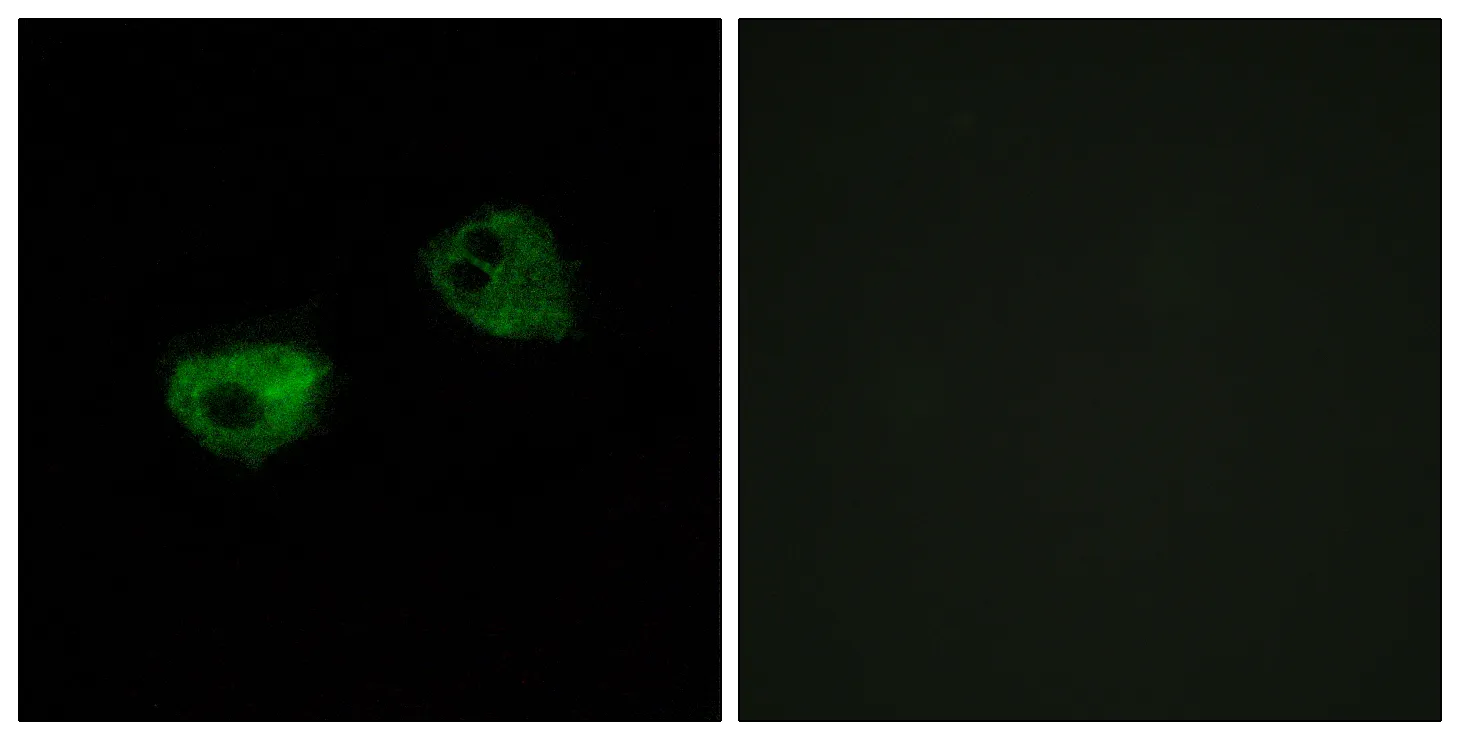
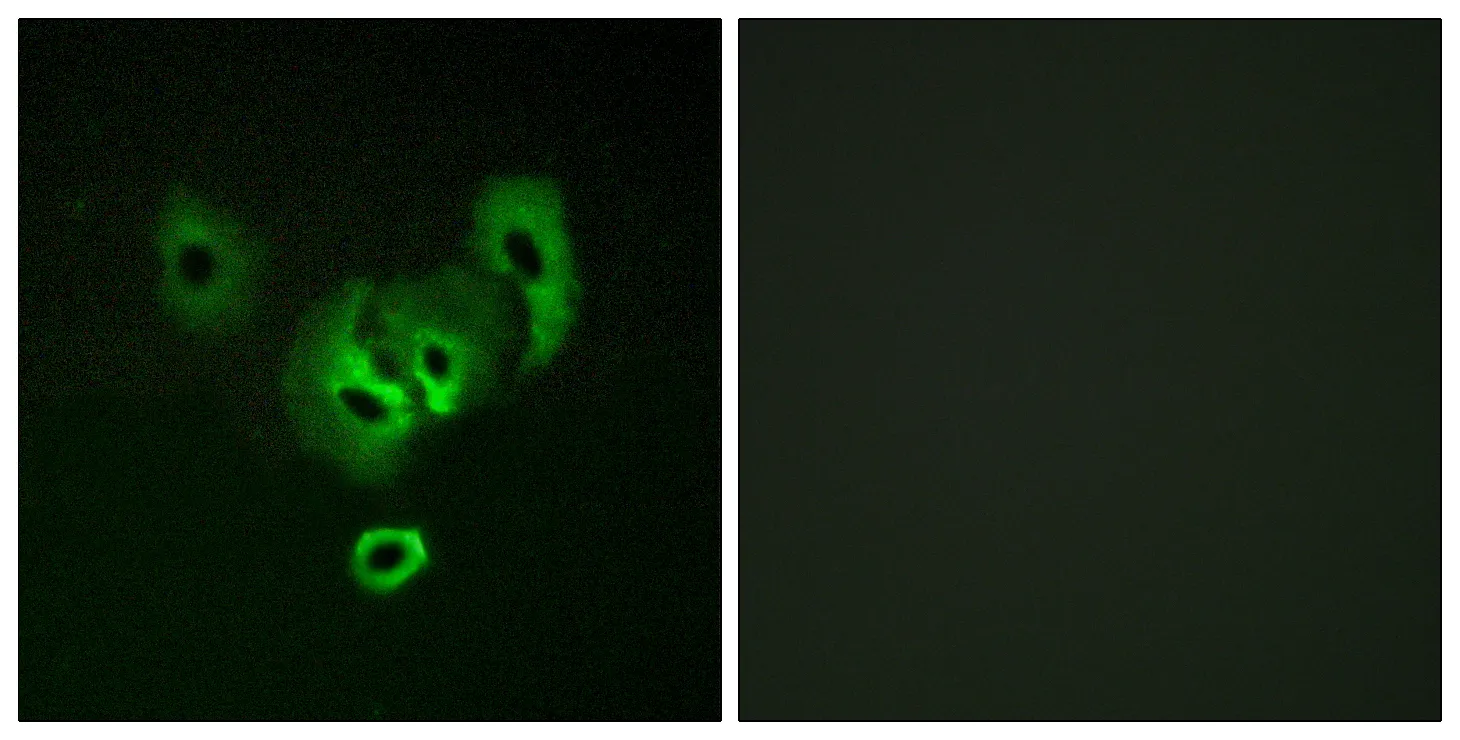
| アプリケーション | WB,IHC |
| 希釈倍率 | WB 1:500-1:2000,IHC 1:50-1:300 |
| 分子量 | 41kDa |
研究分野
背景
| この遺伝子によってコードされるタンパク質は、Kruppel様転写調節因子ファミリーのメンバーです。このファミリーのメンバーは細胞の増殖、分化、および生存を制御し、C末端に3つのC2H2ジンクフィンガーを有し、GCリッチ部位への結合を媒介します。このタンパク質は、膵β細胞におけるインスリンの発現と分泌を阻害し、脂肪細胞におけるアディポサイトカイン分泌を脱制御することで、2型糖尿病の進行に寄与する可能性があります。この遺伝子の偽遺伝子は3番染色体長腕に位置しています。選択的スプライシングにより、複数の転写バリアントが生成されます。[RefSeq提供、2012年8月],domain:酸性N末端部分は、転写因子の塩基性ドメインとの相互作用を促進する可能性があります。,function:転写活性化因子。試験管内でβグロビンプロモーターのCACCCモチーフおよびSP1認識配列に結合します。,類似性:クルッペルC2H2型ジンクフィンガータンパク質ファミリーに属します。,類似性:3つのC2H2型ジンクフィンガーを含みます。,組織特異性:成体では脳と脊髄に広く存在し、胎児では腎臓と脳に高く発現します。, |