Ihh Rabbit Polyclonal Antibody

Ihh Rabbit Polyclonal Antibody

Cat: APRab12458
Boyut:20μL Fiyat:$99_x000D_
Boyut:50μL Fiyat:$118_x000D_
Boyut:100μL Fiyat:$220_x000D_
Boyut:200μL Fiyat:$380_x000D_
Uygulama:WB,ELISA
Reaktivite:Human,Mouse,Rat
Konjuge:Unconjugated
İsteğe bağlı konjugeler: Biotin, FITC (ücretsiz). Diğer 26 konjugatı görün.

Gen Adı:IHH
Category: ポリクローナル抗体 Tags: , , , , , , , ,
Ihh Rabbit Polyclonal Antibody
Konjugasyon: Unconjugated
Rabbit polyclonal Antibody
Uygulama
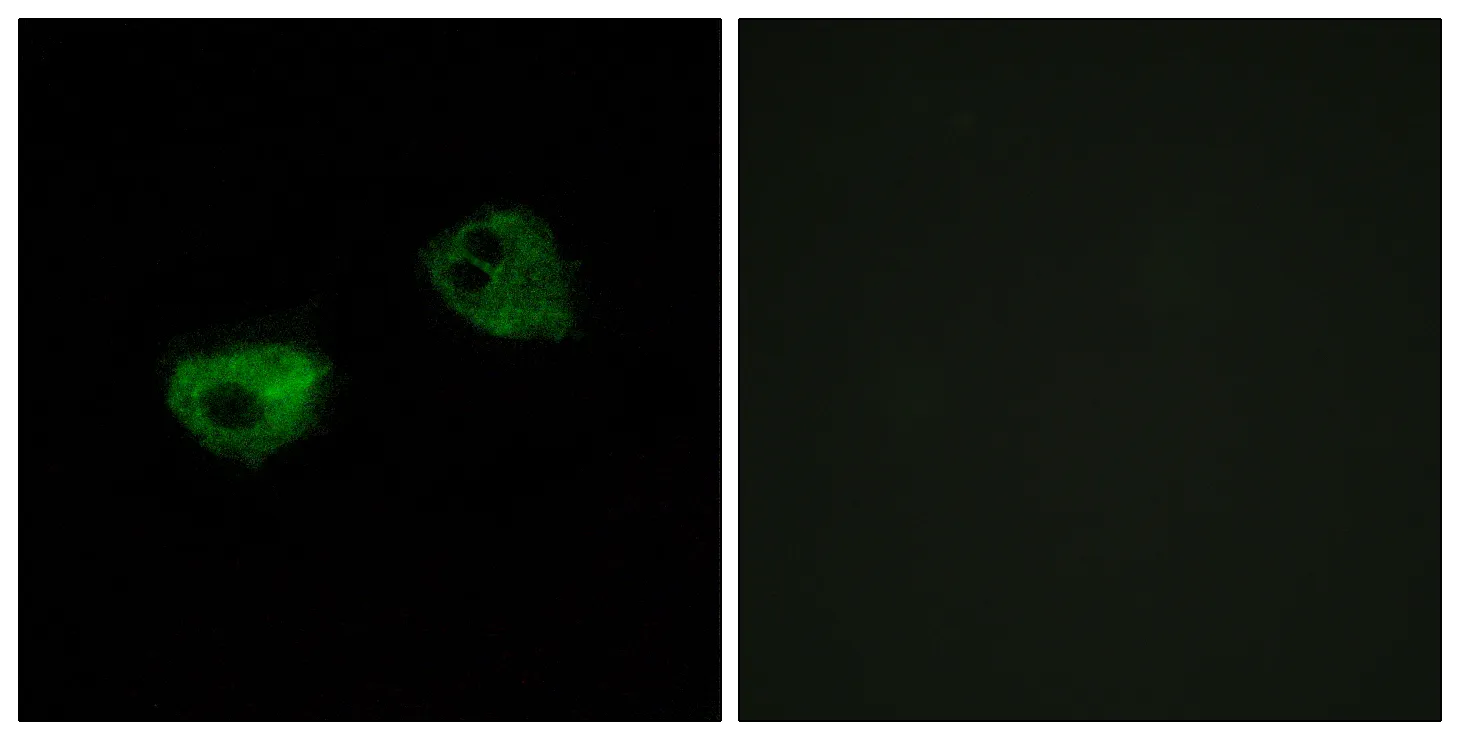
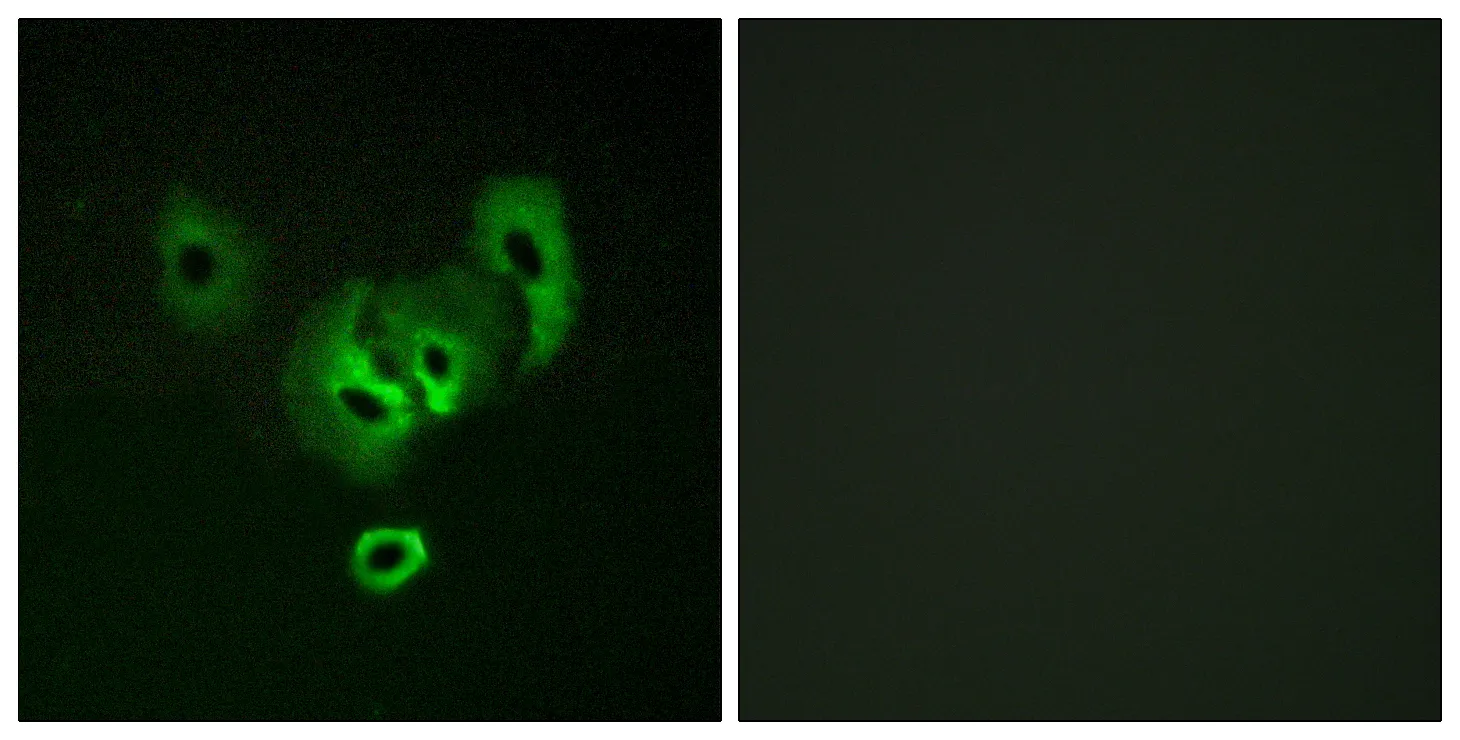
IHC  ICC/IF  ELISA WB,ELISA
Reaktivite
Human,Mouse,Rat
Gen Adı
IHH
Saklama
Aliquot and store at -20°C (valid for 12 months). Avoid freeze/thaw cycles.
Özet
Ürün Adı Ihh Rabbit Polyclonal Antibody
Açıklama Rabbit polyclonal Antibody
Konak Rabbit
Reaktivite Human,Mouse,Rat
Konjugasyon Unconjugated
Modifikasyon Unmodified
İzotip IgG
Klonalite Polyclonal
Form Liquid
Konsantrasyon Unconjugated
Saklama Aliquot and store at -20°C (valid for 12 months). Avoid freeze/thaw cycles.
Nakliye Ice bags.
Tampon Liquid in PBS containing 50% glycerol, 0.5% protective protein and 0.02% New type preservative N.
Saflaştırma Affinity purification
Antijen Bilgisi
Gen Adı IHH
Alternatif İsimler IHH; Indian hedgehog protein; IHH; HHG-2
Gen Kimliği 3549
SwissProt Kimliği Q14623
İmmünojen The antiserum was produced against synthesized peptide derived from human Ihh. AA range:209-258
Uygulama
Uygulama WB,ELISA
Seyreltme Oranı WB 1:500-1:2000,ELISA 1:10000-1:20000
Moleküler Ağırlık 45kDa
Araştırma Alanı
Hedgehog;
Arka Plan
This gene encodes a member of the hedgehog family of proteins. The encoded preproprotein is proteolytically processed to generate multiple protein products, including an N-terminal fragment that is involved in signaling. Hedgehog family proteins are essential secreted signaling molecules that regulate a variety of developmental processes including growth, patterning and morphogenesis. The protein encoded by this gene specifically plays a role in bone growth and differentiation. Mutations in this gene are the cause of brachydactyly type A1, which is characterized by shortening or malformation of the fingers and toes. Mutations in this gene are also the cause of acrocapitofemoral dysplasia. [provided by RefSeq, Nov 2015],disease:Defects in IHH are a cause of acrocapitofemoral dysplasia (ACFD) [MIM:607778]. ACFD is a disorder characterized by short stature of variable severity with postnatal onset. The most constant radiographic abnormalities are observed in the tubular bones of the hands and in the proximal part of the femur. Cone-shaped epiphyses or a similar epiphyseal configuration with premature epimetaphyseal fusion result in shortening of the skeletal components involved. Cone-shaped epiphyses were also present to a variable extent at the shoulders, knees, and ankles.,disease:Defects in IHH are the cause of brachydactyly type A1 (BDA1) [MIM:112500]. BDA1 is an autosomal dominant disorder characterized by middle phalanges of all the digits rudimentary or fused with the terminal phalanges. The proximal phalanges of the thumbs and big toes are short.,function:Intercellular signal essential for a variety of patterning events during development. Binds to the patched (PTC) receptor, which functions in association with smoothened (SMO), to activate the transcription of target genes. Implicated in endochondral ossification: may regulate the balance between growth and ossification of the developing bones. Induces the expression of parathyroid hormone-related protein (PTHRP).,PTM:Cholesterylation is required for N-product targeting to lipid rafts and multimerization.,PTM:Palmitoylated. N-palmitoylation is required for N-product multimerization and full activity.,PTM:The C-terminal domain displays an autoproteolysis activity and a cholesterol transferase activity. Both activities result in the cleavage of the full-length protein and covalent attachment of a cholesterol moiety to the C-terminal of the newly generated N-terminal fragment (N-product). The N-product is the active species in both local and long-range signaling, whereas the C-product has no signaling activity.,similarity:Belongs to the hedgehog family.,subcellular location:The C-terminal peptide diffuses from the cell.,subcellular location:The N-terminal peptide remains associated with the cell surface.,tissue specificity:Expressed in embryonic lung, and in adult kidney and liver.,
   💬 WhatsApp