

IRF-3(リン酸化Ser386)ウサギポリクローナル抗体
コンジュゲーション: 非共役
ウサギポリクローナル抗体
アプリケーション
反応性
ヒト、ラット、マウス
遺伝子名
IRF3
保存
小分けして-20℃で保存してください(12ヶ月間有効)。凍結融解サイクルは避けてください。
要約
| 製品名 | IRF-3(リン酸化Ser386)ウサギポリクローナル抗体 |
| 説明 | ウサギポリクローナル抗体 |
| 宿主 | うさぎ |
| 反応性 | ヒト、ラット、マウス |
| コンジュゲーション | 非共役 |
| 修飾 | リン酸化 |
| アイソタイプ | IgG |
| クローン性 | ポリクローナル |
| 形態 | 液体 |
| 濃度 | 非共役 |
| 保存 | 小分けして-20℃で保存してください(12ヶ月間有効)。凍結融解サイクルは避けてください。 |
| 配送 | 氷嚢。 |
| バッファー | 50% グリセロール、0.5% 保護タンパク質、0.02% 新タイプ防腐剤 N を含む PBS 液。 |
| 精製 | アフィニティー精製 |
抗原情報
| 遺伝子名 | IRF3 |
| 別名 | IRF3; Interferon regulatory factor 3; IRF-3 |
| 遺伝子ID | 3661 |
| SwissProt ID | Q14653 |
| 免疫原 | 抗血清は、ヒトIRF-3のSer386リン酸化部位付近の合成ペプチドに対して作製された。アミノ酸範囲:352-401 |
アプリケーション
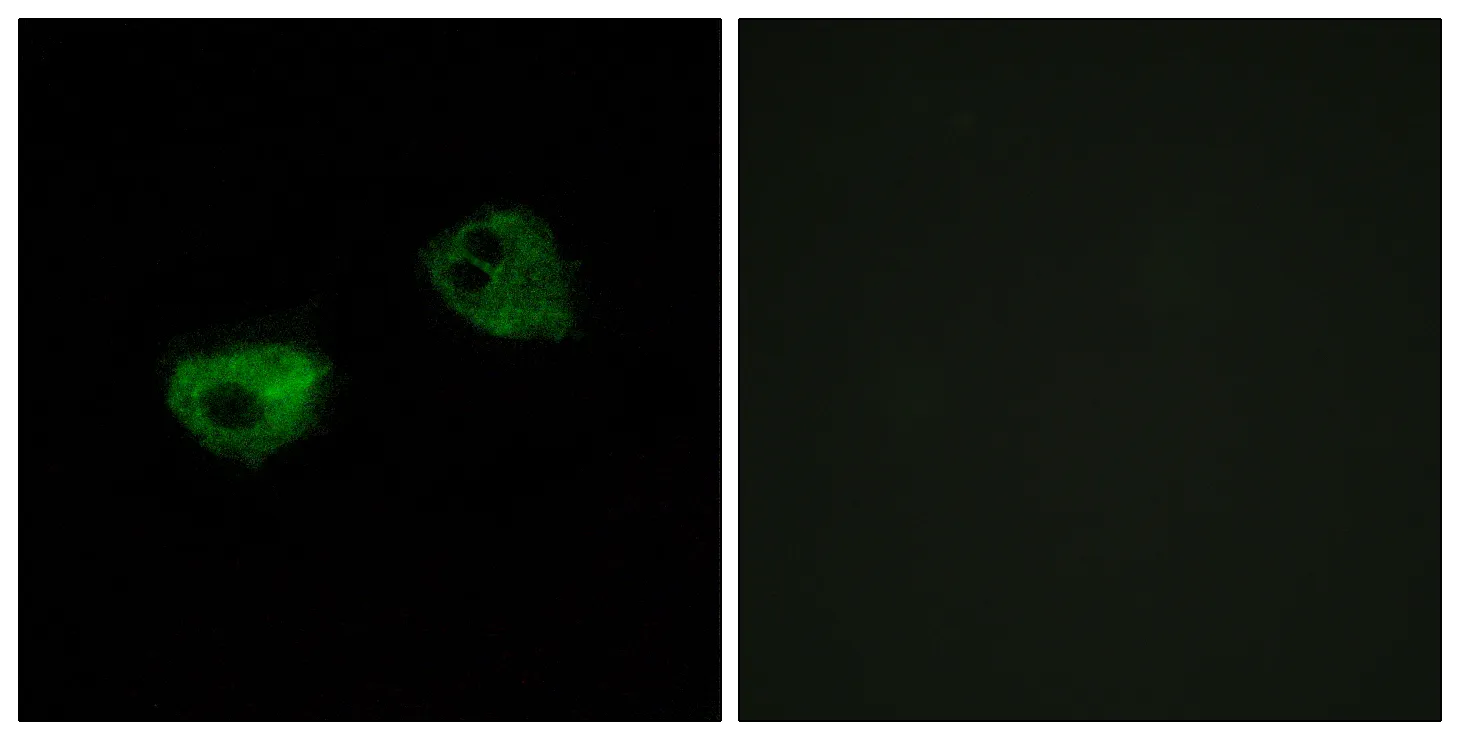
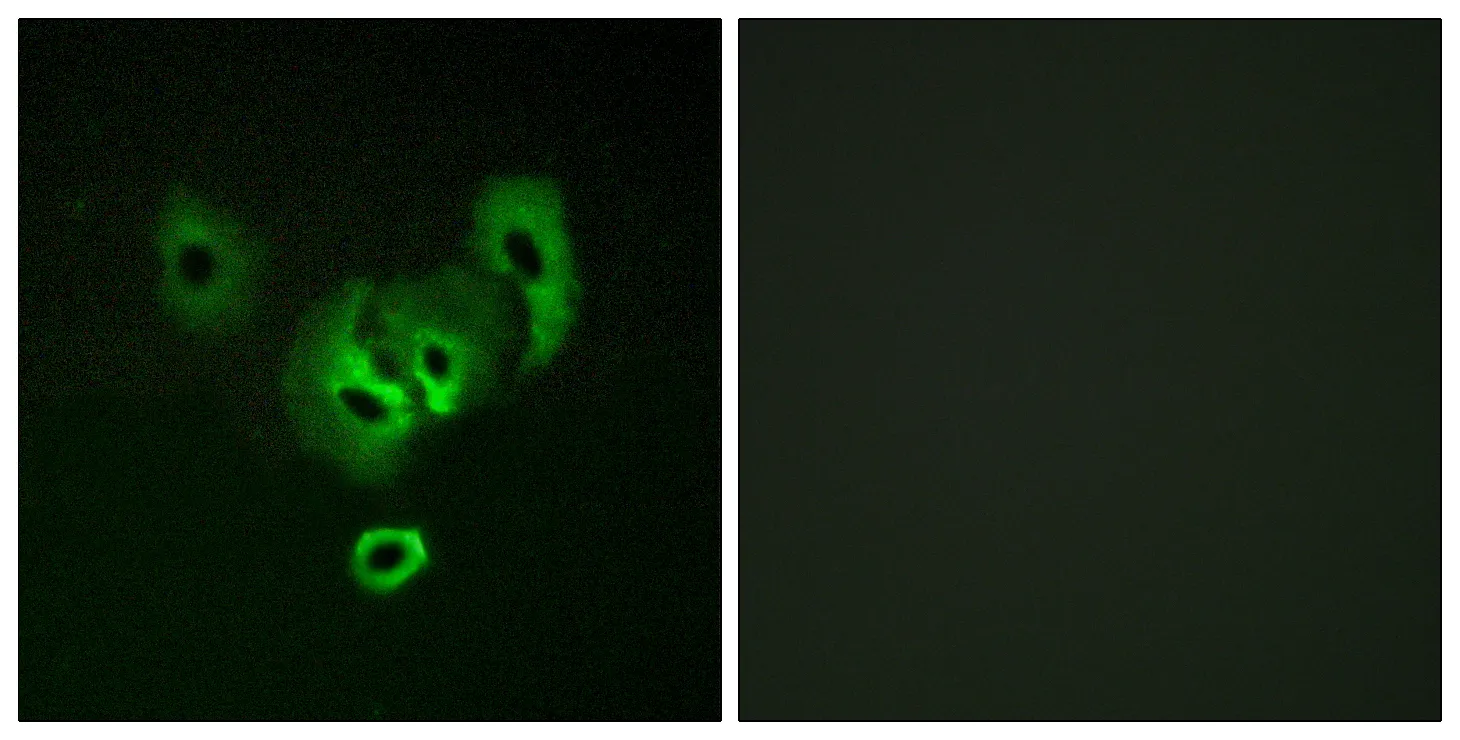
| アプリケーション | WB,IHC |
| 希釈倍率 | WB 1:500-1:2000,IHC 1:50-1:300 |
| 分子量 | 48-55kDa |
研究分野
| Toll_Like;RIG-I-like receptor;Cytosolic DNA-sensing pathway; |
背景
| この遺伝子は、インターフェロン制御転写因子(IRF)ファミリーのメンバーをコードしています。コードされているタンパク質は不活性な細胞質型で存在し、セリン/スレオニンリン酸化を受けてCREBBPと複合体を形成します。この複合体は核に移行し、インターフェロンαおよびβ、ならびに他のインターフェロン誘導性遺伝子の転写を活性化します。この遺伝子には、複数のアイソフォームをコードする選択的スプライシング転写バリアントが観察されています。[RefSeq提供、2011年11月]、機能:インターフェロン刺激応答エレメント(ISRE)プロモーター活性化を媒介します。抗ウイルス活性の分子スイッチとして機能します。ウイルス感染の過程で生成されるdsRNAは、IRF3のC末端セリン/スレオニンクラスターのリン酸化を引き起こします。これにより構造変化が誘発され、二量体化、核局在化、および CREB 結合タンパク質 (CREBBP) との会合が起こり、dsRNA 活性化因子 1 (DRAF1) が形成されます。この複合体は、ISRE の制御下にある遺伝子の転写を活性化します。この複合体は、IFN-α プロモーター上の IE 領域、IFN-β プロモーター上の PRDIII 領域にそれぞれ結合します。IRF-3 には転写活性化ドメインはありません。,PTM: 多くのセリン残基が恒常的にリン酸化されています。C 末端のセリン/スレオニン クラスターは、IKBKE および TBK1 による誘導に応じてリン酸化されます。Ser-385 および Ser-386 は、誘導に応じて特異的にリン酸化される可能性があります。別のモデルでは、396 から 405 の間の 5 つのセリン/スレオニン残基がウイルス感染に応じてリン酸化されると提唱されています。 IRF3のリン酸化とそれに続く活性化は、ワクシニアウイルスタンパク質E3によって阻害されます。,類似性:IRFファミリーに属します。,類似性:1つのトリプトファンペンタッドリピートDNA結合ドメインを含みます。,細胞内局在:細胞質と核の間を往復し、主に輸送されます。活性化されると、IRF3はCREBBPと相互作用し、細胞質への輸送を阻害します。,サブユニット:ホモ二量体。リン酸化誘導性。CREBBPと相互作用します。MAVSと相互作用する可能性があります。IKBKEおよびTBK1と相互作用します。TICAM1およびTICAM2と相互作用します。ロタウイルスAのNSP1と(C末端を介して)相互作用します。この相互作用は、IRF3のプロテアソーム依存性分解を引き起こします。,組織特異性:様々な組織で恒常的に発現します。, |