

I-FABPウサギポリクローナル抗体
コンジュゲーション: 非共役
ウサギポリクローナル抗体
アプリケーション
反応性
ヒト、マウス、ラット
遺伝子名
FABP2 FABPI
保存
小分けして-20℃で保存してください(12ヶ月間有効)。凍結融解サイクルは避けてください。
要約
| 製品名 | I-FABPウサギポリクローナル抗体 |
| 説明 | ウサギポリクローナル抗体 |
| 宿主 | うさぎ |
| 反応性 | ヒト、マウス、ラット |
| コンジュゲーション | 非共役 |
| 修飾 | 未修正 |
| アイソタイプ | IgG |
| クローン性 | ポリクローナル |
| 形態 | 液体 |
| 濃度 | 非共役 |
| 保存 | 小分けして-20℃で保存してください(12ヶ月間有効)。凍結融解サイクルは避けてください。 |
| 配送 | 氷嚢。 |
| バッファー | 50% グリセロール、0.5% 保護タンパク質、0.02% 新タイプ防腐剤 N を含む PBS 液。 |
| 精製 | アフィニティー精製 |
抗原情報
| 遺伝子名 | FABP2 FABPI |
| 別名 | Fatty acid-binding protein, intestinal (Fatty acid-binding protein 2;Intestinal-type fatty acid-binding protein;I-FABP) |
| 遺伝子ID | 2169 |
| SwissProt ID | P12104 |
| 免疫原 | アミノ酸配列範囲:90~132のヒトタンパク質からの合成ペプチド |
アプリケーション
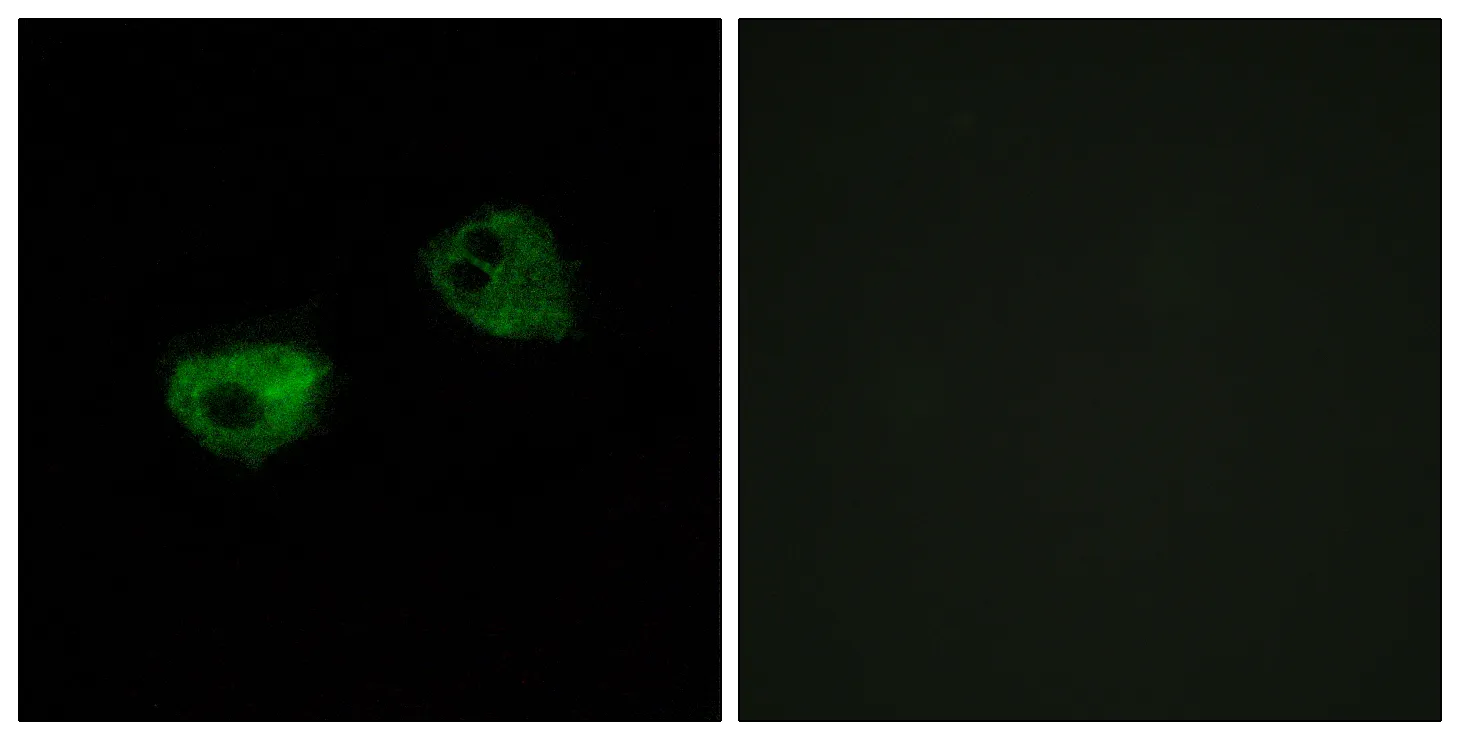
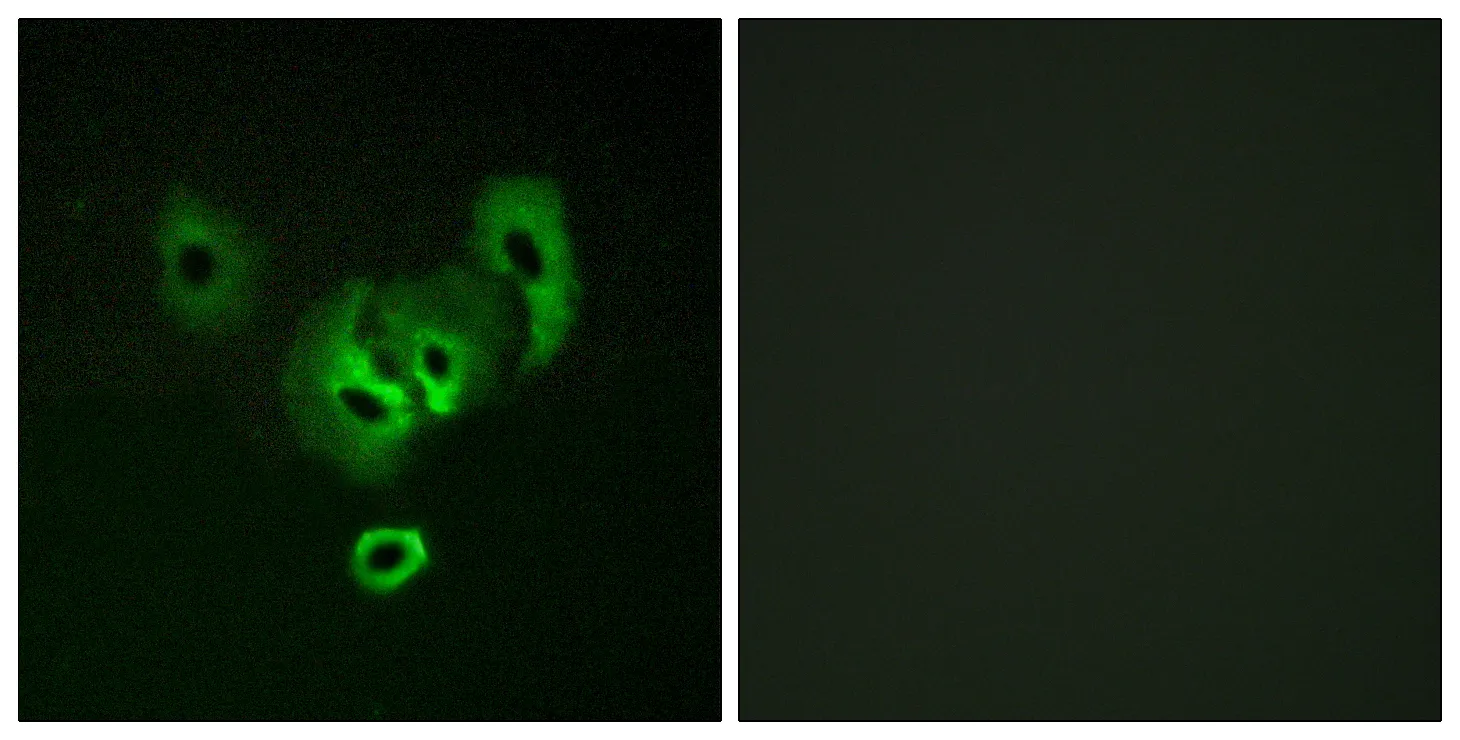
| アプリケーション | WB,IHC,ICC/IF,ELISA |
| 希釈倍率 | WB 1:500-1:2000,IHC 1:50-1:200,ICC/IF 1:50-1:200,ELISA 1:10000-1:20000 |
| 分子量 | 15kDa |
研究分野
| PPAR; |
背景
| 細胞内脂肪酸結合タンパク質(FABP)は、約20種類のメンバーが同定されている多重遺伝子ファミリーに属します。FABPは、少なくとも肝臓型、腸管型、心臓型の3つの異なるタイプに分類されます。これらは14~15 kDaのタンパク質を形成し、長鎖脂肪酸の取り込み、細胞内代謝、および/または輸送に関与すると考えられています。また、細胞の成長と増殖の調節にも関与している可能性があります。腸管脂肪酸結合タンパク質2遺伝子は4つのエクソンを含み、小腸上皮細胞に豊富に存在する細胞質タンパク質です。この遺伝子は、コドン54にアラニンをコードする対立遺伝子とスレオニンをコードする対立遺伝子の多型性を有しています。Thr-54タンパク質は、脂肪酸化の増加とインスリン抵抗性と関連しています。 [RefSeq提供、2008年7月],ドメイン:内部に疎水性リガンドを収容するβバレル構造を形成する。,機能:FABPは、長鎖脂肪酸とそのアシルCoAエステルの細胞内輸送に関与すると考えられている。FABP2は、トリグリセリドに富むリポタンパク質の合成に関与していると考えられる。飽和長鎖脂肪酸とは高い親和性で結合するが、不飽和長鎖脂肪酸とは低い親和性で結合する。FABP2は脂質センサーとして機能することで、エネルギー恒常性の維持にも関与している可能性がある。,誘導:EGFによる。,類似性:カリシンスーパーファミリーに属する。脂肪酸結合タンパク質(FABP)ファミリー。,組織特異性:小腸で発現し、大腸でもはるかに低いレベルで発現する。最も高い発現レベルは空腸である。, |