

ヒスタミンH4受容体ウサギポリクローナル抗体
コンジュゲーション: 非共役
ウサギポリクローナル抗体
アプリケーション
反応性
ヒト、ラット、マウス
遺伝子名
HRH4
保存
小分けして-20℃で保存してください(12ヶ月間有効)。凍結融解サイクルは避けてください。
要約
| 製品名 | ヒスタミンH4受容体ウサギポリクローナル抗体 |
| 説明 | ウサギポリクローナル抗体 |
| 宿主 | うさぎ |
| 反応性 | ヒト、ラット、マウス |
| コンジュゲーション | 非共役 |
| 修飾 | 未修正 |
| アイソタイプ | IgG |
| クローン性 | ポリクローナル |
| 形態 | 液体 |
| 濃度 | 非共役 |
| 保存 | 小分けして-20℃で保存してください(12ヶ月間有効)。凍結融解サイクルは避けてください。 |
| 配送 | 氷嚢。 |
| バッファー | 50% グリセロール、0.5% 保護タンパク質、0.02% 新タイプ防腐剤 N を含む PBS 液。 |
| 精製 | アフィニティー精製 |
抗原情報
| 遺伝子名 | HRH4 |
| 別名 | HRH4; GPCR105; Histamine H4 receptor; H4R; HH4R; AXOR35; G-protein coupled receptor 105; GPRv53; Pfi-013; SP9144 |
| 遺伝子ID | 59340 |
| SwissProt ID | Q9H3N8 |
| 免疫原 | 抗血清はヒトHRH4由来の合成ペプチドに対して作製された。アミノ酸範囲:221-270 |
アプリケーション
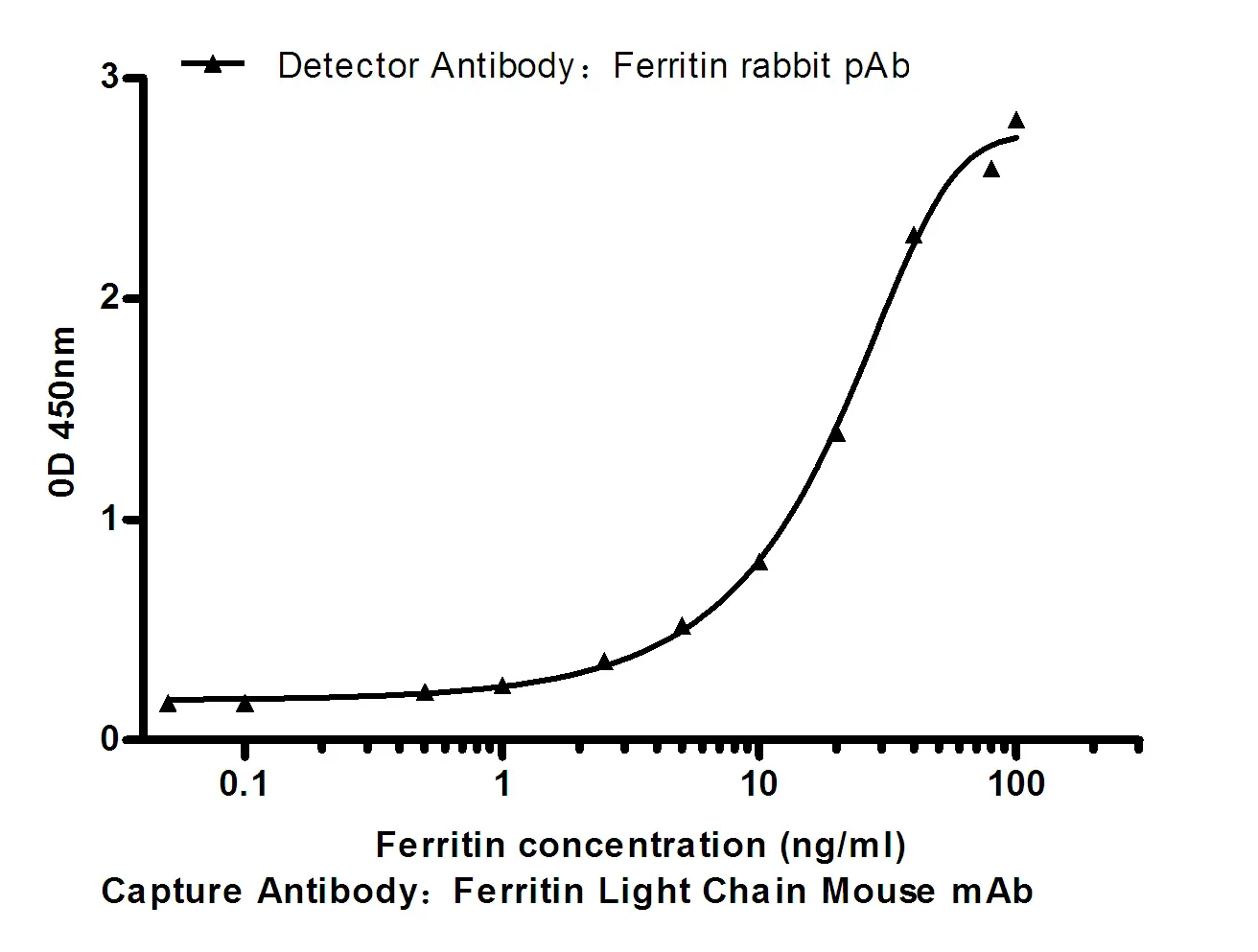
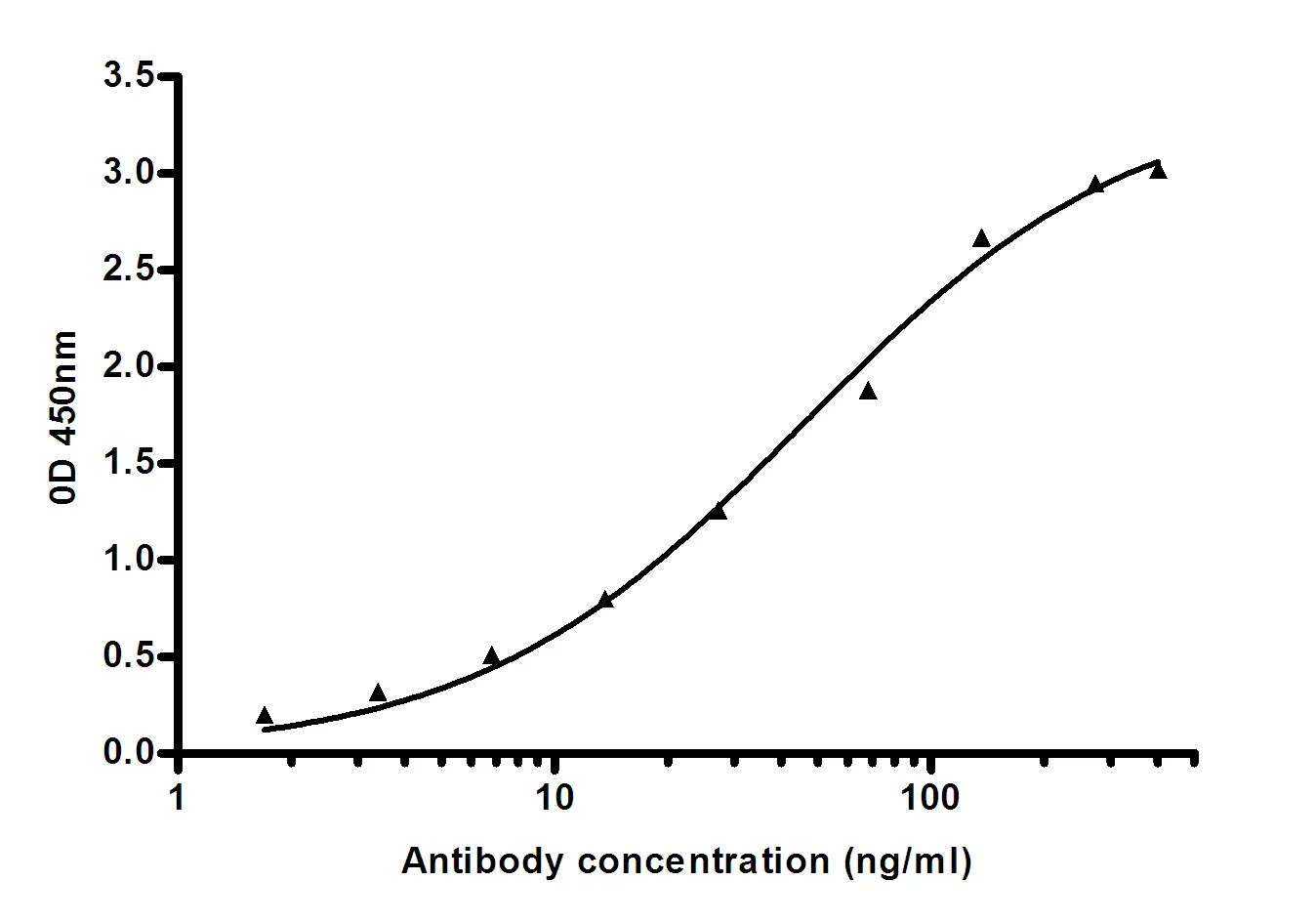
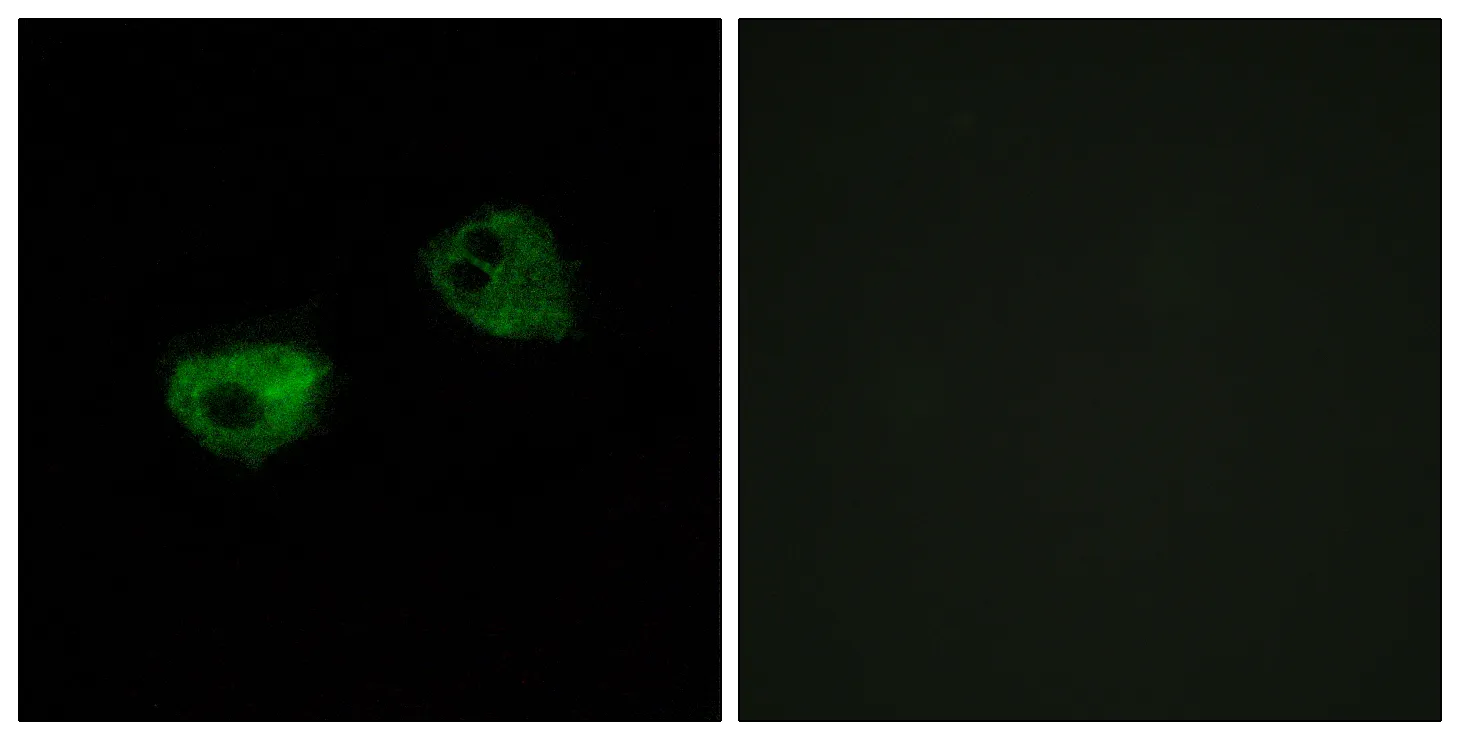
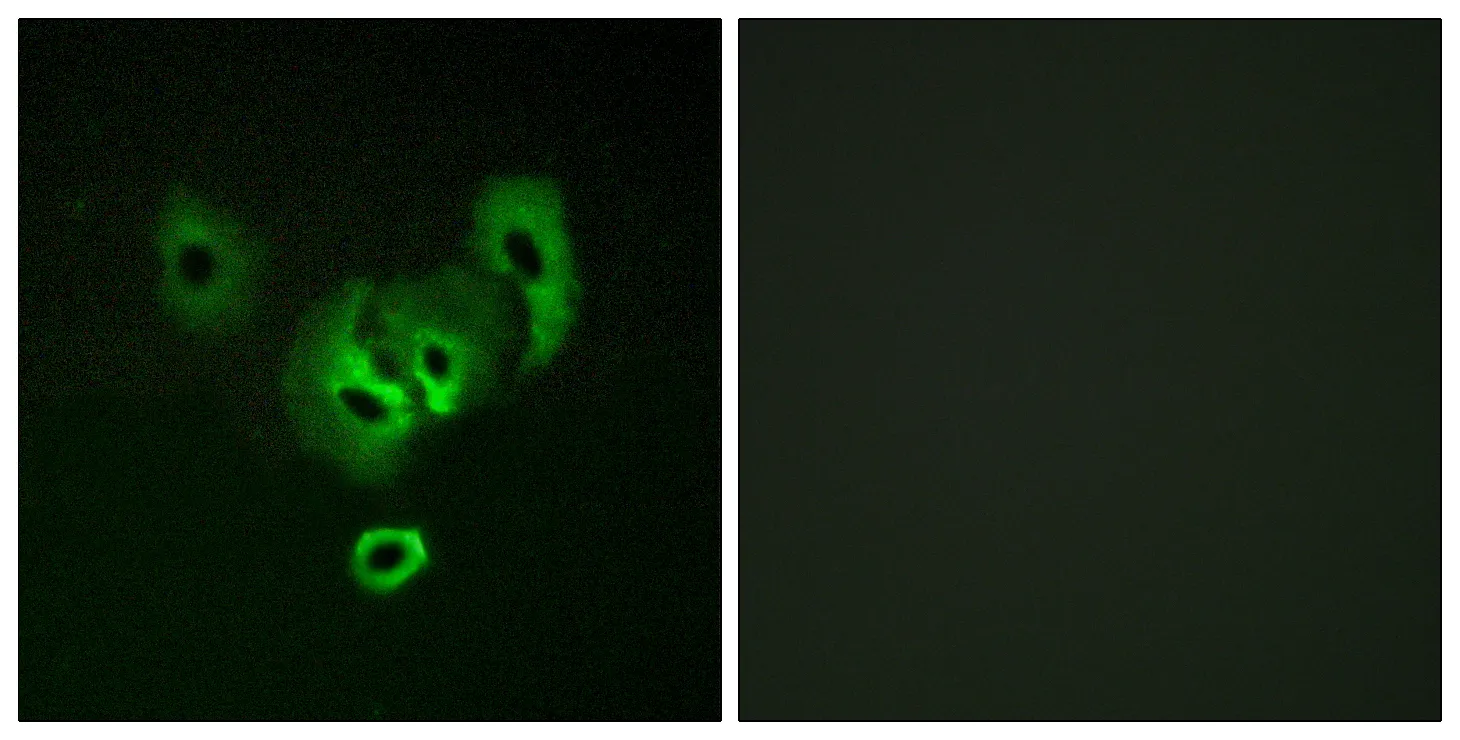
| アプリケーション | WB,ICC/IF,ELISA |
| 希釈倍率 | WB 1:500-1:2000,ICC/IF 1:200-1:1000,ELISA 1:5000-1:10000 |
| 分子量 | 45kDa |
研究分野
| Neuroactive ligand-receptor interaction; |
背景
| ヒスタミンは、肥満細胞、腸管クロム親和性細胞様細胞、およびニューロンから放出される普遍的なメッセンジャー分子です。その様々な作用は、Gタンパク質共役受容体スーパーファミリーのサブセットであるヒスタミン受容体ファミリーによって媒介されます。この遺伝子は、主に造血細胞で発現するヒスタミン受容体をコードしています。このタンパク質は、炎症およびアレルギー反応に関与していると考えられています。この遺伝子には、異なるアイソフォームをコードする複数の転写産物バリアントが見つかっています。[RefSeq提供、2009年5月],機能:ヒスタミン受容体のH4サブクラスは、末梢組織におけるヒスタミンシグナルを媒介する可能性があります。有意なレベルの構成的活性(アゴニスト不在下での自発的活性)を示す。,誘導:リンパ組織の活性化により発現がアップレギュレーションまたはダウンレギュレーションされ、この制御はIL-10またはIL-13の存在に依存する可能性がある。,その他:ジフェンヒドラミン、ロラタジン、ラニチジン、シメチジンおよびクロルフェニラミンには結合しない。ジマプリット、インプロミジン、クロベンプロピット、チオペラミド、ブリマミド、クロザピン、イメピップおよびイメチットには中程度の親和性を示す。阻害活性の順序は、イメチット > クロベンプロピット > ブリマミド > チオペラミドであった。クロベンプロピットは部分アゴニストとして作用し、ジマプリットおよびインプロミジンはいくらかのアゴニスト活性を示すが、クロザピンは完全アゴニストとして作用する。チオペラミドは逆アゴニスト作用(cAMP活性を増強する)を示す。ヒスタミン誘導体の阻害活性の順序は、ヒスタミン > N-α-メチルヒスタミン > R(-)-α-メチルヒスタミン > S(+)-α-メチルヒスタミンであった。N-α-メチルヒスタミン > R(-)-α-メチルヒスタミンはいずれも完全アゴニストとして作用する。,類似性:Gタンパク質共役受容体1ファミリーに属する。,組織特異性:主に骨髄と好酸球に発現する。T細胞、樹状細胞、単球、肥満細胞、好中球など、免疫学的に重要な細胞に優先的に分布する。また、心臓、腎臓、肝臓、肺、膵臓、骨格筋、前立腺、小腸、脾臓、精巣、結腸、胎児肝臓、リンパ節など、多様な末梢組織にも発現する。, |