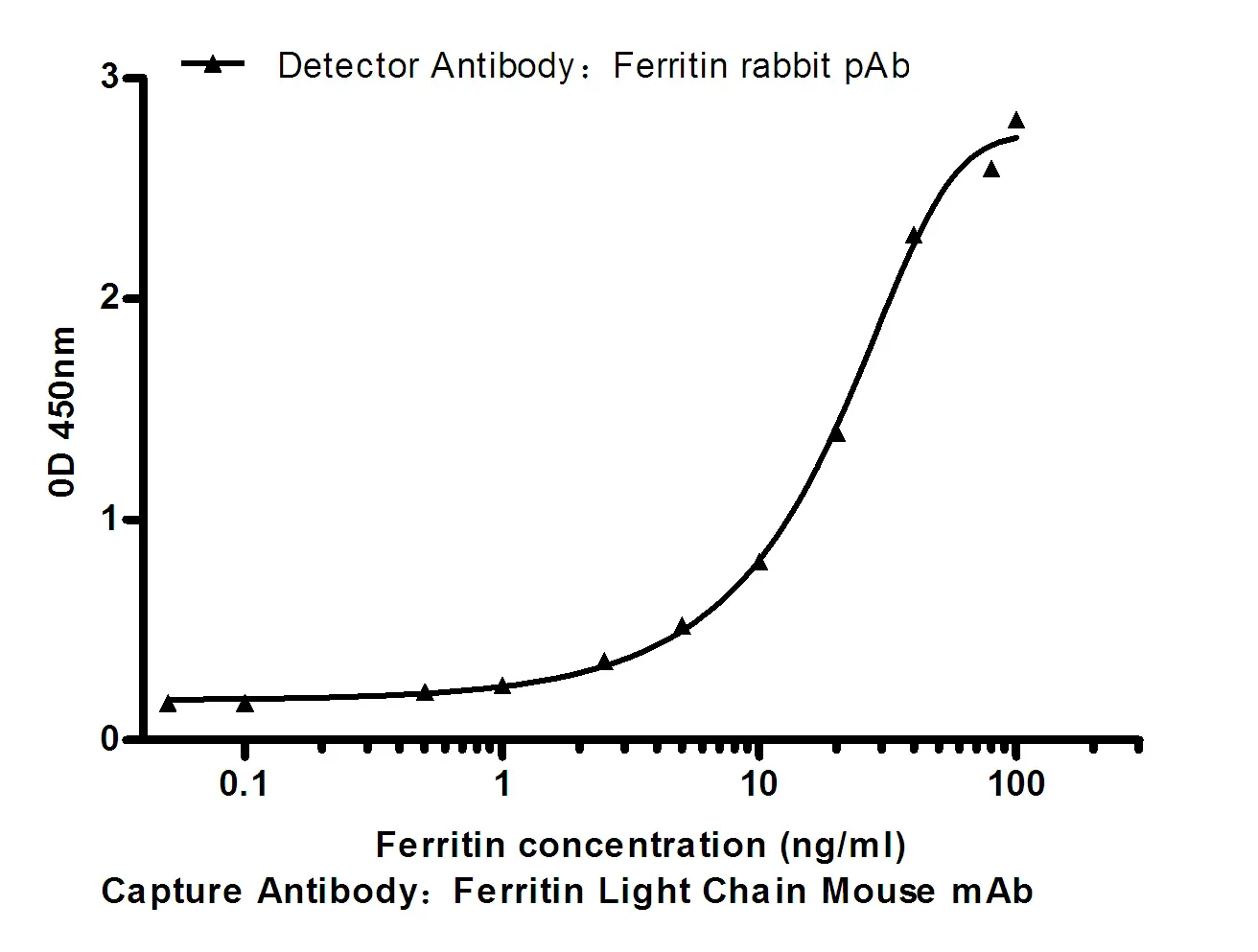
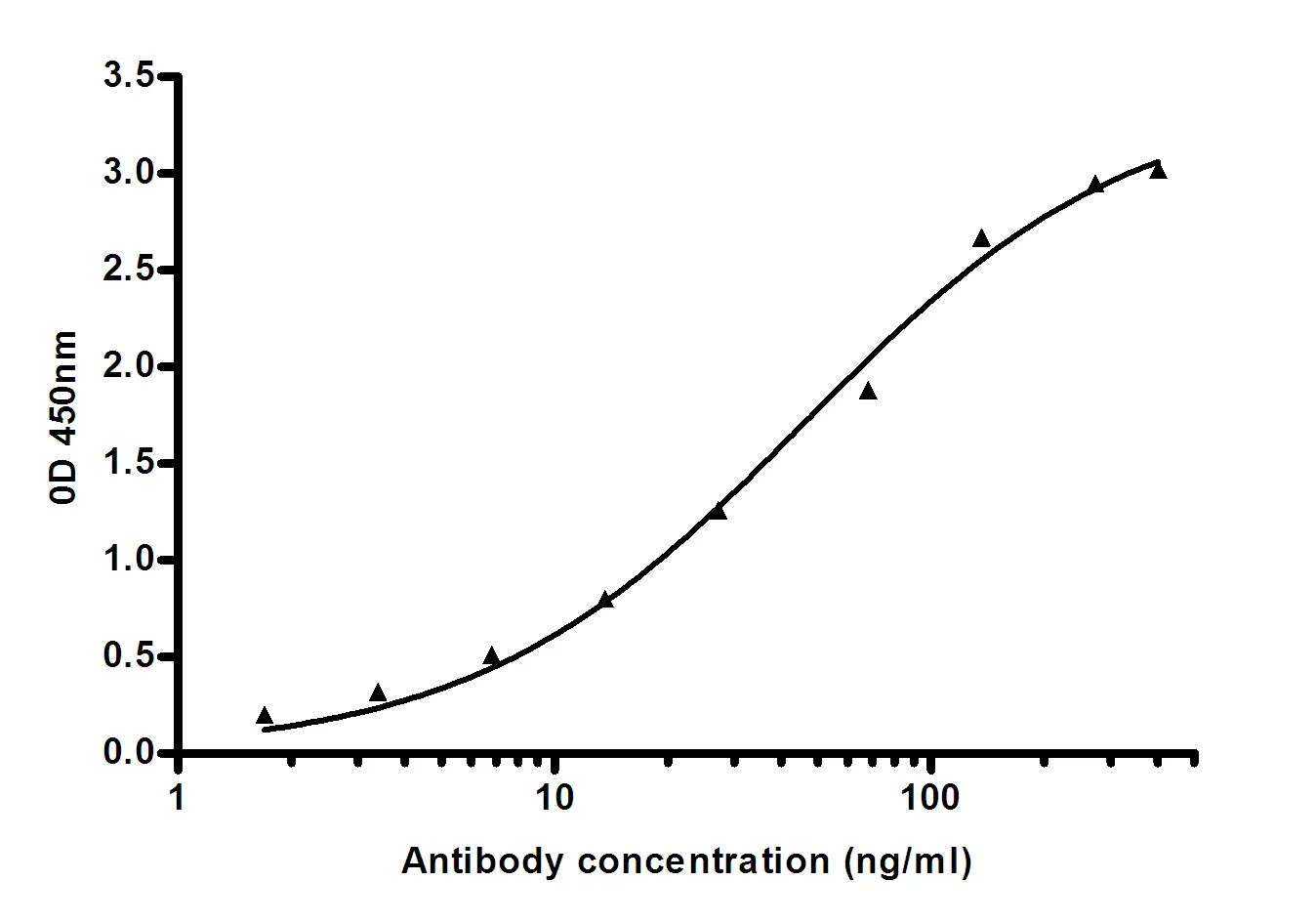
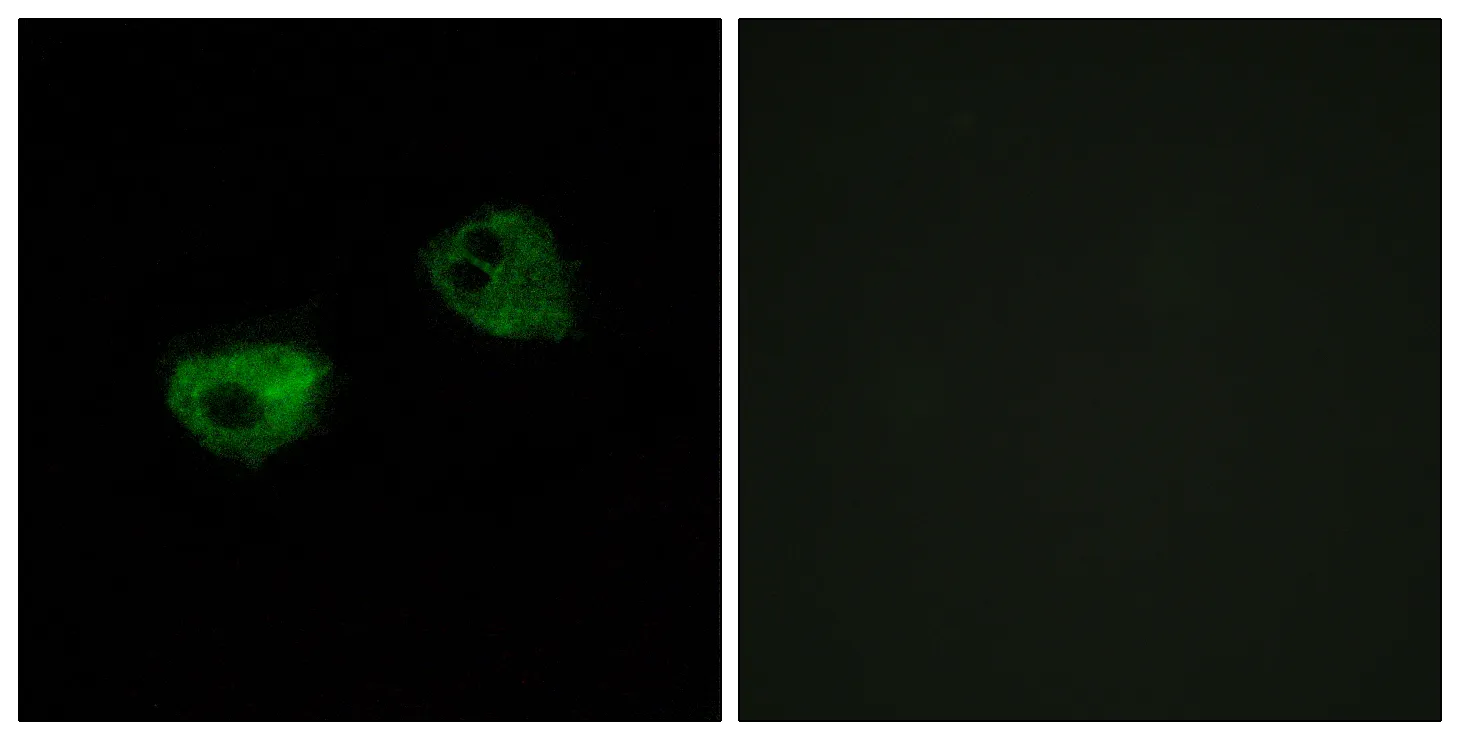
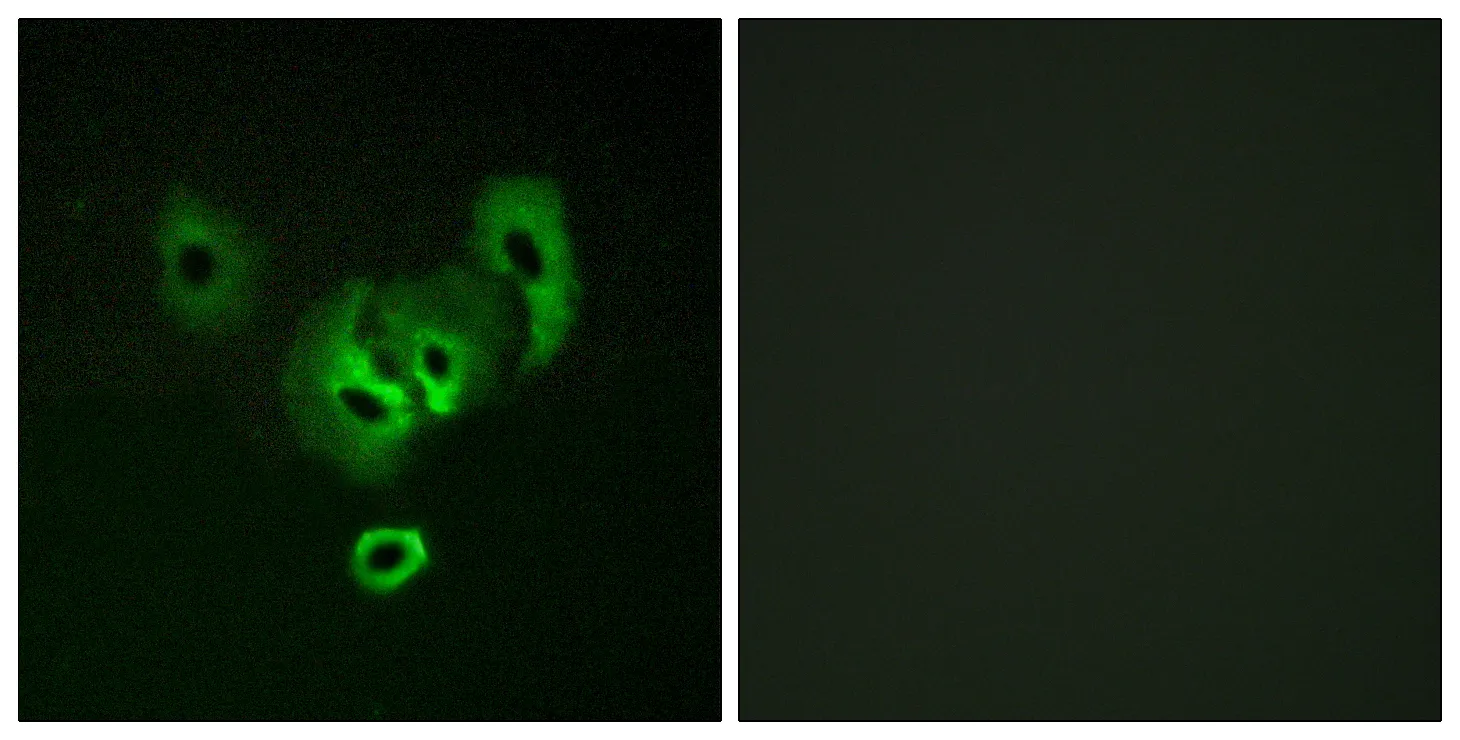
Hic-5ウサギポリクローナル抗体
コンジュゲーション: 非共役
ウサギポリクローナル抗体
アプリケーション
反応性
ヒト、マウス、ラット
遺伝子名
TGFB1I1
保存
小分けして-20℃で保存してください(12ヶ月間有効)。凍結融解サイクルは避けてください。
要約
| 製品名 | Hic-5ウサギポリクローナル抗体 |
| 説明 | ウサギポリクローナル抗体 |
| 宿主 | うさぎ |
| 反応性 | ヒト、マウス、ラット |
| コンジュゲーション | 非共役 |
| 修飾 | 未修正 |
| アイソタイプ | IgG |
| クローン性 | ポリクローナル |
| 形態 | 液体 |
| 濃度 | 非共役 |
| 保存 | 小分けして-20℃で保存してください(12ヶ月間有効)。凍結融解サイクルは避けてください。 |
| 配送 | 氷嚢。 |
| バッファー | 50% グリセロール、0.5% 保護タンパク質、0.02% 新タイプ防腐剤 N を含む PBS 液。 |
| 精製 | アフィニティー精製 |
抗原情報
| 遺伝子名 | TGFB1I1 |
| 別名 | TGFB1I1; ARA55; Transforming growth factor beta-1-induced transcript 1 protein; Androgen receptor coactivator 55 kDa protein; Androgen receptor-associated protein of 55 kDa; Hydrogen peroxide-inducible clone 5 protein; Hic-5 |
| 遺伝子ID | 7041 |
| SwissProt ID | O43294 |
| 免疫原 | 抗血清はヒトHic-5由来の合成ペプチドに対して作製された。アミノ酸範囲:31-80 |
アプリケーション
| アプリケーション | WB,IHC,ICC/IF,ELISA |
| 希釈倍率 | WB 1:500-1:2000,IHC 1:100-1:300,ICC/IF 1:200-1:1000,ELISA 1:5000-1:20000 |
| 分子量 | - |
研究分野
背景
| 形質転換成長因子ベータ1誘導転写産物1(TGFB1I1)ホモサピエンスこの遺伝子は、アンドロゲンによって活性化され、男性の性分化において重要な役割を果たす転写因子であるアンドロゲン受容体のコアクチベーターをコードしています。コードされているタンパク質はアンドロゲン受容体の活性を制御していると考えられており、前立腺がんの治療において役割を果たす可能性があります。この遺伝子には、異なるアイソフォームをコードする複数の転写バリアントが見つかっています。[RefSeq提供、2009年9月],ドメイン:LD(ロイシンおよびアスパラギン酸に富む)モチーフ3は、GIT1との相互作用を媒介し、核外輸送シグナルとして機能します。,ドメイン:LIM亜鉛結合ドメインは、グルココルチコイド受容体の共活性化およびAR、CRIP2、ILK、LIMS1、NR3C1、PPARG、TCF3、TCF7L2、SLC6A3、およびSMAD3との相互作用を媒介します。 LIM亜鉛結合2ドメインとLIM亜鉛結合3ドメインは、接着斑とアクチンストレスファイバーへのターゲティングを媒介します。LIM亜鉛結合3ドメインとLIM亜鉛結合4ドメインは、TRAF4およびMAPK15との相互作用を媒介します。LIM亜鉛結合4ドメインは、HSPB1との相互作用、ホモオリゴマー化、および核マトリックスへのターゲティングを媒介します。LIM亜鉛結合3ドメインはPTPN12との相互作用を媒介します。機能:接着斑複合体および核内で複数のタンパク質間相互作用を調整する分子アダプターとして機能します。さまざまな細胞内シグナル伝達モジュールを細胞膜受容体に結び付け、WntおよびTGFBシグナル伝達経路を制御します。また、SLC6A3およびSLC6A4の細胞膜へのターゲティングを制御し、それらの活性を制御している可能性があります。核内では、グルココルチコイド、アンドロゲン、ミネラルコルチコイド、およびプロゲステロン受容体の転写活性を制御する核内受容体コアクチベーターとして機能する。細胞の成長、増殖、遊走、分化、および老化のプロセスにおいて役割を果たす可能性がある。亜鉛依存性DNA結合活性を有する可能性がある。,誘導:TNF-αおよび過酸化水素によってアップレギュレーションされる。,PTM:ゴナドトロピン放出ホルモン活性化SRCによってリン酸化される。,類似性:パキシリンファミリーに属する。,類似性:4つのLIM亜鉛結合ドメインを含む。,細胞内局在:アクチン細胞骨格に関連し、ストレスファイバーと共局在する。,サブユニット:ホモオリゴマー。 CRIP2、HSPB1、ILK、LIMS1、LIMS2、NCK2、NUDT16L1、PAK、PPARG、PTPN12、TCF3、TCF7L2、VCLと相互作用します。GIT1およびARHGEF7と複合体を形成します(相同性による)。リガンド依存的にAR/アンドロゲン受容体と相互作用します。CSK、LYN、MAPK15、NR3C1、PPARG、PTK2、PTK2B、SLC6A3、SLC6A4、SMAD3、SRC、タリンと相互作用します。,組織特異性:血小板、平滑筋、前立腺間質細胞に発現します(タンパク質レベル)。, |