

HIRA (phospho Thr555) Rabbit Polyclonal Antibody

HIRA (phospho Thr555) Rabbit Polyclonal Antibody

Cat: APRab04771
Boyut:20μL Fiyat:$99_x000D_
Boyut:50μL Fiyat:$118_x000D_
Boyut:100μL Fiyat:$220_x000D_
Boyut:200μL Fiyat:$380_x000D_
Uygulama:WB,IHC,ICC/IF,ELISA
Reaktivite:Human,Mouse
Konjuge:Unconjugated
İsteğe bağlı konjugeler: Biotin, FITC (ücretsiz). Diğer 26 konjugatı görün.

Gen Adı:HIRA
Category: ポリクローナル抗体 Tags: , , , , , , , ,
HIRA (phospho Thr555) Rabbit Polyclonal Antibody
Konjugasyon: Unconjugated
Rabbit polyclonal Antibody
Uygulama
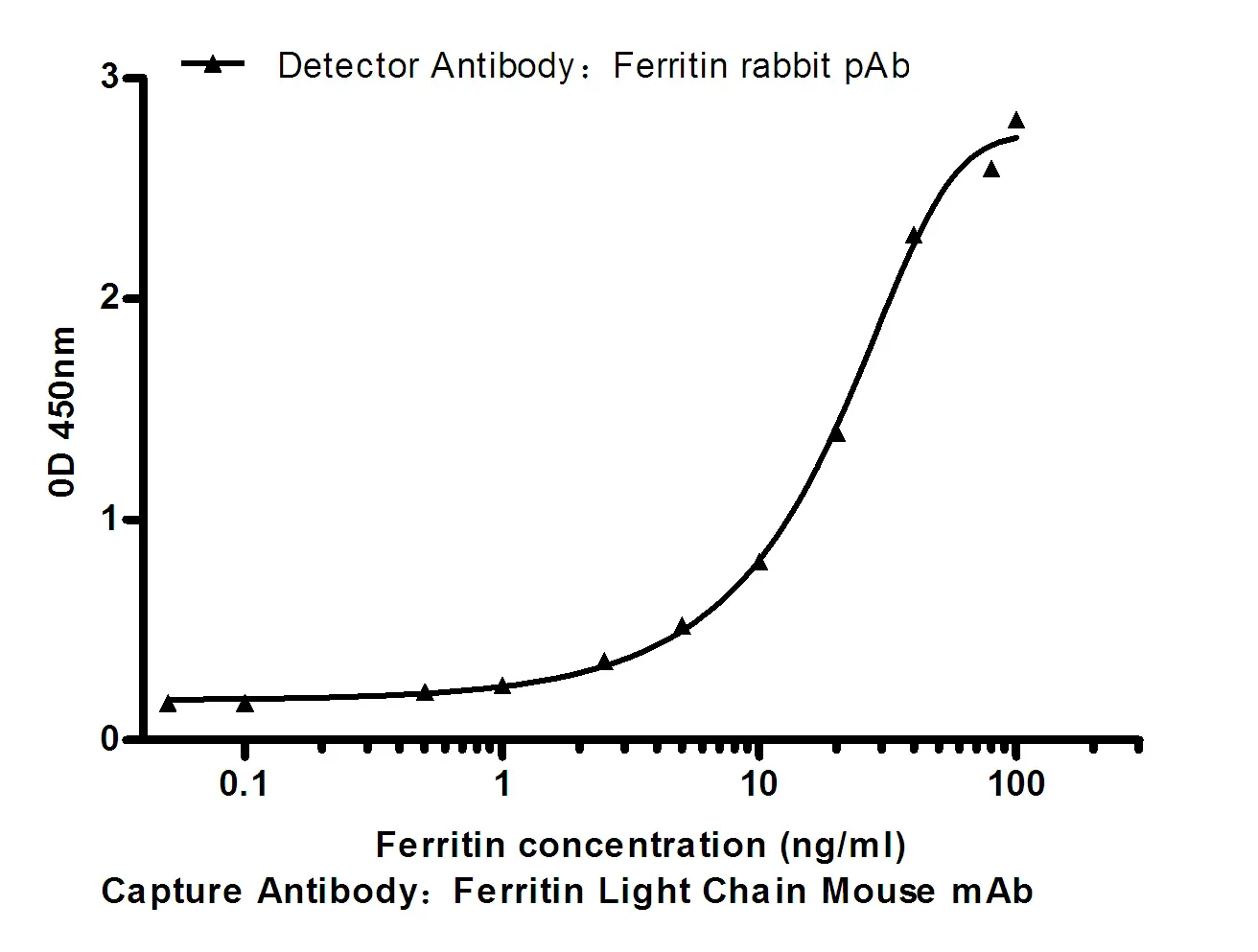
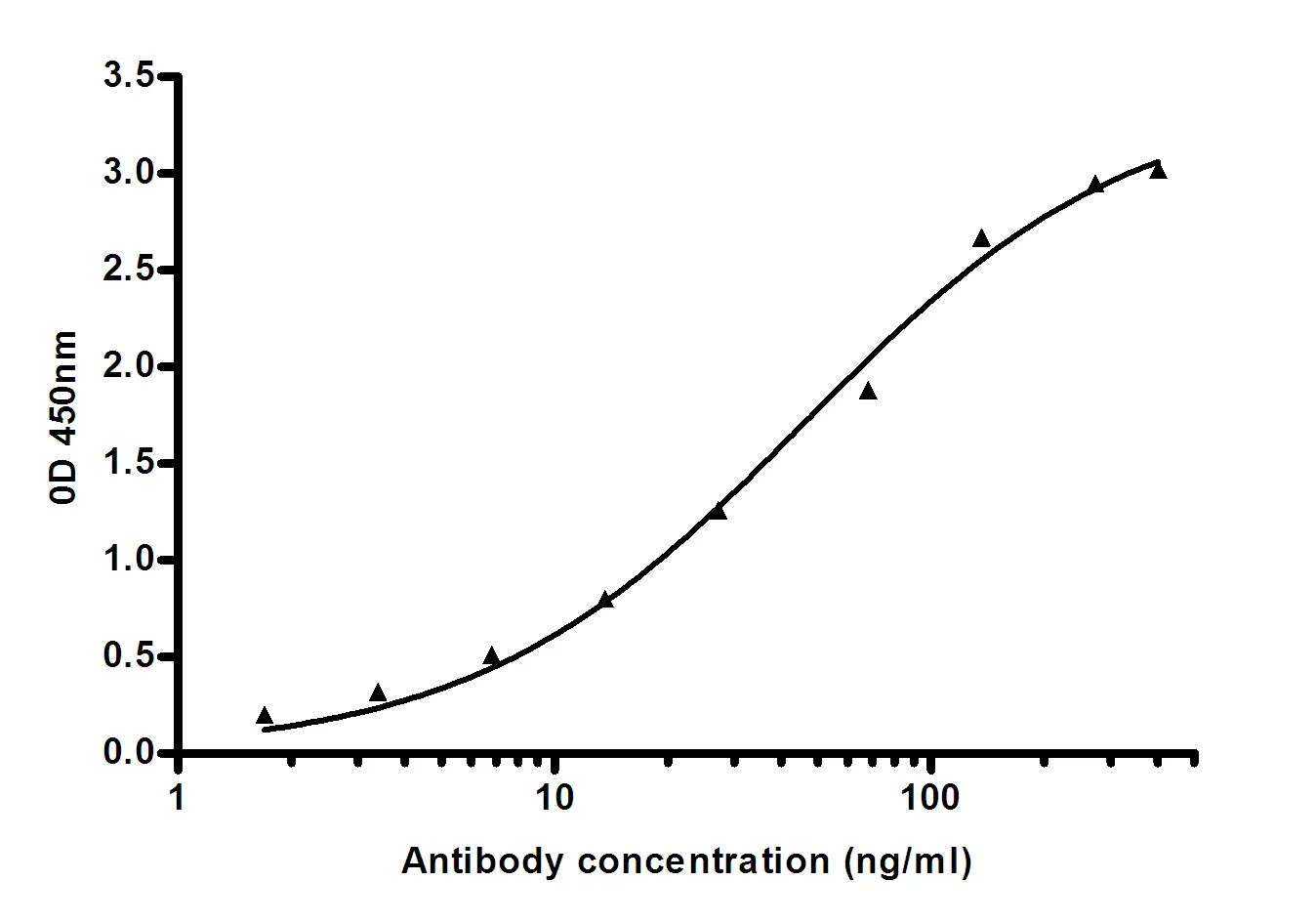
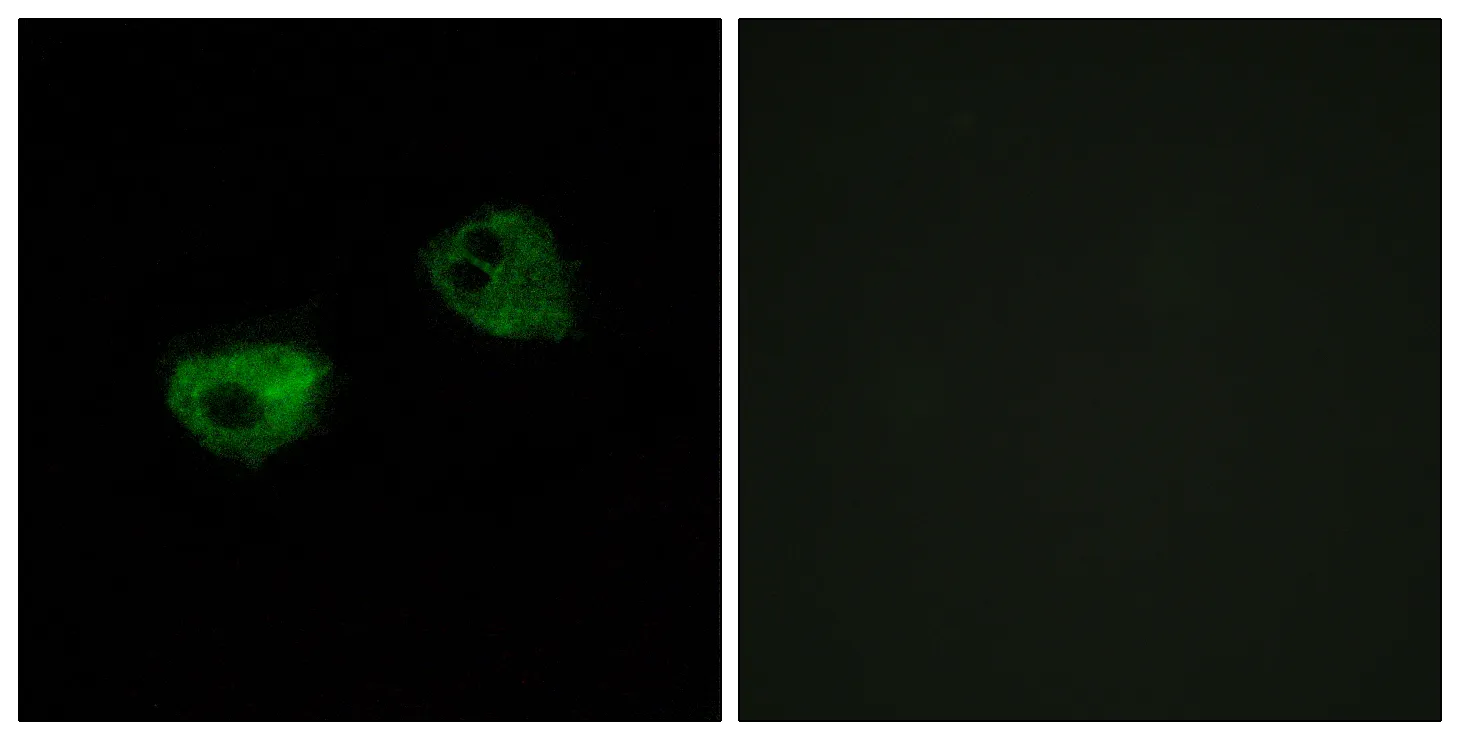
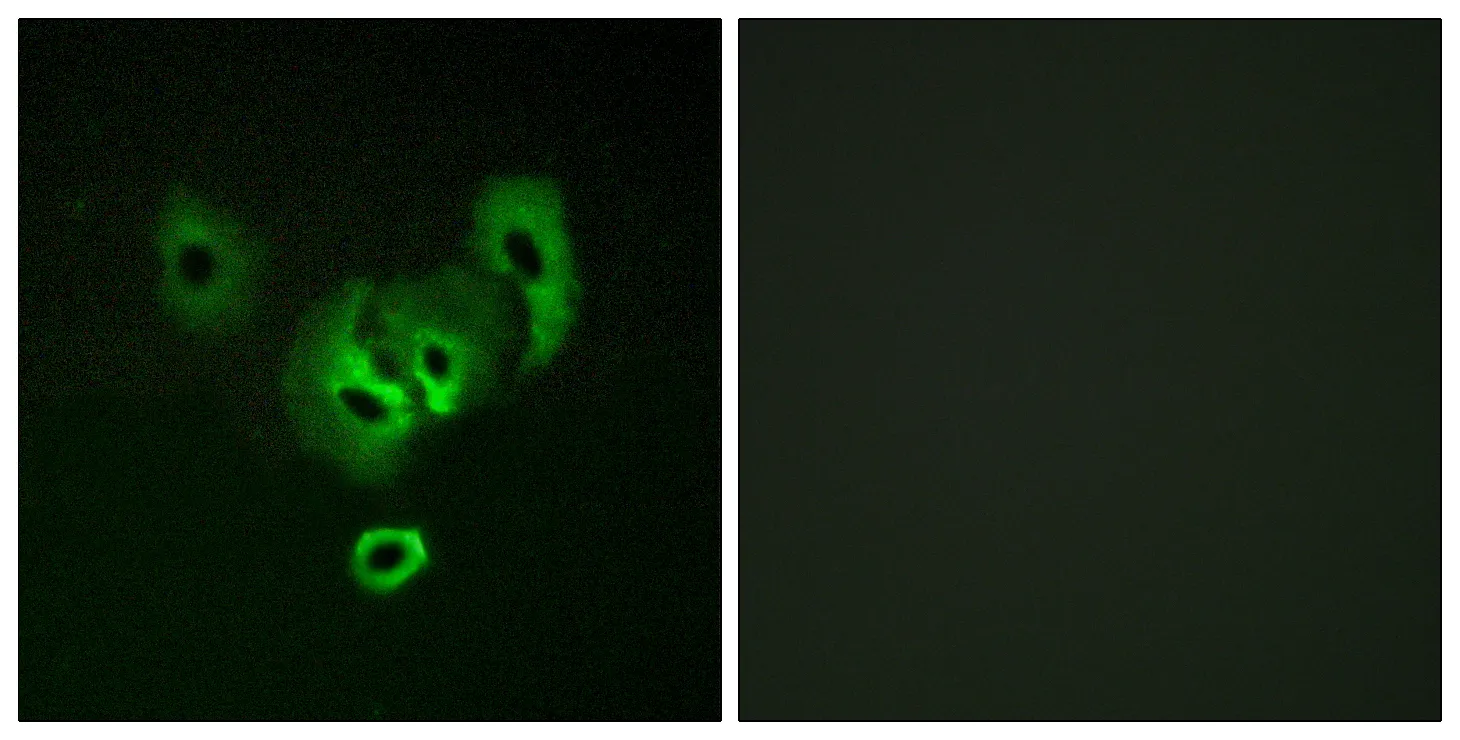
IHC  ICC/IF  ELISA WB,IHC,ICC/IF,ELISA
Reaktivite
Human,Mouse
Gen Adı
HIRA
Saklama
Aliquot and store at -20°C (valid for 12 months). Avoid freeze/thaw cycles.
Özet
Ürün Adı HIRA (phospho Thr555) Rabbit Polyclonal Antibody
Açıklama Rabbit polyclonal Antibody
Konak Rabbit
Reaktivite Human,Mouse
Konjugasyon Unconjugated
Modifikasyon Phosphorylated
İzotip IgG
Klonalite Polyclonal
Form Liquid
Konsantrasyon Unconjugated
Saklama Aliquot and store at -20°C (valid for 12 months). Avoid freeze/thaw cycles.
Nakliye Ice bags.
Tampon Liquid in PBS containing 50% glycerol, 0.5% protective protein and 0.02% New type preservative N.
Saflaştırma Affinity purification
Antijen Bilgisi
Gen Adı HIRA
Alternatif İsimler HIRA; DGCR1; HIR; TUPLE1; Protein HIRA; TUP1-like enhancer of split protein 1
Gen Kimliği 7290
SwissProt Kimliği P54198
İmmünojen The antiserum was produced against synthesized peptide derived from human HIRA around the phosphorylation site of Thr555. AA range:521-570
Uygulama
Uygulama WB,IHC,ICC/IF,ELISA
Seyreltme Oranı WB 1:500-1:2000,IHC 1:100-1:300,ICC/IF 1:200-1:1000,ELISA 1:5000-1:20000
Moleküler Ağırlık -
Araştırma Alanı
Arka Plan
This gene encodes a histone chaperone that preferentially places the variant histone H3.3 in nucleosomes. Orthologs of this gene in yeast, flies, and plants are necessary for the formation of transcriptionally silent heterochomatin. This gene plays an important role in the formation of the senescence-associated heterochromatin foci. These foci likely mediate the irreversible cell cycle changes that occur in senescent cells. It is considered the primary candidate gene in some haploinsufficiency syndromes such as DiGeorge syndrome, and insufficient production of the gene may disrupt normal embryonic development. [provided by RefSeq, Jul 2008],developmental stage:Expressed during embryogenesis.,disease:May play a part in the etiology of the DiGeorge syndrome (DGS), a developmental disorder due to an abnormal development of the third and fourth pharyngeal pouches. The clinical features include absence or hypoplasia of the thymus and parathyroid glands, cardiovascular malformations, facial dysplasia, a cleft palate and mental retardation.,function:Cooperates with ASF1A to promote replication-independent chromatin assembly. Required for the periodic repression of histone gene transcription during the cell cycle. Required for the formation of senescence-associated heterochromatin foci (SAHF) and efficient senescence-associated cell cycle exit.,PTM:Phosphorylated by CDK2/CCNA1 and CDK2/CCNE1 on Thr-555 in vitro. Also phosphorylated on Thr-555 and Ser-687 in vivo.,PTM:Sumoylated.,similarity:Belongs to the WD repeat HIR1 family.,similarity:Contains 8 WD repeats.,subcellular location:Primarily, though not exclusively, localized to the nucleus. Localizes to PML bodies immediately prior to onset of senescence.,subunit:Interacts with histone H3F3B, PAX3 and PAX7 (By similarity). Interacts with CCNA1, HIRIP3, NFU1/HIRIP5 and histone H2B. Part of a complex which includes ASF1A, CABIN1, histone H3.3, histone H4 and UBN1.,tissue specificity:Expressed at high levels in kidney, pancreas and skeletal muscle and at lower levels in brain, heart, liver, lung, and placenta.,
   💬 WhatsApp