

HEXIM1ウサギポリクローナル抗体
コンジュゲーション: 非共役
ウサギポリクローナル抗体
アプリケーション
反応性
ヒト、マウス、ラット
遺伝子名
HEXIM1
保存
小分けして-20℃で保存してください(12ヶ月間有効)。凍結融解サイクルは避けてください。
要約
| 製品名 | HEXIM1ウサギポリクローナル抗体 |
| 説明 | ウサギポリクローナル抗体 |
| 宿主 | うさぎ |
| 反応性 | ヒト、マウス、ラット |
| コンジュゲーション | 非共役 |
| 修飾 | 未修正 |
| アイソタイプ | IgG |
| クローン性 | ポリクローナル |
| 形態 | 液体 |
| 濃度 | 非共役 |
| 保存 | 小分けして-20℃で保存してください(12ヶ月間有効)。凍結融解サイクルは避けてください。 |
| 配送 | 氷嚢。 |
| バッファー | 50% グリセロール、0.5% 保護タンパク質、0.02% アジ化ナトリウムを含む PBS 液 (pH 7.3)。 |
| 精製 | アフィニティークロマトグラフィー |
抗原情報
| 遺伝子名 | HEXIM1 |
| 別名 | CLP1; EDG1; HIS1; MAQ1 |
| 遺伝子ID | 10614 |
| SwissProt ID | O94992 |
| 免疫原 | 抗血清はヒトHEXIM1由来の合成ペプチドに対して作製された。アミノ酸範囲:181-230 |
アプリケーション
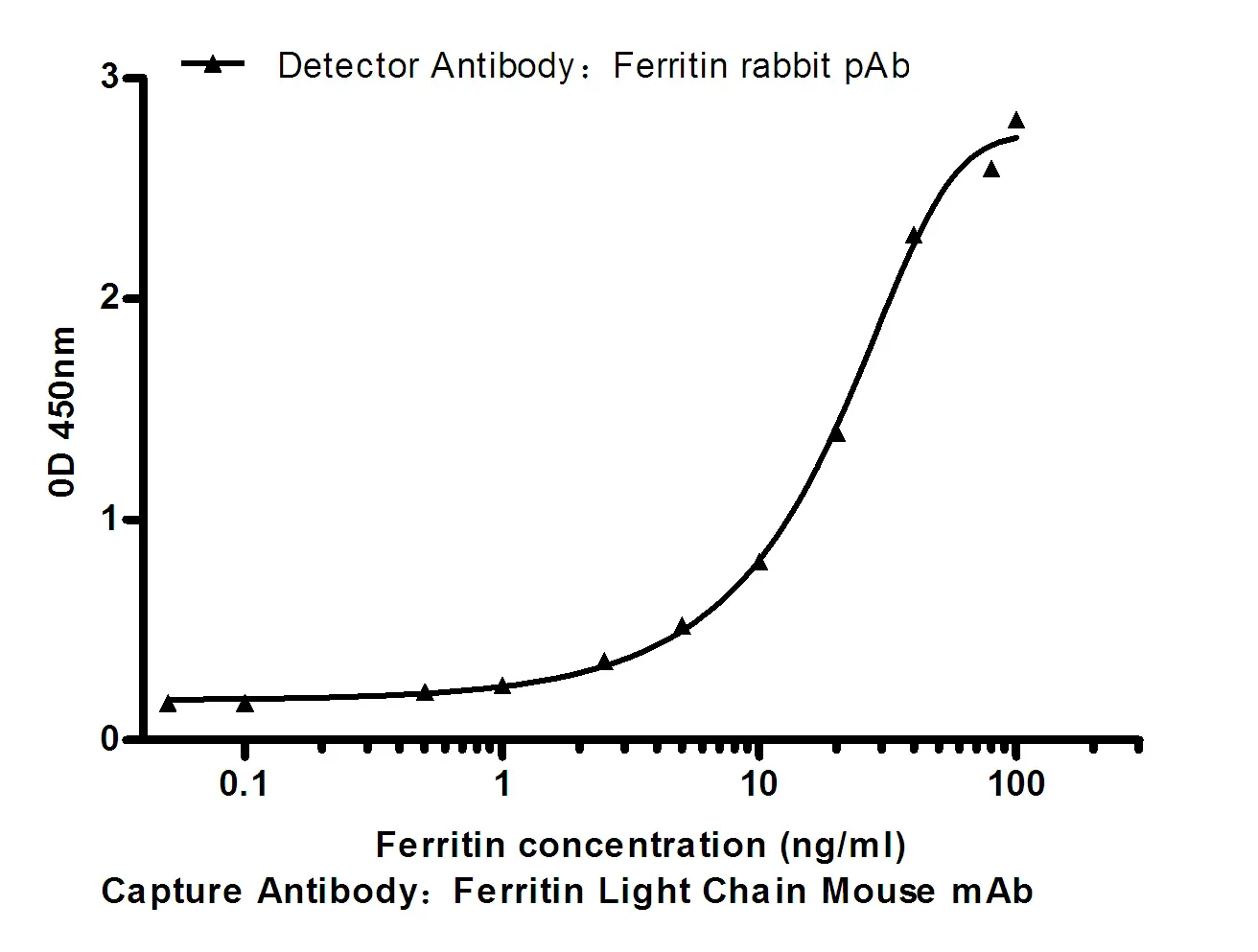
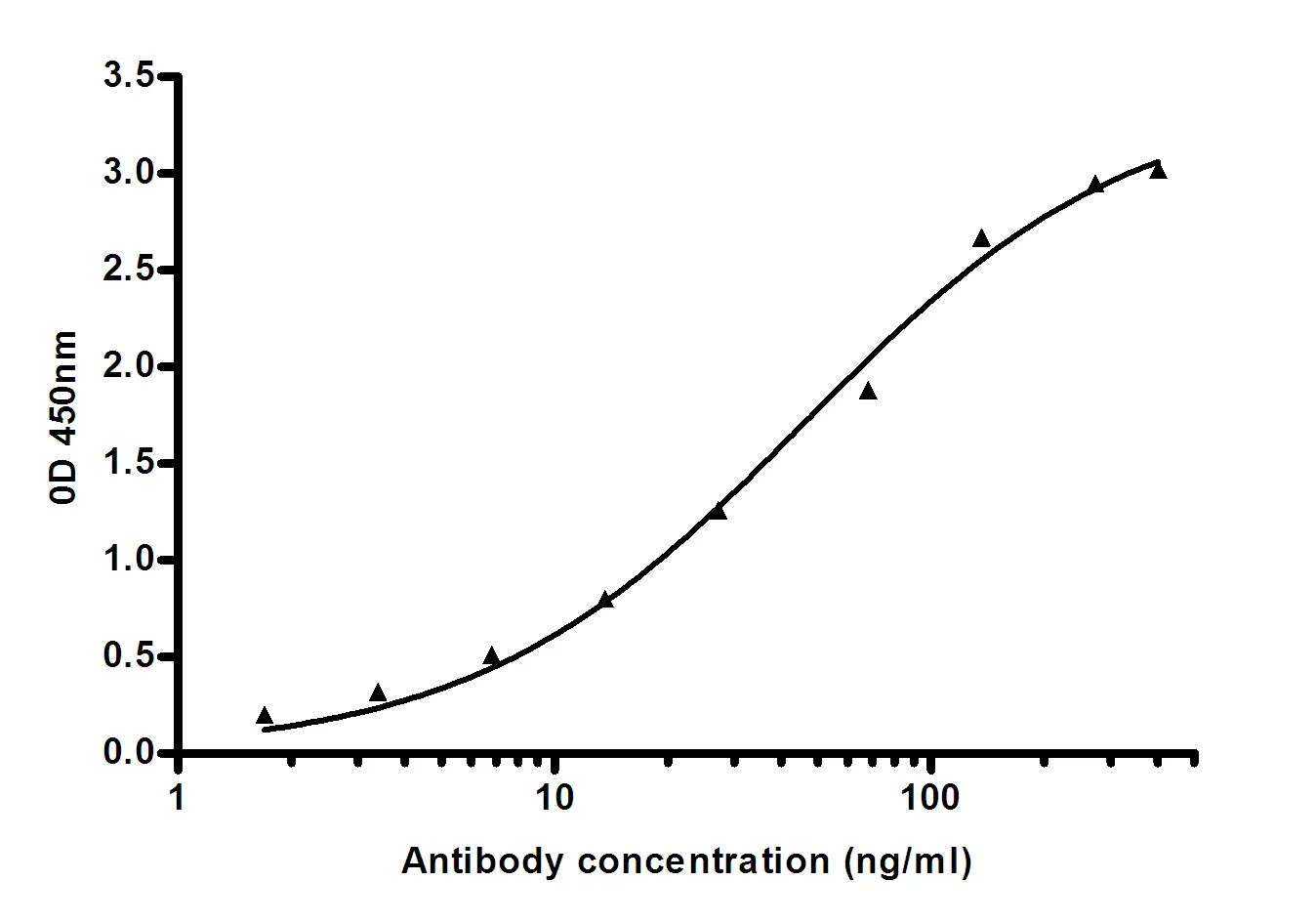
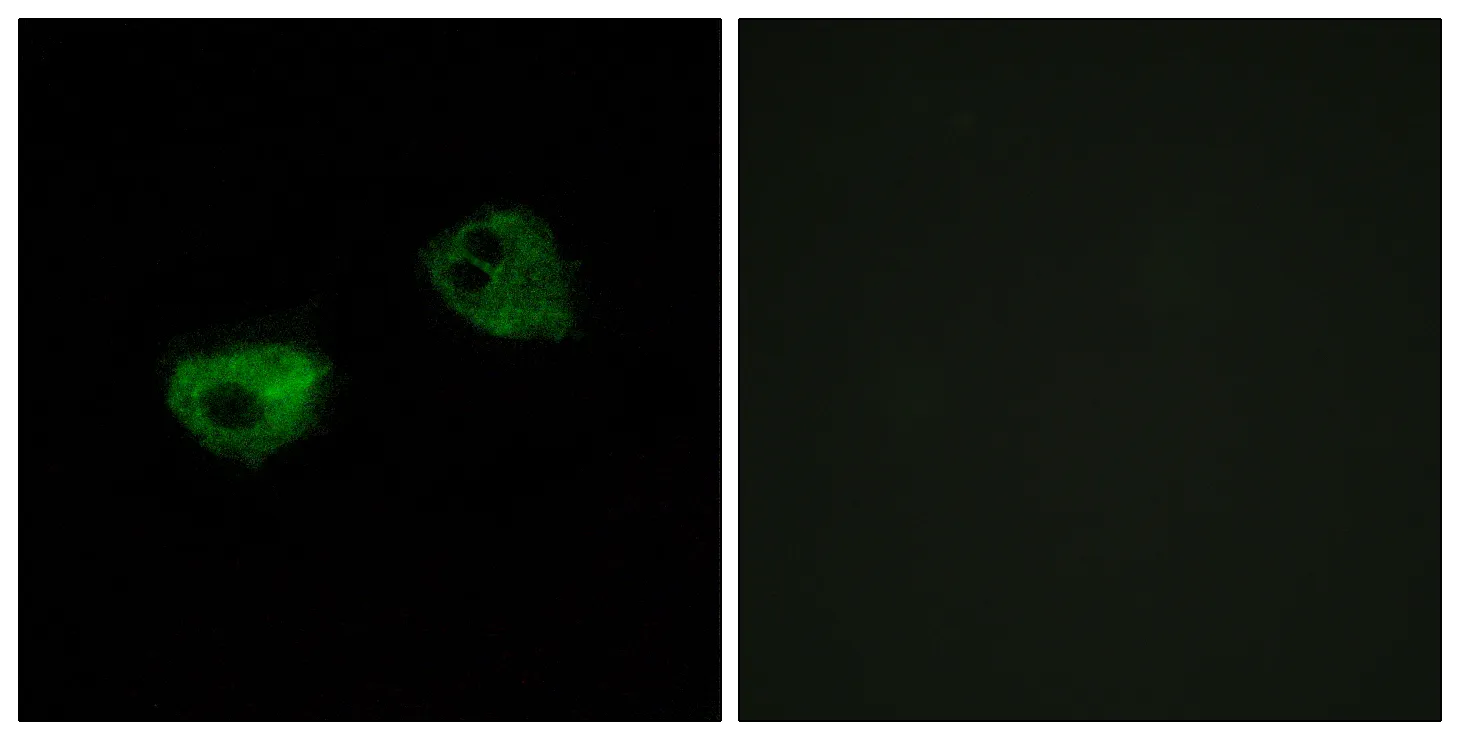
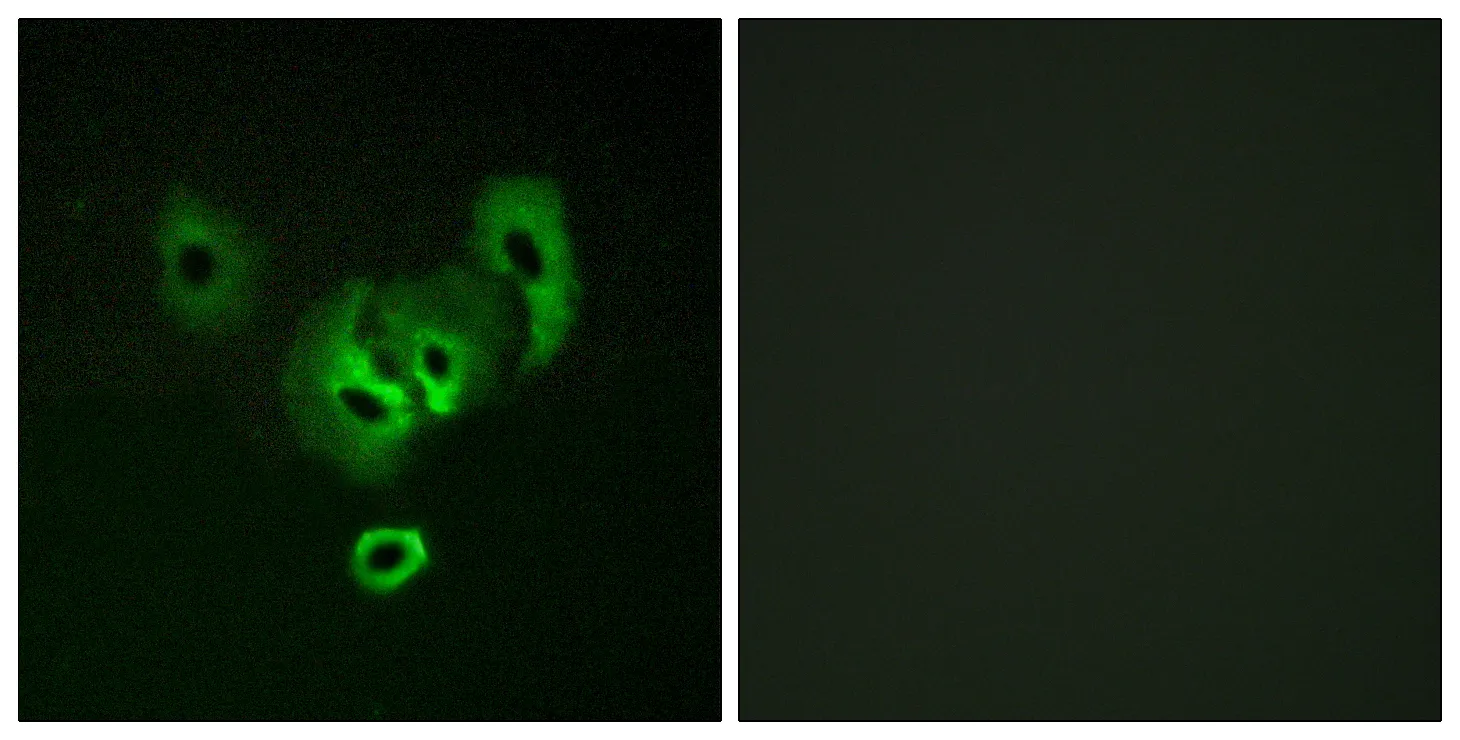
| アプリケーション | WB,IHC,ICC/IF,ELISA |
| 希釈倍率 | WB 1:500-1:1000,IHC 1:50-1:100,ICC/IF 1:50-1:200,ELISA 1:5000-1:20000 |
| 分子量 | Calculated MW: 41 kDa; Observed MW: 41 kDa |
研究分野
| Epigenetics and Nuclear Signaling |
背景
| RNAポリメラーゼII転写阻害因子として機能する転写調節因子(PubMed:14580347, PubMed:15713661, PubMed:15201869)。7SK snRNAと連携して、P-TEFbを巨大な不活性7SK snRNP複合体に隔離し、RNAポリメラーゼIIのリン酸化とそれに続く転写伸長を阻害する(PubMed:12832472, PubMed:14580347, PubMed:15713661, PubMed:15201869)。NF-κB、ESR1、NR3C1、およびCIITA依存性転写活性も制御する可能性がある(PubMed:15940264, PubMed:15941832, PubMed:17088550)。 IRF3 リン酸化とそれに続く cGAS-STING 経路による自然免疫応答の活性化のプラットフォームとして機能する複合体である HDP-RNP 複合体に組み立てられることにより、DNA ウイルス媒介自然免疫応答の調節に役割を果たします (PubMed:28712728)。 |