HDAC8ウサギポリクローナル抗体
コンジュゲーション: 非共役
ウサギポリクローナル抗体
アプリケーション
反応性
人間、マウス、ラット、サル
遺伝子名
HDAC8
保存
小分けして-20℃で保存してください(12ヶ月間有効)。凍結融解サイクルは避けてください。
要約
| 製品名 | HDAC8ウサギポリクローナル抗体 |
| 説明 | ウサギポリクローナル抗体 |
| 宿主 | うさぎ |
| 反応性 | 人間、マウス、ラット、サル |
| コンジュゲーション | 非共役 |
| 修飾 | 未修正 |
| アイソタイプ | IgG |
| クローン性 | ポリクローナル |
| 形態 | 液体 |
| 濃度 | 非共役 |
| 保存 | 小分けして-20℃で保存してください(12ヶ月間有効)。凍結融解サイクルは避けてください。 |
| 配送 | 氷嚢。 |
| バッファー | 50% グリセロール、0.5% 保護タンパク質、0.02% 新タイプ防腐剤 N を含む PBS 液。 |
| 精製 | アフィニティー精製 |
抗原情報
| 遺伝子名 | HDAC8 |
| 別名 | HDAC8; HDACL1; CDA07; Histone deacetylase 8; HD8 |
| 遺伝子ID | 55869 |
| SwissProt ID | Q9BY41 |
| 免疫原 | 抗血清はヒトHDAC8由来の合成ペプチドに対して作製された。アミノ酸範囲:5-54 |
アプリケーション
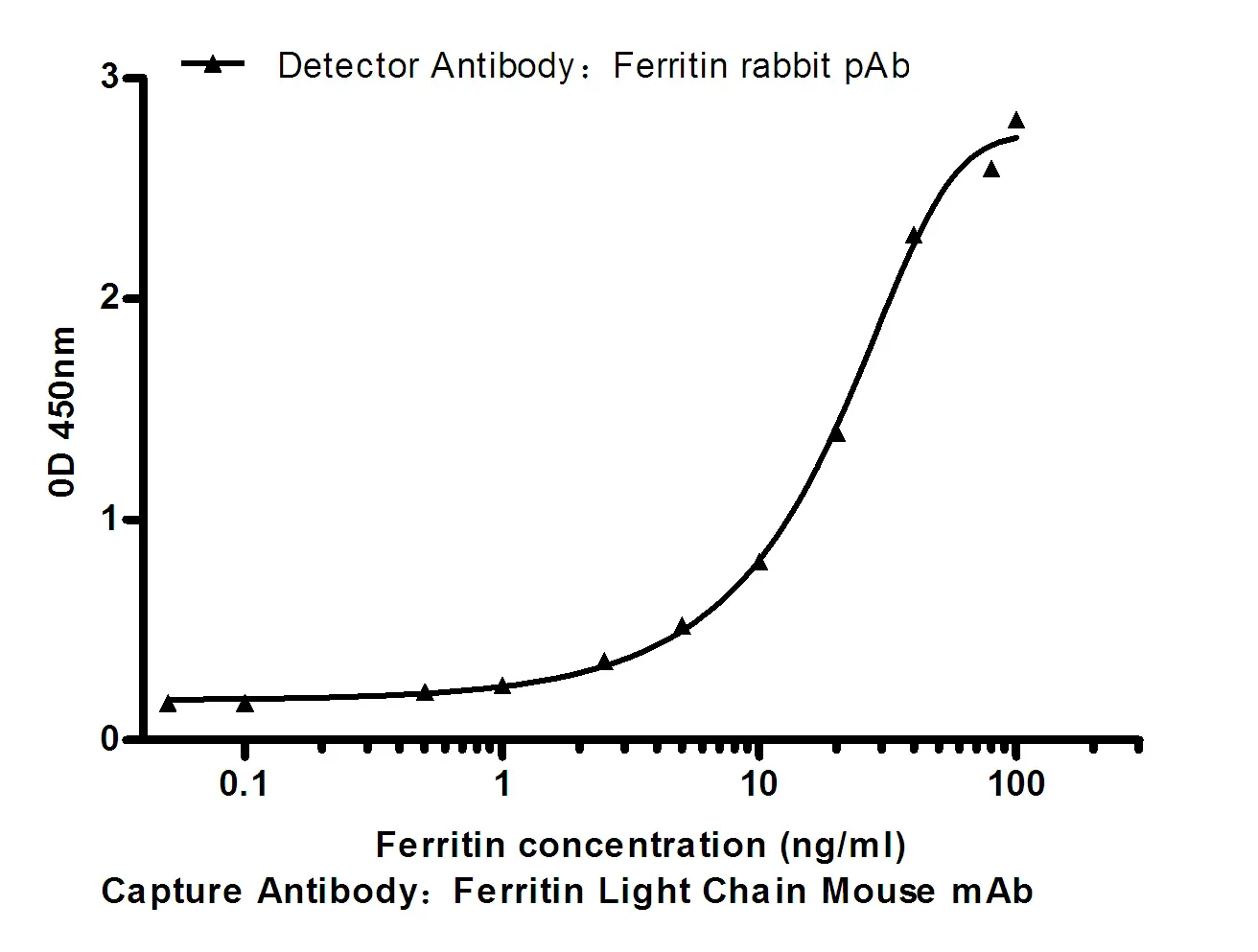
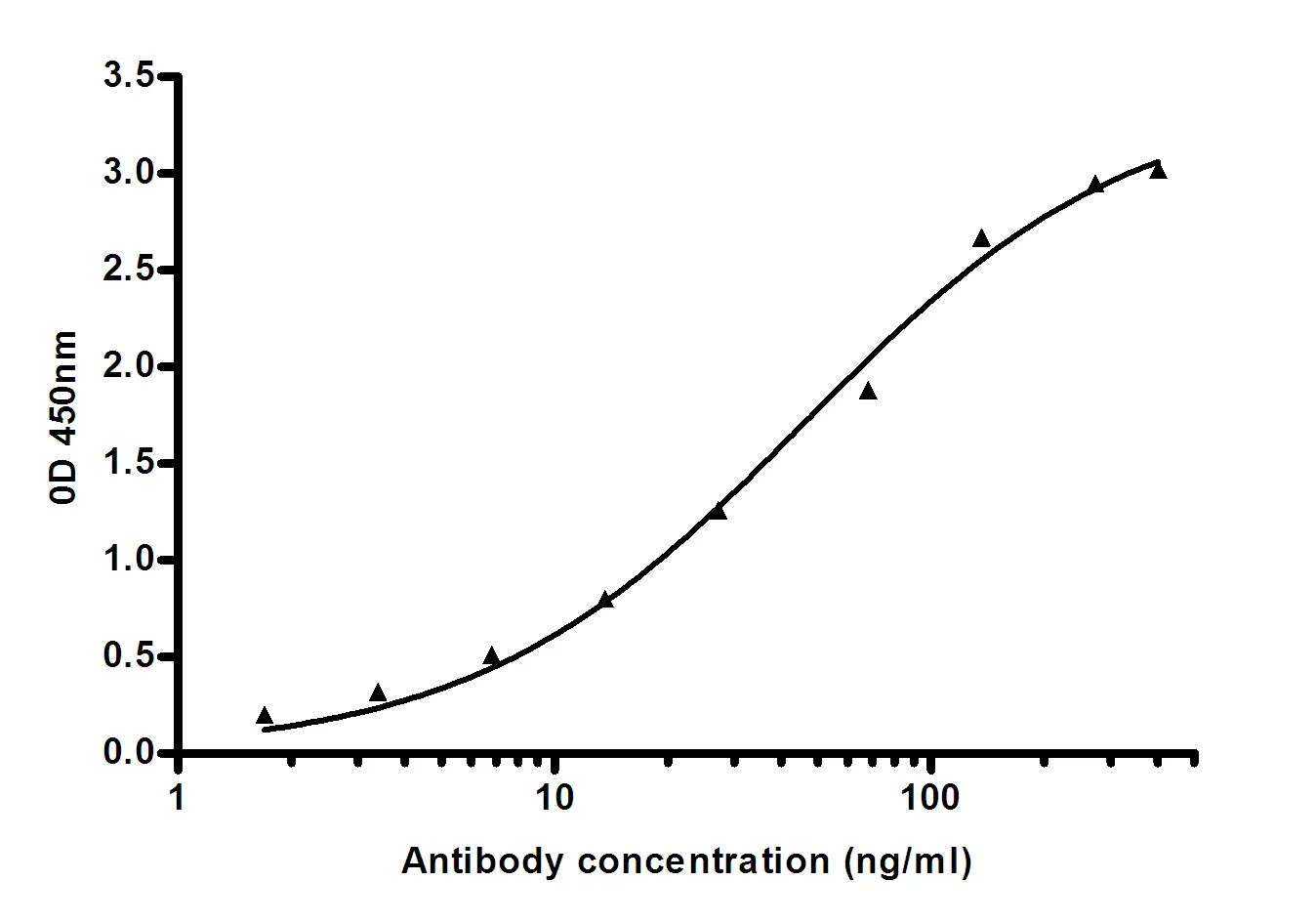
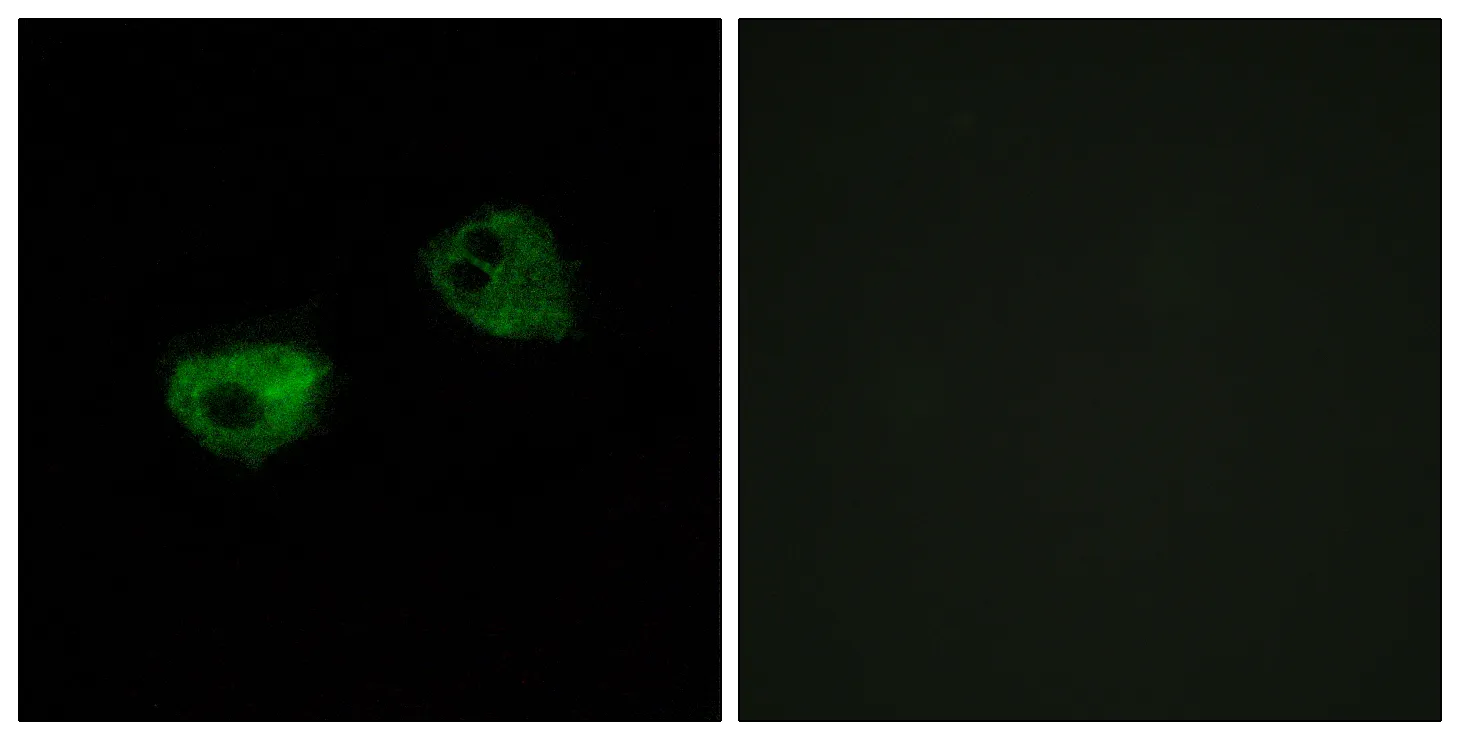
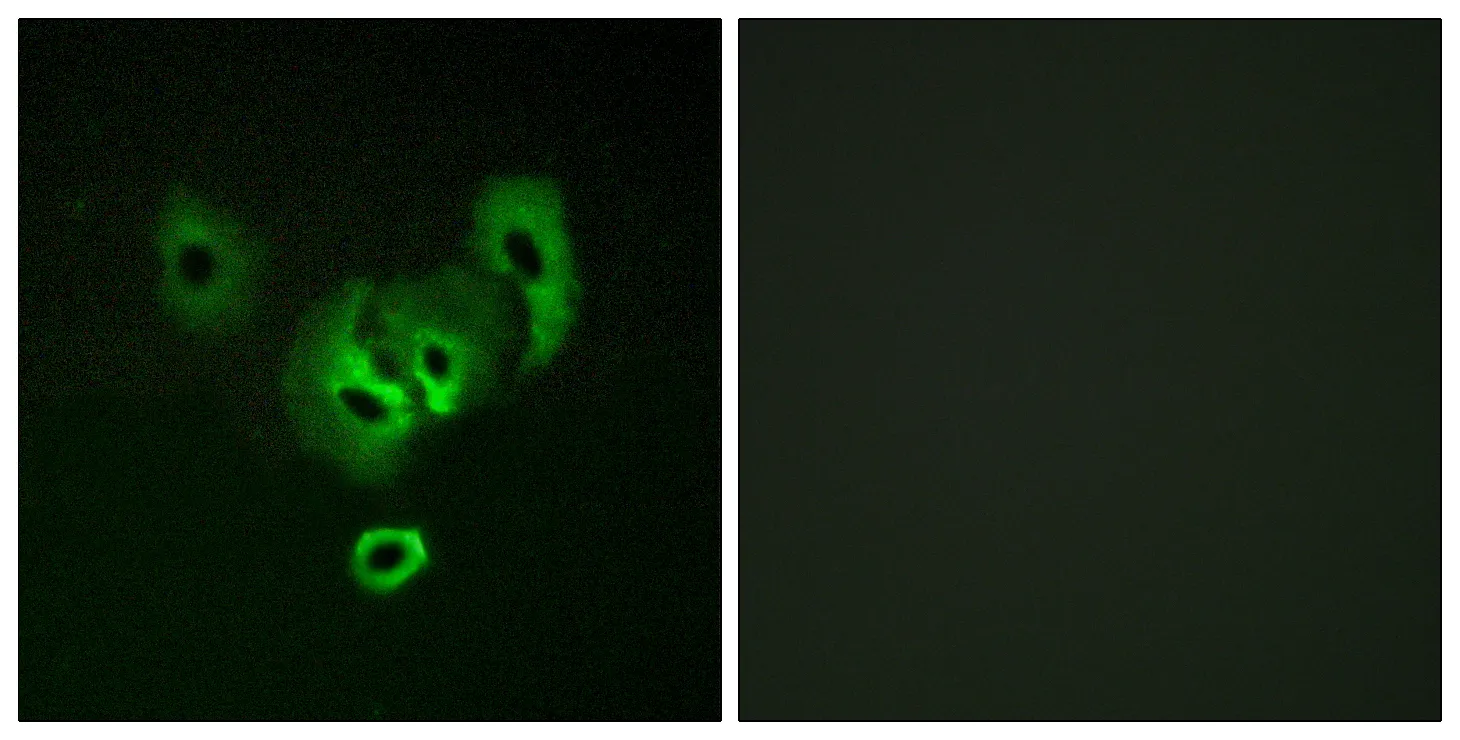
| アプリケーション | WB,IHC,ICC/IF,ELISA |
| 希釈倍率 | WB 1:500-1:2000,IHC 1:100-1:300,ICC/IF 1:50-1:200,ELISA 1:10000-1:20000 |
| 分子量 | 42kDa |
研究分野
| Protein_Acetylation |
背景
| ヒストンは転写制御、細胞周期の進行、そして発生過程において重要な役割を果たします。ヒストンのアセチル化/脱アセチル化は染色体構造を変化させ、転写因子のDNAへのアクセスに影響を与えます。この遺伝子によってコードされるタンパク質は、ヒストン脱アセチル化酵素ファミリーのクラスIに属します。ヒストンN末端のリジン残基の脱アセチル化を触媒し、転写コリプレッサーを含む大きな多タンパク質複合体において転写を抑制します。この遺伝子には、異なるアイソフォームをコードする複数の転写バリアントが見つかっています。 [RefSeq提供、2009年10月],触媒活性:ヒストンのN(6)-アセチルリジン残基を加水分解して、脱アセチル化ヒストンを生成します。,注意:ここに示す配列は、Ensembl自動解析パイプラインから取得したものであり、予備データとしてお考えください。,機能:コアヒストン(H2A、H2B、H3、およびH4)のN末端部分のリジン残基の脱アセチル化を担います。ヒストンの脱アセチル化は、エピジェネティック抑制の標識となり、転写調節、細胞周期の進行、および発生イベントにおいて重要な役割を果たします。ヒストン脱アセチル化酵素は、大きな多タンパク質複合体の形成を介して作用します。,その他:その活性は、よく知られている2つのヒストン脱アセチル化酵素阻害剤であるトリコスタチンA(TSA)および酪酸によって阻害されます。,類似性:ヒストン脱アセチル化酵素ファミリーに属します。タイプ1サブファミリー。, 細胞内局在:核小体から除外される。, サブユニット:PEPB2-MYH11と相互作用する。PEPB2-MYH11は、CBF-beta(PEPB2)のN末端165残基とMYH11の末端領域からなる融合タンパク質であり、M4EOサブタイプの急性骨髄性白血病に関連する転座であるInv(16)(p13q22)の逆位によって産生される。PEPB2-MYH1融合タンパク質は、よく知られた転写調節因子であるRUNX1とも相互作用することから、HDAC8との相互作用がRUNX1を恒常的な転写抑制因子へと変換する過程に関与している可能性が示唆される。CBFA2T3と相互作用する。, 組織特異性:ほとんどの組織で弱い発現を示す。心臓、脳、腎臓、膵臓で高発現を示す。 |