

HDAC5/9(リン酸化Ser259/220)ウサギポリクローナル抗体
コンジュゲーション: 非共役
ウサギポリクローナル抗体
アプリケーション
反応性
ヒト、マウス
遺伝子名
HDAC5/HDAC9
保存
小分けして-20℃で保存してください(12ヶ月間有効)。凍結融解サイクルは避けてください。
要約
| 製品名 | HDAC5/9(リン酸化Ser259/220)ウサギポリクローナル抗体 |
| 説明 | ウサギポリクローナル抗体 |
| 宿主 | うさぎ |
| 反応性 | ヒト、マウス |
| コンジュゲーション | 非共役 |
| 修飾 | リン酸化 |
| アイソタイプ | IgG |
| クローン性 | ポリクローナル |
| 形態 | 液体 |
| 濃度 | 非共役 |
| 保存 | 小分けして-20℃で保存してください(12ヶ月間有効)。凍結融解サイクルは避けてください。 |
| 配送 | 氷嚢。 |
| バッファー | 50% グリセロール、0.5% 保護タンパク質、0.02% 新タイプ防腐剤 N を含む PBS 液。 |
| 精製 | アフィニティー精製 |
抗原情報
| 遺伝子名 | HDAC5/HDAC9 |
| 別名 | HDAC5; KIAA0600; Histone deacetylase 5; HD5; Antigen NY-CO-9; HDAC9; HDAC7; HDAC7B; HDRP; KIAA0744; MITR; Histone deacetylase 9; HD9; Histone deacetylase 7B; HD7; HD7b; Histone deacetylase-related protein; MEF2-interacting transcription rep |
| 遺伝子ID | 10014/9734 |
| SwissProt ID | Q9UQL6/Q9UKV0 |
| 免疫原 | 抗血清は、ヒトHDAC5のSer259のリン酸化部位付近の合成ペプチドに対して作製された。アミノ酸範囲:225-274 |
アプリケーション
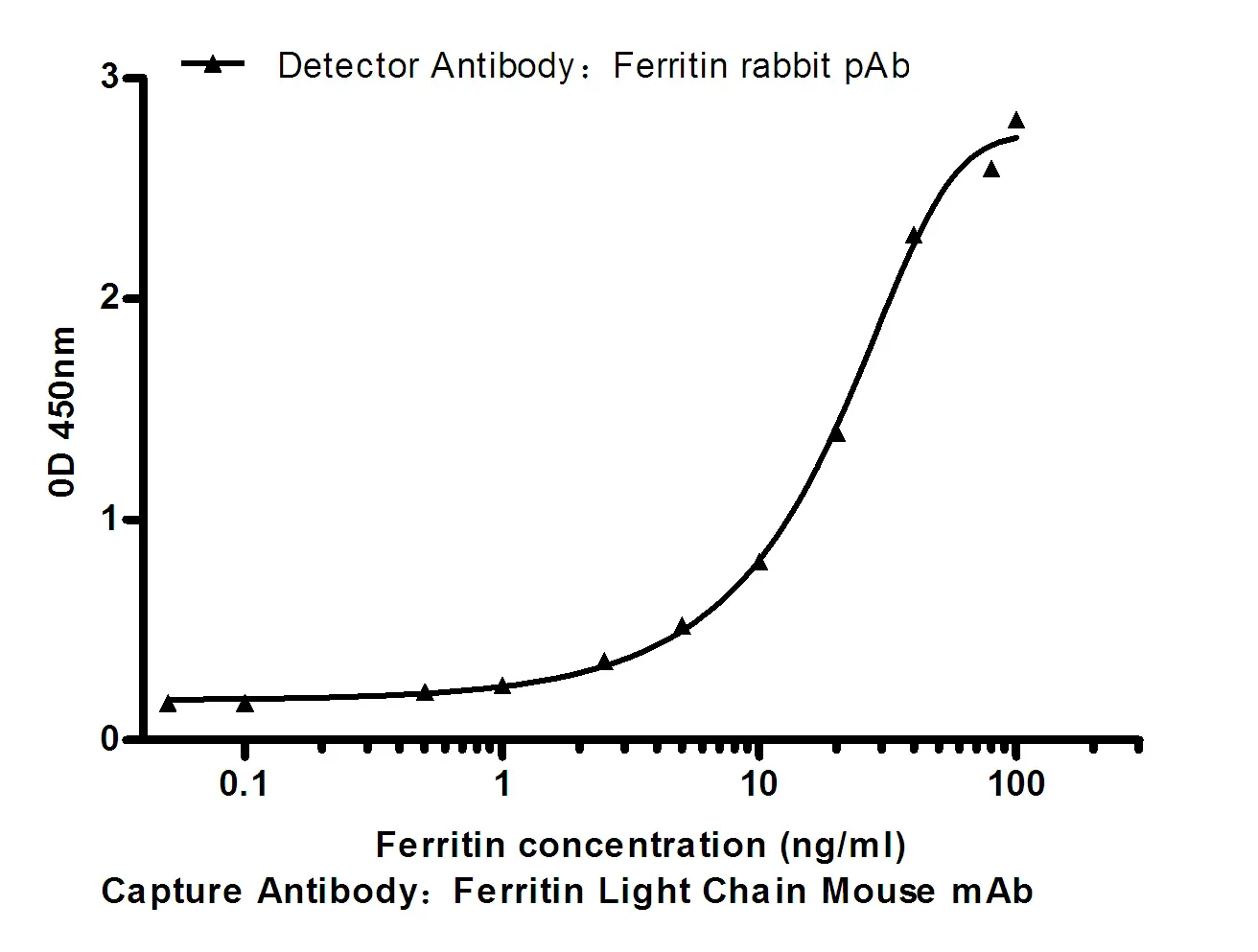
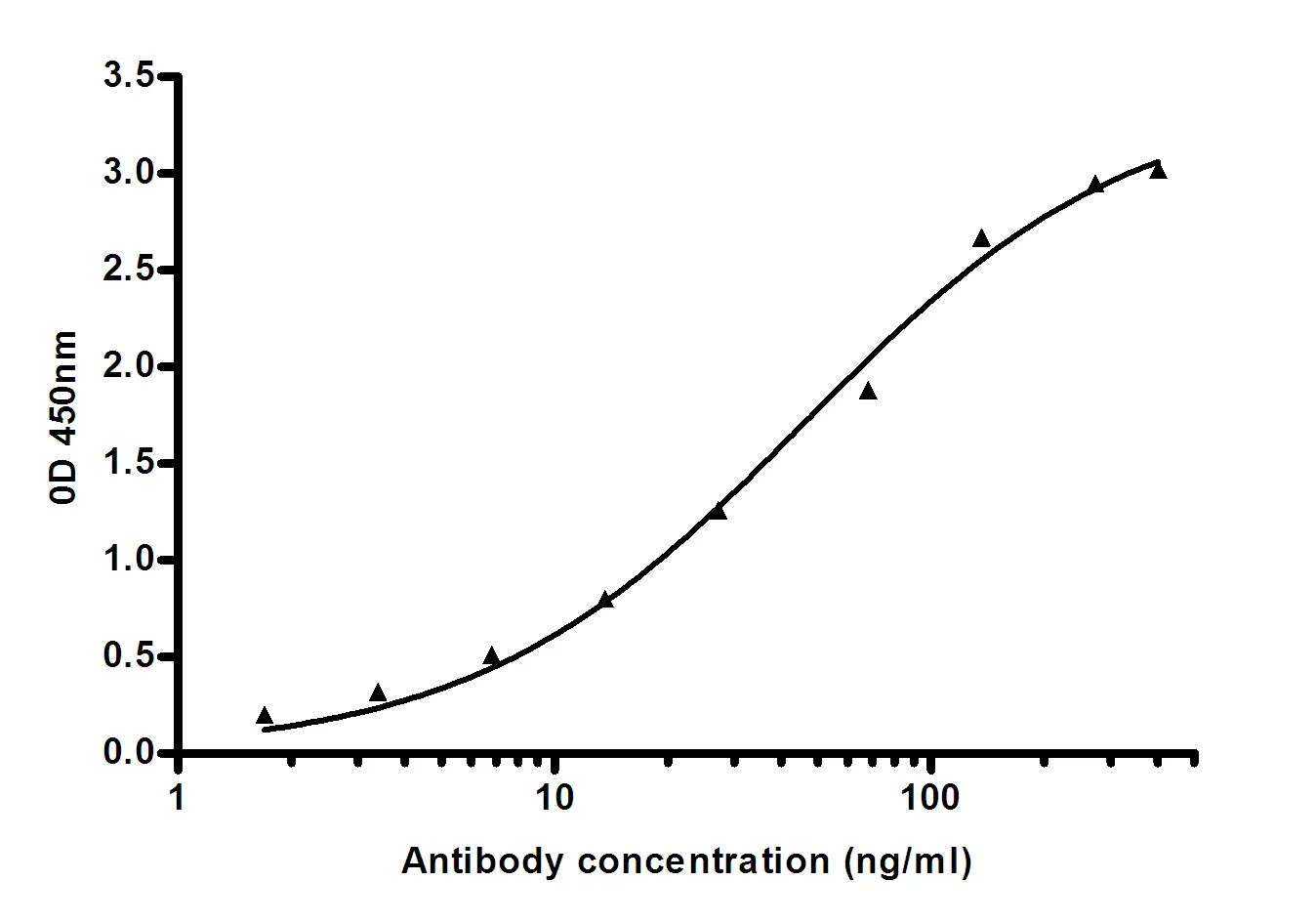
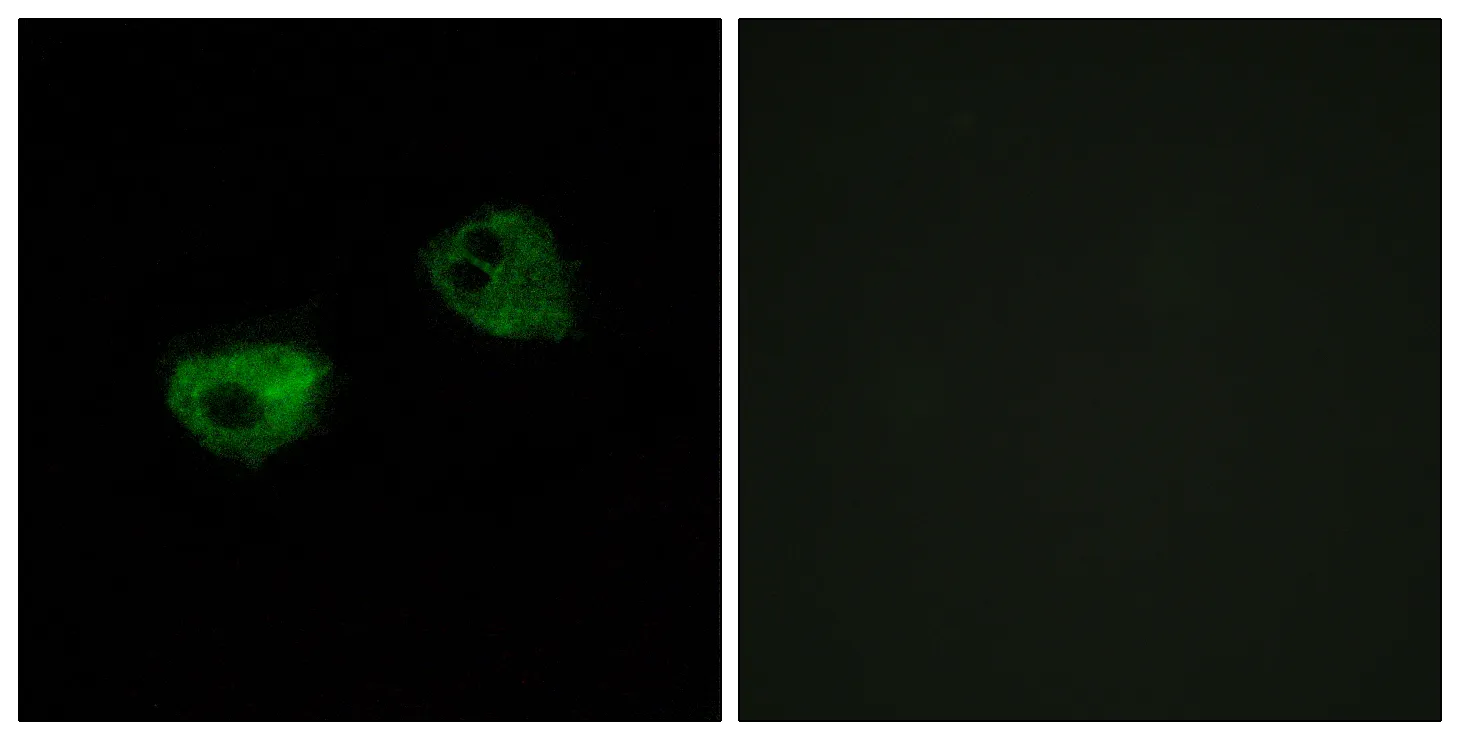
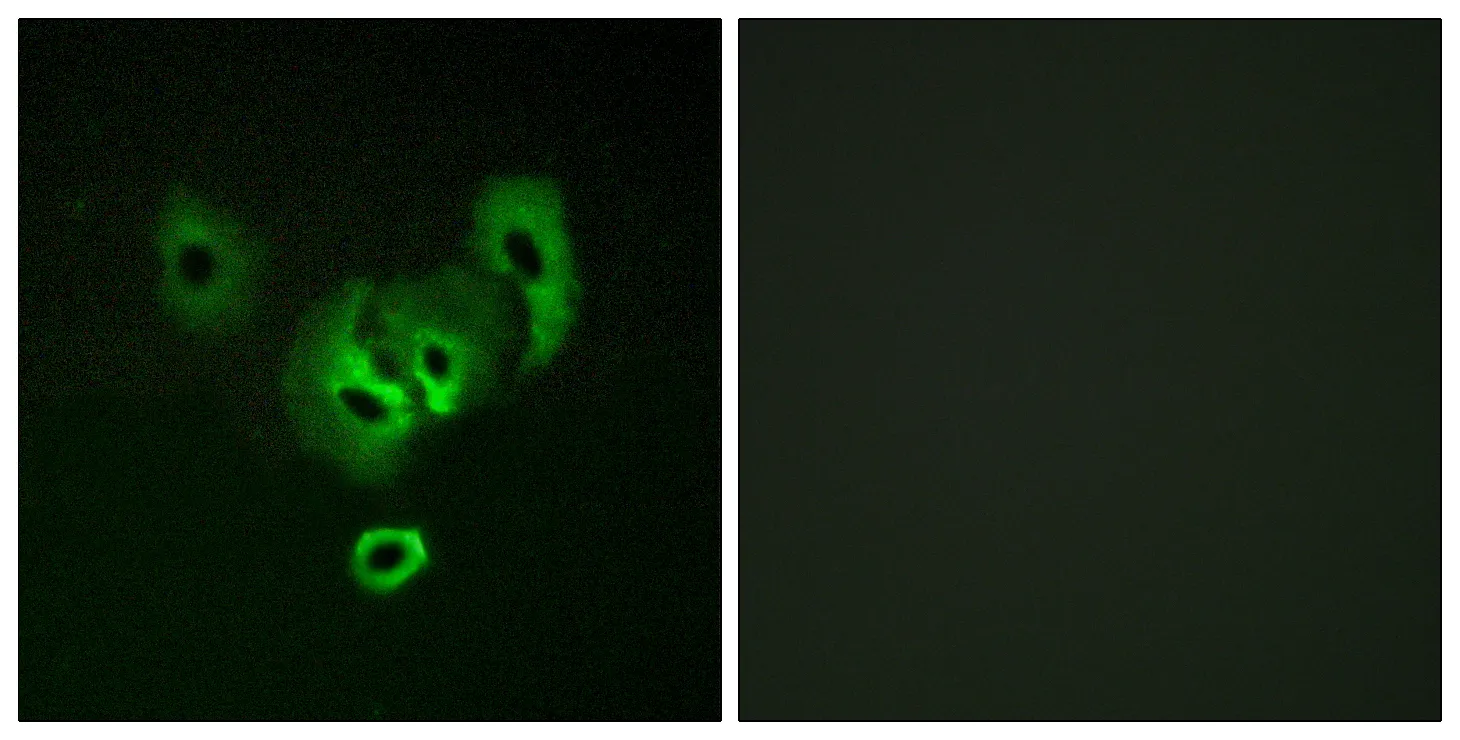
| アプリケーション | WB,IHC,ICC/IF,ELISA |
| 希釈倍率 | WB 1:500-1:2000,IHC 1:100-1:300,ICC/IF 1:50-1:200,ELISA 1:5000-1:20000 |
| 分子量 | 121kDa |
研究分野
| Protein_Acetylation |
背景
| ヒストンは転写制御、細胞周期の進行、そして発生過程において重要な役割を果たします。ヒストンのアセチル化/脱アセチル化は染色体構造を変化させ、転写因子のDNAへのアクセスに影響を与えます。この遺伝子によってコードされるタンパク質は、クラスIIヒストン脱アセチル化酵素/acuc/aphaファミリーに属します。ヒストン脱アセチル化酵素活性を有し、プロモーターに連結された状態で転写を抑制します。HDAC3ファミリーのメンバーとのみ共免疫沈降し、多重複合体タンパク質を形成する可能性があります。また、筋細胞エンハンサー因子2(MEF2)タンパク質とも相互作用し、MEF2依存性遺伝子の発現抑制を引き起こします。この遺伝子は大腸がんとの関連が示唆されています。この遺伝子には、異なるアイソフォームをコードする2つの転写バリアントが見つかっています。 [RefSeq提供、2008年7月],触媒活性:ヒストンのN(6)-アセチルリジン残基を加水分解し、脱アセチル化ヒストンを生成する。,ドメイン:核外輸送配列は、核と細胞質間の輸送を媒介する。,機能:コアヒストン(H2A、H2B、H3、H4)のN末端リジン残基の脱アセチル化を担う。ヒストンの脱アセチル化は、エピジェネティック抑制の標識となり、転写調節、細胞周期の進行、発達過程において重要な役割を果たしている。ヒストン脱アセチル化酵素は、巨大な多タンパク質複合体の形成を介して作用する。筋細胞エンハンサーMEF2Cの転写を抑制することで、筋成熟に関与する。筋分化の過程で細胞質に移行し、心筋細胞エンハンサー因子の発現を可能にする。,PTM:CaMKによってSer-259とSer-498がリン酸化される。このリン酸化は細胞質への輸送に必要である。,PTM:ユビキチン化される。しかし、ポリユビキチン化は分解を招かない。,類似性:ヒストン脱アセチル化酵素ファミリーに属します。タイプ2サブファミリー。,細胞内局在:核と細胞質の間を輸送されます。筋細胞では、心筋分化の過程で細胞質に移行します。細胞質への輸送は、14-3-3シャペロンタンパク質との相互作用に依存し、CaMKによるSer-259とSer-498のリン酸化によるものです。,サブユニット:AHRRと相互作用します(類似性による)。 BCOR、HDAC7、HDAC9、CTBP1、MEF2C、NCOR2、NRIP1、PHB2、および14-3-3シャペロンタンパク質と相互作用する。KDM5Bとも相互作用する。,組織特異性:普遍的。, |