

GPR56ウサギポリクローナル抗体
コンジュゲーション: 非共役
ウサギポリクローナル抗体
アプリケーション
反応性
ヒト、ラット、マウス
遺伝子名
GPR56
保存
小分けして-20℃で保存してください(12ヶ月間有効)。凍結融解サイクルは避けてください。
要約
| 製品名 | GPR56ウサギポリクローナル抗体 |
| 説明 | ウサギポリクローナル抗体 |
| 宿主 | うさぎ |
| 反応性 | ヒト、ラット、マウス |
| コンジュゲーション | 非共役 |
| 修飾 | 未修正 |
| アイソタイプ | IgG |
| クローン性 | ポリクローナル |
| 形態 | 液体 |
| 濃度 | 非共役 |
| 保存 | 小分けして-20℃で保存してください(12ヶ月間有効)。凍結融解サイクルは避けてください。 |
| 配送 | 氷嚢。 |
| バッファー | 50% グリセロール、0.5% 保護タンパク質、0.02% 新タイプ防腐剤 N を含む PBS 液。 |
| 精製 | アフィニティー精製 |
抗原情報
| 遺伝子名 | GPR56 |
| 別名 | GPR56; TM7LN4; TM7XN1; G-protein coupled receptor 56; Protein TM7XN1 |
| 遺伝子ID | 9289 |
| SwissProt ID | Q9Y653 |
| 免疫原 | 抗血清はヒトGPR56由来の合成ペプチドに対して作製された。アミノ酸範囲:251-300 |
アプリケーション
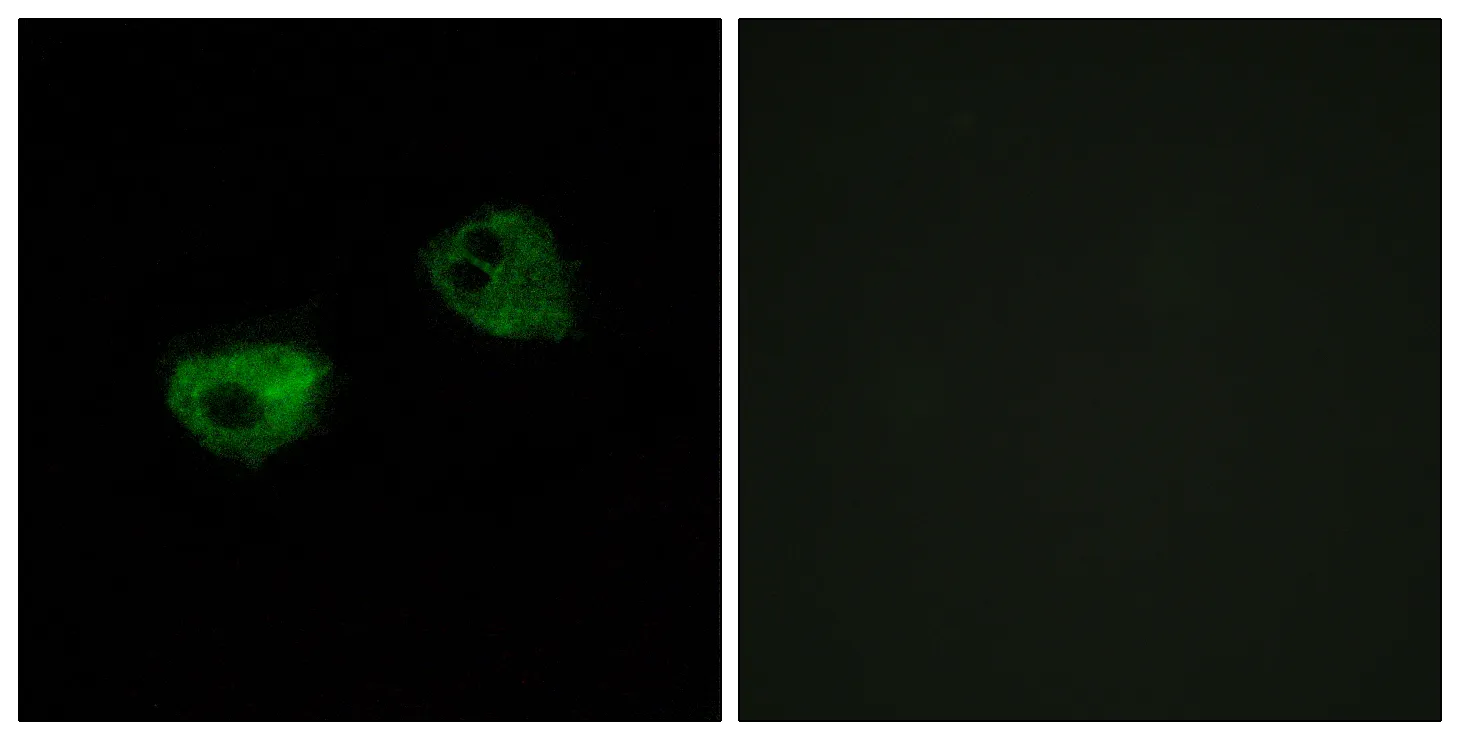
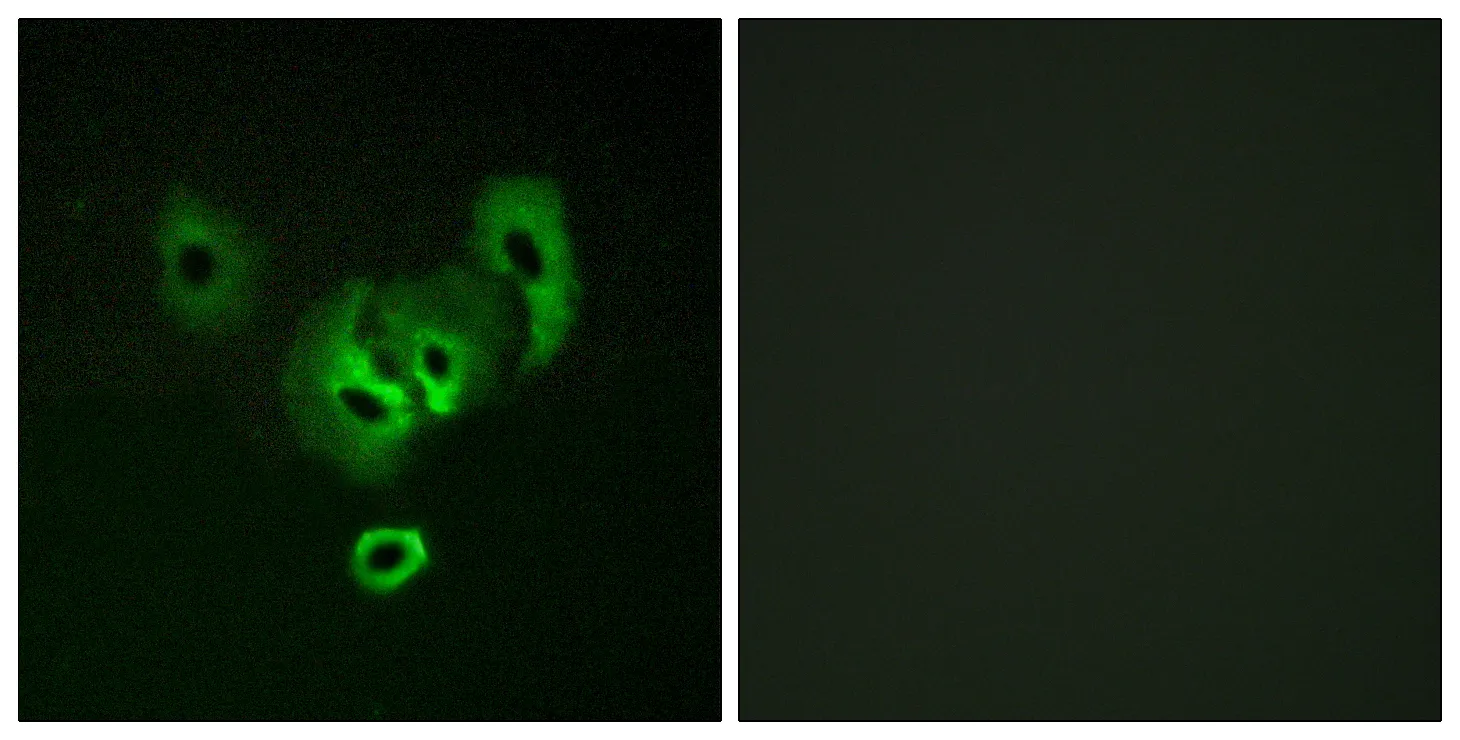
| アプリケーション | WB,ICC/IF,ELISA |
| 希釈倍率 | WB 1:500-1:2000,ICC/IF 1:200-1:1000,ELISA 1:10000-1:20000 |
| 分子量 | 78kDa |
研究分野
背景
| この遺伝子はGタンパク質共役受容体ファミリーのメンバーをコードし、脳皮質のパターン形成を制御します。コードされているタンパク質は、腫瘍進行の抑制因子として関与すると考えられている組織および腫瘍間質の成分であるトランスグルタミナーゼ2に特異的に結合します。この遺伝子の変異は、両側前頭頭頂葉多小脳回(BFPP)として知られる脳奇形と関連しています。選択的スプライシングにより、複数の転写バリアントが生じます。[RefSeq提供、2014年2月],疾患:GPR56の欠陥は、両側前頭頭頂葉多小脳回(BFPP)[MIM:606854]の原因です。BFPPは、前頭皮質で最も重篤な皮質層構造の乱れを特徴とします。,機能:細胞間相互作用に関与している可能性があります。,類似性:Gタンパク質共役受容体2ファミリーに属します。 LN-TM7サブファミリー。,類似性:1つのGPSドメインを含む。,組織特異性:広く分布し、甲状腺、脳、心臓に最も多く存在する。多くの腫瘍細胞で発現する。, |