GPR10ウサギポリクローナル抗体
コンジュゲーション: 非共役
ウサギポリクローナル抗体
アプリケーション
反応性
ヒト、マウス、ラット
遺伝子名
PRLHR
保存
小分けして-20℃で保存してください(12ヶ月間有効)。凍結融解サイクルは避けてください。
要約
| 製品名 | GPR10ウサギポリクローナル抗体 |
| 説明 | ウサギポリクローナル抗体 |
| 宿主 | うさぎ |
| 反応性 | ヒト、マウス、ラット |
| コンジュゲーション | 非共役 |
| 修飾 | 未修正 |
| アイソタイプ | IgG |
| クローン性 | ポリクローナル |
| 形態 | 液体 |
| 濃度 | 非共役 |
| 保存 | 小分けして-20℃で保存してください(12ヶ月間有効)。凍結融解サイクルは避けてください。 |
| 配送 | 氷嚢。 |
| バッファー | 50% グリセロール、0.5% 保護タンパク質、0.02% 新タイプ防腐剤 N を含む PBS 液。 |
| 精製 | アフィニティー精製 |
抗原情報
| 遺伝子名 | PRLHR |
| 別名 | PRLHR; GPR10; GR3; Prolactin-releasing peptide receptor; PrRP receptor; PrRPR; G-protein coupled receptor 10; hGR3 |
| 遺伝子ID | 2834 |
| SwissProt ID | P49683 |
| 免疫原 | 抗血清はヒトPRLHR由来の合成ペプチドに対して作製された。アミノ酸範囲:184-233 |
アプリケーション
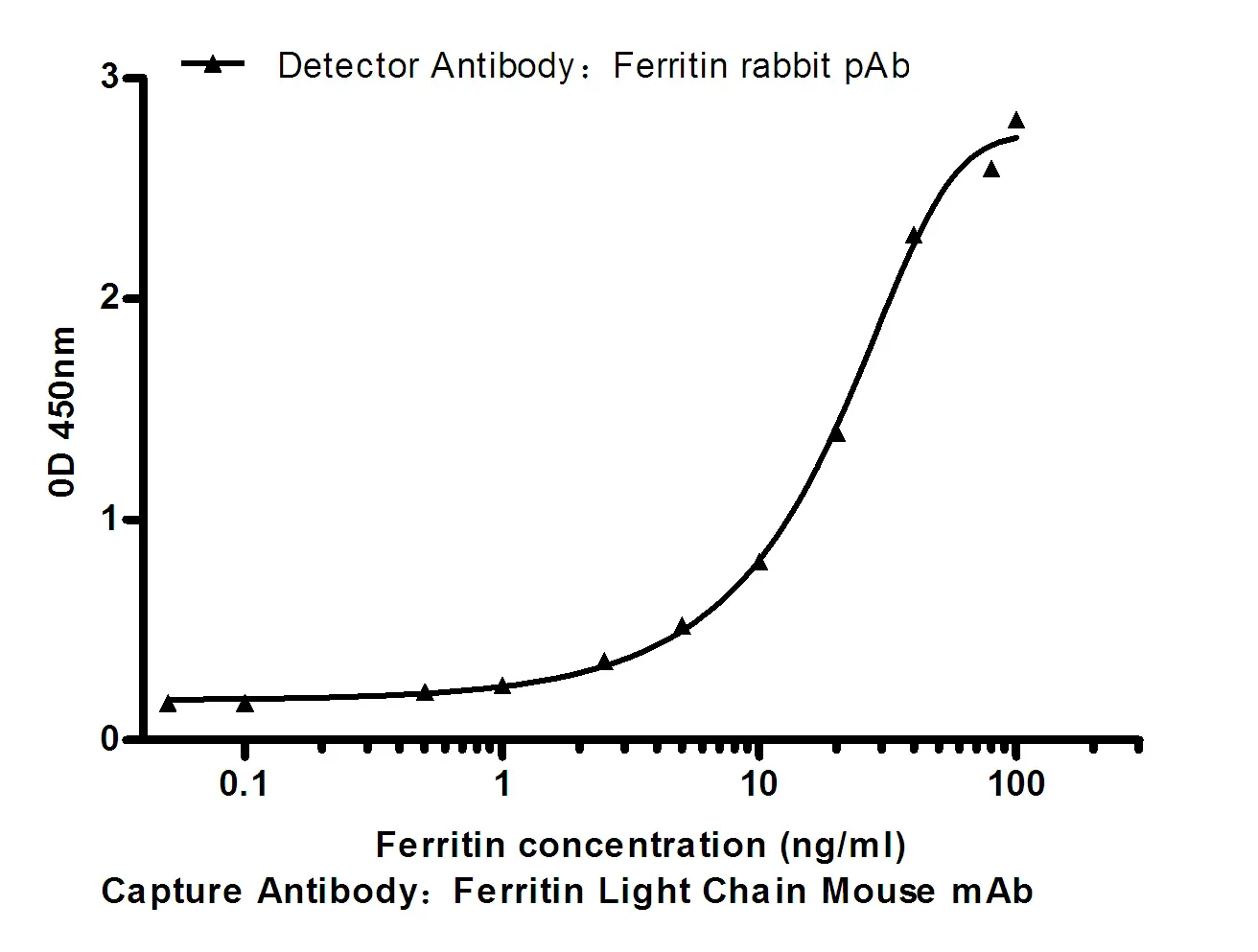
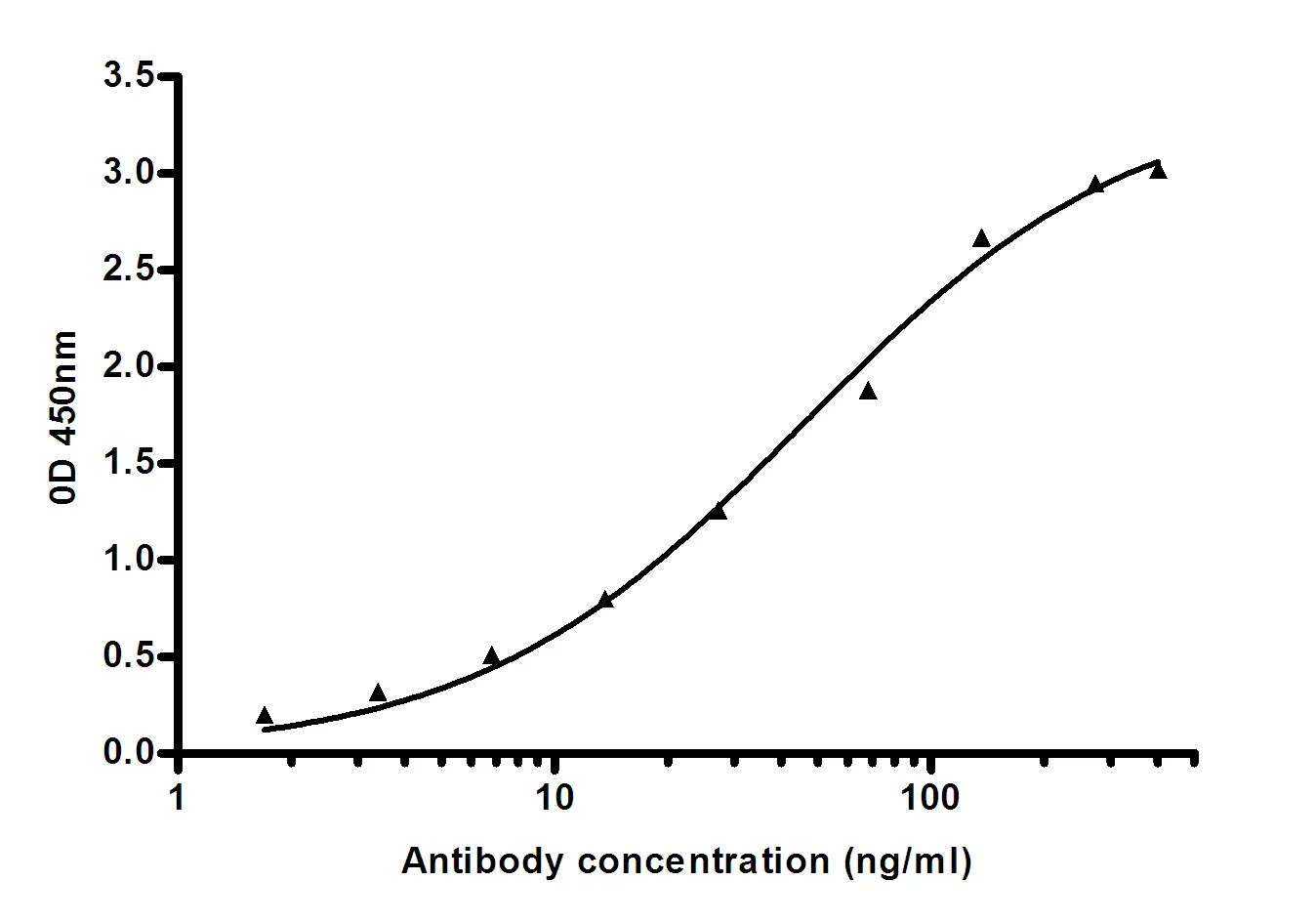
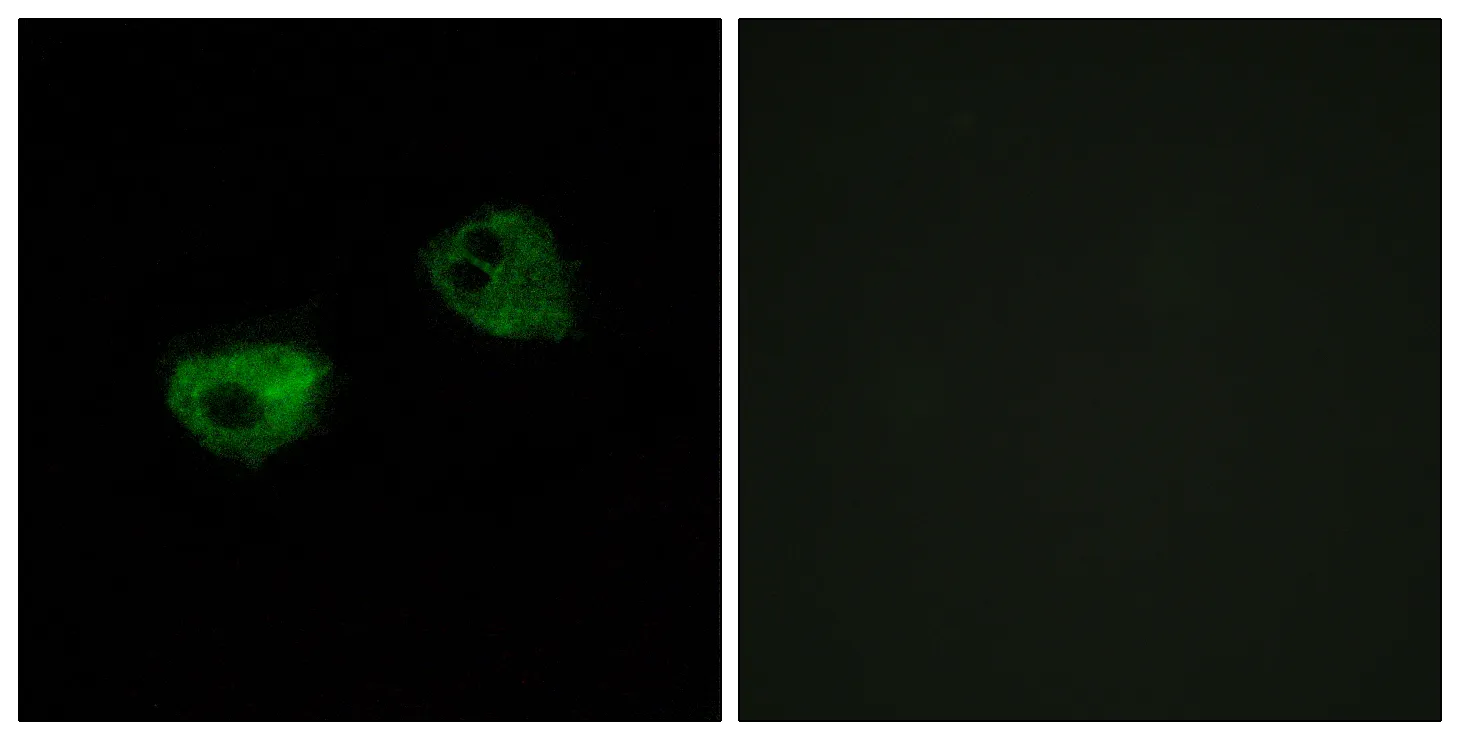
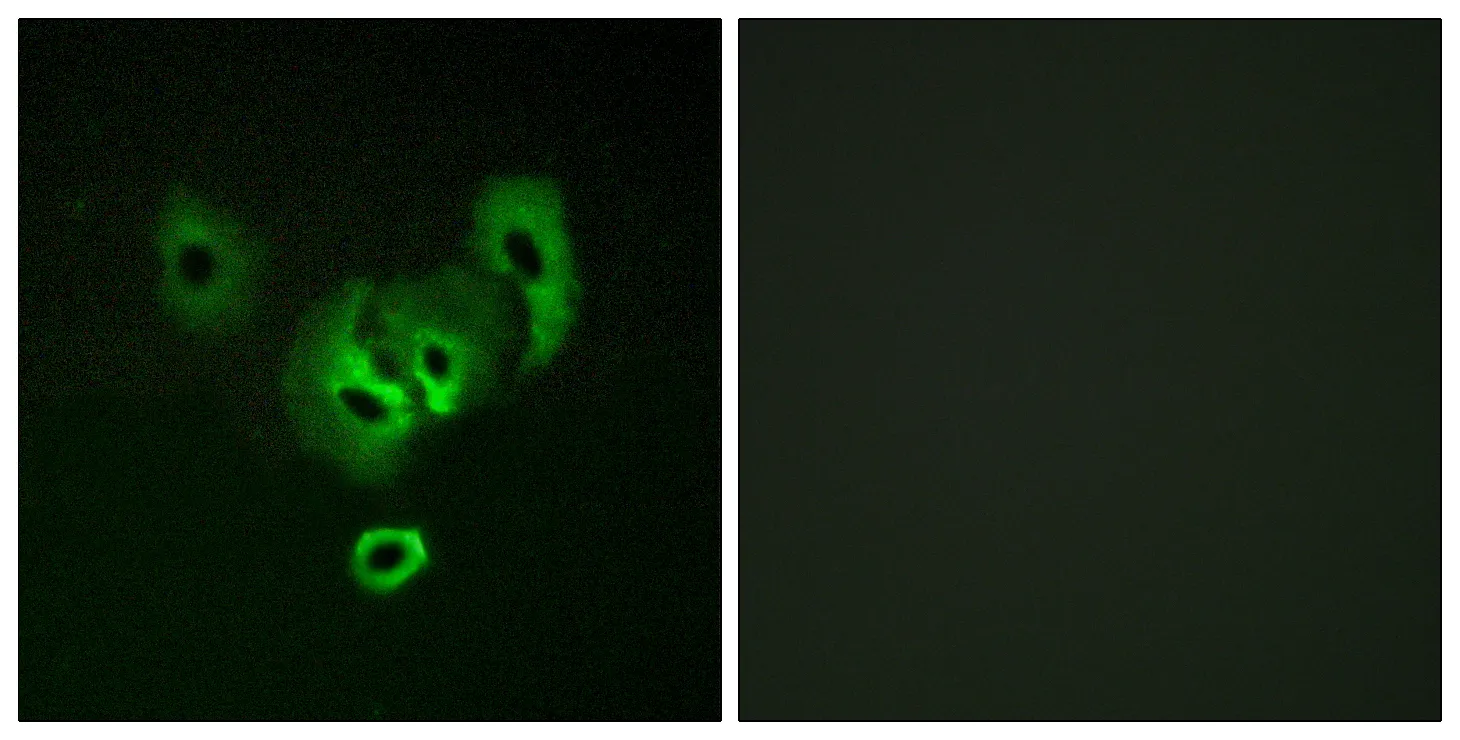
| アプリケーション | WB,ICC/IF,ELISA |
| 希釈倍率 | WB 1:500-1:2000,ICC/IF 1:200-1:1000,ELISA 1:10000-1:20000 |
| 分子量 | 41kDa |
研究分野
| Neuroactive ligand-receptor interaction; |
背景
| PRLHRは、プロラクチン放出ホルモン(PRLH; MIM 602663)の7回膜貫通型受容体であり、下垂体前葉で高発現しています(Ozawa et al., 2002 [PubMed 11923475])。[OMIM提供、2008年3月], 機能:プロラクチン放出ペプチド(PrRP)の受容体。授乳、摂食調節、疼痛シグナル処理に関与する。, 誘導:ドパミン作動薬であるブロモクリプチンによって抑制される。, 類似性:Gタンパク質共役受容体1ファミリーに属する。, サブユニット:C末端領域を介して、PDZドメイン含有タンパク質GRIP1、GRIP2、およびPICK1と相互作用する。 GRIP1のPDZドメイン4および5、およびPICK1のPDZドメインと相互作用します。,組織特異性:下垂体および下垂体腺腫のすべての細胞型でのみ検出されます。, |