

GPERウサギポリクローナル抗体
コンジュゲーション: 非共役
ウサギポリクローナル抗体
アプリケーション
反応性
ヒト、マウス、ラット
遺伝子名
GPER CEPR CMKRL2 DRY12 GPR30
保存
小分けして-20℃で保存してください(12ヶ月間有効)。凍結融解サイクルは避けてください。
要約
| 製品名 | GPERウサギポリクローナル抗体 |
| 説明 | ウサギポリクローナル抗体 |
| 宿主 | うさぎ |
| 反応性 | ヒト、マウス、ラット |
| コンジュゲーション | 非共役 |
| 修飾 | 未修正 |
| アイソタイプ | IgG |
| クローン性 | ポリクローナル |
| 形態 | 液体 |
| 濃度 | 非共役 |
| 保存 | 小分けして-20℃で保存してください(12ヶ月間有効)。凍結融解サイクルは避けてください。 |
| 配送 | 氷嚢。 |
| バッファー | 50% グリセロール、0.02% 新タイプ防腐剤 N を含む PBS 液。 |
| 精製 | アフィニティー精製 |
抗原情報
| 遺伝子名 | GPER CEPR CMKRL2 DRY12 GPR30 |
| 別名 | - |
| 遺伝子ID | 2852 |
| SwissProt ID | Q99527 |
| 免疫原 | ヒトタンパク質由来の合成ペプチド。アミノ酸範囲:300~380 |
アプリケーション
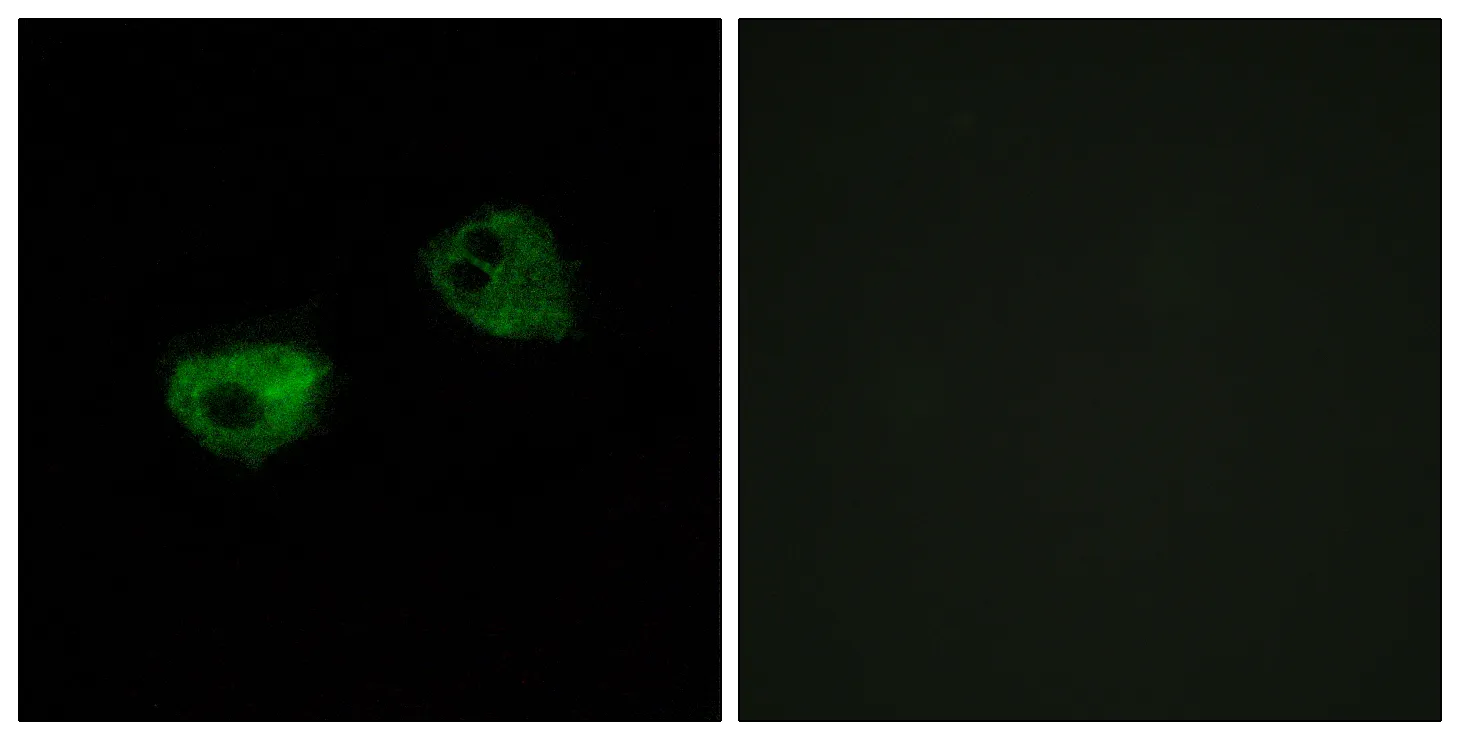
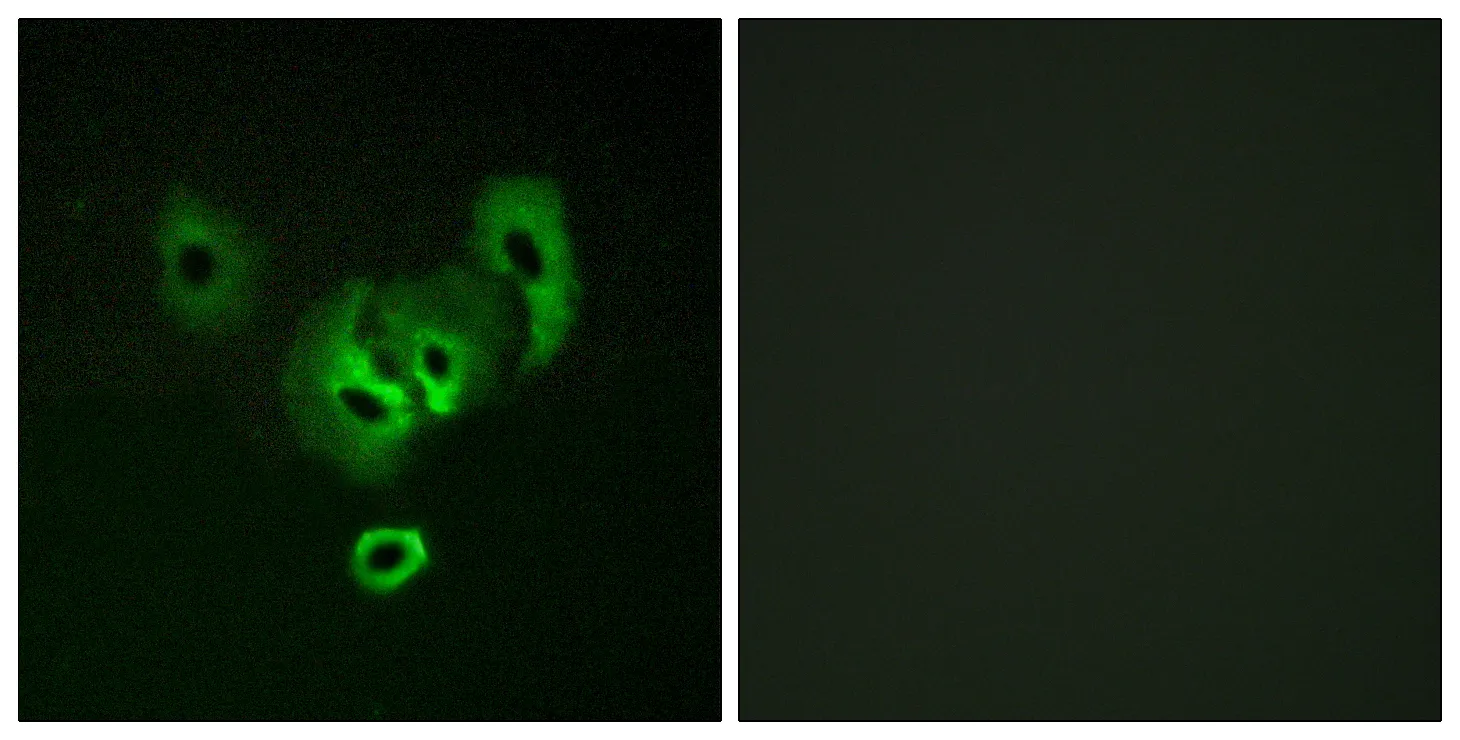
| アプリケーション | WB,ELISA |
| 希釈倍率 | WB 1:500-1:2000,ELISA 1:5000-1:20000 |
| 分子量 | 41kDa |
研究分野
背景
| この遺伝子はGタンパク質共役受容体1ファミリーに属し、小胞体に局在する複数回膜貫通型タンパク質をコードしています。このタンパク質はエストロゲンと結合し、細胞内カルシウム動員と核内ホスファチジルイノシトール3,4,5-トリスリン酸の合成を引き起こします。したがって、このタンパク質は、細胞や組織がエストロゲンで刺激された後に広く観察される、迅速な非ゲノムシグナル伝達において重要な役割を果たします。同じタンパク質をコードする代替転写スプライスバリアントが同定されています。[RefSeq提供、2008年7月],機能:エストロゲン受容体,類似性:Gタンパク質共役受容体1ファミリーに属する,細胞内局在:タンパク質は細胞膜、小胞体、ゴルジ体で検出されています。これが細胞表面受容体なのか細胞内受容体なのかは現在のところ不明である。,組織特異性:普遍的に発現するが、胎盤に最も多く存在する。脳領域では、前脳基底核、前頭皮質、視床、海馬、尾状核、被殻において2.8kbの転写産物として発現する。, |