

Eps8L2ウサギポリクローナル抗体
コンジュゲーション: 非共役
ウサギポリクローナル抗体
アプリケーション
反応性
ヒト、マウス
遺伝子名
EPS8L2
保存
小分けして-20℃で保存してください(12ヶ月間有効)。凍結融解サイクルは避けてください。
要約
| 製品名 | Eps8L2ウサギポリクローナル抗体 |
| 説明 | ウサギポリクローナル抗体 |
| 宿主 | うさぎ |
| 反応性 | ヒト、マウス |
| コンジュゲーション | 非共役 |
| 修飾 | 未修正 |
| アイソタイプ | IgG |
| クローン性 | ポリクローナル |
| 形態 | 液体 |
| 濃度 | 非共役 |
| 保存 | 小分けして-20℃で保存してください(12ヶ月間有効)。凍結融解サイクルは避けてください。 |
| 配送 | 氷嚢。 |
| バッファー | 50% グリセロール、0.5% 保護タンパク質、0.02% 新タイプ防腐剤 N を含む PBS 液。 |
| 精製 | アフィニティー精製 |
抗原情報
| 遺伝子名 | EPS8L2 |
| 別名 | EPS8L2; EPS8R2; PP13181; Epidermal growth factor receptor kinase substrate 8-like protein 2; EPS8-like protein 2; Epidermal growth factor receptor pathway substrate 8-related protein 2; EPS8-related protein 2 |
| 遺伝子ID | 64787 |
| SwissProt ID | Q9H6S3 |
| 免疫原 | 抗血清はヒトES8L2由来の合成ペプチドに対して作製された。アミノ酸範囲:1-50 |
アプリケーション
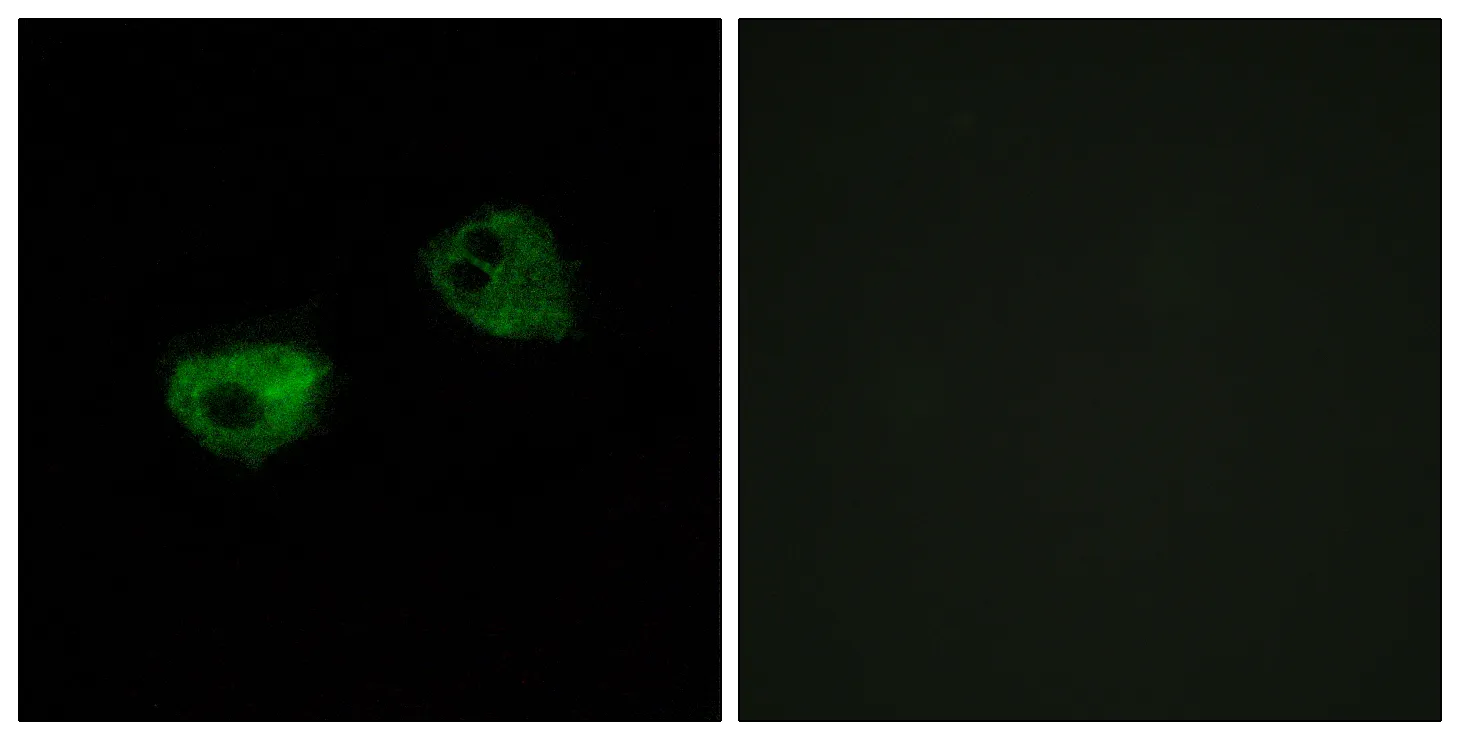
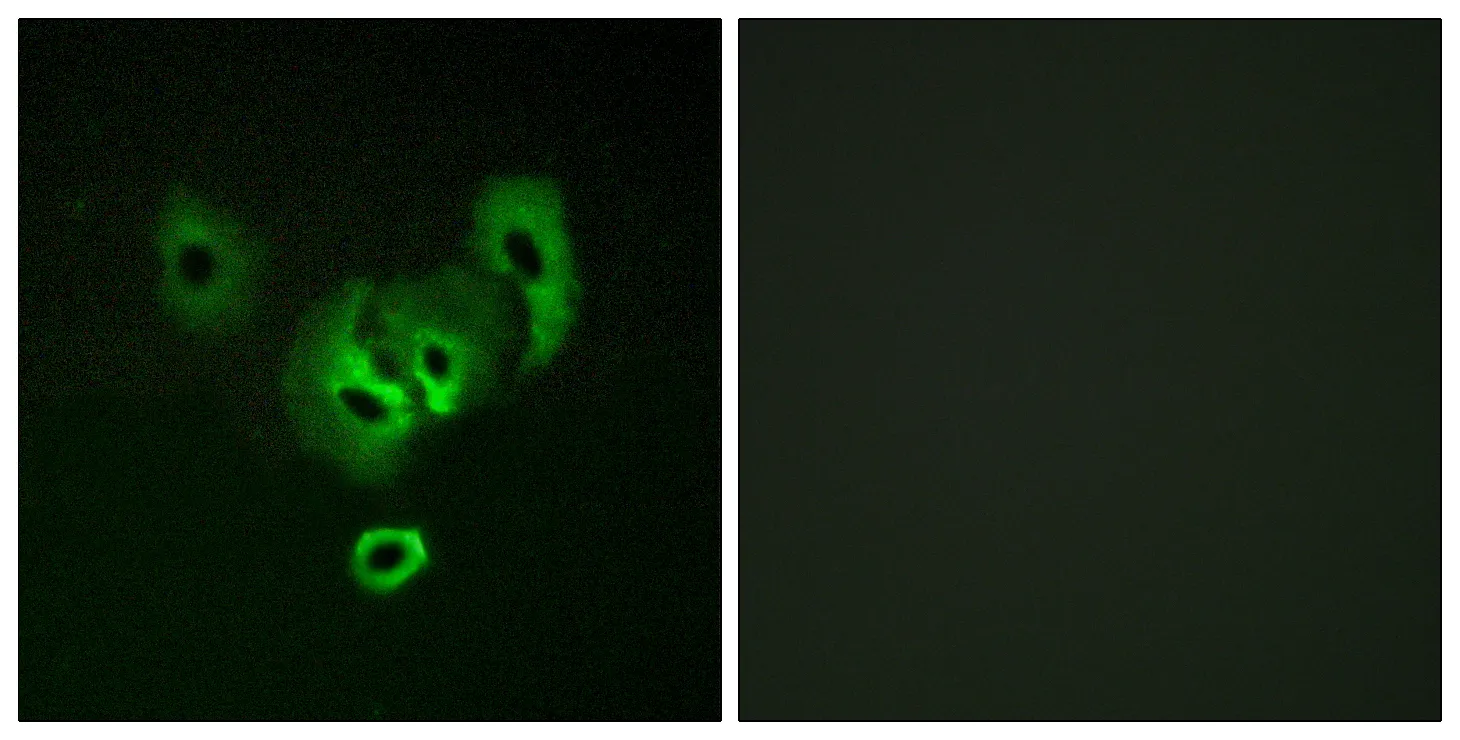
| アプリケーション | WB,IHC,ICC/IF,ELISA |
| 希釈倍率 | WB 1:500-1:2000,IHC 1:100-1:300,ICC/IF 1:200-1:1000,ELISA 1:20000-1:40000 |
| 分子量 | 81kDa |
研究分野
背景
| この遺伝子はEPS8遺伝子ファミリーのメンバーをコードしています。コードされているタンパク質は、ファミリーの他のメンバーと同様に、成長因子刺激とアクチン組織化を結び付け、アクチン細胞骨格リモデリングを制御する経路に機能的冗長性をもたらすと考えられています。[RefSeq提供、2008年12月],機能:SOS1のグアニン交換活性を刺激します。アクチン細胞骨格の膜波立ちとリモデリングに関与している可能性があります。,類似性:EPS8ファミリーに属します。,類似性:1つのPIDドメインを含みます。,類似性:1つのSH3ドメインを含みます。,サブユニット:ABI1と相互作用します。SOS1、ABI1、およびEPS8L2を含む複合体の一部です。F-アクチンと関連しています。,組織特異性:線維芽細胞および胎盤で検出されます。, |