

エフリンB3ウサギポリクローナル抗体
コンジュゲーション: 非共役
ウサギポリクローナル抗体
アプリケーション
反応性
ヒト、マウス、ラット
遺伝子名
EFNB3
保存
小分けして-20℃で保存してください(12ヶ月間有効)。凍結融解サイクルは避けてください。
要約
| 製品名 | エフリンB3ウサギポリクローナル抗体 |
| 説明 | ウサギポリクローナル抗体 |
| 宿主 | うさぎ |
| 反応性 | ヒト、マウス、ラット |
| コンジュゲーション | 非共役 |
| 修飾 | 未修正 |
| アイソタイプ | IgG |
| クローン性 | ポリクローナル |
| 形態 | 液体 |
| 濃度 | 非共役 |
| 保存 | 小分けして-20℃で保存してください(12ヶ月間有効)。凍結融解サイクルは避けてください。 |
| 配送 | 氷嚢。 |
| バッファー | 50% グリセロール、0.5% 保護タンパク質、0.02% 新タイプ防腐剤 N を含む PBS 液。 |
| 精製 | アフィニティー精製 |
抗原情報
| 遺伝子名 | EFNB3 |
| 別名 | EFNB3; EPLG8; LERK8; Ephrin-B3; EPH-related receptor transmembrane ligand ELK-L3; EPH-related receptor tyrosine kinase ligand 8; LERK-8 |
| 遺伝子ID | 1949 |
| SwissProt ID | Q15768 |
| 免疫原 | 抗血清はヒトEFNB3由来の合成ペプチドに対して作製された。アミノ酸範囲:221-270 |
アプリケーション
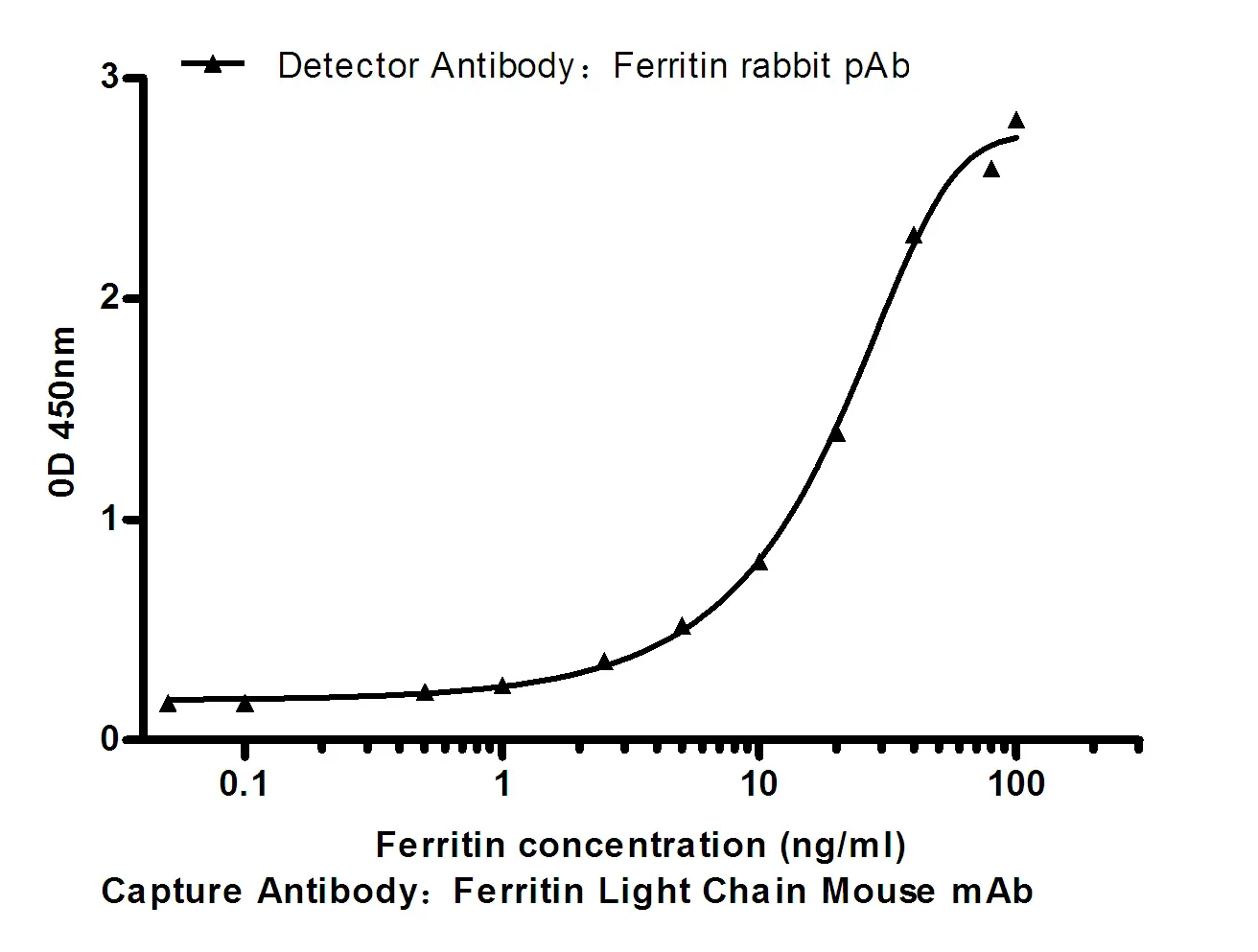
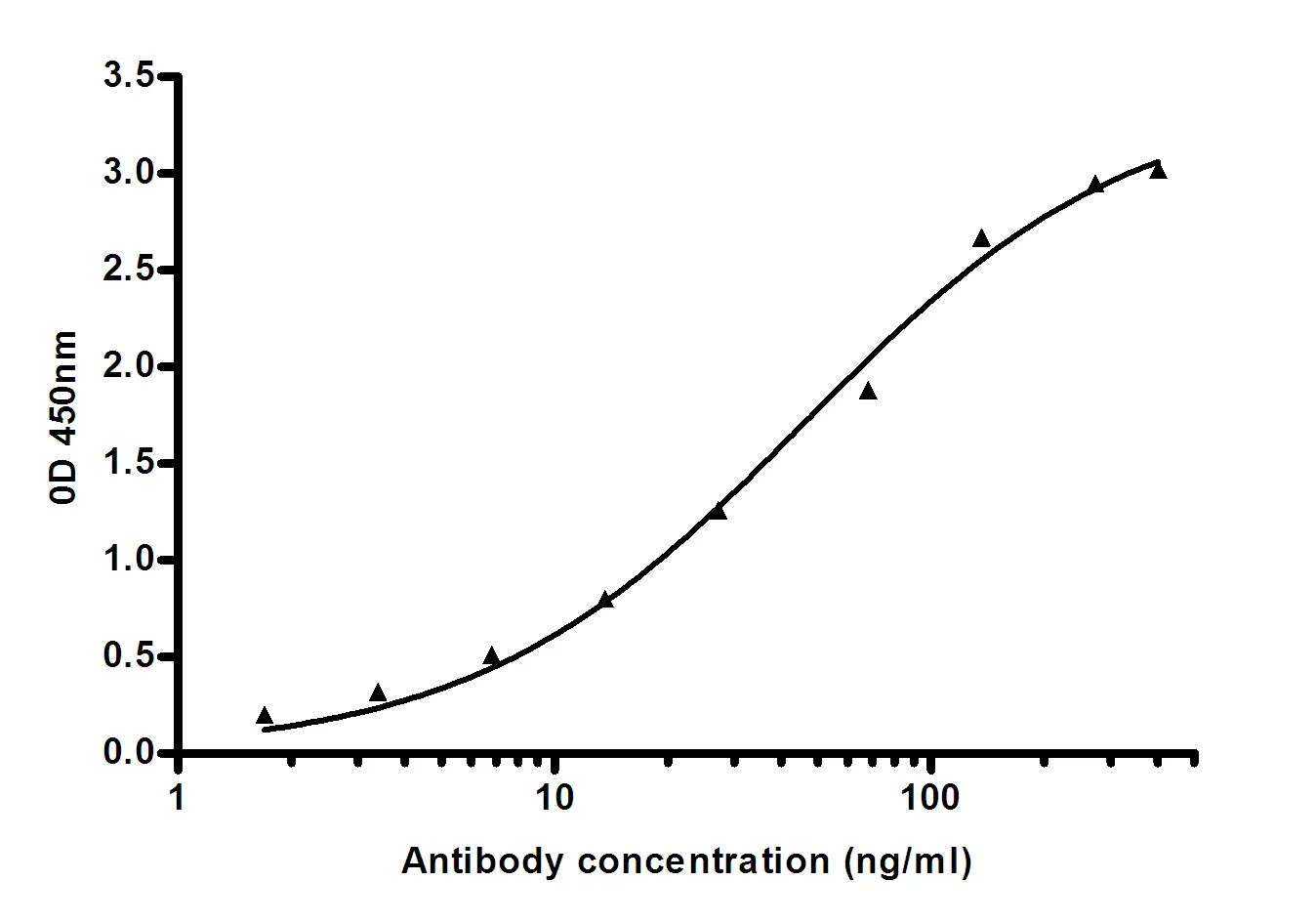
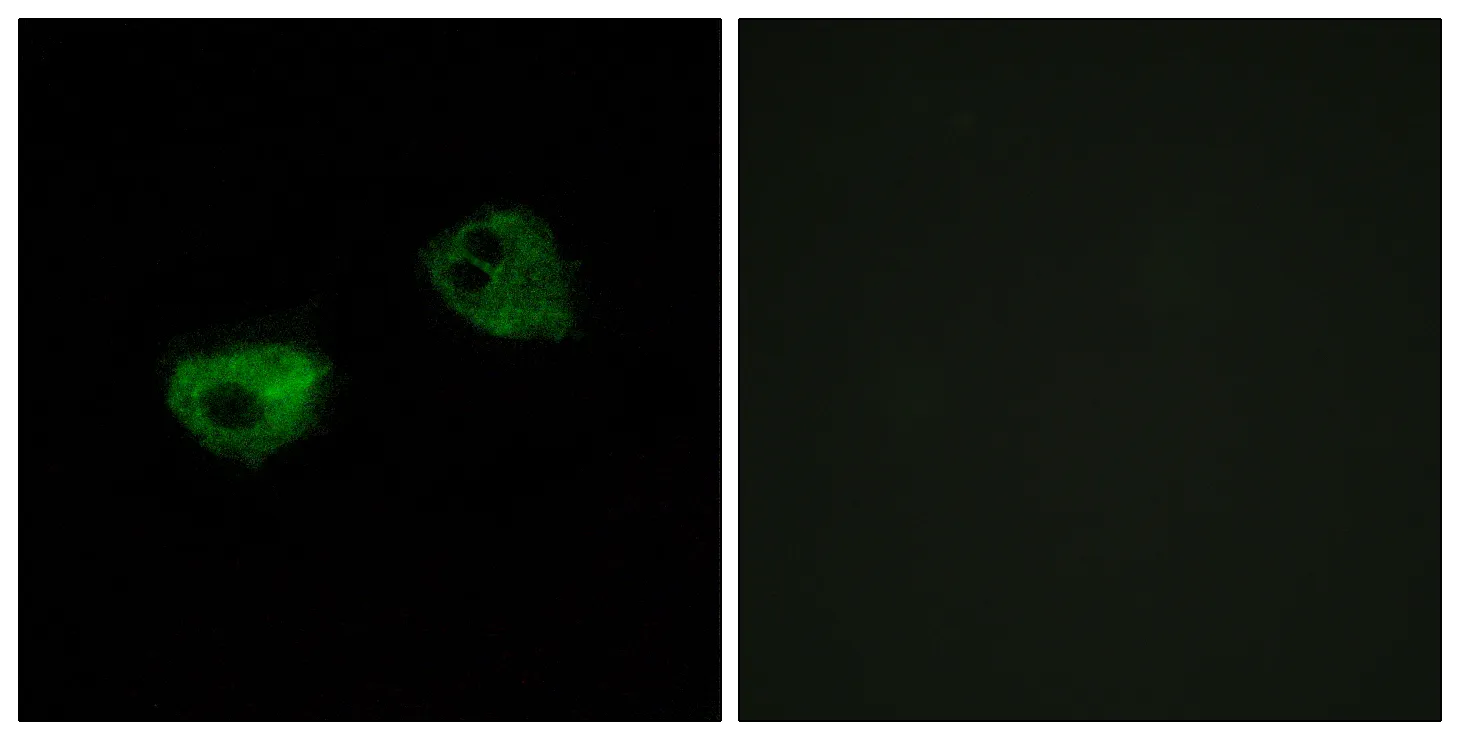
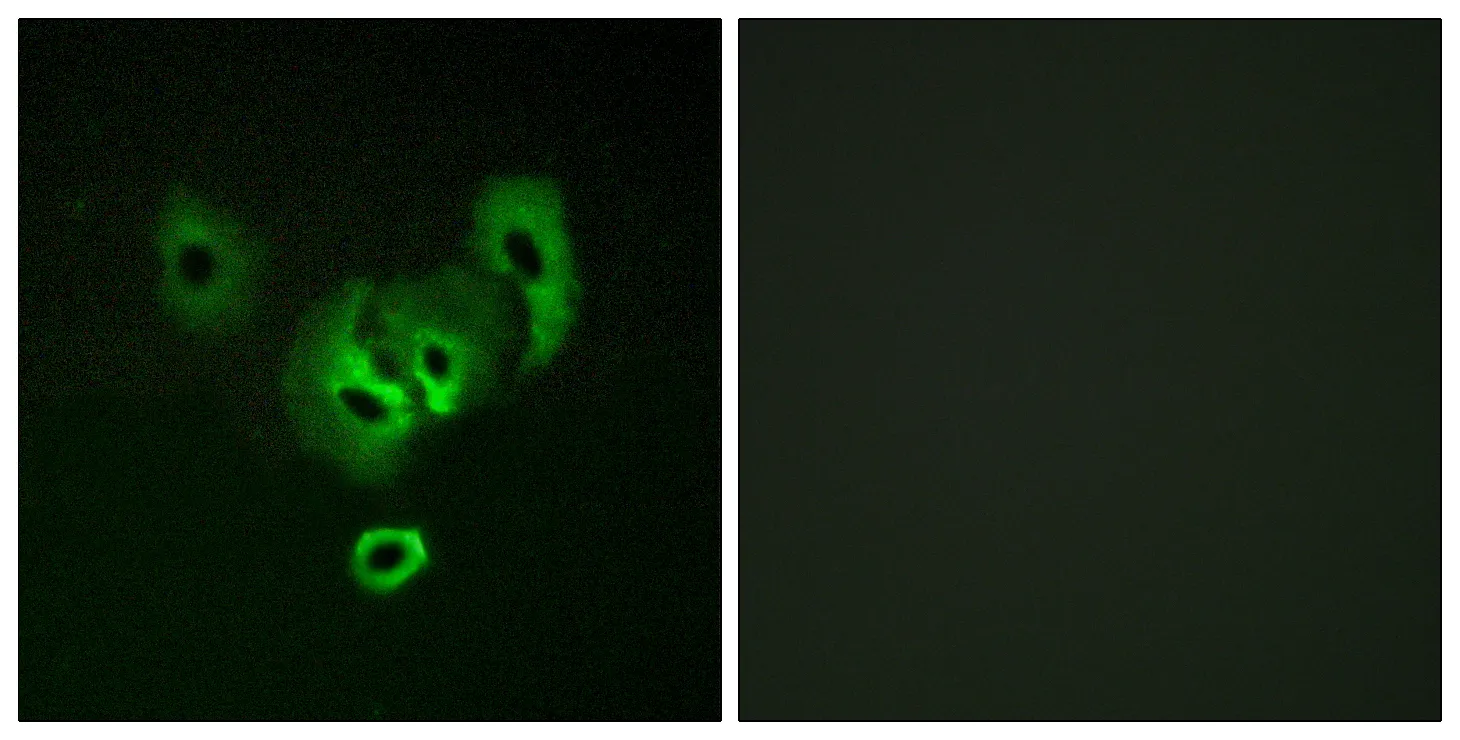
| アプリケーション | WB,IHC,ICC/IF,ELISA |
| 希釈倍率 | WB 1:500-1:2000,IHC 1:100-1:300,ICC/IF 1:50-1:200,ELISA 1:10000-1:20000 |
| 分子量 | 36kDa |
研究分野
| Axon guidance; |
背景
| エフリン遺伝子ファミリーに属するEFNB3は、脳の発達と維持において重要な役割を果たしています。さらに、EFNB3の発現レベルは、他の脳領域と比較して、いくつかの前脳領域で特に高かったことから、前脳機能において極めて重要な役割を果たしている可能性があります。EPHおよびEPH関連受容体は、受容体タンパク質チロシンキナーゼの最大のサブファミリーを構成し、特に神経系における発達過程の媒介に関与していることが示唆されています。EPH受容体は通常、単一のキナーゼドメインと、システインリッチドメインおよび2つのフィブロネクチンタイプIIIリピートを含む細胞外領域を有します。エフリンリガンドおよび受容体は、Eph命名委員会(1997年)によって命名されています。エフリンは、構造と配列関係に基づき、グリコシルホスファチジルイノシトール結合によって膜に固定されたエフリンA(EFNA)クラスに分類されます。機能:前脳機能において極めて重要な役割を果たす可能性があります。in vitroにおいて、交連軸索/成長円錐に結合し、その崩壊を誘導します。縦方向に突出する軸索の方向を拘束する役割を果たす可能性があります。,類似性:エフリンファミリーに属します。,サブユニット:GRIP1およびGRIP2と相互作用します。ニパウイルスGタンパク質に結合します。,組織特異性:脳で高発現し、胚の底板、屋根板、および後脳節で発現します。, |