EphB2ウサギポリクローナル抗体
コンジュゲーション: 非共役
ウサギポリクローナル抗体
アプリケーション
反応性
ヒト、ラット、マウス
遺伝子名
EPHB2
保存
小分けして-20℃で保存してください(12ヶ月間有効)。凍結融解サイクルは避けてください。
要約
| 製品名 | EphB2ウサギポリクローナル抗体 |
| 説明 | ウサギポリクローナル抗体 |
| 宿主 | うさぎ |
| 反応性 | ヒト、ラット、マウス |
| コンジュゲーション | 非共役 |
| 修飾 | 未修正 |
| アイソタイプ | IgG |
| クローン性 | ポリクローナル |
| 形態 | 液体 |
| 濃度 | 非共役 |
| 保存 | 小分けして-20℃で保存してください(12ヶ月間有効)。凍結融解サイクルは避けてください。 |
| 配送 | 氷嚢。 |
| バッファー | 50% グリセロール、0.5% 保護タンパク質、0.02% 新タイプ防腐剤 N を含む PBS 液。 |
| 精製 | アフィニティー精製 |
抗原情報
| 遺伝子名 | EPHB2 |
| 別名 | EPHB2; DRT; EPHT3; EPTH3; ERK; HEK5; TYRO5; Ephrin type-B receptor 2; Developmentally-regulated Eph-related tyrosine kinase; ELK-related tyrosine kinase; EPH tyrosine kinase 3; EPH-like kinase 5; EK5; hEK5; Renal carcinoma antigen NY-REN-47 |
| 遺伝子ID | 2048 |
| SwissProt ID | P29323 |
| 免疫原 | 抗血清はヒトEPHB2由来の合成ペプチドに対して作製された。アミノ酸範囲:991-1040 |
アプリケーション
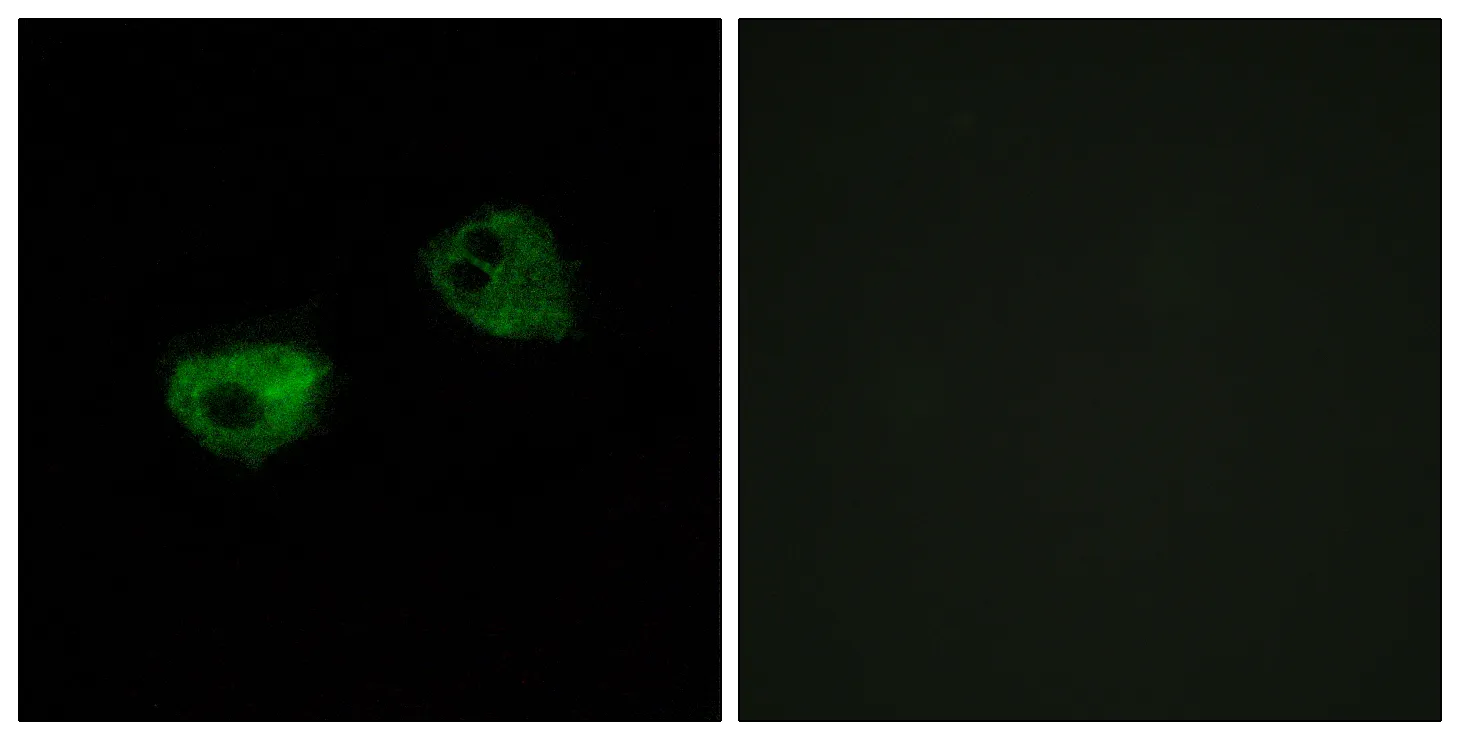
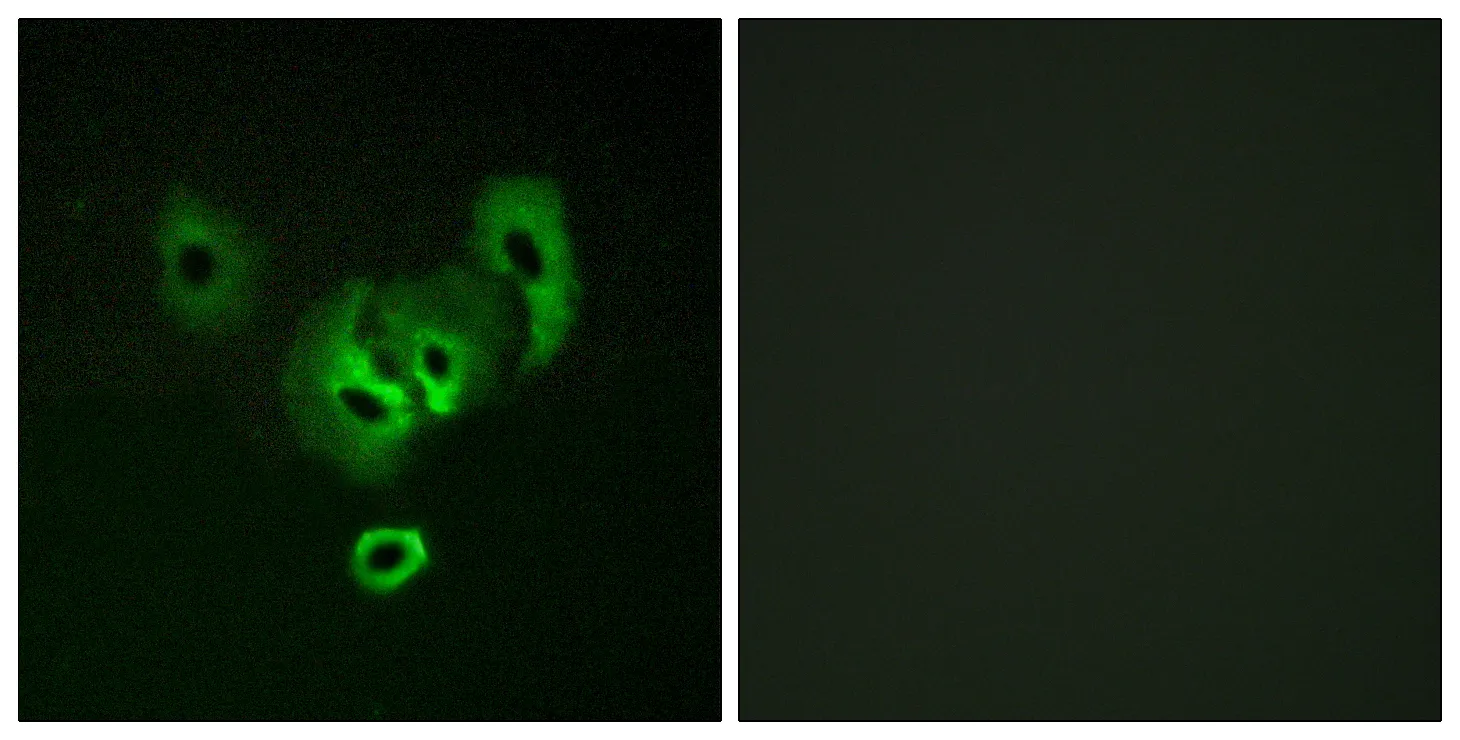
| アプリケーション | WB,IHC,ICC/IF,ELISA |
| 希釈倍率 | WB 1:500-1:2000,IHC 1:100-1:300,ICC/IF 1:50-1:200,ELISA 1:5000-1:10000 |
| 分子量 | 117kDa |
研究分野
| Axon guidance; |
背景
| この遺伝子は、受容体チロシンキナーゼ膜貫通糖タンパク質のEph受容体ファミリーのメンバーをコードしています。これらの受容体は、N末端グリコシル化リガンド結合ドメイン、膜貫通領域、および細胞内キナーゼドメインで構成されています。これらはエフリンと呼ばれるリガンドに結合し、運動、分裂、分化などの多様な細胞プロセスに関与しています。Eph-エフリンシグナル伝達の特徴は、受容体とリガンドの両方がシグナル伝達カスケードを伝達し、双方向のシグナル伝達をもたらすことです。このタンパク質は、EphBと呼ばれるEph受容体のサブグループに属します。このサブグループのタンパク質は、配列相同性と膜結合型エフリンBリガンドへの優先的な結合親和性によって、ファミリーの他のメンバーと区別されます。対立遺伝子変異は、前立腺がんおよび脳腫瘍の感受性と関連しています。選択的スプライシングにより、複数の触媒活性が発生します。ATP + a [タンパク質]-L-チロシン = ADP + a [タンパク質]-L-チロシンリン酸。,疾患:EPHB2 の欠陥は、前立腺がんの脳転移の発生に関係しています [MIM:603688]。,疾患:EPHB2 の欠陥は、前立腺がんの進行に関係しています [MIM:176807]。,機能:エフリン B ファミリーのメンバーの受容体。腫瘍抑制因子として作用します。,類似性:タンパク質キナーゼスーパーファミリーに属します。Tyr タンパク質キナーゼファミリー。,類似性:タンパク質キナーゼスーパーファミリーに属します。Tyr タンパク質キナーゼファミリー。エフリン受容体サブファミリー。,類似性:1つのタンパク質キナーゼドメインを含む。,類似性:1つのSAM(無菌αモチーフ)ドメインを含む。,類似性:2つのIII型フィブロネクチンドメインを含む。,サブユニット:リガンド活性化型は、SH2ドメインを介してGTPase活性化タンパク質(RASGAP)を含む複数のタンパク質と相互作用する。膜近傍チロシン残基を介してRASGAPに結合する。PRKCABPおよびGRIP1と相互作用する。,組織特異性:脳、心臓、肺、腎臓、胎盤、膵臓、肝臓、骨格筋。胎児脳で優先的に発現する。, |