

ERAB Rabbit Polyclonal Antibody

ERAB Rabbit Polyclonal Antibody

Cat: APRab10561
Boyut:20μL Fiyat:$99_x000D_
Boyut:50μL Fiyat:$118_x000D_
Boyut:100μL Fiyat:$220_x000D_
Boyut:200μL Fiyat:$380_x000D_
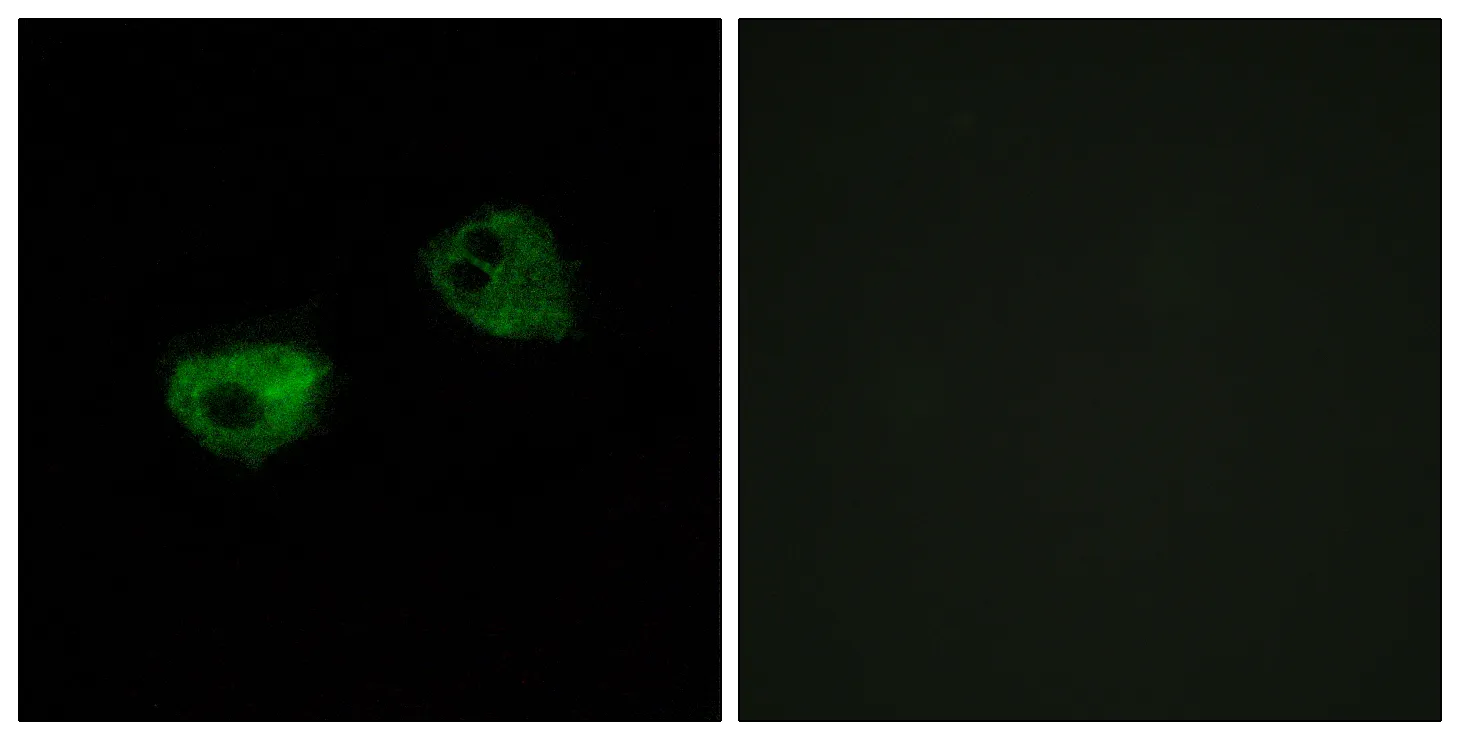
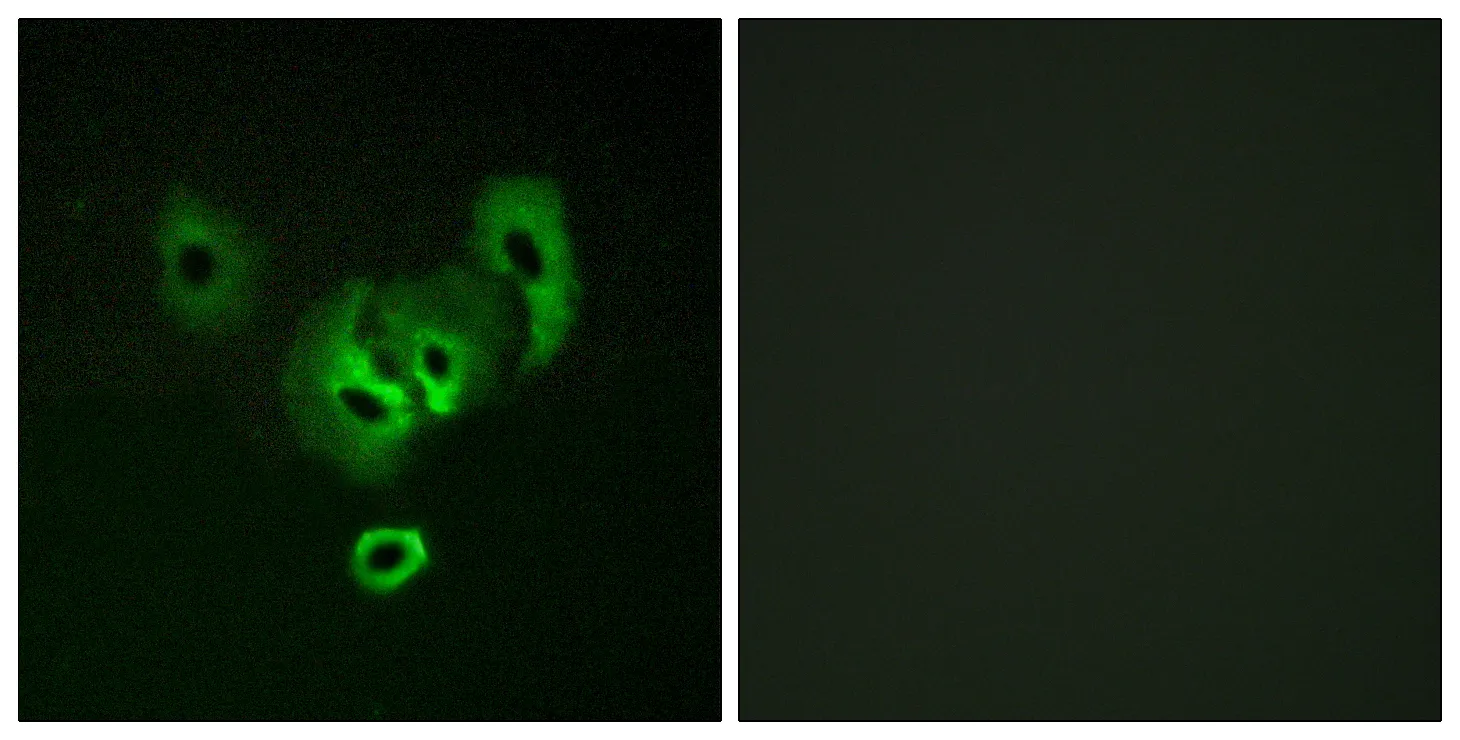
Uygulama:WB,IHC,ICC/IF,ELISA
Reaktivite:Human,Mouse,Rat,Monkey
Konjuge:Unconjugated
İsteğe bağlı konjugeler: Biotin, FITC (ücretsiz). Diğer 26 konjugatı görün.

Gen Adı:HSD17B10
Category: ポリクローナル抗体 Tags: , , , , , , , , , , ,
ERAB Rabbit Polyclonal Antibody
Konjugasyon: Unconjugated
Rabbit polyclonal Antibody
Uygulama
IHC  ICC/IF  ELISA WB,IHC,ICC/IF,ELISA
Reaktivite
Human,Mouse,Rat,Monkey
Gen Adı
HSD17B10
Saklama
Aliquot and store at -20°C (valid for 12 months). Avoid freeze/thaw cycles.
Özet
Ürün Adı ERAB Rabbit Polyclonal Antibody
Açıklama Rabbit polyclonal Antibody
Konak Rabbit
Reaktivite Human,Mouse,Rat,Monkey
Konjugasyon Unconjugated
Modifikasyon Unmodified
İzotip IgG
Klonalite Polyclonal
Form Liquid
Konsantrasyon Unconjugated
Saklama Aliquot and store at -20°C (valid for 12 months). Avoid freeze/thaw cycles.
Nakliye Ice bags.
Tampon Liquid in PBS containing 50% glycerol, 0.5% protective protein and 0.02% New type preservative N.
Saflaştırma Affinity purification
Antijen Bilgisi
Gen Adı HSD17B10
Alternatif İsimler HSD17B10; ERAB; HADH2; MRPP2; SCHAD; XH98G2; 3-hydroxyacyl-CoA dehydrogenase type-2; 17-beta-hydroxysteroid dehydrogenase 10; 17-beta-HSD 10; 3-hydroxy-2-methylbutyryl-CoA dehydrogenase; 3-hydroxyacyl-CoA dehydrogenase type II; Endoplasmic
Gen Kimliği 3028
SwissProt Kimliği Q99714
İmmünojen The antiserum was produced against synthesized peptide derived from human ERAB. AA range:111-160
Uygulama
Uygulama WB,IHC,ICC/IF,ELISA
Seyreltme Oranı WB 1:500-1:2000,IHC 1:100-1:300,ICC/IF 1:50-1:200,ELISA 1:20000-1:40000
Moleküler Ağırlık 27kDa
Araştırma Alanı
Valine; leucine and isoleucine degradation;Alzheimer's disease;
Arka Plan
This gene encodes 3-hydroxyacyl-CoA dehydrogenase type II, a member of the short-chain dehydrogenase/reductase superfamily. The gene product is a mitochondrial protein that catalyzes the oxidation of a wide variety of fatty acids and steroids, and is a subunit of mitochondrial ribonuclease P, which is involved in tRNA maturation. The protein has been implicated in the development of Alzheimer disease, and mutations in the gene are the cause of 17beta-hydroxysteroid dehydrogenase type 10 (HSD10) deficiency. Several alternatively spliced transcript variants have been identified, but the full-length nature of only two transcript variants has been determined. [provided by RefSeq, Aug 2014],catalytic activity:(2S,3S)-3-hydroxy-2-methylbutanoyl-CoA + NAD(+) = 2-methylacetoacetyl-CoA + NADH.,catalytic activity:(S)-3-hydroxyacyl-CoA + NAD(+) = 3-oxoacyl-CoA + NADH.,disease:A chromosomal microduplication involving HSD17B10 and HUWE1 is the cause of mental retardation X-linked type 17 (MRX17) [MIM:300705]; also known as mental retardation X-linked type 31 (MRX31). Mental retardation is characterized by significantly sub-average general intellectual functioning associated with impairments in adaptative behavior and manifested during the developmental period. In contrast to syndromic or specific X-linked mental retardation which also present with associated physical, neurological and/or psychiatric manifestations, intellectual deficiency is the only primary symptom of non-syndromic X-linked mental retardation.,disease:Defects in HSD17B10 are the cause of 2-methyl-3-hydroxybutyryl-CoA dehydrogenase deficiency (MHBD deficiency) [MIM:300438]. MHBD deficiency leads to neurological abnormalities, including psychomotor retardation, and, in virtually all patients, loss of mental and motor skills.,disease:Defects in HSD17B10 are the cause of mental retardation syndromic X-linked type 10 (MRXS10) [MIM:300220]. MRXS10 is characterized by mild mental retardation, choreoathetosis and abnormal behavior.,function:Functions in mitochondrial tRNA maturation. Part of mitochondrial ribonuclease P, an enzyme composed of MRPP1/RG9MTD1, MRPP2/HSD17B10 and MRPP3/KIAA0391, which cleaves tRNA molecules in their 5'-ends. By interacting with intracellular amyloid-beta, it may contribute to the neuronal dysfunction associated with Alzheimer disease (AD).,similarity:Belongs to the short-chain dehydrogenases/reductases (SDR) family.,subunit:Homotetramer (By similarity). Interacts with MRPP1/RG9MTD1 and MRPP3/KIAA0391.,tissue specificity:Expressed in normal tissues but is overexpressed in neurons affected in AD.,
   💬 WhatsApp