

EDG-4ウサギポリクローナル抗体
コンジュゲーション: 非共役
ウサギポリクローナル抗体
アプリケーション
反応性
人間、ネズミ、サル
遺伝子名
LPAR2
保存
小分けして-20℃で保存してください(12ヶ月間有効)。凍結融解サイクルは避けてください。
要約
| 製品名 | EDG-4ウサギポリクローナル抗体 |
| 説明 | ウサギポリクローナル抗体 |
| 宿主 | うさぎ |
| 反応性 | 人間、ネズミ、サル |
| コンジュゲーション | 非共役 |
| 修飾 | 未修正 |
| アイソタイプ | IgG |
| クローン性 | ポリクローナル |
| 形態 | 液体 |
| 濃度 | 非共役 |
| 保存 | 小分けして-20℃で保存してください(12ヶ月間有効)。凍結融解サイクルは避けてください。 |
| 配送 | 氷嚢。 |
| バッファー | 50% グリセロール、0.5% 保護タンパク質、0.02% 新タイプ防腐剤 N を含む PBS 液。 |
| 精製 | アフィニティー精製 |
抗原情報
| 遺伝子名 | LPAR2 |
| 別名 | LPAR2; EDG4; LPA2; Lysophosphatidic acid receptor 2; LPA receptor 2; LPA-2; Lysophosphatidic acid receptor Edg-4 |
| 遺伝子ID | 9170 |
| SwissProt ID | Q9HBW0 |
| 免疫原 | 抗血清はヒトEDG4由来の合成ペプチドに対して作製された。アミノ酸範囲:271-320 |
アプリケーション
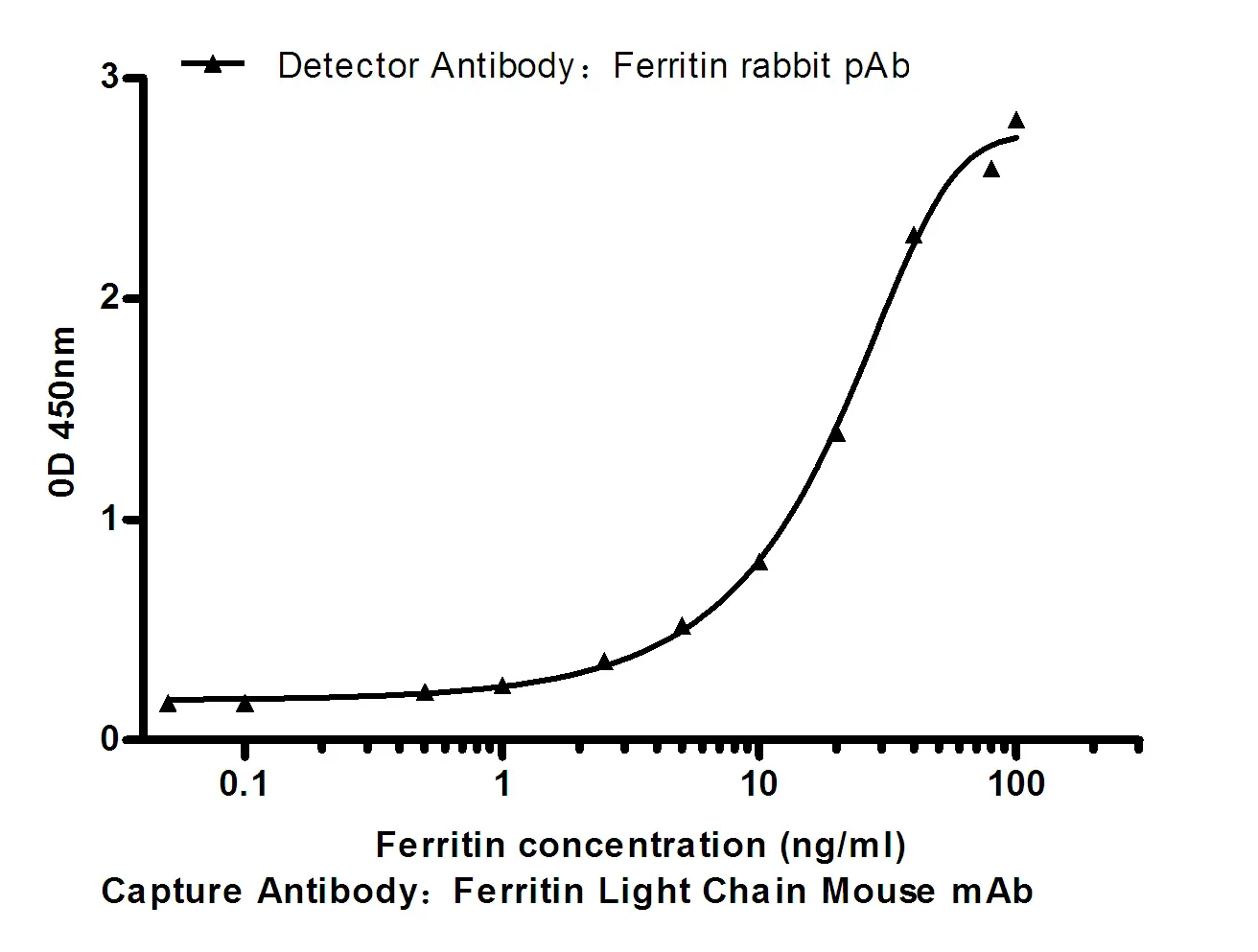
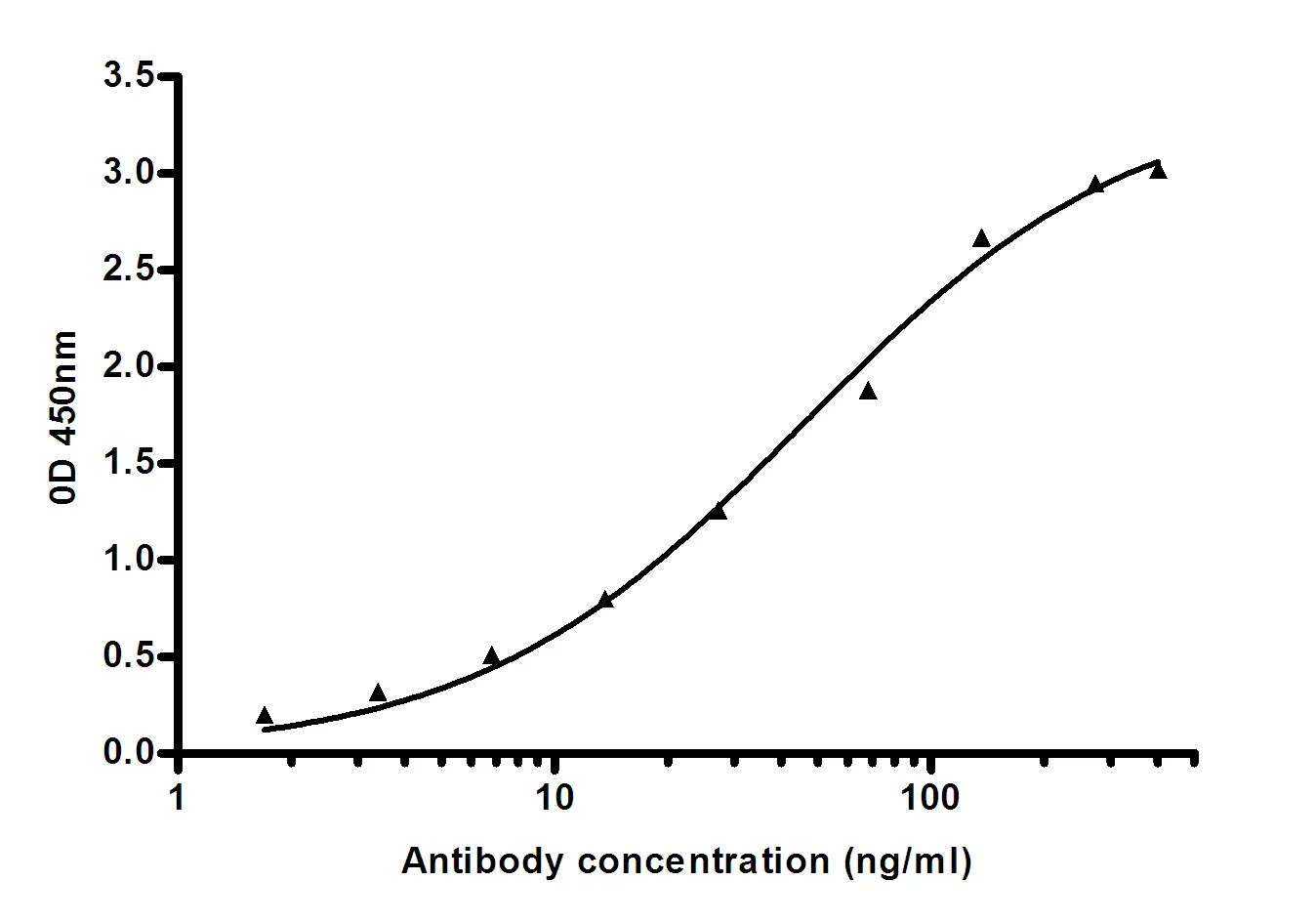
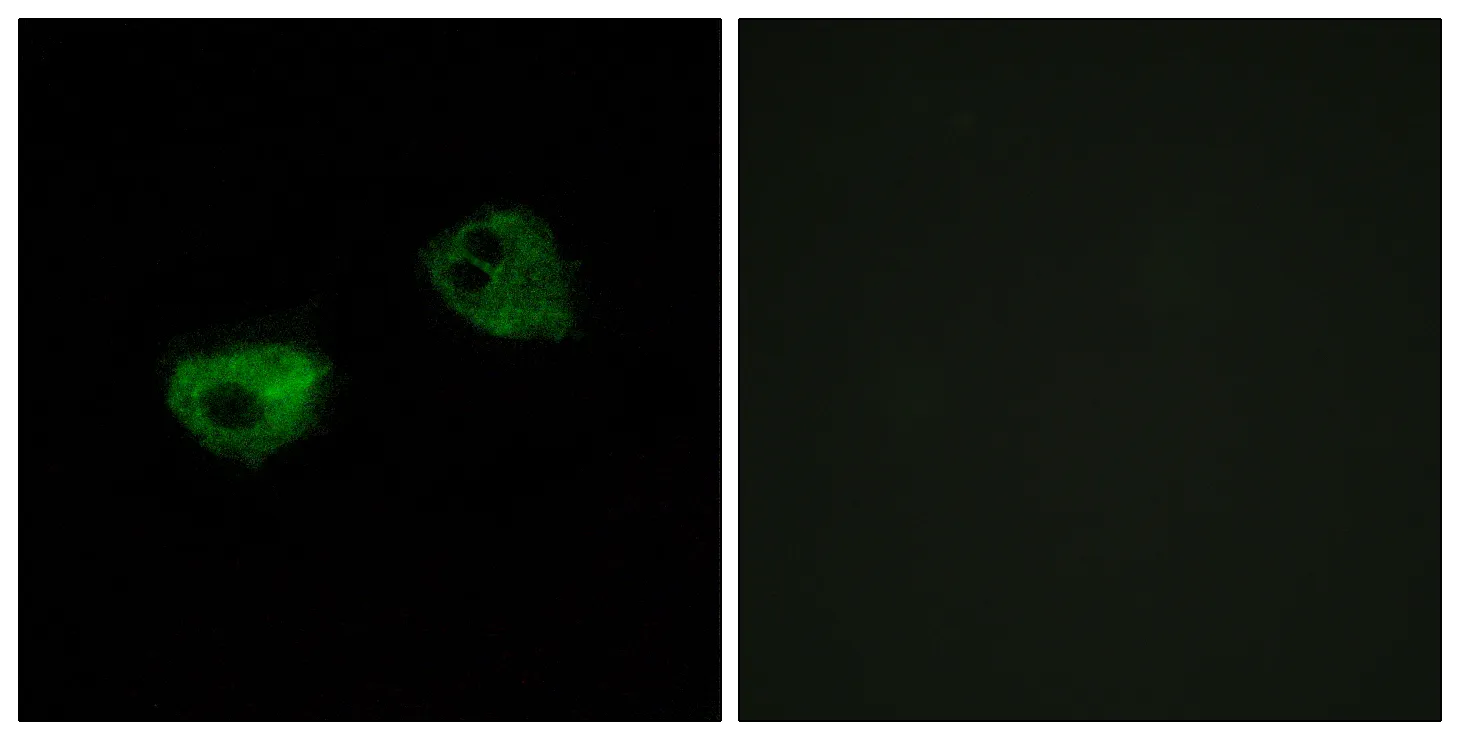
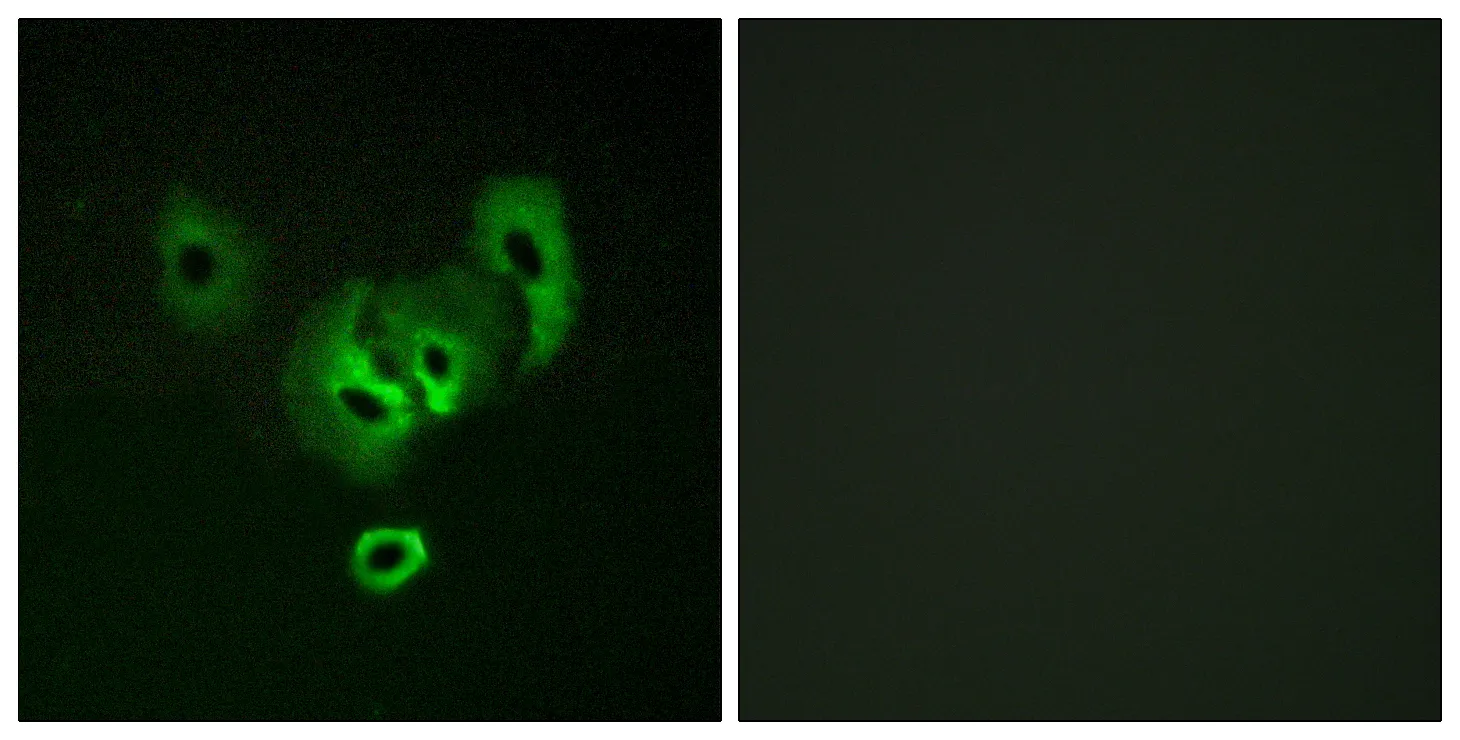
| アプリケーション | WB,ICC/IF,ELISA |
| 希釈倍率 | WB 1:500-1:2000,ICC/IF 1:200-1:1000,ELISA 1:20000-1:40000 |
| 分子量 | 39kDa |
研究分野
| Neuroactive ligand-receptor interaction; |
背景
| リゾホスファチジン酸受容体2(LPAR2) Homo sapiens この遺伝子は、Gタンパク質共役受容体のファミリーIのメンバー、およびEDGファミリーのタンパク質をコードしています。このタンパク質はリゾホスファチジン酸(LPA)受容体として機能し、GiおよびGqタンパク質との結合を介して、細胞内のLPAに対する重要な細胞応答であるCa2+動員に寄与します。選択的スプライスバリアントが記載されていますが、その全長配列は決定されていません。[RefSeq提供、2008年7月]、機能:多様な細胞活動のメディエーターであるリゾホスファチジン酸(LPA)の受容体。ヘテロ多量体Gタンパク質のG(i)/G(o)、G(12)/G(13)、およびG(q)ファミリーと共役しているようです。ホスホリパーゼC-β(PLC-β)シグナル伝達経路において重要な役割を果たします。,その他:PubMed:9525886 cDNAクローンは、C末端コード領域付近でフレームシフトを引き起こすグアニンヌクレオチド欠失を有しています。これは、cDNAが単離された卵巣腫瘍細胞における体細胞変異を反映している可能性が高く、コードされている受容体の機能を変化させ、腫瘍を形成した元の卵巣細胞の形質転換に寄与した可能性があります。,類似性:Gタンパク質共役受容体1ファミリーに属します。,サブユニット:SLC9A3R2/NHERF2、MAGI3、およびPLCB3と相互作用します。,組織特異性:精巣および末梢血白血球で最も多く発現し、膵臓、脾臓、胸腺、前立腺では発現が低いです。心臓、脳、胎盤、肺、肝臓、骨格筋、腎臓、卵巣、小腸、結腸では発現がほとんどないか全くありません。 |