ジスケリンウサギポリクローナル抗体
コンジュゲーション: 非共役
ウサギポリクローナル抗体
アプリケーション
反応性
ヒト、マウス、ラット
遺伝子名
DKC1
保存
小分けして-20℃で保存してください(12ヶ月間有効)。凍結融解サイクルは避けてください。
要約
| 製品名 | ジスケリンウサギポリクローナル抗体 |
| 説明 | ウサギポリクローナル抗体 |
| 宿主 | うさぎ |
| 反応性 | ヒト、マウス、ラット |
| コンジュゲーション | 非共役 |
| 修飾 | 未修正 |
| アイソタイプ | IgG |
| クローン性 | ポリクローナル |
| 形態 | 液体 |
| 濃度 | 非共役 |
| 保存 | 小分けして-20℃で保存してください(12ヶ月間有効)。凍結融解サイクルは避けてください。 |
| 配送 | 氷嚢。 |
| バッファー | 50% グリセロール、0.5% 保護タンパク質、0.02% 新タイプ防腐剤 N を含む PBS 液。 |
| 精製 | アフィニティー精製 |
抗原情報
| 遺伝子名 | DKC1 |
| 別名 | DKC1; NOLA4; H/ACA ribonucleoprotein complex subunit 4; CBF5 homolog; Dyskerin; Nopp140-associated protein of 57 kDa; Nucleolar protein NAP57; Nucleolar protein family A member 4; snoRNP protein DKC1 |
| 遺伝子ID | 1736 |
| SwissProt ID | O60832 |
| 免疫原 | 抗血清はヒトジスケリン由来の合成ペプチドに対して作製された。アミノ酸範囲:171-220 |
アプリケーション
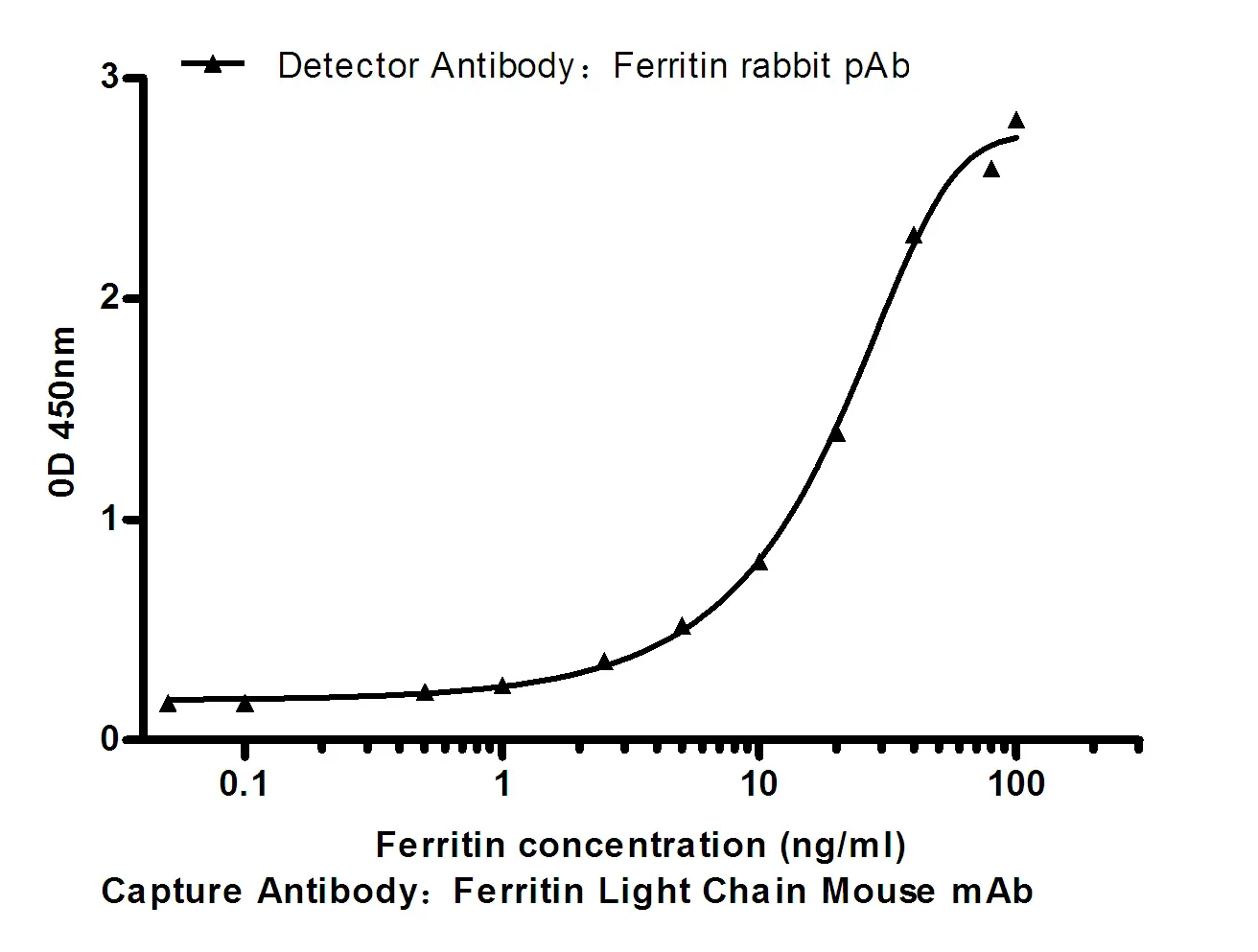
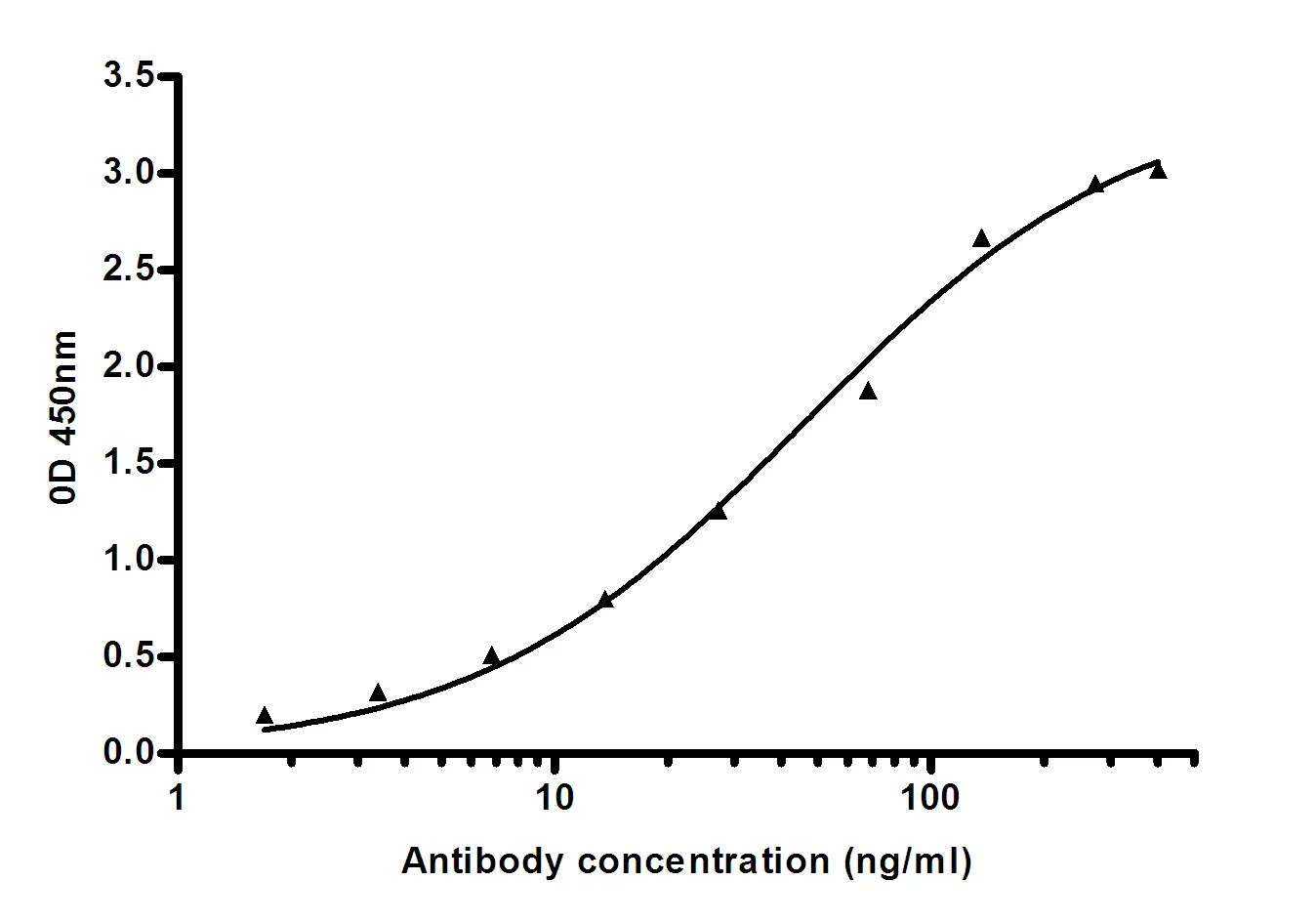
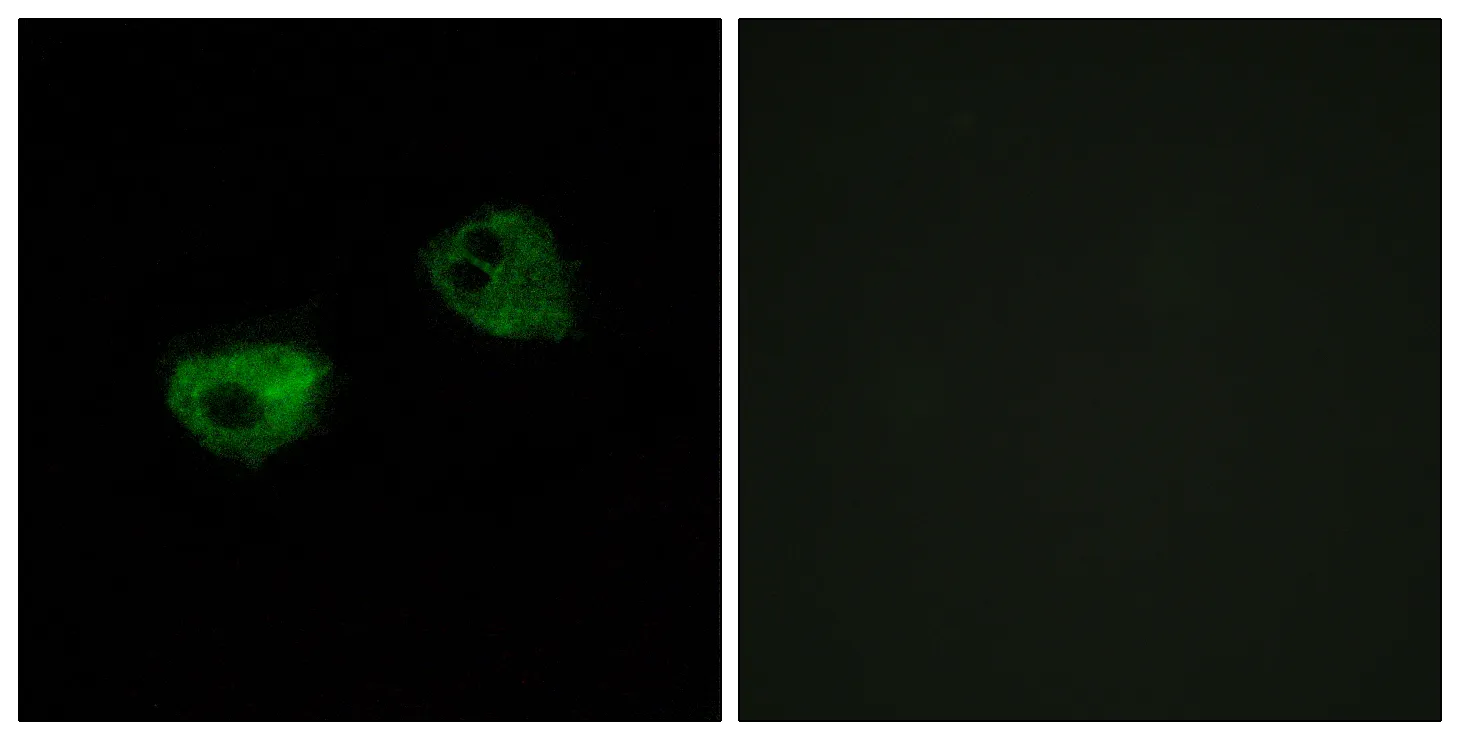
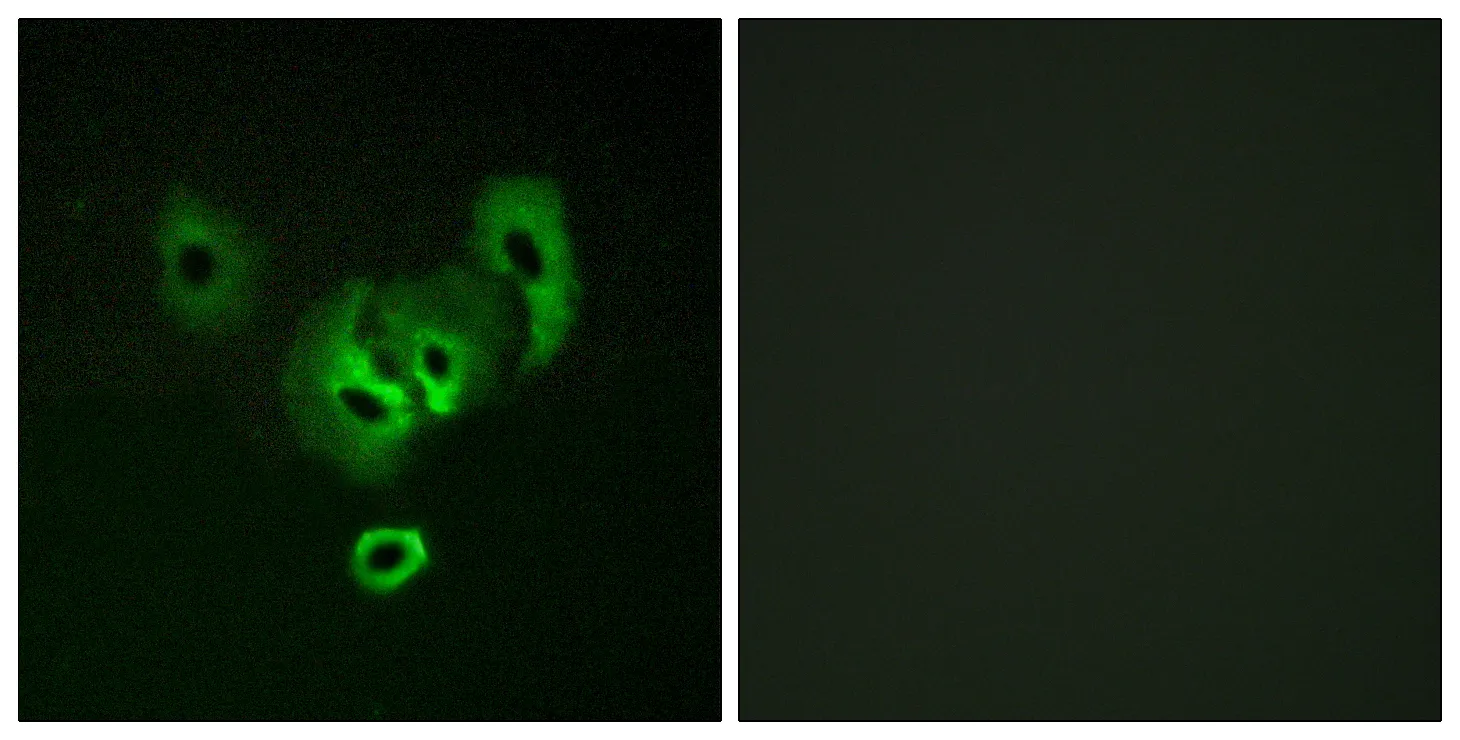
| アプリケーション | WB,IHC,ICC/IF,ELISA |
| 希釈倍率 | WB 1:500-1:2000,IHC 1:100-1:300,ICC/IF 1:200-1:1000,ELISA 1:20000-1:40000 |
| 分子量 | 57kDa |
研究分野
| Epigenetics and Nuclear Signaling |
背景
| ジスケリン擬似ウリジン合成酵素1(DKC1)ホモサピエンス この遺伝子は2つの異なる複合体で機能する。テロメラーゼの安定化と維持、ならびにH/ACA配列を含むsnoRNAの認識に重要な役割を果たす。snoRNAは生合成およびH/ACA核小体小RNAリボ核タンパク質(snoRNP)への組み立てにおいて安定性を提供する。この遺伝子は高度に保存され、広く発現しており、核と細胞質間の輸送、DNA損傷応答、細胞接着においても役割を果たしている可能性がある。変異はX連鎖性先天性角化異常症と関連している。選択的スプライシングにより、複数の転写産物バリアントが生じる。 [RefSeq提供、2014年1月],触媒活性:RNAウリジン = RNAシュードウリジン。,疾患:DKC1の欠陥は、X連鎖劣性遺伝性先天性角化異常症(XDKC)[MIM:305000]の原因です。XDKCは、網状皮膚色素沈着、爪異栄養症、粘膜白板症の3つの症状を特徴とする、まれな進行性骨髄不全症候群です。早期死亡は、骨髄不全、感染症、致死的な肺合併症、または悪性腫瘍を伴うことがよくあります。,疾患:DKC1の欠陥は、ホイエラアル・ヘイダルソン症候群(HHS)[MIM:300240]の原因です。 HHSは男性に発症する多臓器疾患であり、再生不良性貧血、免疫不全、小頭症、小脳低形成、および成長遅延を特徴とする。,機能:リボソームの生合成とテロメアの維持に必須。H/ACA小型核小体リボ核タンパク質(H/ACA snoRNP)複合体の触媒サブユニットと考えられ、rRNAの擬似ウリジン化を触媒する。この反応ではウリジンの異性化が起こり、リボースは通常のN1ではなくC5に付加される。各rRNAは最大100個の擬似ウリジン(「psi」)残基を含むことができ、rRNAの構造を安定化させる役割を果たしていると考えられる。また、テロメラーゼ逆転写酵素(TERT)ホロ酵素のRNA成分であるTERCの正しいプロセシングや核内輸送にも必要です。,オンライン情報:DKC1変異db,類似性:擬似ウリジン合成酵素truBファミリーに属します。,類似性:1つのPUAドメインを含みます。,細胞内局在:カハール体(コイル体)にも局在します。,サブユニット:H/ACA小型核小体リボ核タンパク質(H/ACA snoRNP)複合体の一部で、NHP2/NOLA2、GAR1/NOLA1、NOP10/NOLA3、および触媒サブユニットであると推定されるDKC1/NOLA4を含みます。複合体には、1つまたは2つのNOP10-DKC1ヘテロダイマーがNHP2に結合して形成される安定したコアが含まれます。その後、GAR1がDKC1を介してこのコアに結合します。この複合体は、ボックスH/ACA低分子核小体RNA(snoRNA)に結合し、RNA基質内の特定の修飾部位を標的とする可能性があります。複合体の組み立て過程において、複合体にはGAR1/NOLA1の代わりにNAF1が含まれます。また、この複合体は、ボックスH/ACA snoRNAに関連する3'末端ドメインを含むTERCとも相互作用します。snoRNAまたはTERCとの特異的な相互作用は、GAR1およびNHP2によって媒介されます。NOLC1/NOPP140と会合します。H/ACA snoRNPは、SMN1またはSMN2、SIP1/GEMIN2、DDX20/GEMIN3、およびGEMIN4からなるSMN複合体と相互作用します。これは、GAR1とSMN1またはSMN2との相互作用によって媒介されます。SMN複合体は、H/ACA snoRNP複合体の正しい組み立てに必要である可能性があります。テロメラーゼホロ酵素複合体の構成要素であり、少なくともTERT、DKC1、WDR79/TCAB1、NOP10、NHP2、GAR1、TEP1、EST1A、POT1およびテロメラーゼRNAテンプレート構成要素(TERC)から構成される。,組織特異性:普遍的に発現する。, |