

Dok-6ウサギポリクローナル抗体
コンジュゲーション: 非共役
ウサギポリクローナル抗体
アプリケーション
反応性
ヒト、マウス
遺伝子名
DOK6
保存
小分けして-20℃で保存してください(12ヶ月間有効)。凍結融解サイクルは避けてください。
要約
| 製品名 | Dok-6ウサギポリクローナル抗体 |
| 説明 | ウサギポリクローナル抗体 |
| 宿主 | うさぎ |
| 反応性 | ヒト、マウス |
| コンジュゲーション | 非共役 |
| 修飾 | 未修正 |
| アイソタイプ | IgG |
| クローン性 | ポリクローナル |
| 形態 | 液体 |
| 濃度 | 非共役 |
| 保存 | 小分けして-20℃で保存してください(12ヶ月間有効)。凍結融解サイクルは避けてください。 |
| 配送 | 氷嚢。 |
| バッファー | 50% グリセロール、0.5% 保護タンパク質、0.02% 新タイプ防腐剤 N を含む PBS 液。 |
| 精製 | アフィニティー精製 |
抗原情報
| 遺伝子名 | DOK6 |
| 別名 | DOK6; DOK5L; Docking protein 6; Downstream of tyrosine kinase 6 |
| 遺伝子ID | 220164 |
| SwissProt ID | Q6PKX4 |
| 免疫原 | 抗血清はヒトDOK6由来の合成ペプチドに対して作製された。アミノ酸範囲:111-160 |
アプリケーション
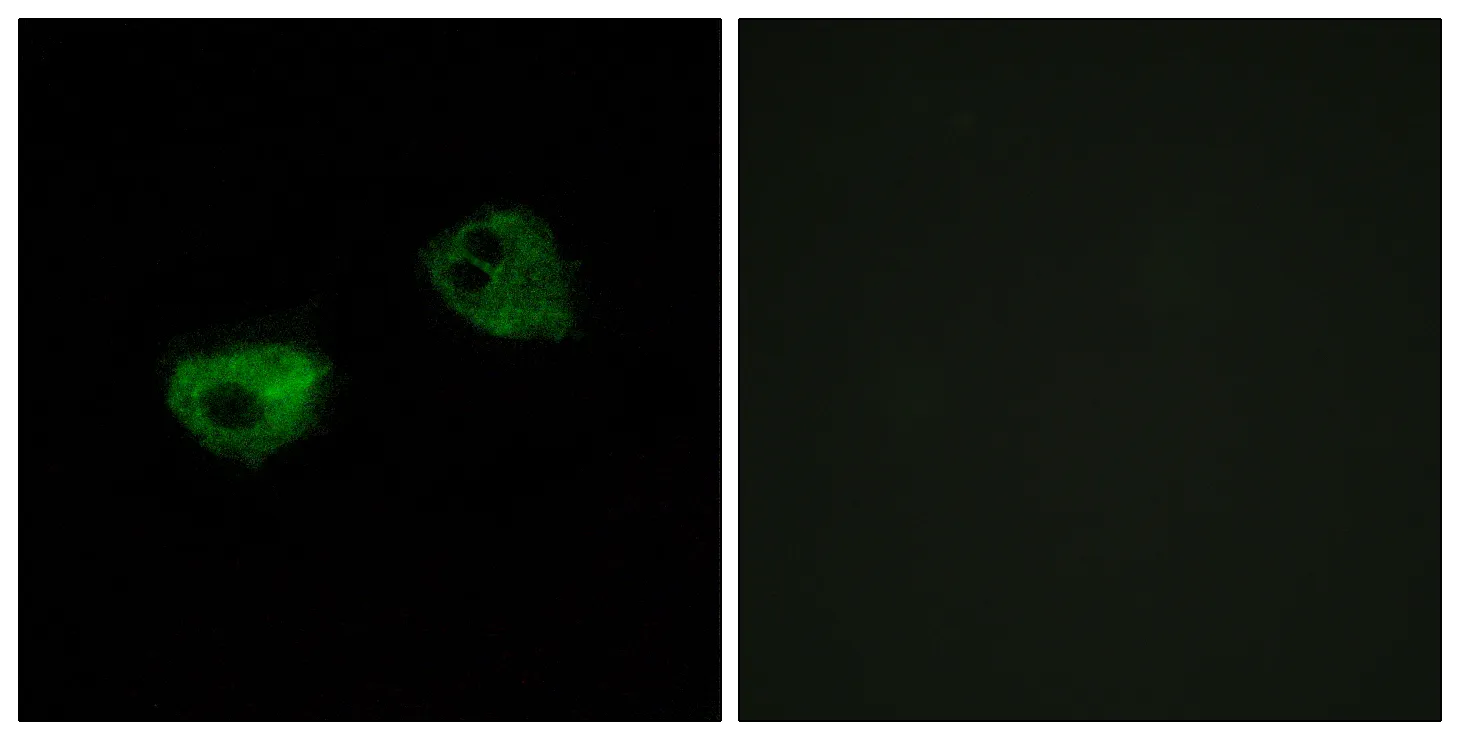
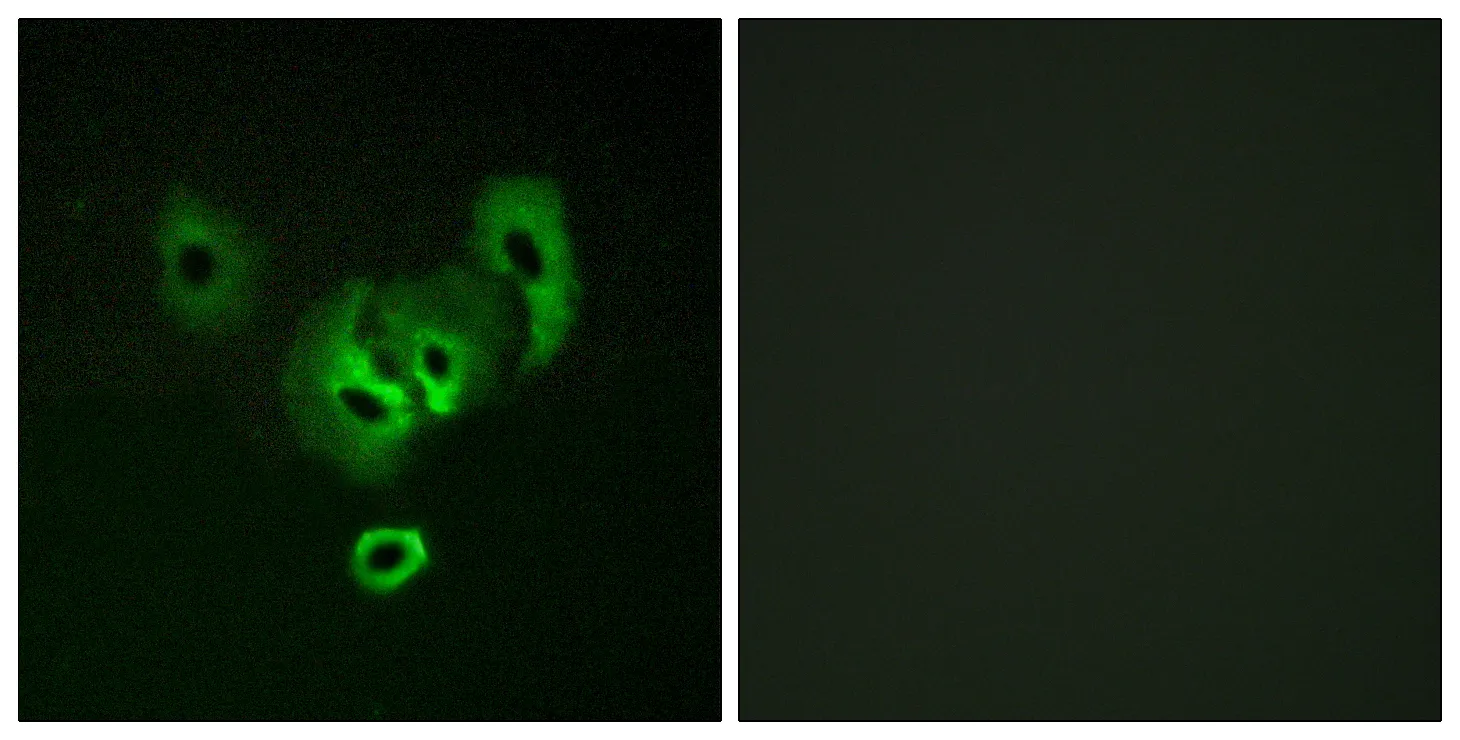
| アプリケーション | WB,IHC,ICC/IF,ELISA |
| 希釈倍率 | WB 1:500-1:2000,IHC 1:100-1:300,ICC/IF 1:200-1:1000,ELISA 1:5000-1:20000 |
| 分子量 | 43kDa |
研究分野
背景
| ドッキングタンパク質6(DOK6) ホモサピエンスDOK6は、DOK(DOK1参照;MIM 602919)ファミリーに属する細胞内アダプターであり、RET(MIM 164761)シグナル伝達カスケードにおいて役割を果たします(Crowder et al., 2004 [PubMed 15286081])。[OMIM提供、2008年3月],ドメイン:PTBドメインは受容体との相互作用を媒介します。,機能:DOKタンパク質は、酵素的に不活性なアダプターまたは足場タンパク質です。多分子シグナル伝達複合体の組み立てのためのドッキングプラットフォームを提供します。DOK6は、Retを介した神経突起の成長を促進します。脳の発達および/または維持に関与している可能性がある。,PTM:Retが活性化されると、Srcファミリーキナーゼによって1つ以上のC末端チロシン残基がリン酸化される。,類似性:DOKファミリーに属する。タイプBサブファミリー。,類似性:IRS型PTBドメインを1つ含む。,類似性:PHドメインを1つ含む。,サブユニット:PTBドメインを介してリン酸化RETと相互作用する。,組織特異性:胎児および成人の脳で高発現。小脳で高発現。腎臓、脊髄、精巣で弱い発現。, |