

DNA Ligase IV Rabbit Polyclonal Antibody

DNA Ligase IV Rabbit Polyclonal Antibody

Cat: APRab10051
Boyut:20μL Fiyat:$99_x000D_
Boyut:50μL Fiyat:$118_x000D_
Boyut:100μL Fiyat:$220_x000D_
Boyut:200μL Fiyat:$380_x000D_
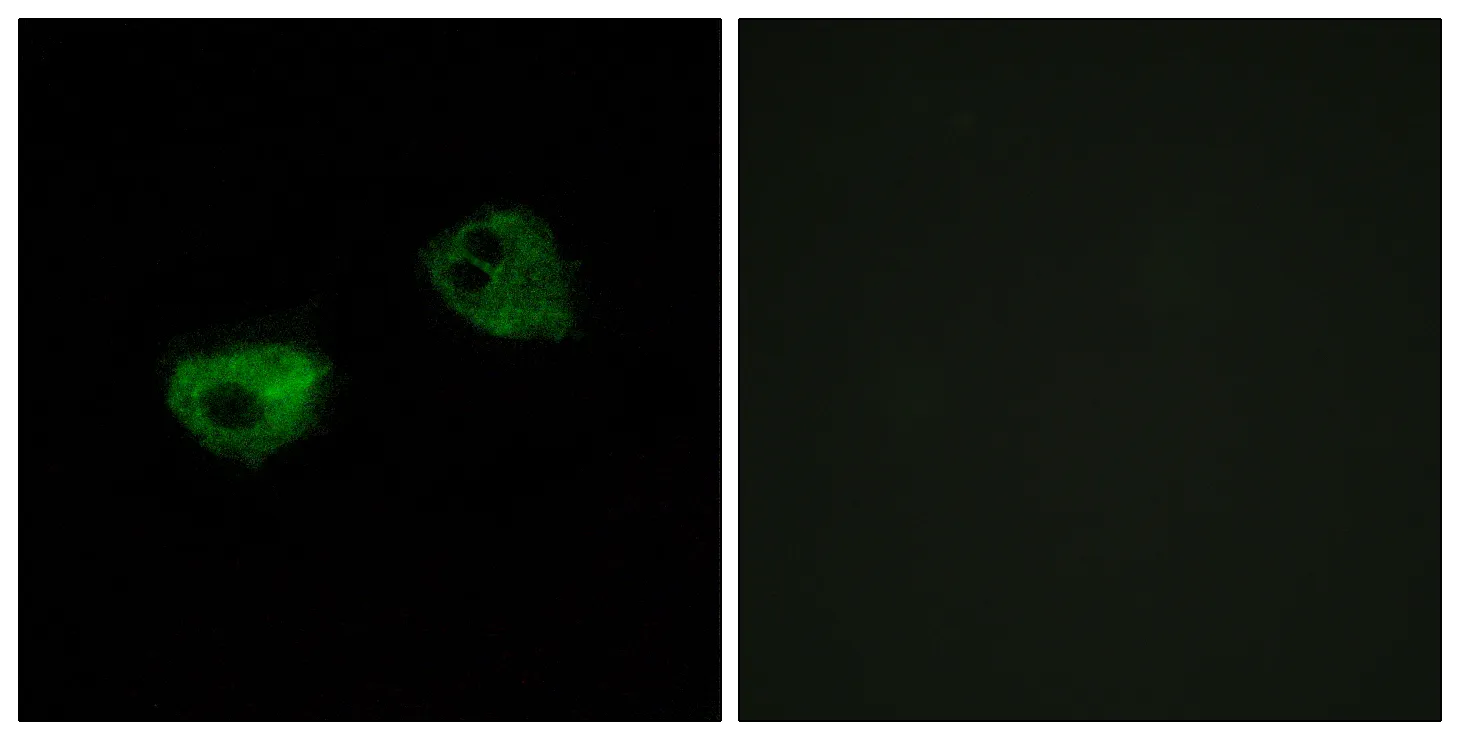
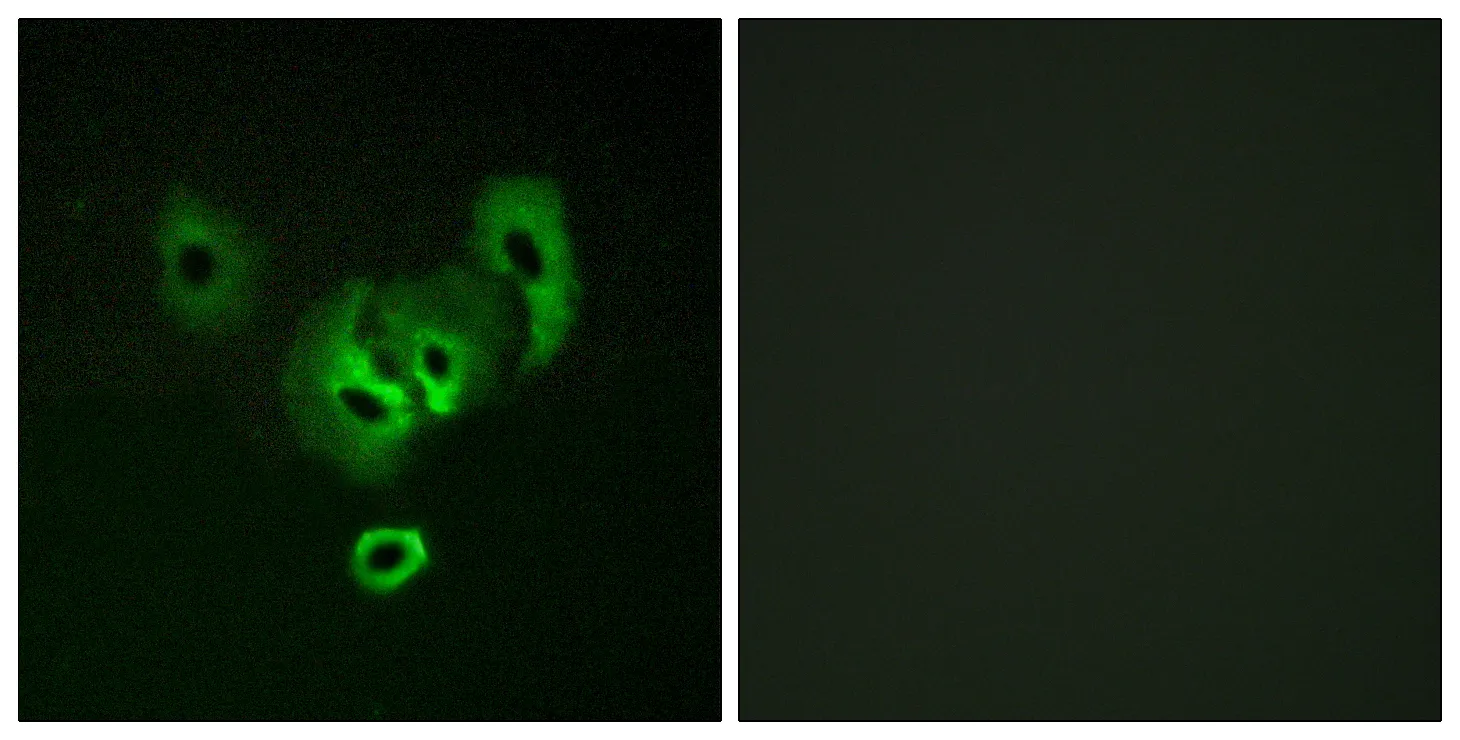
Uygulama:WB,IHC,ICC/IF,ELISA
Reaktivite:Human,Rat,Mouse
Konjuge:Unconjugated
İsteğe bağlı konjugeler: Biotin, FITC (ücretsiz). Diğer 26 konjugatı görün.

Gen Adı:LIG4
Category: ポリクローナル抗体 Tags: , , , , , , , , , ,
DNA Ligase IV Rabbit Polyclonal Antibody
Konjugasyon: Unconjugated
Rabbit polyclonal Antibody
Uygulama
IHC  ICC/IF  ELISA WB,IHC,ICC/IF,ELISA
Reaktivite
Human,Rat,Mouse
Gen Adı
LIG4
Saklama
Aliquot and store at -20°C (valid for 12 months). Avoid freeze/thaw cycles.
Özet
Ürün Adı DNA Ligase IV Rabbit Polyclonal Antibody
Açıklama Rabbit polyclonal Antibody
Konak Rabbit
Reaktivite Human,Rat,Mouse
Konjugasyon Unconjugated
Modifikasyon Unmodified
İzotip IgG
Klonalite Polyclonal
Form Liquid
Konsantrasyon Unconjugated
Saklama Aliquot and store at -20°C (valid for 12 months). Avoid freeze/thaw cycles.
Nakliye Ice bags.
Tampon Liquid in PBS containing 50% glycerol, 0.5% protective protein and 0.02% New type preservative N.
Saflaştırma Affinity purification
Antijen Bilgisi
Gen Adı LIG4
Alternatif İsimler LIG4; DNA ligase 4; DNA ligase IV; Polydeoxyribonucleotide synthase [ATP] 4
Gen Kimliği 3981
SwissProt Kimliği P49917
İmmünojen The antiserum was produced against synthesized peptide derived from human DNL4. AA range:591-640
Uygulama
Uygulama WB,IHC,ICC/IF,ELISA
Seyreltme Oranı WB 1:500-1:2000,IHC 1:100-1:300,ICC/IF 1:200-1:1000,ELISA 1:10000-1:20000
Moleküler Ağırlık 103kDa
Araştırma Alanı
Non-homologous end-joining;
Arka Plan
The protein encoded by this gene is a DNA ligase that joins single-strand breaks in a double-stranded polydeoxynucleotide in an ATP-dependent reaction. This protein is essential for V(D)J recombination and DNA double-strand break (DSB) repair through nonhomologous end joining (NHEJ). This protein forms a complex with the X-ray repair cross complementing protein 4 (XRCC4), and further interacts with the DNA-dependent protein kinase (DNA-PK). Both XRCC4 and DNA-PK are known to be required for NHEJ. The crystal structure of the complex formed by this protein and XRCC4 has been resolved. Defects in this gene are the cause of LIG4 syndrome. Alternatively spliced transcript variants encoding the same protein have been observed. [provided by RefSeq, Jul 2008],catalytic activity:ATP + (deoxyribonucleotide)(n) + (deoxyribonucleotide)(m) = AMP + diphosphate + (deoxyribonucleotide)(n+m).,cofactor:Magnesium.,disease:Defects in LIG4 are a cause of severe combined immunodeficiency autosomal recessive T-cell-negative/B-cell-negative/NK-cell-positive with sensitivity to ionizing radiation (RSSCID) [MIM:602450]. SCID refers to a genetically and clinically heterogeneous group of rare congenital disorders characterized by impairment of both humoral and cell-mediated immunity, leukopenia, and low or absent antibody levels. Patients with SCID present in infancy with recurrent, persistent infections by opportunistic organisms. The common characteristic of all types of SCID is absence of T-cell-mediated cellular immunity due to a defect in T-cell development. Individuals affected by RS-SCID show defects in the DNA repair machinery necessary for coding joint formation and the completion of V(D)J recombination. A subset of cells from such patients show increased radiosensitivity.,disease:Defects in LIG4 are the cause of LIG4 syndrome [MIM:606593]. This disease is characterized by immunodeficiency and developmental and growth delay. Patients display unusual facial features, microcephaly, growth and/or developmental delay, pancytopenia, and various skin abnormalities.,function:Efficiently joins single-strand breaks in a double-stranded polydeoxynucleotide in an ATP-dependent reaction. Involved in DNA non-homologous end joining (NHEJ) required for double-strand break repair and V(D)J recombination. The LIG4-XRCC4 complex is responsible for the NHEJ ligation step, and XRCC4 enhances the joining activity of LIG4. Binding of the LIG4-XRCC4 complex to DNA ends is dependent on the assembly of the DNA-dependent protein kinase complex DNA-PK to these DNA ends.,online information:DNA ligase entry,online information:LIG4 mutation db,similarity:Belongs to the ATP-dependent DNA ligase family.,similarity:Contains 2 BRCT domains.,subunit:Binds to XRCC4. The LIG4-XRCC4 complex has probably a 1:2 stoichiometry. The LIG4-XRCC4 heteromer associates in a DNA-dependent manner with the DNA-dependent protein kinase complex DNA-PK, formed by the Ku p70/p86 dimer (G22P1/G22P2) and PRKDC.,tissue specificity:Testis, thymus, prostate and heart.,
   💬 WhatsApp