

DMPK Rabbit Polyclonal Antibody

DMPK Rabbit Polyclonal Antibody

Cat: APRab10040
Boyut:20μL Fiyat:$99_x000D_
Boyut:50μL Fiyat:$118_x000D_
Boyut:100μL Fiyat:$220_x000D_
Boyut:200μL Fiyat:$380_x000D_
Uygulama:WB,ELISA
Reaktivite:Human,Rat,Mouse
Konjuge:Unconjugated
İsteğe bağlı konjugeler: Biotin, FITC (ücretsiz). Diğer 26 konjugatı görün.

Gen Adı:DMPK
Category: ポリクローナル抗体 Tags: , , , , , , ,
DMPK Rabbit Polyclonal Antibody
Konjugasyon: Unconjugated
Rabbit polyclonal Antibody
Uygulama
IHC  ICC/IF  ELISA WB,ELISA
Reaktivite
Human,Rat,Mouse
Gen Adı
DMPK
Saklama
Aliquot and store at -20°C (valid for 12 months). Avoid freeze/thaw cycles.
Özet
Ürün Adı DMPK Rabbit Polyclonal Antibody
Açıklama Rabbit polyclonal Antibody
Konak Rabbit
Reaktivite Human,Rat,Mouse
Konjugasyon Unconjugated
Modifikasyon Unmodified
İzotip IgG
Klonalite Polyclonal
Form Liquid
Konsantrasyon Unconjugated
Saklama Aliquot and store at -20°C (valid for 12 months). Avoid freeze/thaw cycles.
Nakliye Ice bags.
Tampon Liquid in PBS containing 50% glycerol, 0.5% protective protein and 0.02% New type preservative N.
Saflaştırma Affinity purification
Antijen Bilgisi
Gen Adı DMPK
Alternatif İsimler DMPK; DM1PK; MDPK; Myotonin-protein kinase; MT-PK; DM-kinase; DMK; DM1 protein kinase; DMPK; Myotonic dystrophy protein kinase
Gen Kimliği 1760
SwissProt Kimliği Q09013
İmmünojen The antiserum was produced against synthesized peptide derived from human DMPK. AA range:11-60
Uygulama
Uygulama WB,ELISA
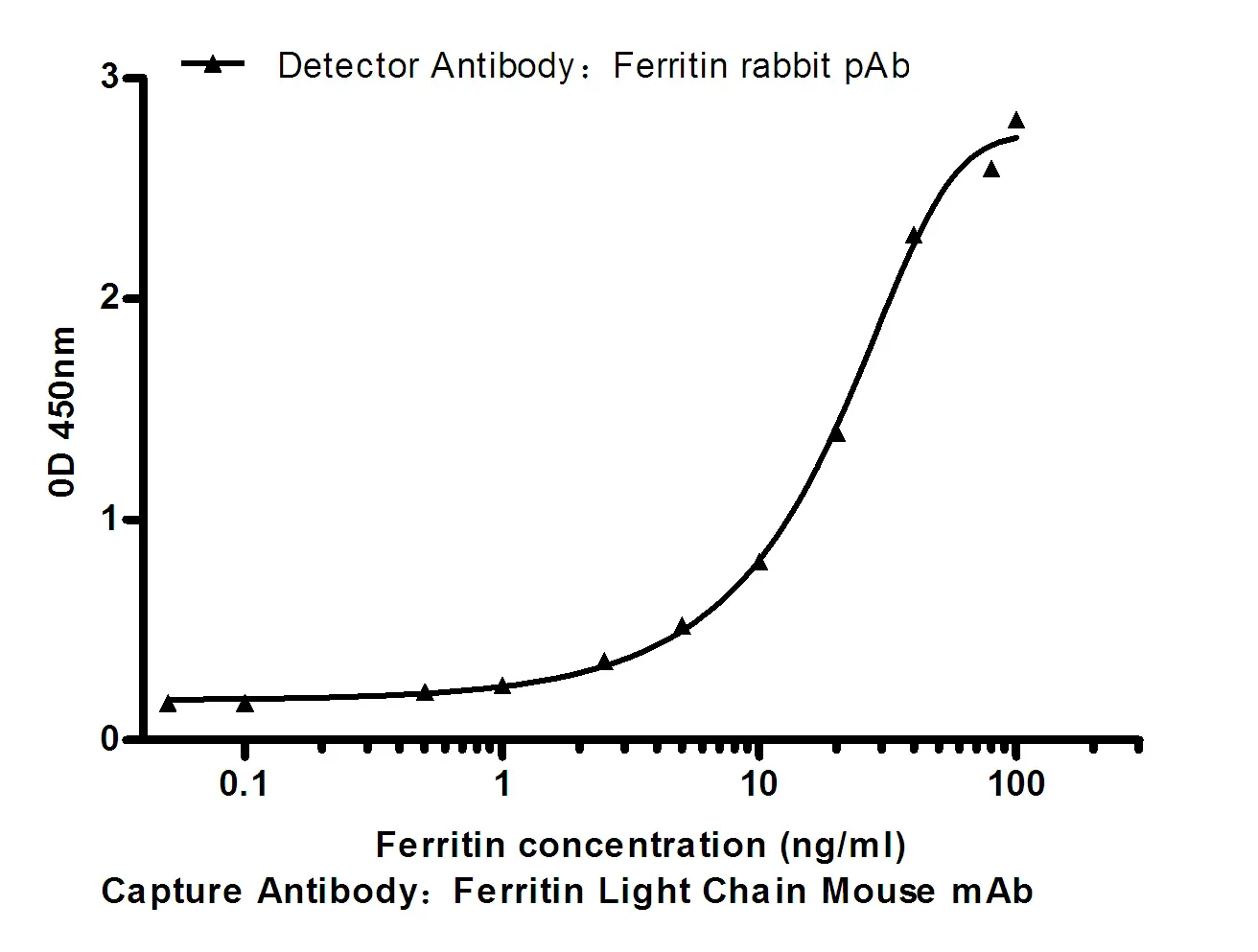
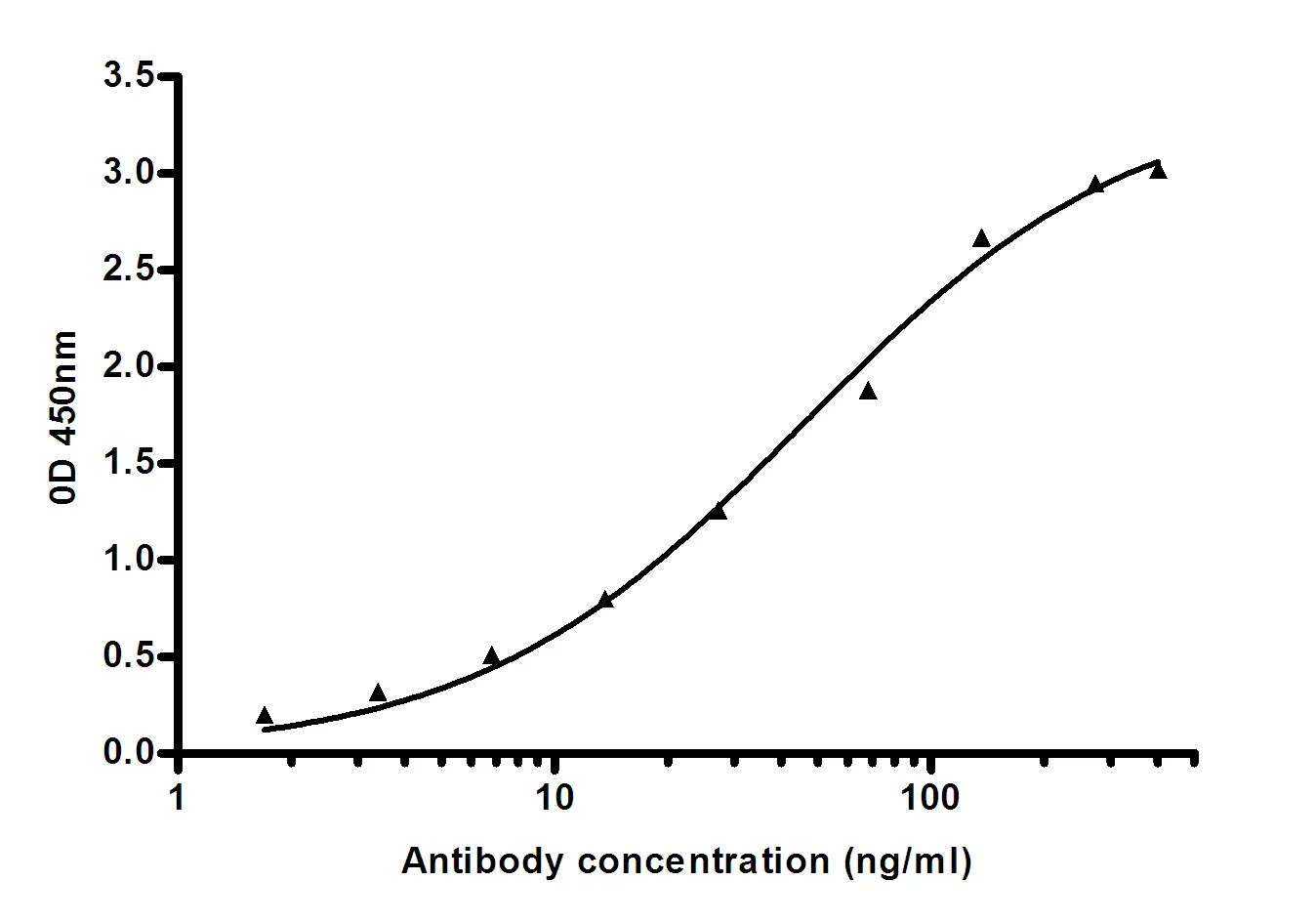
Seyreltme Oranı WB 1:500-1:2000,ELISA 1:20000-1:40000
Moleküler Ağırlık 70kDa
Araştırma Alanı
Arka Plan
The protein encoded by this gene is a serine-threonine kinase that is closely related to other kinases that interact with members of the Rho family of small GTPases. Substrates for this enzyme include myogenin, the beta-subunit of the L-type calcium channels, and phospholemman. The 3' untranslated region of this gene contains 5-38 copies of a CTG trinucleotide repeat. Expansion of this unstable motif to 50-5,000 copies causes myotonic dystrophy type I, which increases in severity with increasing repeat element copy number. Repeat expansion is associated with condensation of local chromatin structure that disrupts the expression of genes in this region. Several alternatively spliced transcript variants of this gene have been described, but the full-length nature of some of these variants has not been determined. [provided by RefSeq, Jul 2016],catalytic activity:ATP + a protein = ADP + a phosphoprotein.,cofactor:Magnesium.,disease:Defects in DMPK are the cause of myotonic dystrophy 1 (DM1) [MIM:160900]; also known as Steinert disease. DM is an autosomal dominant neurodegenerative disorder characterized by myotonia, muscle wasting in the distal extremities, cataract, hypogonadism, defective endocrine functions, male baldness, and cardiac arrhythmias. DM patients show decreased levels of kinase expression inversely related to repeat length. The minimum estimated incidence is 1 in 8'000 live births. DM1 is caused by a CTG expansion in the 3'-UTR of the DMPK gene. The repeat length usually increases in successive generations, but not always.,enzyme regulation:Activated in response to G protein second messengers. Maintained in an inactive conformation by the negative autoregulatory C-terminal coiled-coil region. Coiled-coil mediated oligomerization correlated with enhanced catalytic activity as is proteolytical cleavage near the C-terminus.,function:Critical to the modulation of cardiac contractility and to the maintenance of proper cardiac conduction activity. Phosphorylates phospholamban.,similarity:Belongs to the protein kinase superfamily.,similarity:Belongs to the protein kinase superfamily. AGC Ser/Thr protein kinase family. DMPK subfamily.,similarity:Contains 1 AGC-kinase C-terminal domain.,similarity:Contains 1 protein kinase domain.,tissue specificity:Most isoforms are expressed in many tissues including heart, skeletal muscle, liver and brain, except for isoform 2 which is only found in the heart and skeletal muscle, and isoform 14 which is only found in the brain, with high levels in the striatum, cerebellar cortex and pons.,
   💬 WhatsApp