

Cystatin B Rabbit Polyclonal Antibody

Cystatin B Rabbit Polyclonal Antibody

Cat: APRab09693
Boyut:20μL Fiyat:$99_x000D_
Boyut:50μL Fiyat:$118_x000D_
Boyut:100μL Fiyat:$220_x000D_
Boyut:200μL Fiyat:$380_x000D_
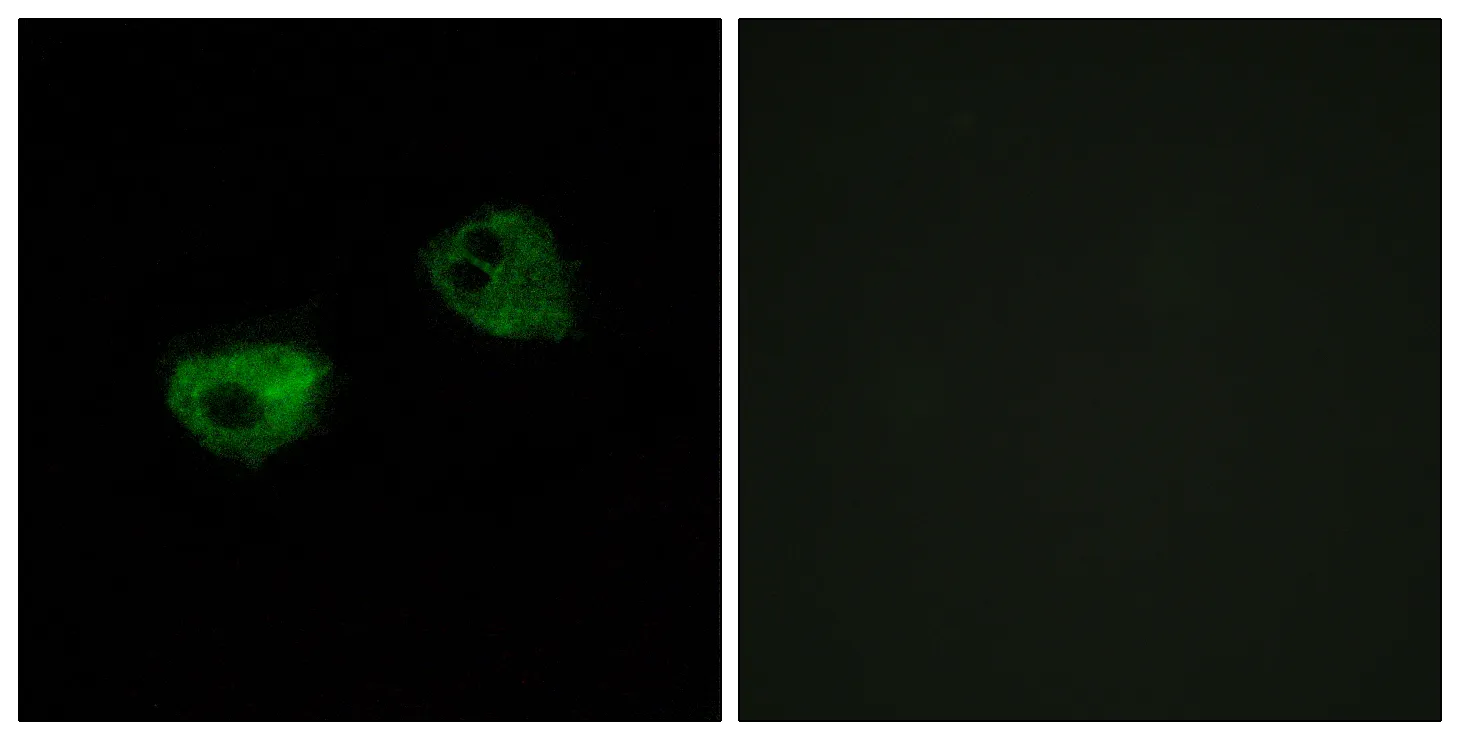
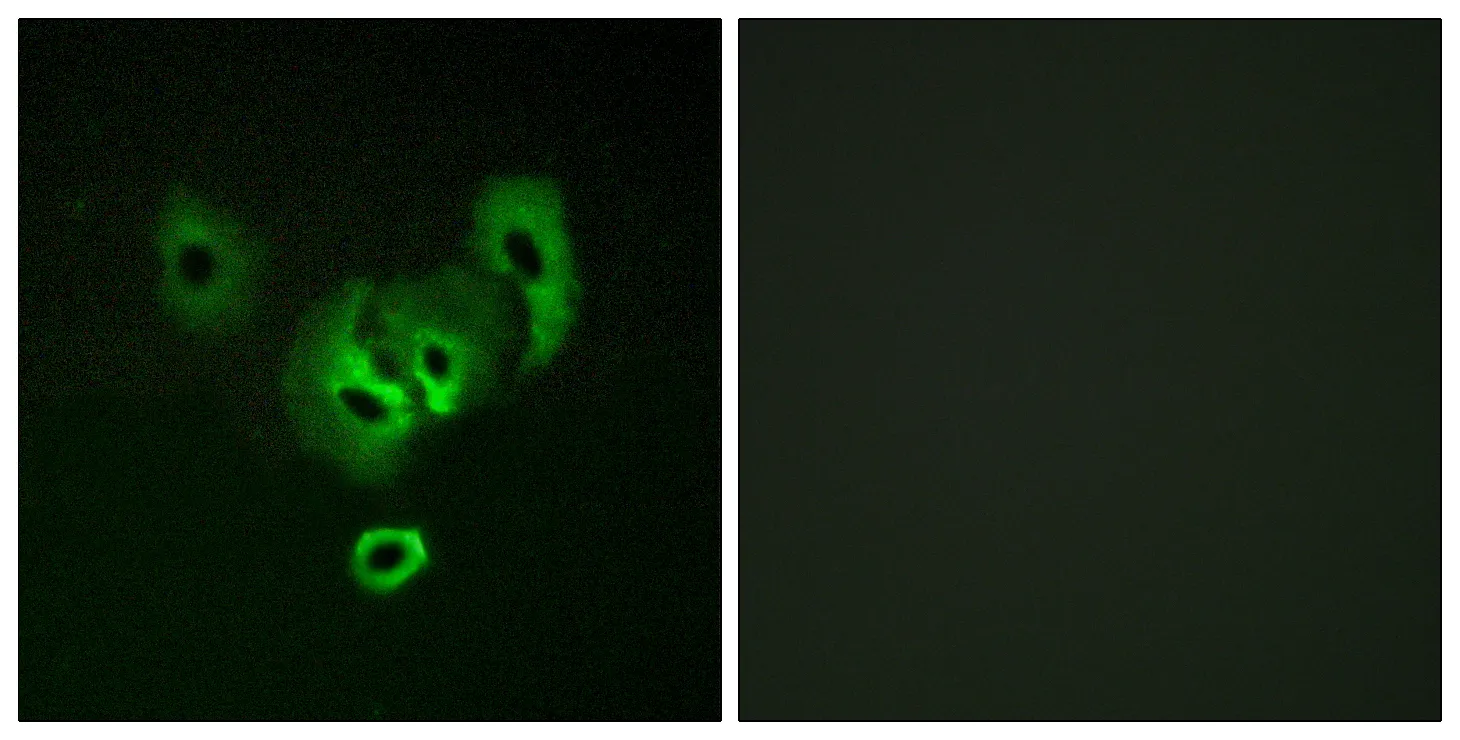
Uygulama:WB,IHC,ICC/IF,ELISA
Reaktivite:Human,Rat
Konjuge:Unconjugated
İsteğe bağlı konjugeler: Biotin, FITC (ücretsiz). Diğer 26 konjugatı görün.

Gen Adı:CSTB
Category: ポリクローナル抗体 Tags: , , , , , , , , ,
Cystatin B Rabbit Polyclonal Antibody
Konjugasyon: Unconjugated
Rabbit polyclonal Antibody
Uygulama
IHC  ICC/IF  ELISA WB,IHC,ICC/IF,ELISA
Reaktivite
Human,Rat
Gen Adı
CSTB
Saklama
Aliquot and store at -20°C (valid for 12 months). Avoid freeze/thaw cycles.
Özet
Ürün Adı Cystatin B Rabbit Polyclonal Antibody
Açıklama Rabbit polyclonal Antibody
Konak Rabbit
Reaktivite Human,Rat
Konjugasyon Unconjugated
Modifikasyon Unmodified
İzotip IgG
Klonalite Polyclonal
Form Liquid
Konsantrasyon Unconjugated
Saklama Aliquot and store at -20°C (valid for 12 months). Avoid freeze/thaw cycles.
Nakliye Ice bags.
Tampon Liquid in PBS containing 50% glycerol, 0.5% protective protein and 0.02% New type preservative N.
Saflaştırma Affinity purification
Antijen Bilgisi
Gen Adı CSTB
Alternatif İsimler CSTB; CST6; STFB; Cystatin-B; CPI-B; Liver thiol proteinase inhibitor; Stefin-B
Gen Kimliği 1476
SwissProt Kimliği P04080
İmmünojen The antiserum was produced against synthesized peptide derived from human Stefin B. AA range:49-98
Uygulama
Uygulama WB,IHC,ICC/IF,ELISA
Seyreltme Oranı WB 1:500-1:2000,IHC 1:100-1:300,ICC/IF 1:200-1:1000,ELISA 1:10000-1:20000
Moleküler Ağırlık 11kDa
Araştırma Alanı
Cell Biology
Arka Plan
The cystatin superfamily encompasses proteins that contain multiple cystatin-like sequences. Some of the members are active cysteine protease inhibitors, while others have lost or perhaps never acquired this inhibitory activity. There are three inhibitory families in the superfamily, including the type 1 cystatins (stefins), type 2 cystatins and kininogens. This gene encodes a stefin that functions as an intracellular thiol protease inhibitor. The protein is able to form a dimer stabilized by noncovalent forces, inhibiting papain and cathepsins l, h and b. The protein is thought to play a role in protecting against the proteases leaking from lysosomes. Evidence indicates that mutations in this gene are responsible for the primary defects in patients with progressive myoclonic epilepsy (EPM1). One type of mutation responsible for EPM1 is the expansion in the promoter region of this gene of a CCCCGCCCCGCG repdisease:Defects in CSTB are the cause of progressive myoclonic epilepsy type 1 (EPM1) [MIM:254800]. EPM1 is an autosomal recessive disorder characterized by severe, stimulus-sensitive myoclonus and tonic-clonic seizures. The onset, occurring between 6 and 13 years of age, is characterized by convulsions. Myoclonus begins 1 to 5 years later. The twitchings occur predominantly in the proximal muscles of the extremities and are bilaterally symmetrical, although asynchronous. At first small, they become late in the clinical course so violent that the victim is thrown to the floor. Mental deterioration and eventually dementia develop.,function:This is an intracellular thiol proteinase inhibitor. Tightly binding reversible inhibitor of cathepsins L, H and B.,similarity:Belongs to the cystatin family.,subunit:Able to form dimers stabilized by noncovalent forces.,
   💬 WhatsApp