

サイクリンC(リン酸化Ser275)ウサギポリクローナル抗体
コンジュゲーション: 非共役
ウサギポリクローナル抗体
アプリケーション
反応性
ヒト、マウス、ラット
遺伝子名
CCNC
保存
小分けして-20℃で保存してください(12ヶ月間有効)。凍結融解サイクルは避けてください。
要約
| 製品名 | サイクリンC(リン酸化Ser275)ウサギポリクローナル抗体 |
| 説明 | ウサギポリクローナル抗体 |
| 宿主 | うさぎ |
| 反応性 | ヒト、マウス、ラット |
| コンジュゲーション | 非共役 |
| 修飾 | リン酸化 |
| アイソタイプ | IgG |
| クローン性 | ポリクローナル |
| 形態 | 液体 |
| 濃度 | 非共役 |
| 保存 | 小分けして-20℃で保存してください(12ヶ月間有効)。凍結融解サイクルは避けてください。 |
| 配送 | 氷嚢。 |
| バッファー | 50% グリセロール、0.5% 保護タンパク質、0.02% 新タイプ防腐剤 N を含む PBS 液。 |
| 精製 | アフィニティー精製 |
抗原情報
| 遺伝子名 | CCNC |
| 別名 | CCNC; Cyclin-C; SRB11 homolog; hSRB11 |
| 遺伝子ID | 892 |
| SwissProt ID | P24863 |
| 免疫原 | 抗血清は、ヒトサイクリンCのSer275のリン酸化部位付近の合成ペプチドに対して作製された。アミノ酸範囲:234-283 |
アプリケーション
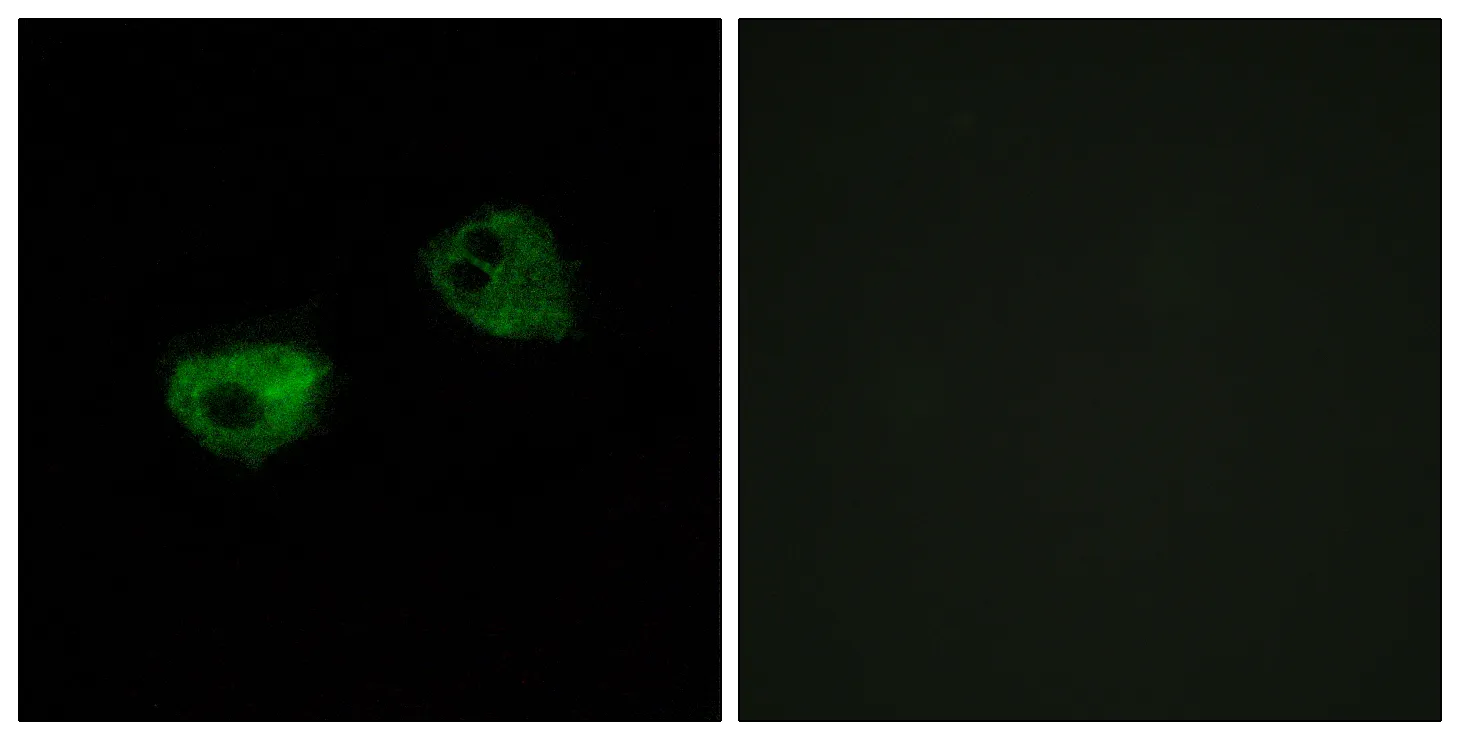
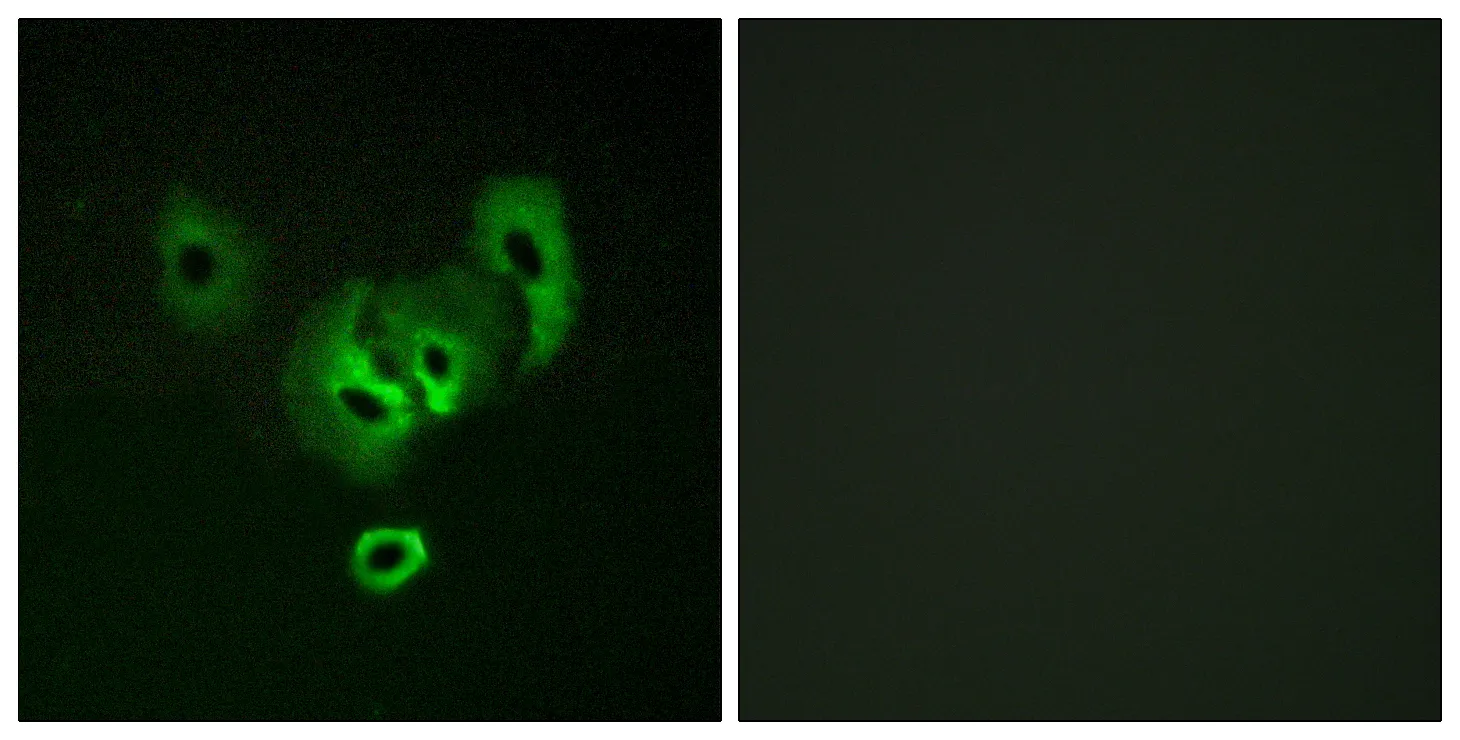
| アプリケーション | WB,IHC,ICC/IF,ELISA |
| 希釈倍率 | WB 1:500-1:2000,IHC 1:100-1:300,ICC/IF 1:50-1:200,ELISA 1:5000-1:20000 |
| 分子量 | 33-37kDa |
研究分野
背景
| この遺伝子によってコードされるタンパク質は、サイクリンファミリーに属する。コードされるタンパク質はサイクリン依存性キナーゼ8と相互作用し、RNAポリメラーゼIIの大サブユニットのカルボキシ末端ドメインのリン酸化を誘導する。この遺伝子のmRNAレベルは、細胞周期のG1期にピークに達する。この遺伝子には、異なるアイソフォームをコードする2つの転写バリアントが見つかっている。[RefSeq提供、2008年7月]、機能:ほぼすべてのRNAポリメラーゼII依存性遺伝子の転写調節に関与するコアクチベーターであるメディエーター複合体の構成要素。メディエーターは、遺伝子特異的な調節タンパク質からRNAポリメラーゼIIの基本的な転写機構に情報を伝達する橋渡しとして機能する。メディエーターは、調節タンパク質との直接相互作用によってプロモーターにリクルートされ、RNAポリメラーゼIIおよび一般的な転写因子との機能的な転写開始前複合体を組み立てるための足場として機能する。 RNAポリメラーゼII(RNAp II)の大サブユニットのCTD(C末端ドメイン)をリン酸化して転写開始複合体の形成を阻害するサイクリン依存性キナーゼcdk8に結合して活性化します。,PTM:DNA損傷時に、おそらくATMまたはATRによってリン酸化されます。,類似性:サイクリンファミリーに属します。,類似性:サイクリンファミリーに属します。サイクリンCサブファミリー。,類似性:サイクリンN末端ドメインを1つ含む。,サブユニット:メディエーター複合体の構成要素であり、MED1、MED4、MED6、MED7、MED8、MED9、MED10、MED11、MED12、MED13、MED13L、MED14、MED15、MED16、MED17、MED18、MED19、MED20、MED21、MED22、MED23、MED24、MED25、MED26、MED27、MED29、MED30、MED31、CCNC、CDK8、およびCDC2L6/CDK11から構成される。MED12、MED13、CCNC、およびCDK8サブユニットは、CDK8モジュールと呼ばれる独立したモジュールを形成する。 CDK8モジュールを含むメディエーターは、このモジュールを欠くメディエーターよりも転写活性化の促進活性が低い。1つ以上の異なるサブユニットを欠くメディエーター複合体の個々の調製物は、ARC、CRSP、DRIP、PC2、SMCC、TRAPなど様々な名称で呼ばれている。CCNC/CDK8によって形成されるサイリン/CDKペアは、RNAポリメラーゼIIのラージサブユニットとも会合する。,組織特異性:膵臓で最高濃度。心臓、肝臓、骨格筋、腎臓で高濃度。脳では低濃度。, |