

コンタクチン6ウサギポリクローナル抗体
コンジュゲーション: 非共役
ウサギポリクローナル抗体
アプリケーション
反応性
ヒト、マウス
遺伝子名
CNTN6
保存
小分けして-20℃で保存してください(12ヶ月間有効)。凍結融解サイクルは避けてください。
要約
| 製品名 | コンタクチン6ウサギポリクローナル抗体 |
| 説明 | ウサギポリクローナル抗体 |
| 宿主 | うさぎ |
| 反応性 | ヒト、マウス |
| コンジュゲーション | 非共役 |
| 修飾 | 未修正 |
| アイソタイプ | IgG |
| クローン性 | ポリクローナル |
| 形態 | 液体 |
| 濃度 | 非共役 |
| 保存 | 小分けして-20℃で保存してください(12ヶ月間有効)。凍結融解サイクルは避けてください。 |
| 配送 | 氷嚢。 |
| バッファー | 50% グリセロール、0.5% 保護タンパク質、0.02% 新タイプ防腐剤 N を含む PBS 液。 |
| 精製 | アフィニティー精製 |
抗原情報
| 遺伝子名 | CNTN6 |
| 別名 | CNTN6; Contactin-6; Neural recognition molecule NB-3; hNB-3 |
| 遺伝子ID | 27255 |
| SwissProt ID | Q9UQ52 |
| 免疫原 | 抗血清はヒトCNTN6由来の合成ペプチドに対して作製された。アミノ酸範囲:331-380 |
アプリケーション
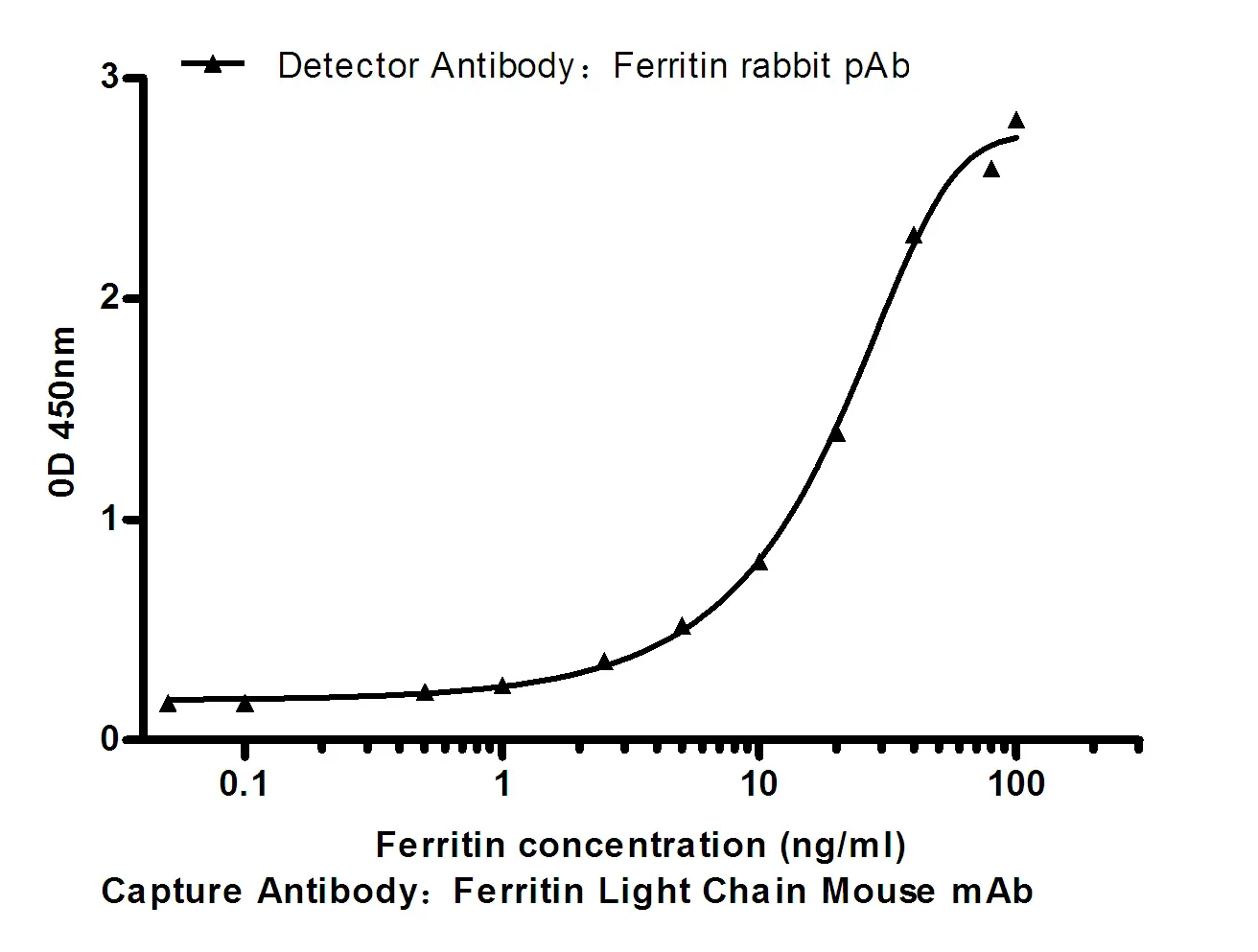
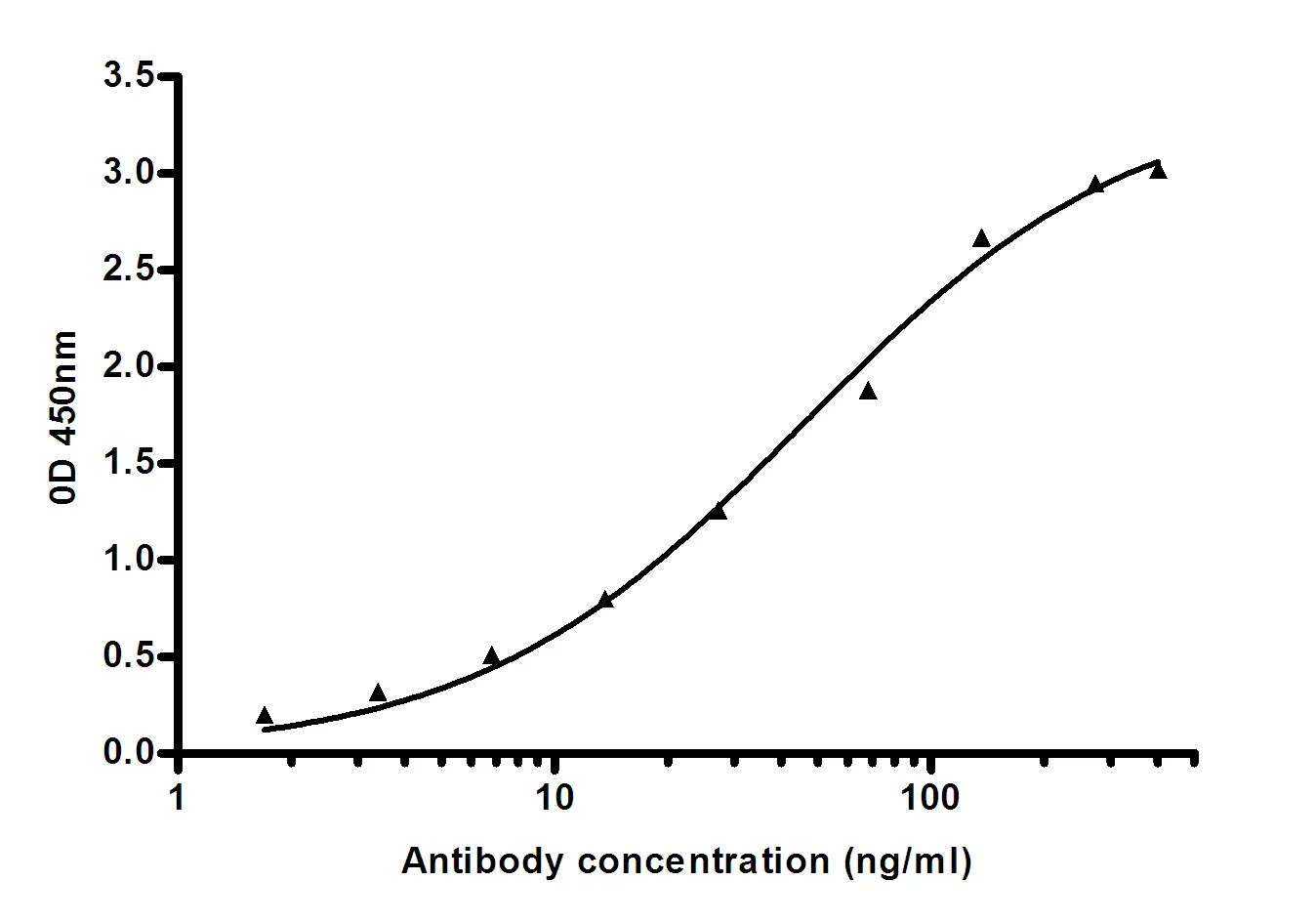
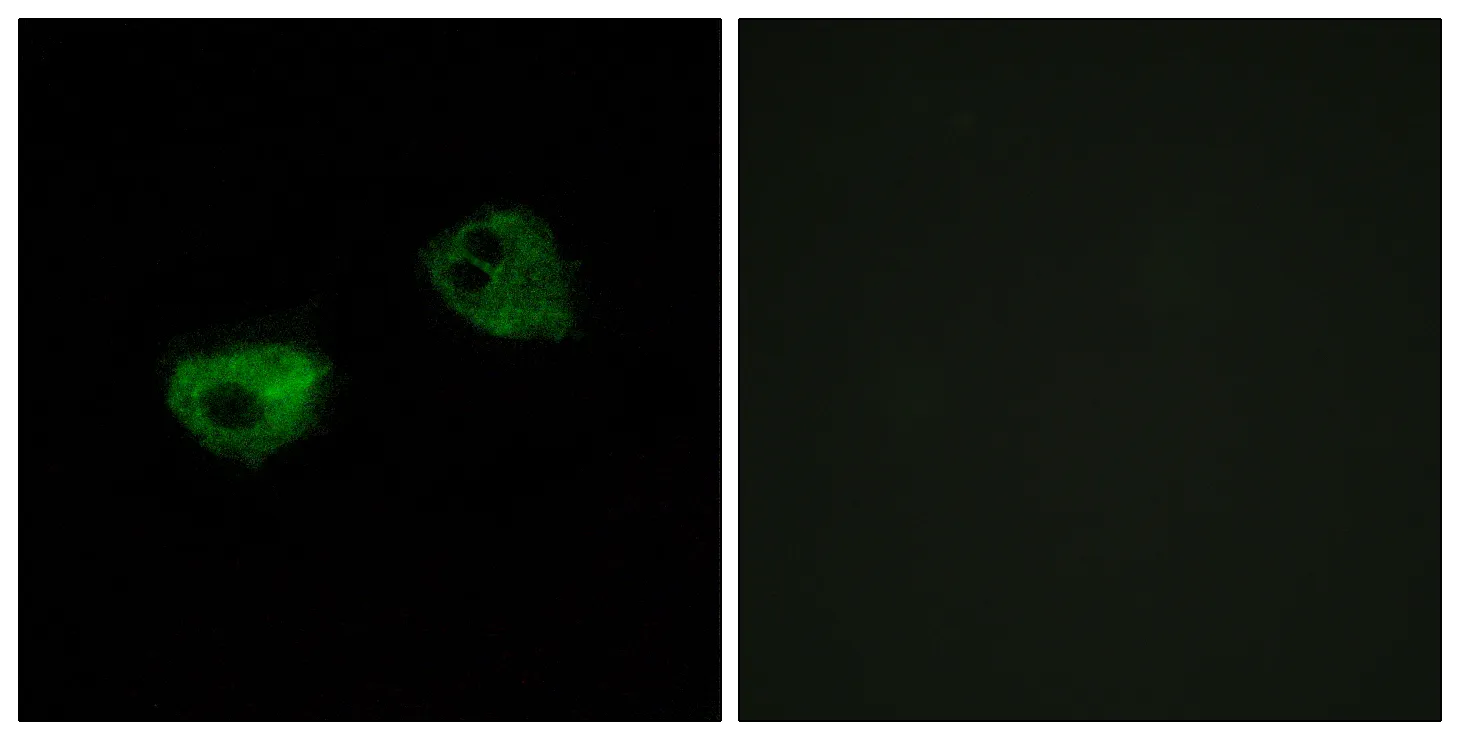
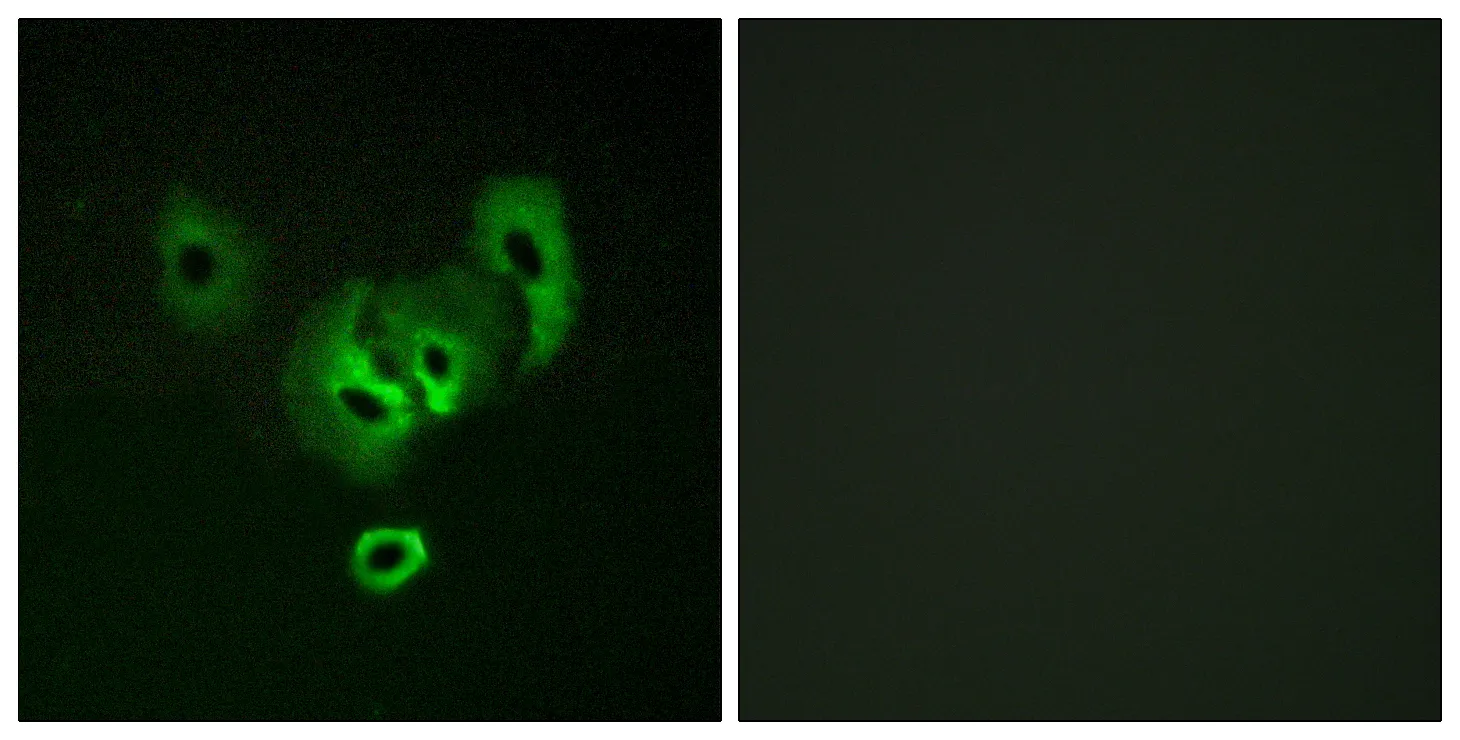
| アプリケーション | WB,ELISA |
| 希釈倍率 | WB 1:500-1:2000,ELISA 1:20000-1:40000 |
| 分子量 | - |
研究分野
背景
| この遺伝子によってコードされるタンパク質は、免疫グロブリンスーパーファミリーに属します。これは、グリコシルホスファチジルイノシトール(GPI)アンカー型の神経膜タンパク質であり、細胞接着分子として機能します。発達中の神経系における軸索結合の形成に関与している可能性があります。選択的スプライシングにより、複数の転写産物バリアントが生じます。[RefSeq提供、2014年1月],機能:コンタクチンは、神経系の発達において細胞表面相互作用を媒介します。NOTCH1のリガンドとして作用することで、オリゴデンドロサイトの生成に関与します。NOTCH1との結合により、放出されたノッチ細胞内ドメイン(NICD)を介してNOTCH1の活性化が促進され、核への移行が促進されます。運動協調に関与します。,類似性:免疫グロブリンスーパーファミリーに属します。コンタクチンファミリー。,類似性:4つのフィブロネクチンIII型ドメインを含む。,類似性:6つのIg様C2型(免疫グロブリン様)ドメインを含む。,組織特異性:神経系で発現。小脳で高発現。視床、視床下核で中程度の発現。脳梁、尾状核、脊髄で弱発現。, |