

Cleaved-Cathepsin C HC (R394) Rabbit Polyclonal Antibody

Cleaved-Cathepsin C HC (R394) Rabbit Polyclonal Antibody

Cat: APRab08973
Boyut:20μL Fiyat:$99_x000D_
Boyut:50μL Fiyat:$118_x000D_
Boyut:100μL Fiyat:$220_x000D_
Boyut:200μL Fiyat:$380_x000D_
Uygulama:WB,ELISA
Reaktivite:Human,Rat,Mouse
Konjuge:Unconjugated
İsteğe bağlı konjugeler: Biotin, FITC (ücretsiz). Diğer 26 konjugatı görün.

Gen Adı:CTSC
Category: ポリクローナル抗体 Tags: , , , , , , , ,
Cleaved-Cathepsin C HC (R394) Rabbit Polyclonal Antibody
Konjugasyon: Unconjugated
Rabbit polyclonal Antibody
Uygulama
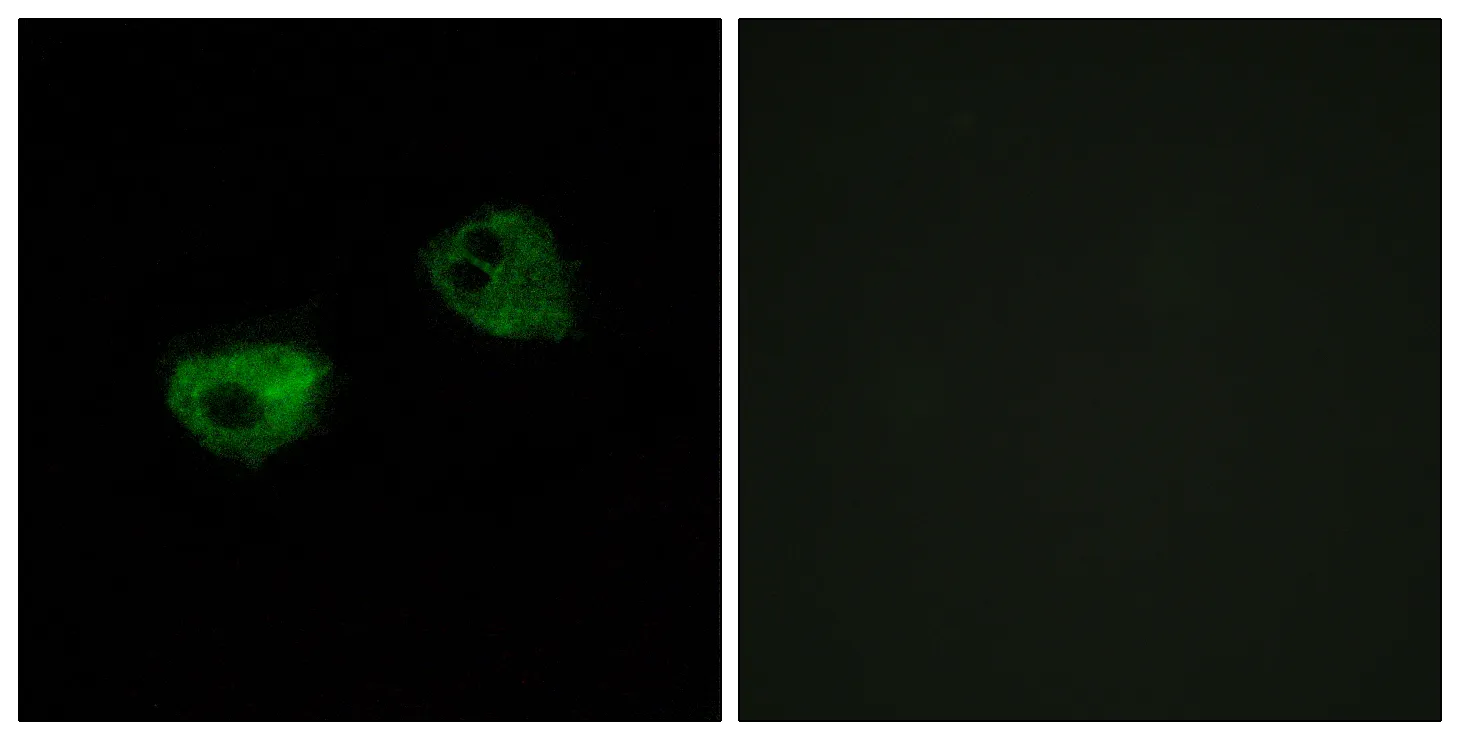
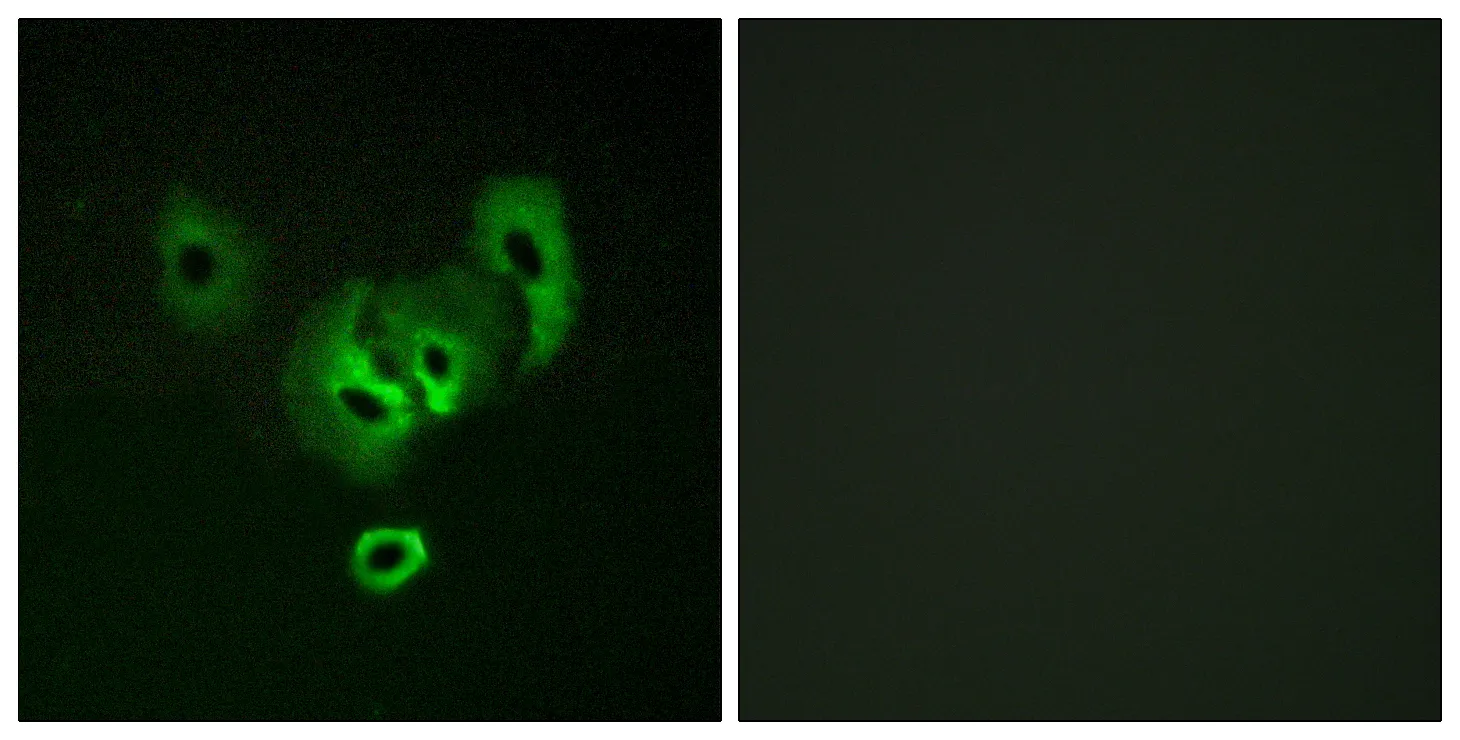
IHC  ICC/IF  ELISA WB,ELISA
Reaktivite
Human,Rat,Mouse
Gen Adı
CTSC
Saklama
Aliquot and store at -20°C (valid for 12 months). Avoid freeze/thaw cycles.
Özet
Ürün Adı Cleaved-Cathepsin C HC (R394) Rabbit Polyclonal Antibody
Açıklama Rabbit polyclonal Antibody
Konak Rabbit
Reaktivite Human,Rat,Mouse
Konjugasyon Unconjugated
Modifikasyon Unmodified
İzotip IgG
Klonalite Polyclonal
Form Liquid
Konsantrasyon Unconjugated
Saklama Aliquot and store at -20°C (valid for 12 months). Avoid freeze/thaw cycles.
Nakliye Ice bags.
Tampon Liquid in PBS containing 50% glycerol, 0.5% protective protein and 0.02% New type preservative N.
Saflaştırma Affinity purification
Antijen Bilgisi
Gen Adı CTSC
Alternatif İsimler CTSC; CPPI; Dipeptidyl peptidase 1; Cathepsin C; Cathepsin J; Dipeptidyl peptidase I; DPP-I; DPPI; Dipeptidyl transferase
Gen Kimliği 1075
SwissProt Kimliği P53634
İmmünojen The antiserum was produced against synthesized peptide derived from human Dipeptidyl-peptidase 1. AA range:345-394
Uygulama
Uygulama WB,ELISA
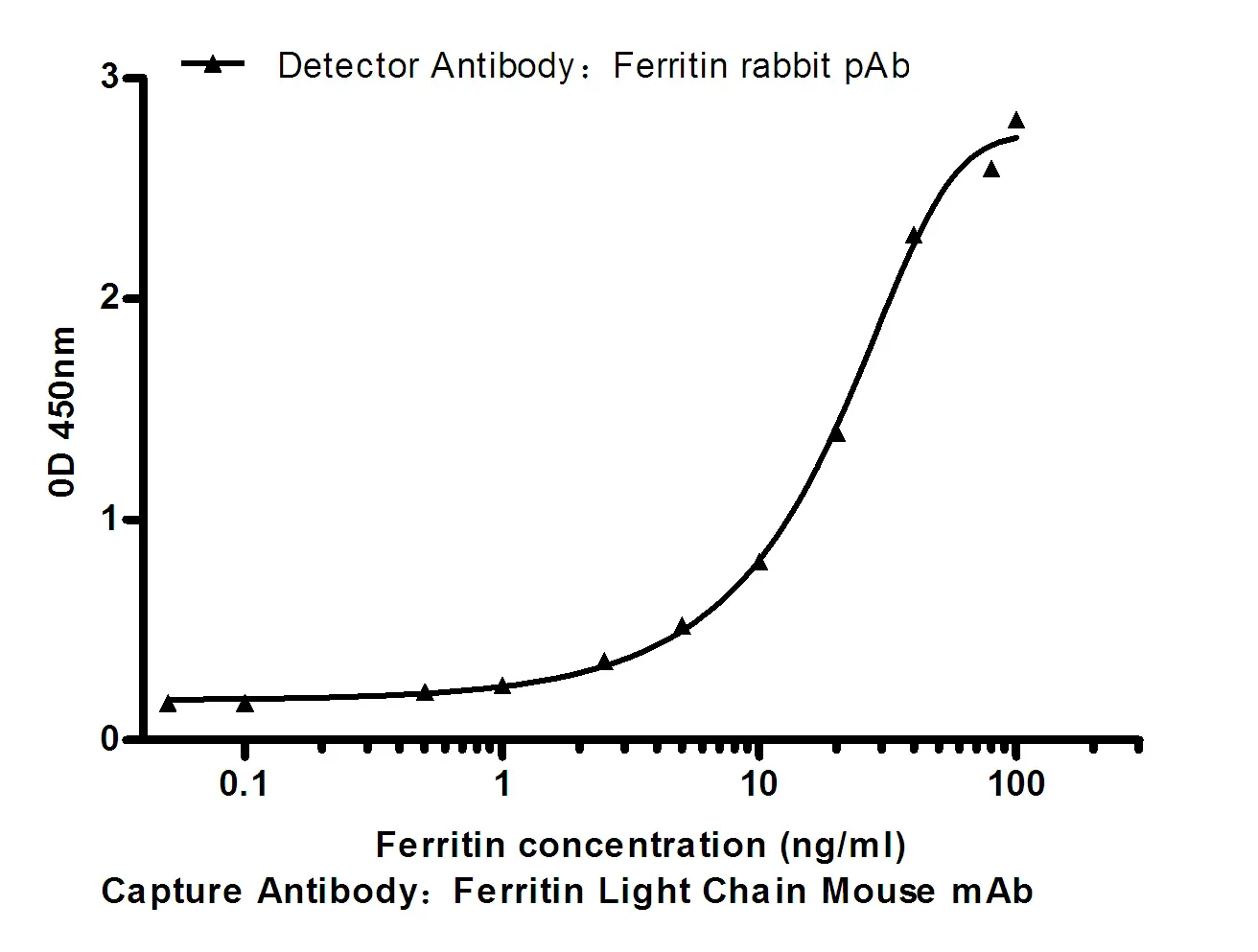
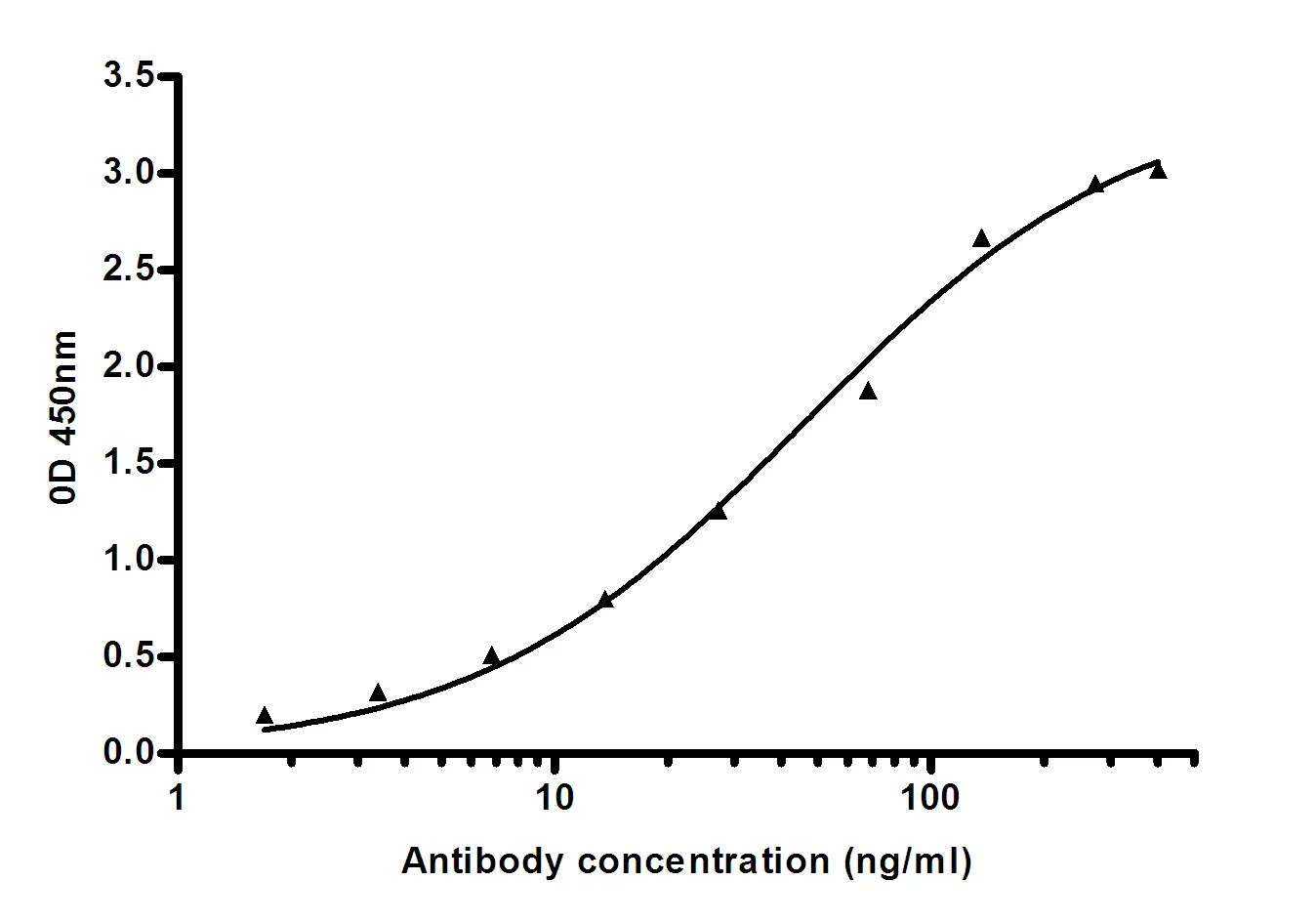
Seyreltme Oranı WB 1:500-1:2000,ELISA 1:10000-1:20000
Moleküler Ağırlık 27kDa
Araştırma Alanı
Lysosome;
Arka Plan
This gene encodes a member of the peptidase C1 family and lysosomal cysteine proteinase that appears to be a central coordinator for activation of many serine proteinases in cells of the immune system. Alternative splicing results in multiple transcript variants, at least one of which encodes a preproprotein that is proteolytically processed to generate heavy and light chains that form a disulfide-linked dimer. A portion of the propeptide acts as an intramolecular chaperone for the folding and stabilization of the mature enzyme. This enzyme requires chloride ions for activity and can degrade glucagon. Defects in the encoded protein have been shown to be a cause of Papillon-Lefevre syndrome, an autosomal recessive disorder characterized by palmoplantar keratosis and periodontitis. [provided by RefSeq, Nov 2015],catalytic activity:Release of an N-terminal dipeptide, Xaa-Yaa-|-Zaa-, except when Xaa is Arg or Lys, or Yaa or Zaa is Pro.,cofactor:Binds 1 chloride ion per heavy chain.,disease:Defects in CTSC are a cause of Haim-Munk syndrome (HMS) [MIM:245010]; also known as keratosis palmoplantaris with periodontopathia and onychogryposis or Cochin Jewish disorder. HMS is an autosomal recessive disorder characterized by palmoplantar keratosis, onychogryphosis and periodontitis. Additional features are pes planus, arachnodactyly, and acroosteolysis.,disease:Defects in CTSC are a cause of juvenile periodontitis (JPD) [MIM:170650]; also known as prepubertal periodontitis (PPP). JPD is characterized by severe and protracted gingival infections, leading to tooth loss. JPD inheritance is autosomal dominant.,disease:Defects in CTSC are a cause of Papillon-Lefevre syndrome (PLS) [MIM:245000]; also known as keratosis palmoplantaris with periodontopathia. PLS is an autosomal recessive disorder characterized by palmoplantar keratosis and severe periodontitis affecting deciduous and permanent dentitions and resulting in premature tooth loss. The palmoplantar keratotic phenotype vary from mild psoriasiform scaly skin to overt hyperkeratosis. Keratosis also affects other sites such as elbows and knees.,enzyme regulation:Strongly inhibited by the cysteine peptidase inhibitors mersalyl acid, iodoacetic acid and cystatin. Inhibited by N-ethylmaleimide, Gly-Phe-diazomethane, TLCK, TPCK and, at low pH, by dithiodipyridine. Not inhibited by the serine peptidase inhibitor PMSF, the aminopeptidase inhibitor bestatin, or metal ion chelators.,function:Thiol protease. Has dipeptidylpeptidase activity. Active against a broad range of dipeptide substrates composed of both polar and hydrophobic amino acids. Proline cannot occupy the P1 position and arginine cannot occupy the P2 position of the substrate. Can act as both an exopeptidase and endopeptidase. Activates serine proteases such as elastase, cathepsin G and granzymes A and B. Can also activate neuraminidase and factor XIII.,induction:Up-regulated in lymphocytes by IL2.,online information:CTSC mutation db,PTM:In approximately 50% of the complexes the exclusion domain is cleaved at position 58 or 61. The two parts of the exclusion domain are held together by a disulfide bond.,PTM:N-glycosylated.,similarity:Belongs to the peptidase C1 family.,subunit:Tetramer of heterotrimers consisting of exclusion domain, heavy- and light chains.,tissue specificity:Ubiquitous. Highly expressed in lung, kidney and placenta. Detected at intermediate levels in colon, small intestine, spleen and pancreas.,
   💬 WhatsApp