

切断型カスパーゼ1(M211)ウサギポリクローナル抗体
コンジュゲーション: 非共役
ウサギポリクローナル抗体
アプリケーション
反応性
ヒト、マウス、ラット
遺伝子名
CASP1
保存
小分けして-20℃で保存してください(12ヶ月間有効)。凍結融解サイクルは避けてください。
要約
| 製品名 | 切断型カスパーゼ1(M211)ウサギポリクローナル抗体 |
| 説明 | ウサギポリクローナル抗体 |
| 宿主 | うさぎ |
| 反応性 | ヒト、マウス、ラット |
| コンジュゲーション | 非共役 |
| 修飾 | 未修正 |
| アイソタイプ | IgG |
| クローン性 | ポリクローナル |
| 形態 | 液体 |
| 濃度 | 非共役 |
| 保存 | 小分けして-20℃で保存してください(12ヶ月間有効)。凍結融解サイクルは避けてください。 |
| 配送 | 氷嚢。 |
| バッファー | 50% グリセロール、0.5% 保護タンパク質、0.02% 新タイプ防腐剤 N を含む PBS 液。 |
| 精製 | アフィニティー精製 |
抗原情報
| 遺伝子名 | CASP1 |
| 別名 | CASP1; IL1BC; IL1BCE; Caspase-1; CASP-1; Interleukin-1 beta convertase; IL-1BC; Interleukin-1 beta-converting enzyme; ICE; IL-1 beta-converting enzyme; p45 |
| 遺伝子ID | 834 |
| SwissProt ID | P29466 |
| 免疫原 | 抗血清はヒトCASP1由来の合成ペプチドに対して作製された。アミノ酸範囲:192-241 |
アプリケーション
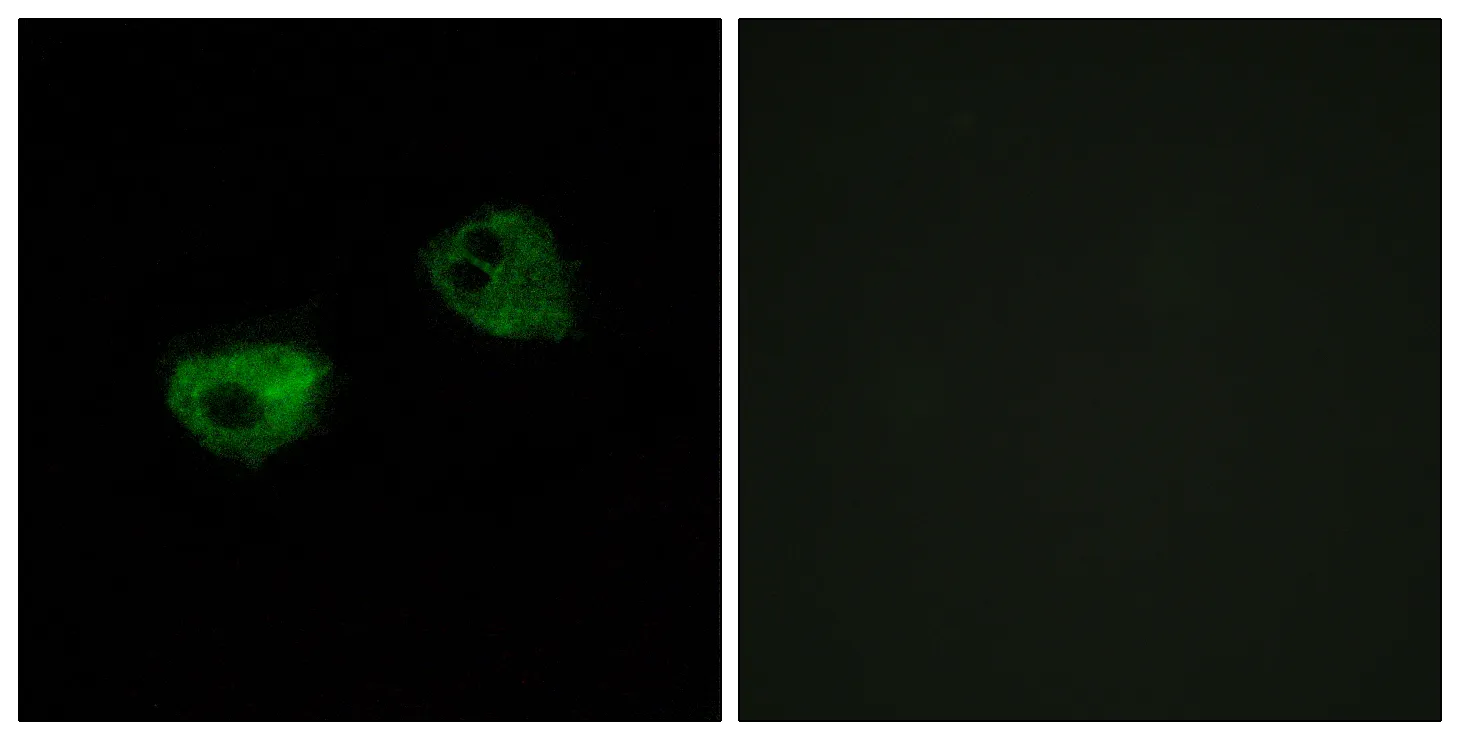
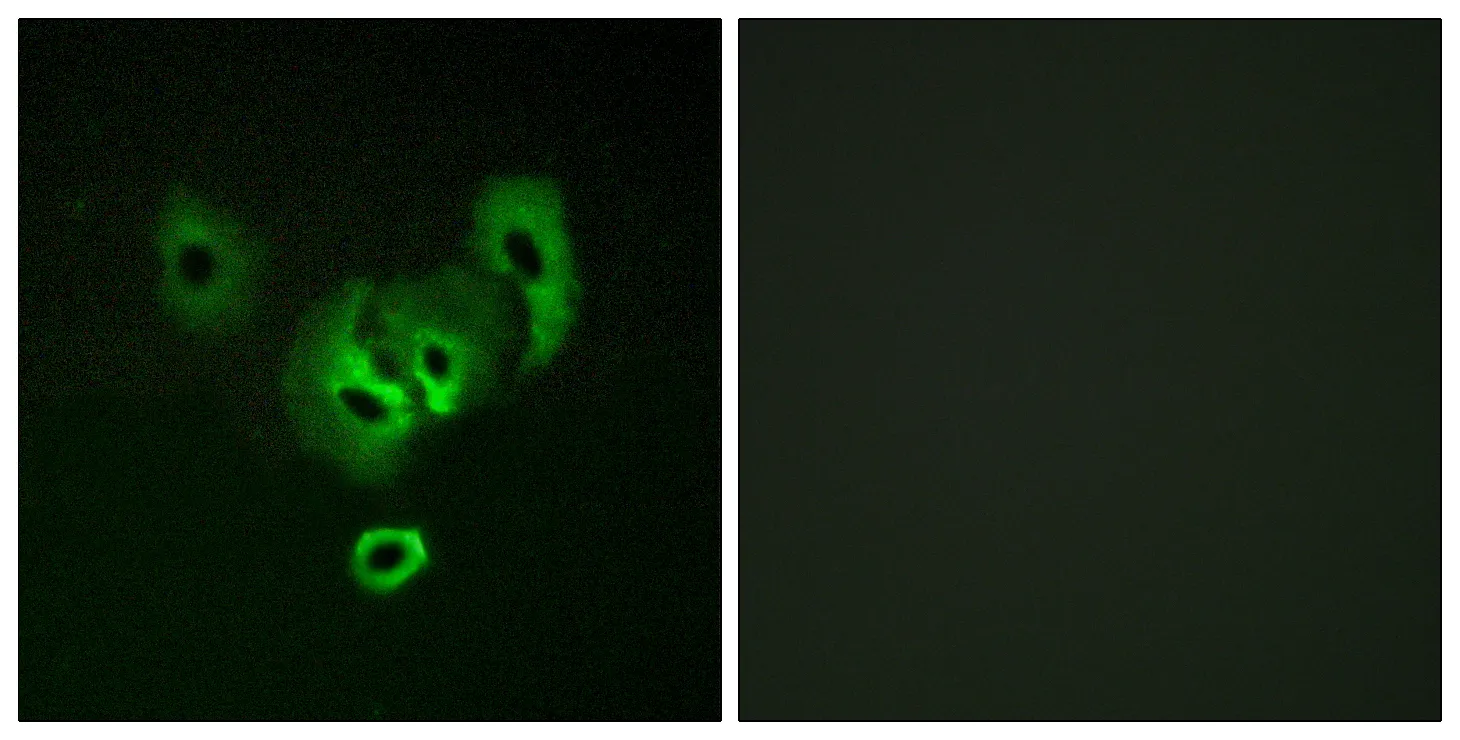
| アプリケーション | WB,IHC,ICC/IF,ELISA |
| 希釈倍率 | WB 1:500-1:2000,IHC 1:100-1:300,ICC/IF 1:50-1:200,ELISA 1:10000-1:20000 |
| 分子量 | - |
研究分野
| NOD-like receptor;Cytosolic DNA-sensing pathway;Amyotrophic lateral sclerosis (ALS); |
背景
| この遺伝子は、システインアスパラギン酸プロテアーゼ(カスパーゼ)ファミリーに属するタンパク質をコードしています。カスパーゼの連続活性化は、細胞アポトーシスの実行段階において中心的な役割を果たしています。カスパーゼは不活性なプロ酵素として存在し、保存されたアスパラギン酸残基においてタンパク質分解処理を受けて大小2つのサブユニットを生成します。これらのサブユニットは二量体化することで活性酵素を形成します。この遺伝子は、炎症、敗血症性ショック、創傷治癒などのプロセスに関与するサイトカインであるインターロイキン-1の不活性前駆体をタンパク質分解的に切断し、活性化する能力があることから同定されました。この遺伝子は細胞のアポトーシスを誘導することが示されており、様々な発達段階で機能する可能性があります。マウスにおける類似遺伝子の研究では、ハンチントン病の病因における役割が示唆されています。選択的スプライシングにより、異なるアイソフォームをコードする転写産物バリアントが生成されます。 [RefSeq提供、2012年3月],代替製品:追加のアイソフォームが存在すると思われる,触媒活性:P1位にAsp残基が厳密に必要であり、優先切断配列はTyr-Val-Ala-Asp-|-である。,酵素調節:牛痘ウイルスCrmaタンパク質によって特異的に阻害される。,機能:IL-1βをAspとAlaの間で切断するチオールプロテアーゼは、様々な炎症プロセスに関与する成熟サイトカインを放出する。病原体に対する防御に重要である。ステロール調節エレメント結合タンパク質(SREBP)を切断・活性化する。アポトーシスを促進することもできます。,PTM: 2 つのサブユニットは、自己触媒機構によって前駆体配列から生成されます。,類似性: ペプチダーゼ C14A ファミリーに属します。,類似性: 1 つの CARD ドメインを含みます。,サブユニット: それぞれが 20 kDa (p20) および 10 kDa (p10) サブユニットから形成された、2 つの逆平行に配置されたヘテロダイマーで構成されるヘテロテトラマー。p20 サブユニットは、その後阻害効果を発揮するイプシロン アイソフォームとヘテロダイマーを形成することもできます。PYCARD、CARD8、および NALP2 も含まれるタンパク質複合体であるインフラマソームの構成要素である可能性があり、その機能は炎症誘発性カスパーゼの活性化です。CARD17/INCA および CARD18 と相互作用します。,組織特異性: 脾臓と肺で大量に発現します。肝臓、心臓、小腸、結腸、胸腺、前立腺、骨格筋、末梢血白血球、腎臓、精巣で検出された。脳では発現が認められない。 |