クローディン2ウサギポリクローナル抗体
コンジュゲーション: 非共役
ウサギポリクローナル抗体
アプリケーション
反応性
ヒト、マウス
遺伝子名
CLDN2
保存
小分けして-20℃で保存してください(12ヶ月間有効)。凍結融解サイクルは避けてください。
要約
| 製品名 | クローディン2ウサギポリクローナル抗体 |
| 説明 | ウサギポリクローナル抗体 |
| 宿主 | うさぎ |
| 反応性 | ヒト、マウス |
| コンジュゲーション | 非共役 |
| 修飾 | 未修正 |
| アイソタイプ | IgG |
| クローン性 | ポリクローナル |
| 形態 | 液体 |
| 濃度 | 非共役 |
| 保存 | 小分けして-20℃で保存してください(12ヶ月間有効)。凍結融解サイクルは避けてください。 |
| 配送 | 氷嚢。 |
| バッファー | 50% グリセロール、0.5% 保護タンパク質、0.02% 新タイプ防腐剤 N を含む PBS 液。 |
| 精製 | アフィニティー精製 |
抗原情報
| 遺伝子名 | CLDN2 |
| 別名 | CLDN2; PSEC0059; SP82; Claudin-2; SP82 |
| 遺伝子ID | 9075 |
| SwissProt ID | P57739 |
| 免疫原 | 抗血清はヒトクローディン2由来の合成ペプチドに対して作製された。アミノ酸範囲:181-230 |
アプリケーション
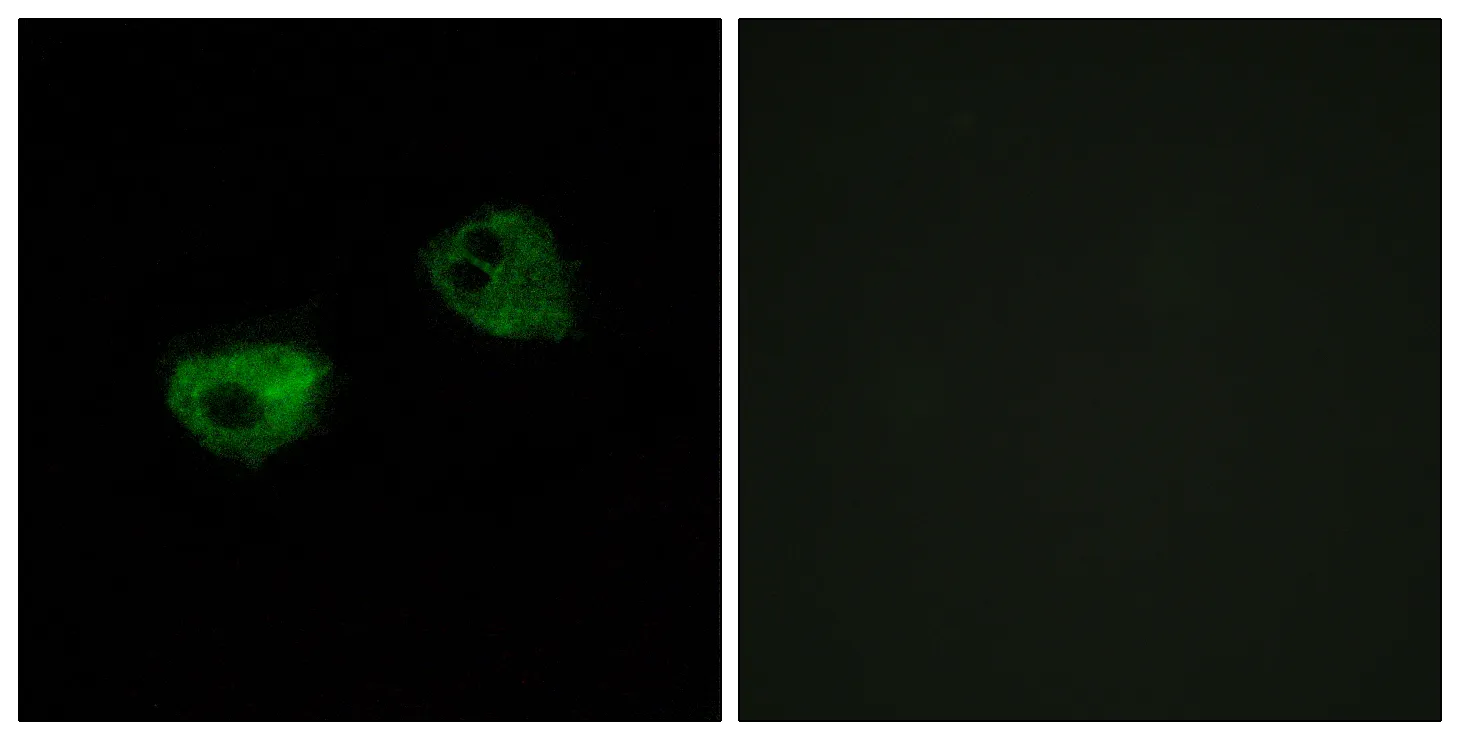
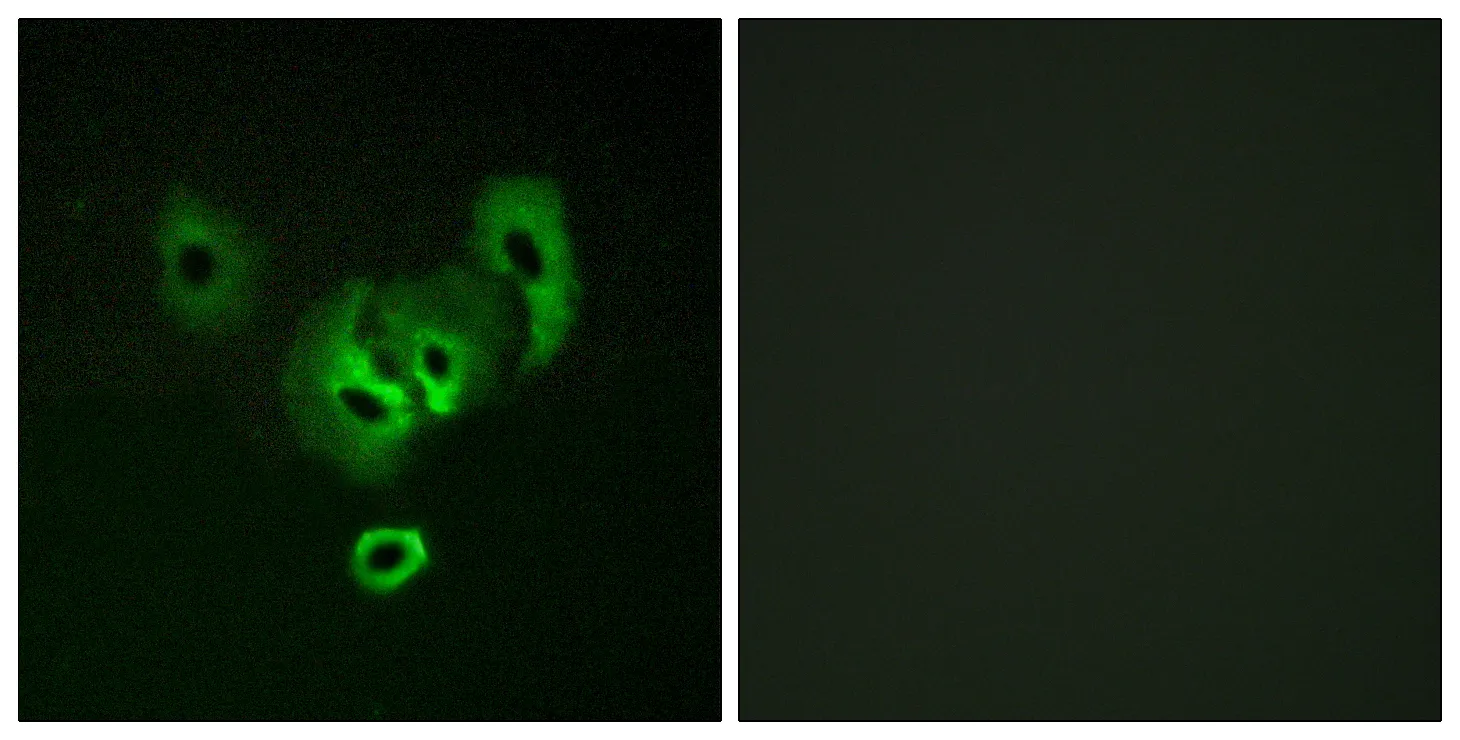
| アプリケーション | WB,IHC,ICC/IF,ELISA |
| 希釈倍率 | WB 1:500-1:2000,IHC 1:100-1:300,ICC/IF 1:50-1:200,ELISA 1:5000-1:10000 |
| 分子量 | 25kDa |
研究分野
| Cell adhesion molecules (CAMs);Tight junction;Leukocyte transendothelial migration; |
背景
| この遺伝子産物は、クローディンタンパク質ファミリーに属し、そのメンバーはタイトジャンクションにのみ局在する主要な膜貫通タンパク質として同定されています。クローディンは臓器特異的に発現し、タイトジャンクションの組織特異的な生理学的特性を制御します。このタンパク質は腸管で発現します。この遺伝子には、5'非翻訳領域が異なる選択的スプライシング転写バリアントが見つかっています。[RefSeq提供、2010年1月],機能:カルシウム非依存性細胞接着活性を介して、タイトジャンクション特異的な細胞間隙の閉塞に主要な役割を果たす。,類似性:クローディンファミリーに属する。,サブユニット:他のCLDNとホモポリマーおよびヘテロポリマーを形成できる。ホモポリマーはCLDN3と相互作用するが、CLDN1のホモポリマーとは相互作用しない。TJP1/ZO-1、TJP2/ZO-2、およびTJP3/ZO-3と直接相互作用する。, |