カスパーゼ-10 B/Cウサギポリクローナル抗体
コンジュゲーション: 非共役
ウサギポリクローナル抗体
アプリケーション
反応性
ヒト、ラット、マウス
遺伝子名
CASP10
保存
小分けして-20℃で保存してください(12ヶ月間有効)。凍結融解サイクルは避けてください。
要約
| 製品名 | カスパーゼ-10 B/Cウサギポリクローナル抗体 |
| 説明 | ウサギポリクローナル抗体 |
| 宿主 | うさぎ |
| 反応性 | ヒト、ラット、マウス |
| コンジュゲーション | 非共役 |
| 修飾 | 未修正 |
| アイソタイプ | IgG |
| クローン性 | ポリクローナル |
| 形態 | 液体 |
| 濃度 | 非共役 |
| 保存 | 小分けして-20℃で保存してください(12ヶ月間有効)。凍結融解サイクルは避けてください。 |
| 配送 | 氷嚢。 |
| バッファー | 50% グリセロール、0.5% 保護タンパク質、0.02% 新タイプ防腐剤 N を含む PBS 液。 |
| 精製 | アフィニティー精製 |
抗原情報
| 遺伝子名 | CASP10 |
| 別名 | ALPS2; apoptotic protease Mch-4; CASP-10; CASPA; caspase-10; FADD-like ICE2; FAS-associated death domain protein interleukin-1B-convert |
| 遺伝子ID | 843 |
| SwissProt ID | Q92851-2/4 |
| 免疫原 | 抗血清は、ヒトカスパーゼ10由来の合成ペプチドに対して作製された。アミノ酸範囲:430-479 |
アプリケーション
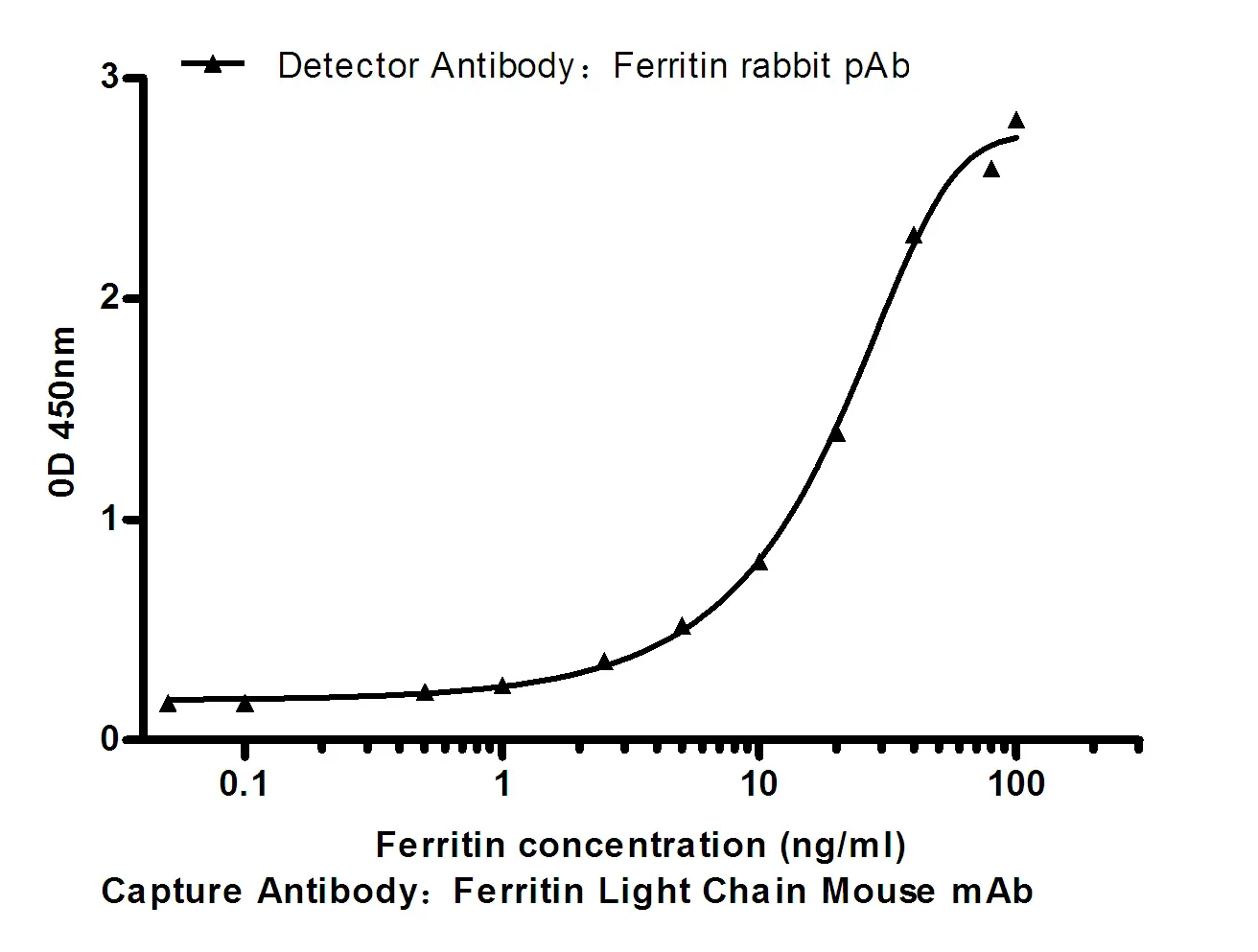
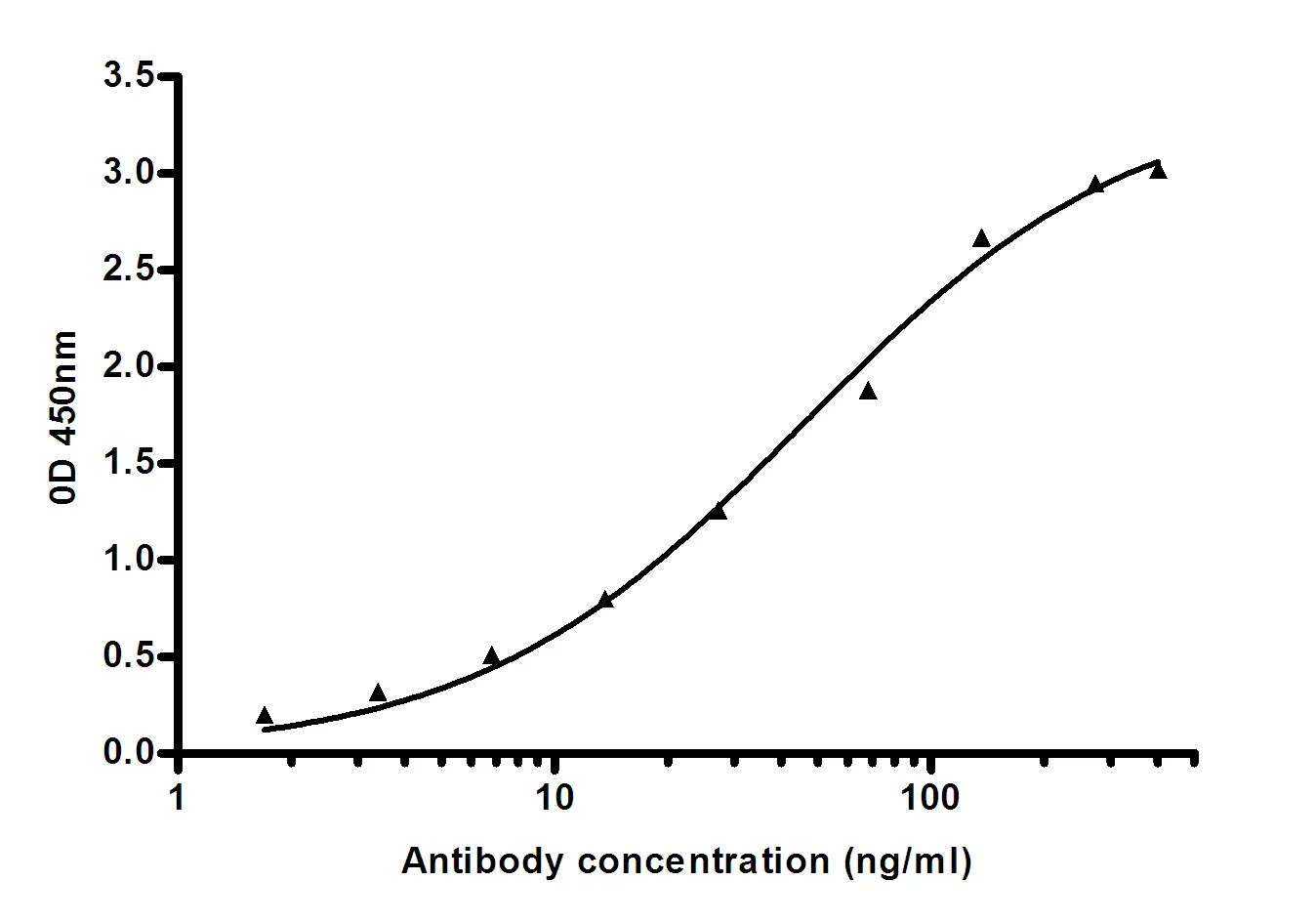
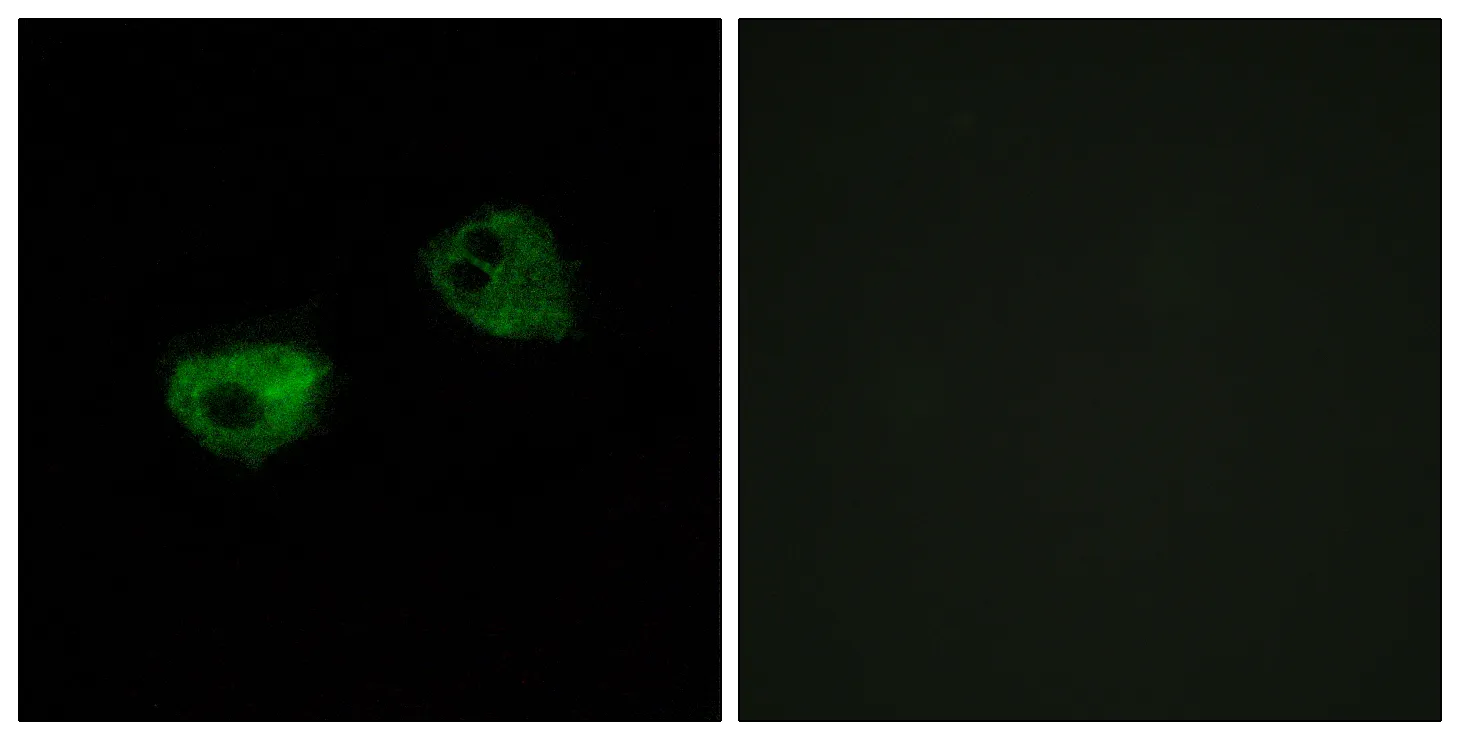
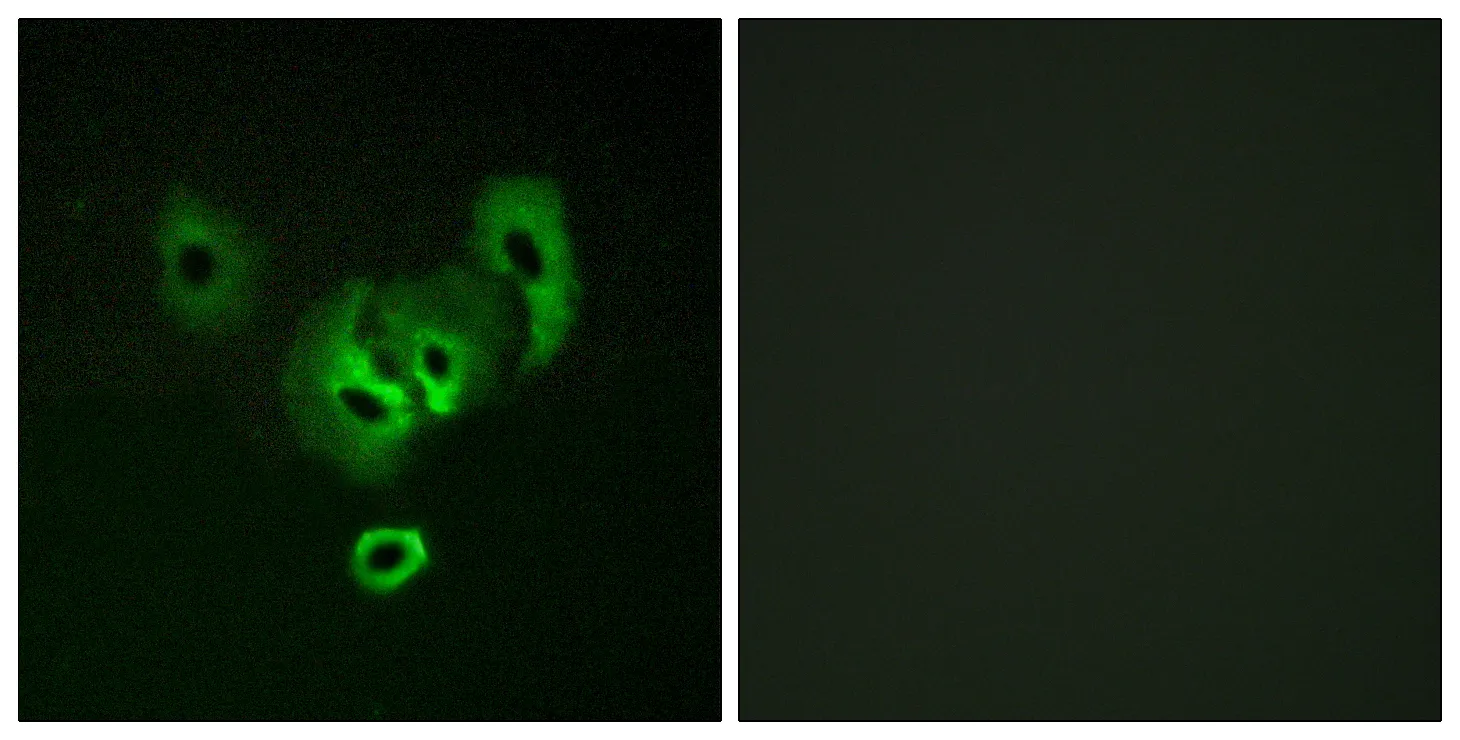
| アプリケーション | WB,IHC,ICC/IF,ELISA |
| 希釈倍率 | WB 1:500-1:2000,IHC 1:100-1:300,ICC/IF 1:200-1:1000,ELISA 1:5000-1:20000 |
| 分子量 | pro: 60kDa, actived: 33kDa 12kDa |
研究分野
背景
| この遺伝子は、システイン-アスパラギン酸プロテアーゼ(カスパーゼ)ファミリーに属するタンパク質をコードしています。カスパーゼの連続的な活性化は、細胞アポトーシスの実行段階において中心的な役割を果たします。カスパーゼは不活性なプロ酵素として存在し、保存されたアスパラギン酸残基においてタンパク質分解を受け、大小2つのサブユニットを生成します。これらのサブユニットは二量体化することで活性酵素を形成します。このタンパク質はカスパーゼ3と7を切断・活性化し、それ自体はカスパーゼ8によって処理されます。この遺伝子の変異は、IIA型自己免疫リンパ増殖症候群、非ホジキンリンパ腫、および胃癌と関連しています。この遺伝子には、異なるアイソフォームをコードする選択的スプライシング転写バリアントが報告されています。 [RefSeq提供、2011年4月],触媒活性:P1位にAspが厳密に必要であり、Leu-Gln-Thr-Asp-|-Glyが優先切断配列である。,疾患:CASP10の欠陥は、家族性非ホジキンリンパ腫(NHL)[MIM:605027]の原因である。NHLは、体の免疫系の一部であるリンパ系の細胞で発生する癌である。NHLはどの年齢でも発症する可能性があり、多くの場合、リンパ節の腫れ、発熱、体重減少を特徴とする。,疾患:CASP10の欠陥は、胃癌[MIM:137215]の原因である。,疾患:CASP10の欠陥は、自己免疫リンパ増殖症候群2A型(ALPS2A)[MIM:603909]の原因である。 ALPS2は、リンパ球および樹状細胞の恒常性異常と免疫調節異常を特徴とする。,機能:アポトーシス誘導を担うカスパーゼの活性化カスケードに関与する。FADD依存的にFas受容体およびTNFR-1受容体の両方にリクルートされる。グランザイムBアポトーシス経路に関与する可能性がある。カスパーゼ3、4、6、7、8、9を切断し活性化する。小分子基質である Tyr-Val-Ala-Asp-|-AMC および Asp-Glu-Val-Asp-|-AMC を加水分解します。,機能:アイソフォーム C はタンパク質分解的に不活性です。,オンライン情報:CASP10 変異データベース,オンライン情報:ALPS タイプ II を引き起こすカスパーゼ 10 変異,PTM:グランザイム B による切断と自己触媒活性により、2 つの活性サブユニットが生成されます。,PTM:DNA 損傷時にリン酸化されます (おそらく ATM または ATR による)。,類似性:ペプチダーゼ C14A ファミリーに属します。,類似性:2 つの DED (デス エフェクター) ドメインが含まれます。,サブユニット:2 つの逆平行に配置されたヘテロダイマーで構成されるヘテロテトラマー。各ヘテロダイマーは、23/17 kDa (p23/17) (スプライシング イベントによって異なる) と 12 kDa (p12)サブユニット(類似性による)。自己会合する。FADDおよびCASP8と相互作用する。FAS、FADD、CASP8、CASP10からなるFasシグナル伝達複合体に存在。,組織特異性:ほとんどの組織で検出可能。脳、腎臓、前立腺、精巣、結腸で最も低い発現が認められる。, |