CaSR(リン酸化Thr888)ウサギポリクローナル抗体
コンジュゲーション: 非共役
ウサギポリクローナル抗体
アプリケーション
反応性
ヒト、マウス、ラット
遺伝子名
CASR
保存
小分けして-20℃で保存してください(12ヶ月間有効)。凍結融解サイクルは避けてください。
要約
| 製品名 | CaSR(リン酸化Thr888)ウサギポリクローナル抗体 |
| 説明 | ウサギポリクローナル抗体 |
| 宿主 | うさぎ |
| 反応性 | ヒト、マウス、ラット |
| コンジュゲーション | 非共役 |
| 修飾 | リン酸化 |
| アイソタイプ | IgG |
| クローン性 | ポリクローナル |
| 形態 | 液体 |
| 濃度 | 非共役 |
| 保存 | 小分けして-20℃で保存してください(12ヶ月間有効)。凍結融解サイクルは避けてください。 |
| 配送 | 氷嚢。 |
| バッファー | 50% グリセロール、0.5% 保護タンパク質、0.02% 新タイプ防腐剤 N を含む PBS 液。 |
| 精製 | アフィニティー精製 |
抗原情報
| 遺伝子名 | CASR |
| 別名 | CASR; GPRC2A; PCAR1; Extracellular calcium-sensing receptor; CaSR; Parathyroid cell calcium-sensing receptor; PCaR1 |
| 遺伝子ID | 846 |
| SwissProt ID | P41180 |
| 免疫原 | 抗血清は、Thr888のリン酸化部位周辺のヒトカルシウム感知受容体由来の合成ペプチドに対して作製された。アミノ酸範囲:854-903 |
アプリケーション
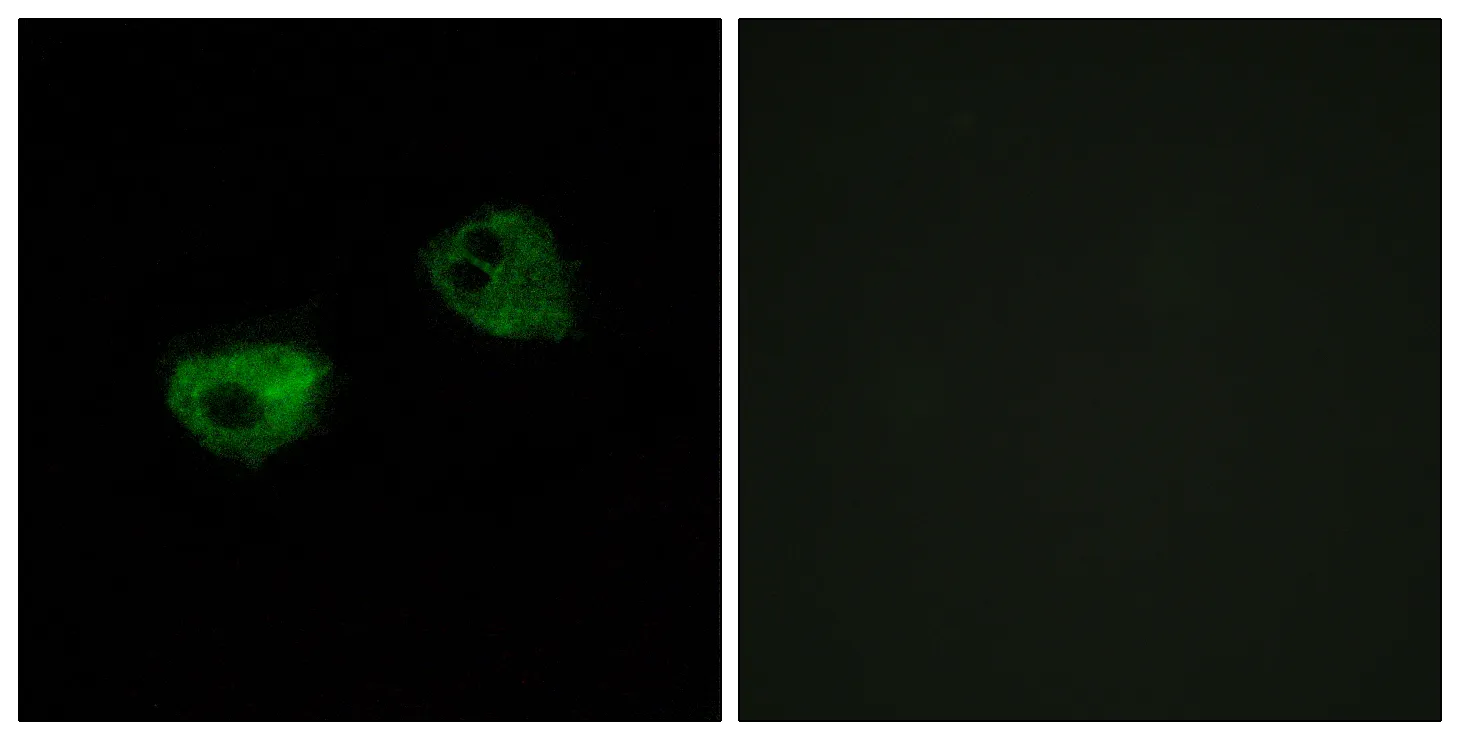
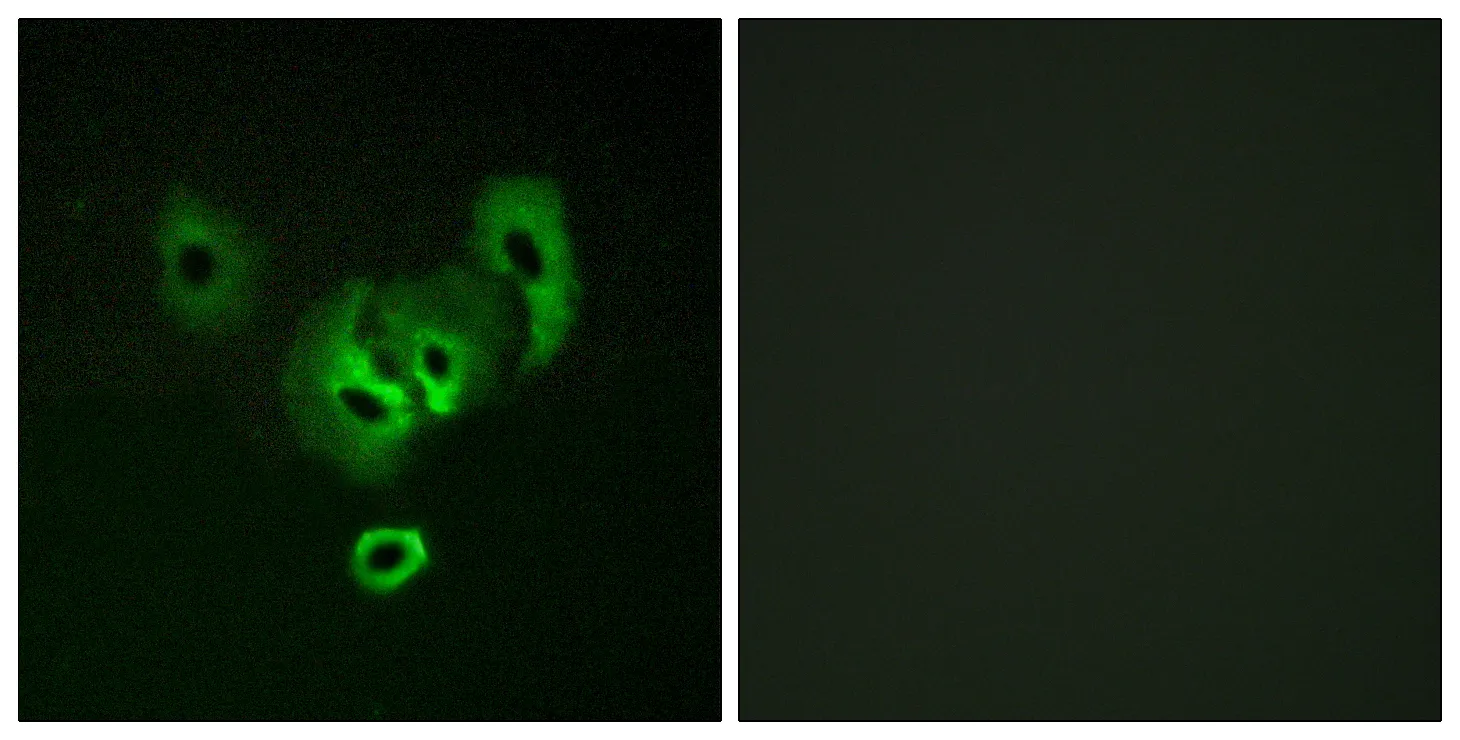
| アプリケーション | WB,ICC/IF,ELISA |
| 希釈倍率 | WB 1:500-1:2000,ICC/IF 1:200-1:1000,ELISA 1:20000-1:40000 |
| 分子量 | 140kDa |
研究分野
背景
| この遺伝子によってコードされるタンパク質は、副甲状腺ホルモン(PTH)を産生する副甲状腺の主細胞と、腎尿細管の内層細胞に発現するGタンパク質共役受容体です。この受容体は、循環血中のカルシウム濃度の小さな変化を感知し、その情報をPTH分泌や腎臓の陽イオン処理を変化させる細胞内シグナル伝達経路に結びつけることで、ミネラルイオンの恒常性維持に重要な役割を果たします。この遺伝子の変異は、家族性低カルシウム尿性高カルシウム血症、家族性孤立性副甲状腺機能低下症、新生児重症原発性副甲状腺機能亢進症を引き起こします。[RefSeq提供、2008年7月]、疾患:CASRの欠陥は、常染色体優性副甲状腺機能低下症(FIH)[MIM:146200]の原因です。FIHは、副甲状腺ホルモンの分泌不足に起因する低カルシウム血症と高リン血症を特徴とします。症状は発作、テタニー、けいれんなどです。,疾患:CASRの欠陥は、受容体の活性が低下している家族性低カルシウム尿性高カルシウム血症1型(FHH)[MIM:145980]の原因です。FHHは、カルシウム恒常性の変化を特徴とします。罹患した人は、軽度または中等度の高カルシウム血症、相対的低カルシウム尿症、および不適切な正常副甲状腺ホルモン値を呈します。,疾患:CASRの欠陥は、受容体の活性が低下している新生児重症原発性副甲状腺機能亢進症(NSHPT)[MIM:239200]の原因です。NSHPTは、血清カルシウム濃度の異常な上昇、骨格の脱灰、および副甲状腺過形成を特徴とする、まれな常染色体劣性の生命を脅かす疾患です。 NSHPTは、FHHのホモ接合型であることが実証されている例もあります。,機能:細胞外カルシウムイオン濃度の変化を感知します。この受容体の活性は、ホスファチジルイノシトール-カルシウムセカンドメッセンジャーシステムを活性化するGタンパク質によって媒介されます。,PTM:N-グリコシル化されています。,PTM:RNF19Aによってユビキチン化され、プロテアソーム分解を誘導します。,類似性:Gタンパク質共役受容体3ファミリーに属します。,サブユニット:VCPおよびRNF19Aと相互作用します。,組織特異性:腎臓に存在しますが、脳、肺、肝臓、心臓、骨格筋、胎盤には存在しません。, |