

CaMKK2ウサギポリクローナル抗体
コンジュゲーション: 非共役
ウサギポリクローナル抗体
アプリケーション
反応性
ヒト、マウス、ラット
遺伝子名
CAMKK2
保存
小分けして-20℃で保存してください(12ヶ月間有効)。凍結融解サイクルは避けてください。
要約
| 製品名 | CaMKK2ウサギポリクローナル抗体 |
| 説明 | ウサギポリクローナル抗体 |
| 宿主 | うさぎ |
| 反応性 | ヒト、マウス、ラット |
| コンジュゲーション | 非共役 |
| 修飾 | 未修正 |
| アイソタイプ | IgG |
| クローン性 | ポリクローナル |
| 形態 | 液体 |
| 濃度 | 非共役 |
| 保存 | 小分けして-20℃で保存してください(12ヶ月間有効)。凍結融解サイクルは避けてください。 |
| 配送 | 氷嚢。 |
| バッファー | 50% グリセロール、0.5% 保護タンパク質、0.02% 新タイプ防腐剤 N を含む PBS 液。 |
| 精製 | アフィニティー精製 |
抗原情報
| 遺伝子名 | CAMKK2 |
| 別名 | CAMKK2; CAMKKB; KIAA0787; Calcium/calmodulin-dependent protein kinase kinase 2; CaM-KK 2; CaM-kinase kinase 2; CaMKK 2; Calcium/calmodulin-dependent protein kinase kinase beta; CaM-KK beta; CaM-kinase kinase beta; CaMKK beta |
| 遺伝子ID | 10645 |
| SwissProt ID | Q96RR4 |
| 免疫原 | 抗血清はヒトCAMKK2由来の合成ペプチドに対して作製された。アミノ酸範囲:381-430 |
アプリケーション
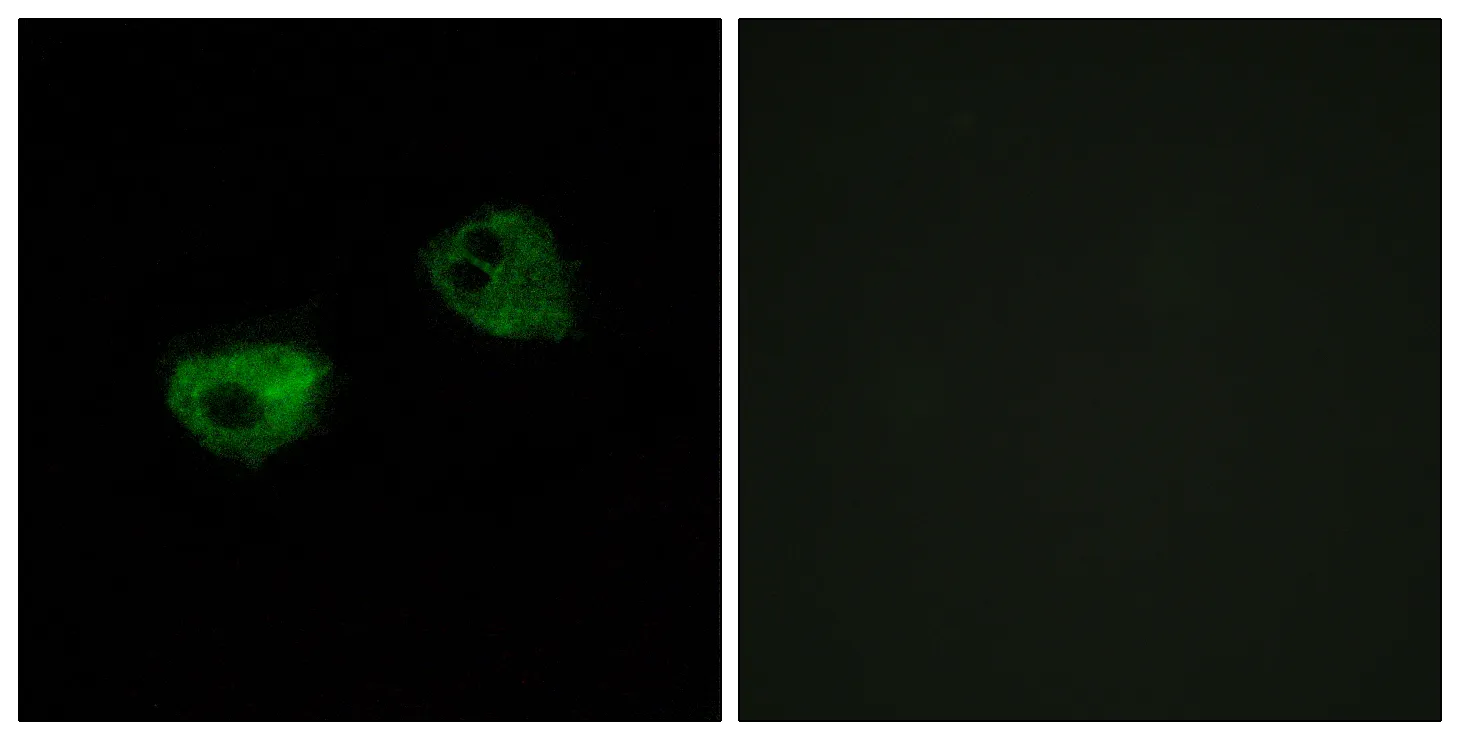
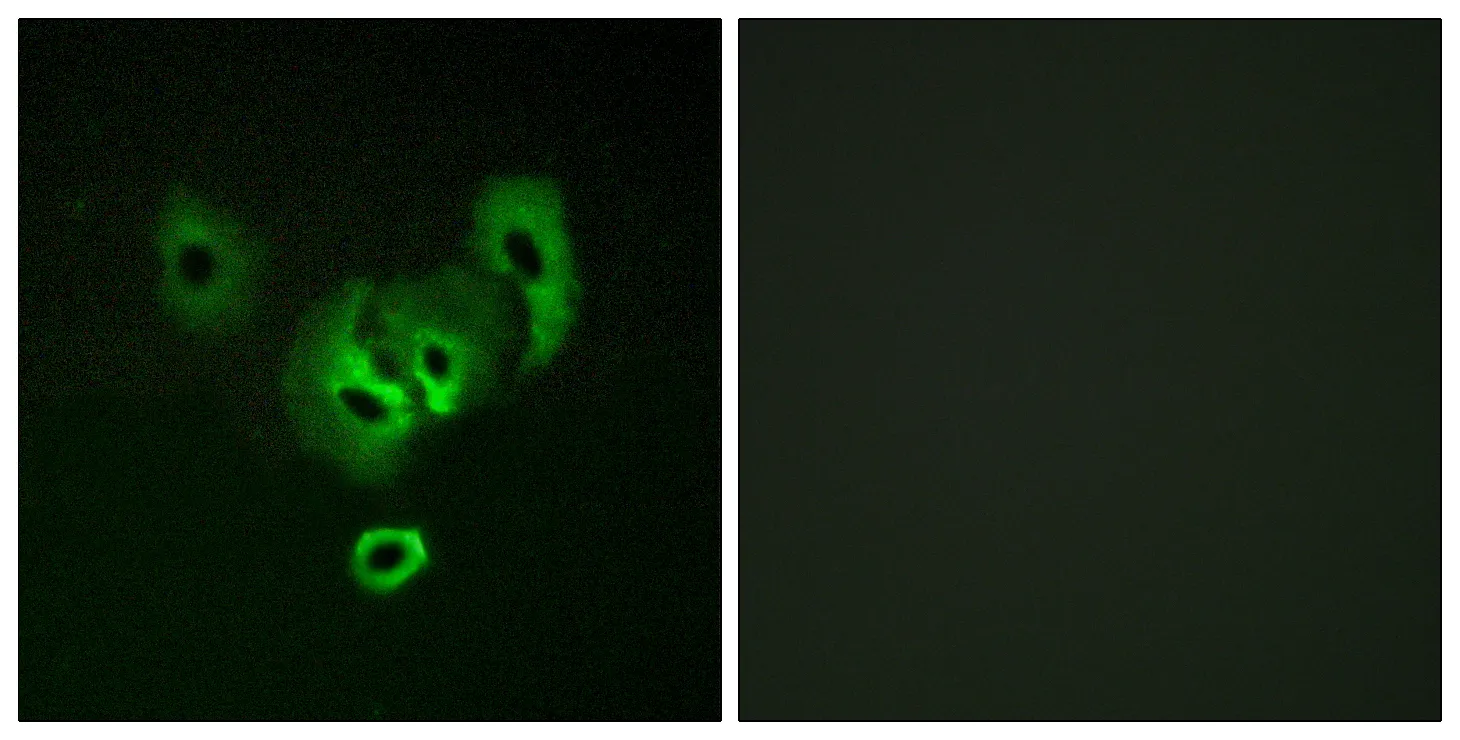
| アプリケーション | WB,IHC,ICC/IF,ELISA |
| 希釈倍率 | WB 1:500-1:2000,IHC 1:100-1:300,ICC/IF 1:50-1:200,ELISA 1:5000-1:20000 |
| 分子量 | 65kDa |
研究分野
| AMPK |
背景
| この遺伝子産物は、セリン/スレオニンタンパク質キナーゼファミリー、およびCa(2+)/カルモジュリン依存性タンパク質キナーゼサブファミリーに属します。この遺伝子の主要アイソフォームは、下流のキナーゼCaMK1およびCaMK4をリン酸化することにより、カルシウム/カルモジュリン依存性(CaM)キナーゼカスケードにおいて役割を果たします。この遺伝子のタンパク質産物は、AMP活性化タンパク質キナーゼ(AMPK)もリン酸化します。この遺伝子は脳で最も強く発現し、学習と記憶、神経細胞の分化と移動、神経突起の伸展、シナプス形成に関与するシグナル伝達カスケードに影響を与えます。選択的スプライシングにより、異なるアイソフォームをコードする複数の転写産物バリアントが生成されます。同定されたアイソフォームは、自己リン酸化を受ける能力と下流のキナーゼをリン酸化する能力が異なります。 [RefSeq提供、2012年7月],触媒活性:ATP + タンパク質 = ADP + リン酸化タンパク質。,ドメイン:自己阻害ドメインはカルモジュリン結合領域と重複しており、立体構造内自己阻害に関与している可能性がある。,ドメイン:RPドメイン(アルギニン/プロリンに富む)は、CAMKIおよびCAMK4を基質として認識する役割を担っている。,酵素調節:Ca(2+)/カルモジュリンによって活性化される。カルモジュリンの結合により立体構造内自己阻害が解除される可能性がある。自己リン酸化は活性やCa(2+)/カルモジュリンによる調節を変化させない。活性はCa(2+)/カルモジュリンに依存しない部分もある。,機能:カルシウム/カルモジュリン依存性タンパク質キナーゼ。カルシウム誘導性シグナル伝達カスケードに属すると考えられており、多くの細胞プロセスに関与している。アイソフォーム1、アイソフォーム2、およびアイソフォーム3はCAMK1およびCAMK4をリン酸化します。アイソフォーム3はCAMK1Dをリン酸化します。カルモジュリン結合ドメインの一部を欠くアイソフォーム4、アイソフォーム5、およびアイソフォーム6は不活性です。海馬におけるCREB1の活性化に関与していると考えられます。,PTM:自己リン酸化。,配列注意:イントロン保持。,類似性:タンパク質キナーゼスーパーファミリーに属します。Ser/Thrタンパク質キナーゼファミリー。,類似性:1つのタンパク質キナーゼドメインを含みます。,サブユニット:カルモジュリンと相互作用します。,組織特異性:普遍的に発現し、脳では高濃度です。脾臓、前立腺、甲状腺、白血球では中濃度が検出されます。肺では最低濃度です。, |