

CYP4V2ウサギポリクローナル抗体
コンジュゲーション: 非共役
ウサギポリクローナル抗体
アプリケーション
反応性
ヒト、ラット、マウス
遺伝子名
CYP4V2
保存
小分けして-20℃で保存してください(12ヶ月間有効)。凍結融解サイクルは避けてください。
要約
| 製品名 | CYP4V2ウサギポリクローナル抗体 |
| 説明 | ウサギポリクローナル抗体 |
| 宿主 | うさぎ |
| 反応性 | ヒト、ラット、マウス |
| コンジュゲーション | 非共役 |
| 修飾 | 未修正 |
| アイソタイプ | IgG |
| クローン性 | ポリクローナル |
| 形態 | 液体 |
| 濃度 | 非共役 |
| 保存 | 小分けして-20℃で保存してください(12ヶ月間有効)。凍結融解サイクルは避けてください。 |
| 配送 | 氷嚢。 |
| バッファー | 50% グリセロール、0.5% 保護タンパク質、0.02% 新タイプ防腐剤 N を含む PBS 液。 |
| 精製 | アフィニティー精製 |
抗原情報
| 遺伝子名 | CYP4V2 |
| 別名 | CYP4V2; Cytochrome P450 4V2 |
| 遺伝子ID | 285440 |
| SwissProt ID | Q6ZWL3 |
| 免疫原 | ヒト CYP4V2 の内部領域から得られた合成ペプチド。 |
アプリケーション
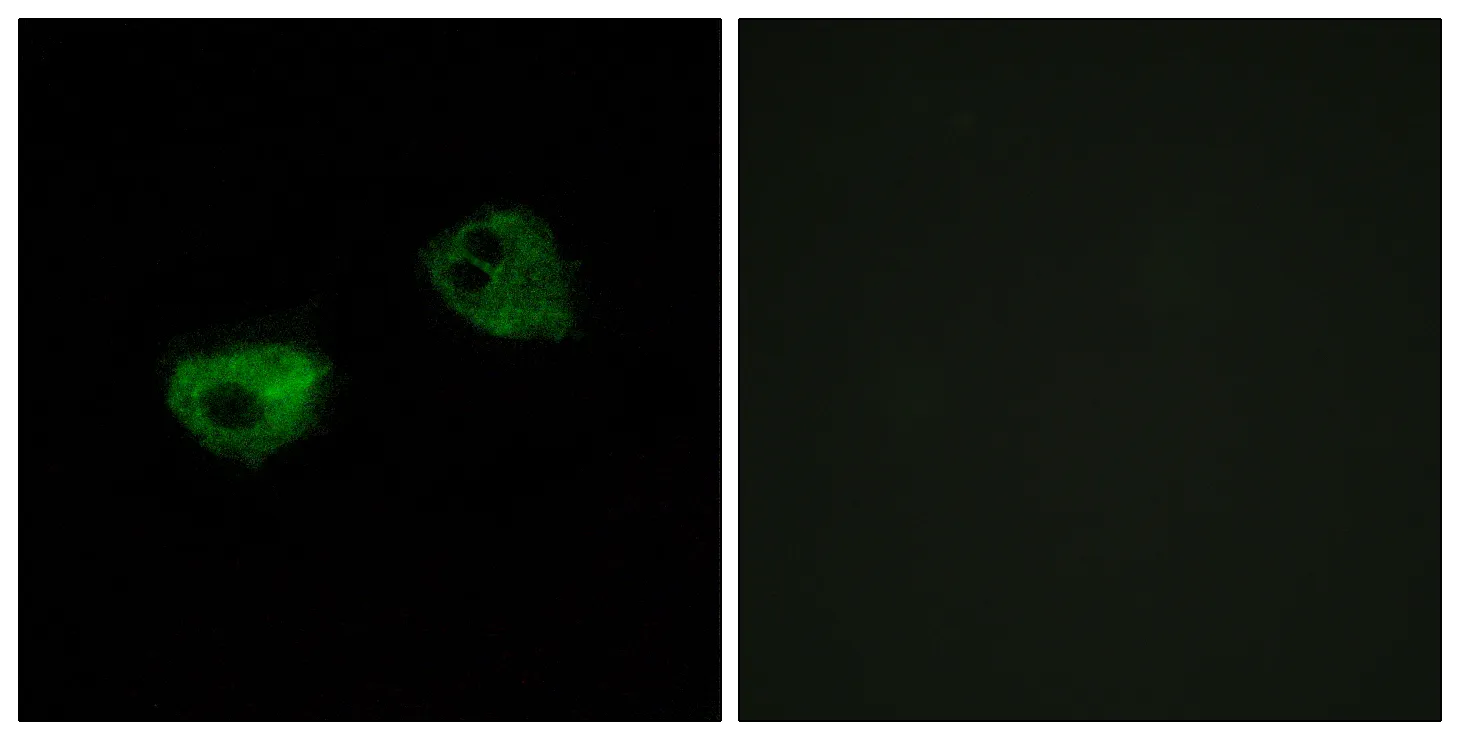
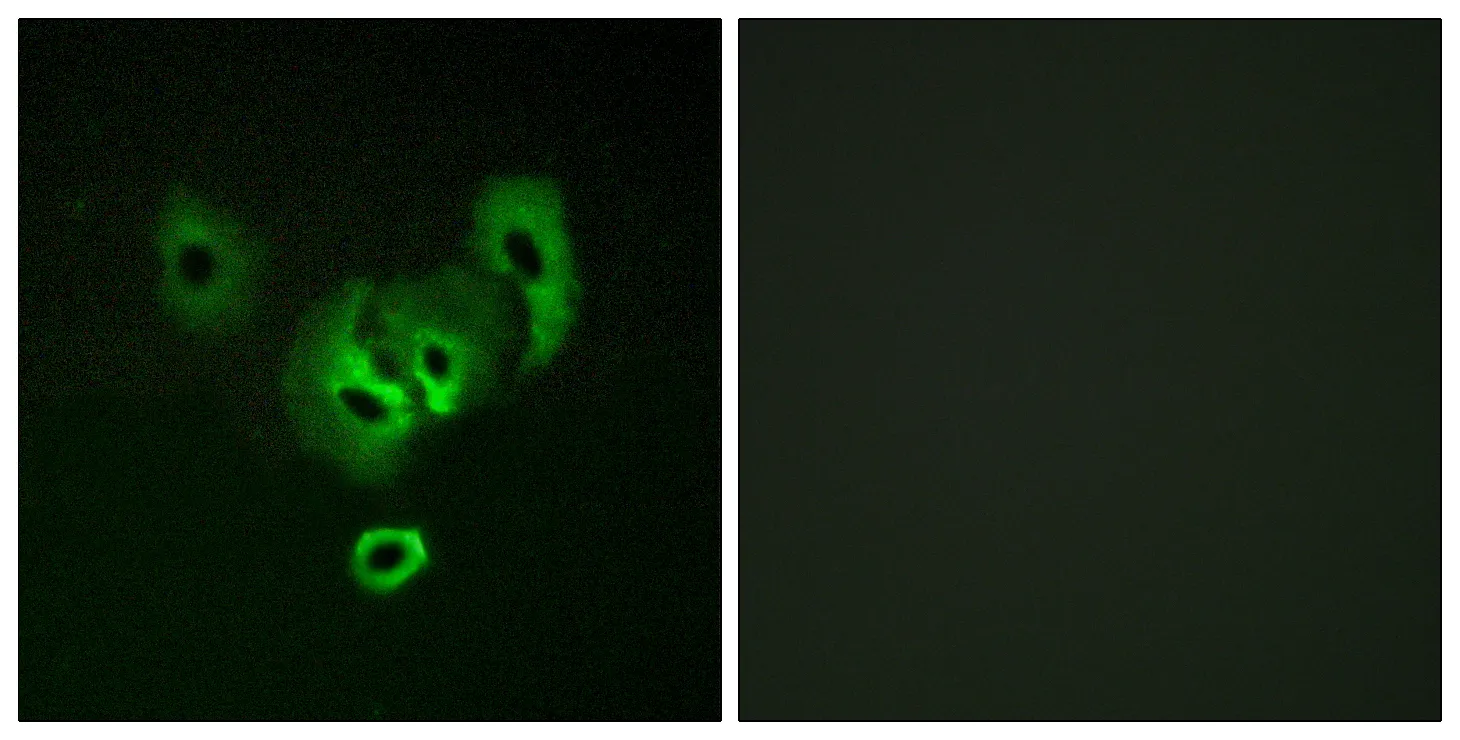
| アプリケーション | WB,IHC,ICC/IF,ELISA |
| 希釈倍率 | WB 1:500-1:2000,IHC 1:100-1:300,ICC/IF 1:50-1:200,ELISA 1:10000-1:20000 |
| 分子量 | 60kDa |
研究分野
背景
| この遺伝子は、代謝経路における様々な基質の酸化に関与するシトクロムP450ヘメチオレートタンパク質スーパーファミリーのメンバーをコードしています。脂肪酸前駆体からn-3系多価不飽和脂肪酸への代謝に関与しています。この遺伝子の変異は、ビエッティ型結晶性角膜網膜ジストロフィーを引き起こします。[RefSeq提供、2008年7月]、補因子:ヘムグループ、疾患:CYP4V2の欠陥は、ビエッティ型結晶性角膜網膜ジストロフィー(BCD)の原因です[MIM:210370]。BCDは常染色体劣性遺伝性の網膜ジストロフィーで、眼底に散在する多数の網膜内結晶、網膜の特徴的な変性、脈絡膜血管の硬化を特徴とし、最終的には進行性の夜盲症と視野狭窄を引き起こします。ほとんどの症例で、角膜強膜輪部に類似した結晶が認められます。臨床的に、BCDは進行性です。患者は20代から40代の間に視力低下、夜盲、傍中心暗点を呈します。その後、周辺視野欠損と顕著な視力障害を呈し、通常は50代または60代までに法的失明に進行します。,機能:不明。脂肪酸およびステロイド代謝に関与している可能性があります。,類似性:シトクロムP450ファミリーに属します。,組織特異性:広く発現しています。心臓、脳、胎盤、肺、肝臓、骨格筋、腎臓、膵臓、網膜、網膜色素上皮(RPE)、リンパ球で検出されます。, |