COP1ウサギポリクローナル抗体
コンジュゲーション: 非共役
ウサギポリクローナル抗体
アプリケーション
反応性
ヒト、マウス
遺伝子名
RFWD2
保存
小分けして-20℃で保存してください(12ヶ月間有効)。凍結融解サイクルは避けてください。
要約
| 製品名 | COP1ウサギポリクローナル抗体 |
| 説明 | ウサギポリクローナル抗体 |
| 宿主 | うさぎ |
| 反応性 | ヒト、マウス |
| コンジュゲーション | 非共役 |
| 修飾 | 未修正 |
| アイソタイプ | IgG |
| クローン性 | ポリクローナル |
| 形態 | 液体 |
| 濃度 | 非共役 |
| 保存 | 小分けして-20℃で保存してください(12ヶ月間有効)。凍結融解サイクルは避けてください。 |
| 配送 | 氷嚢。 |
| バッファー | 50% グリセロール、0.5% 保護タンパク質、0.02% 新タイプ防腐剤 N を含む PBS 液。 |
| 精製 | アフィニティー精製 |
抗原情報
| 遺伝子名 | RFWD2 |
| 別名 | RFWD2; COP1; RNF200; E3 ubiquitin-protein ligase RFWD2; Constitutive photomorphogenesis protein 1 homolog; hCOP1; RING finger and WD repeat domain protein 2; RING finger protein 200 |
| 遺伝子ID | 64326 |
| SwissProt ID | Q8NHY2 |
| 免疫原 | 抗血清はヒトRFWD2由来の合成ペプチドに対して作製された。アミノ酸範囲:661-710 |
アプリケーション
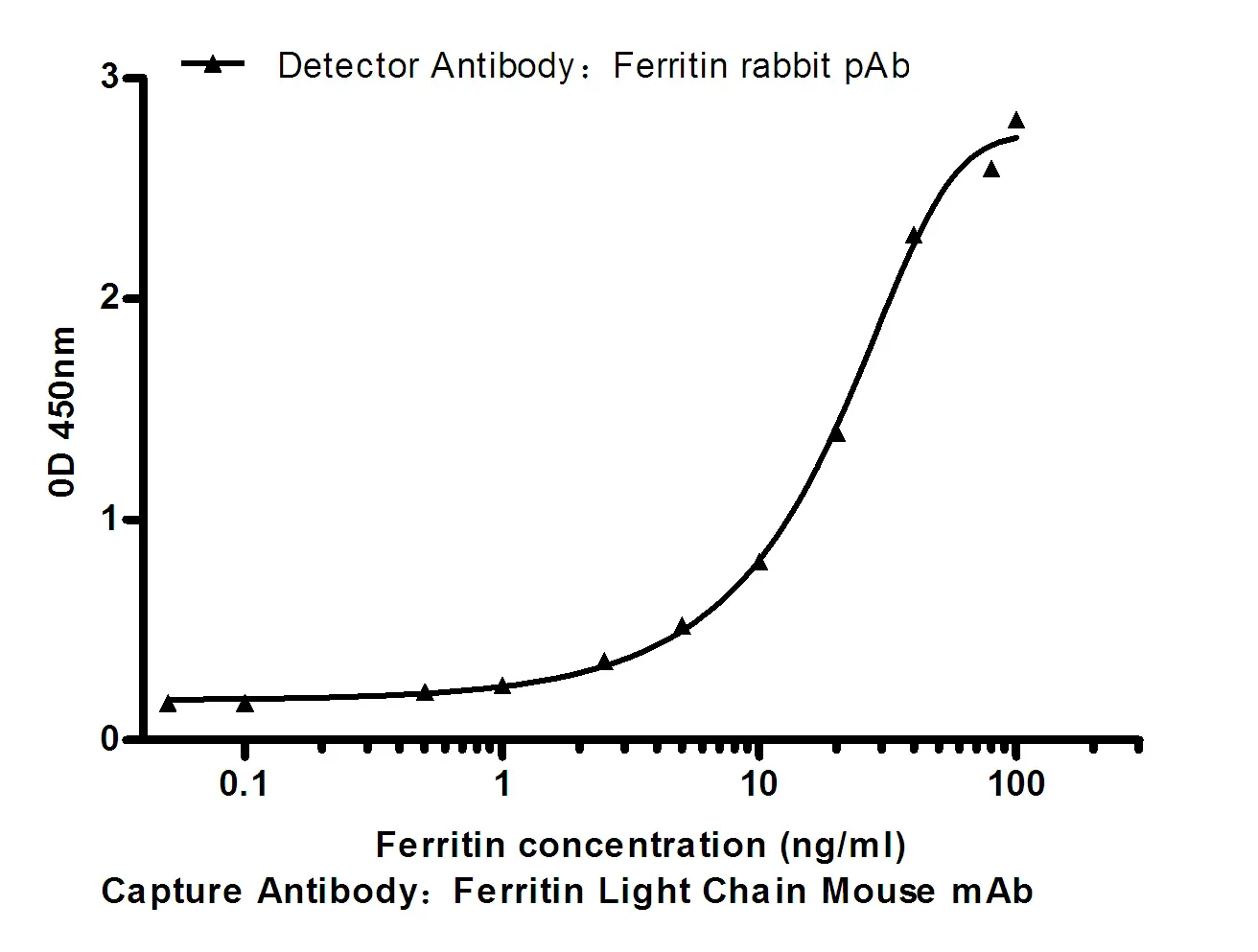
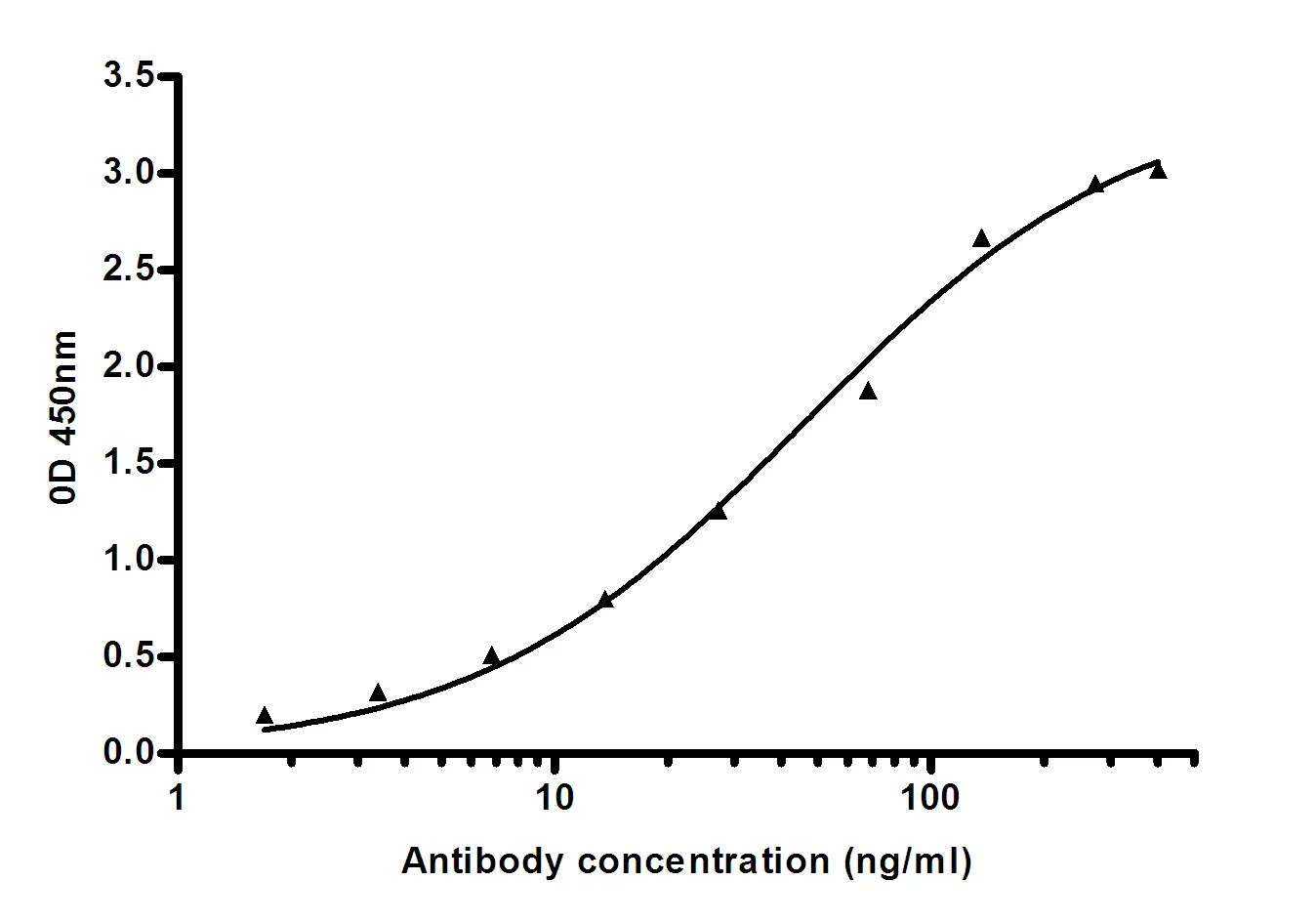
| アプリケーション | WB,ELISA |
| 希釈倍率 | WB 1:500-1:2000,ELISA 1:10000-1:20000 |
| 分子量 | 80kDa |
研究分野
| p53;Ubiquitin mediated proteolysis; |
背景
| ドメイン:RING フィンガードメインは、ユビキチン化における役割に加えて、2 つの正電荷残基クラスターを空間的に近接させ、二分核局在シグナル (NLS) を模倣する構造的足場として機能します。,機能:E3 ユビキチン - タンパク質リガーゼは、標的タンパク質のユビキチン化とそれに続くプロテアソーム分解を媒介します。E3 ユビキチンリガーゼは、E2 ユビキチン結合酵素からチオエステルの形でユビキチンを受け取り、その後、ユビキチンを標的基質に直接転送します。JUN のユビキチン化と分解に関与します。p53 (TP53) のユビキチン化と分解に直接関与し、それによって p53 依存性転写とアポトーシスを除去します。MDM2 または RCHY1 とは独立して p53 をユビキチン化します。おそらく、より大きなE3複合体の必須RINGドメインサブユニットとして機能し、E3ユビキチンリガーゼ活性を媒介する。一方、DCX DET1-COP1複合体において、このタンパク質はJUNを負に制御する触媒RINGサブユニットを構成しない。このユビキチンリガーゼ活性はRBX1によって媒介される。,誘導:p53/TP53による。,経路:タンパク質修飾;タンパク質ユビキチン化。,類似性:COP1ファミリーに属する。,類似性:RING型ジンクフィンガーを1つ含む。,類似性:WDリピートを7つ含む。,細胞内局在:核内では核スペックルを形成する。,サブユニット:ホモ二量体。ホモ二量体化はコイルドコイルドメインによって媒介される。 DCX DET1-COP1ユビキチンリガーゼ複合体の構成要素であり、少なくともRBX1、DET1、DDB1、CUL4A、およびCOP1から構成されています。アイソフォーム2はCUL4Aとは相互作用しませんが、RBX1には結合するため、この相互作用は別のCulllinタンパク質によって媒介されている可能性が示唆されます。アイソフォーム1とアイソフォーム2はCUL5と相互作用しますが、CUL1とは相互作用しません。CUL2はCUL3とは相互作用しません。bZIP転写因子JUN、JUNB、およびJUNDと相互作用しますが、FOS、ATF2、およびXBP1とは相互作用しません。p53(TP53)と相互作用します。,組織特異性:低レベルで普遍的に発現しています。精巣、胎盤、骨格筋、心臓で高レベルで発現しています。,ドメイン:RING フィンガー ドメインは、ユビキチン化における役割に加えて、2 つの正電荷残基のクラスターを空間的に近接させ、二分核局在シグナル (NLS) を模倣するための構造的足場として機能します。,機能:E3 ユビキチン - タンパク質リガーゼは、標的タンパク質のユビキチン化とそれに続くプロテアソーム分解を媒介します。E3 ユビキチンリガーゼは、E2 ユビキチン結合酵素からチオエステルの形でユビキチンを受け取り、その後、そのユビキチンを標的基質に直接転送します。JUN のユビキチン化と分解に関与します。p53 (TP53) のユビキチン化と分解に直接関与し、それによって p53 依存性転写とアポトーシスを除去します。 MDM2またはRCHY1とは独立してp53をユビキチン化する。おそらく、より大きなE3複合体の必須RINGドメインサブユニットとして機能し、E3ユビキチンリガーゼ活性を媒介する。一方、DCX DET1-COP1複合体において、このタンパク質は触媒RINGサブユニットを構成しておらず、この複合体はJUNを負に制御する。このユビキチンリガーゼ活性はRBX1によって媒介される。,誘導:p53/TP53による。,経路:タンパク質修飾;タンパク質ユビキチン化。,類似性:COP1ファミリーに属する。,類似性:RING型ジンクフィンガーを1つ含む。,類似性:WDリピートを7つ含む。,細胞内局在:核内では核スペックルを形成する。,サブユニット:ホモ二量体。ホモ二量体化はコイルドコイルドメインによって媒介される。 DCX DET1-COP1ユビキチンリガーゼ複合体の構成要素であり、少なくともRBX1、DET1、DDB1、CUL4A、COP1から構成されています。アイソフォーム2はCUL4Aとは相互作用しませんが、RBX1には結合するため、この相互作用は別のカリンタンパク質によって媒介されている可能性が示唆されます。アイソフォーム1とアイソフォーム2はCUL5と相互作用しますが、CUL1とは相互作用しません。CUL2はCUL3とは相互作用しません。bZIP転写因子JUN、JUNB、JUNDと相互作用しますが、FOS、ATF2、XBP1とは相互作用しません。p53(TP53)と相互作用します。,組織特異性:低レベルで普遍的に発現しています。精巣、胎盤、骨格筋、心臓では高レベルで発現しています。, |