

CLIC4ウサギポリクローナル抗体
コンジュゲーション: 非共役
ウサギポリクローナル抗体
アプリケーション
反応性
ヒト、マウス、ラット
遺伝子名
CLIC4
保存
小分けして-20℃で保存してください(12ヶ月間有効)。凍結融解サイクルは避けてください。
要約
| 製品名 | CLIC4ウサギポリクローナル抗体 |
| 説明 | ウサギポリクローナル抗体 |
| 宿主 | うさぎ |
| 反応性 | ヒト、マウス、ラット |
| コンジュゲーション | 非共役 |
| 修飾 | 未修正 |
| アイソタイプ | IgG |
| クローン性 | ポリクローナル |
| 形態 | 液体 |
| 濃度 | 非共役 |
| 保存 | 小分けして-20℃で保存してください(12ヶ月間有効)。凍結融解サイクルは避けてください。 |
| 配送 | 氷嚢。 |
| バッファー | 50% グリセロール、0.5% 保護タンパク質、0.02% 新タイプ防腐剤 N を含む PBS 液。 |
| 精製 | アフィニティー精製 |
抗原情報
| 遺伝子名 | CLIC4 |
| 別名 | CLIC4; Chloride intracellular channel protein 4; Intracellular chloride ion channel protein p64H1 |
| 遺伝子ID | 25932 |
| SwissProt ID | Q9Y696 |
| 免疫原 | 抗血清はヒトCLIC4由来の合成ペプチドに対して作製された。アミノ酸範囲:1-50 |
アプリケーション
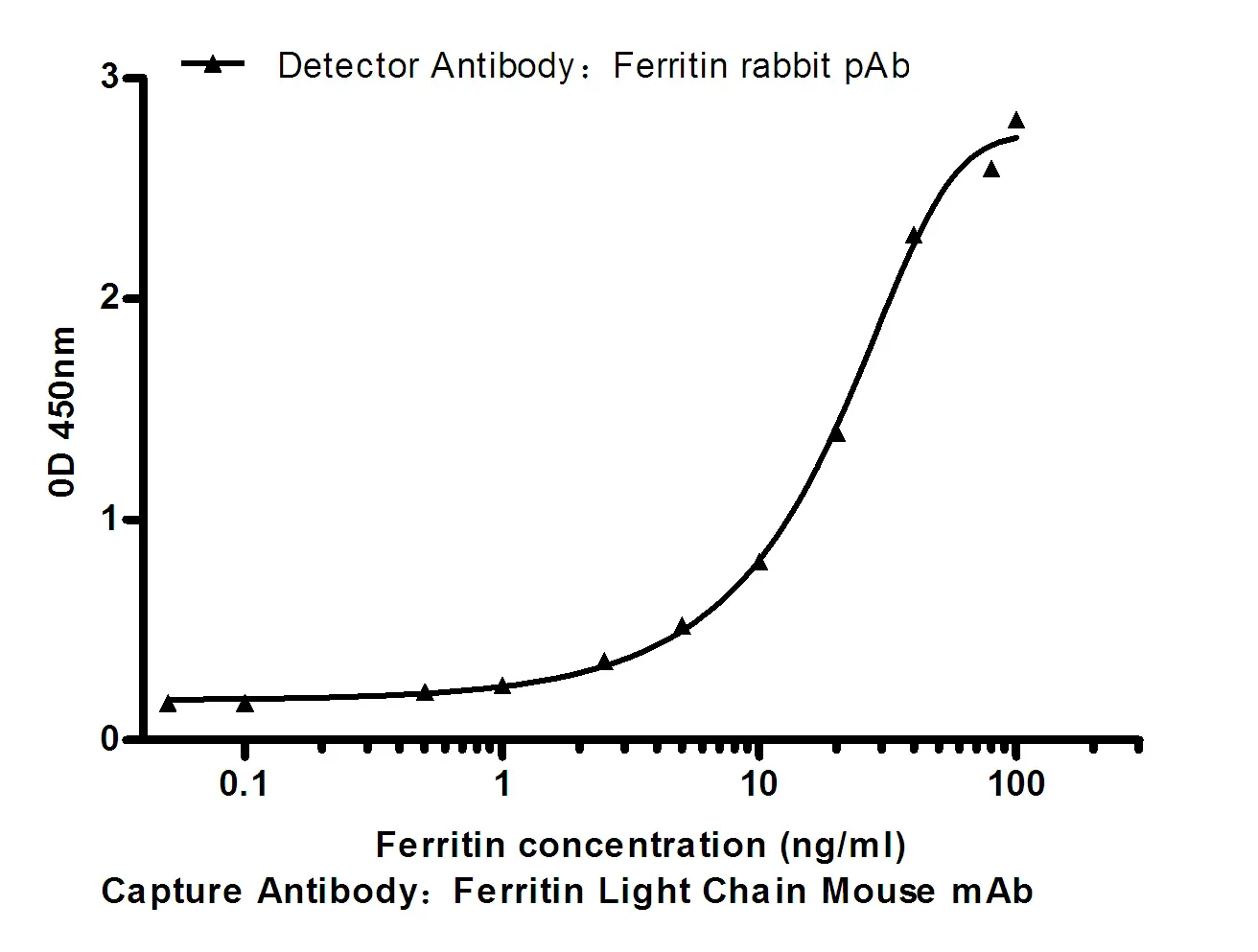
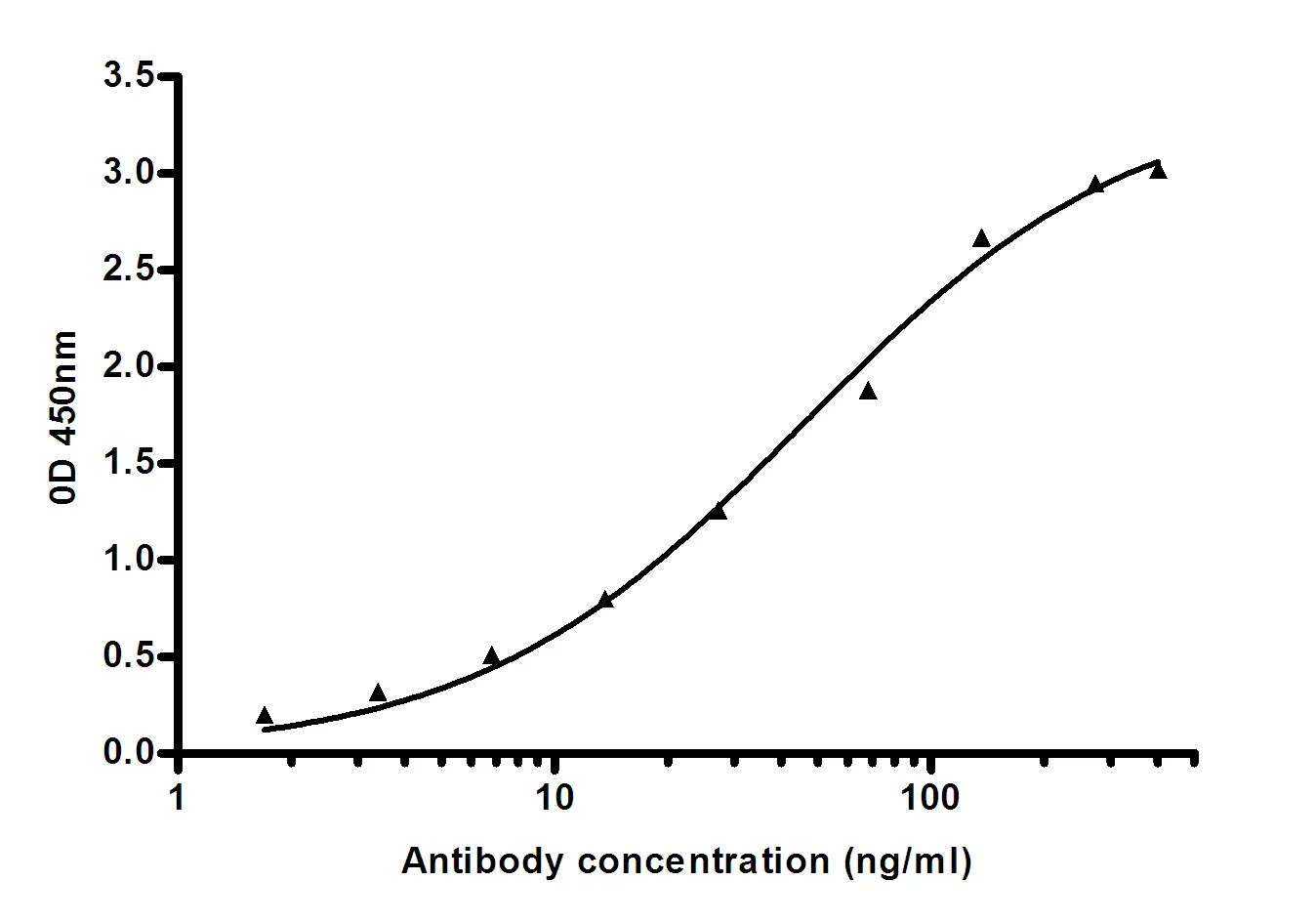
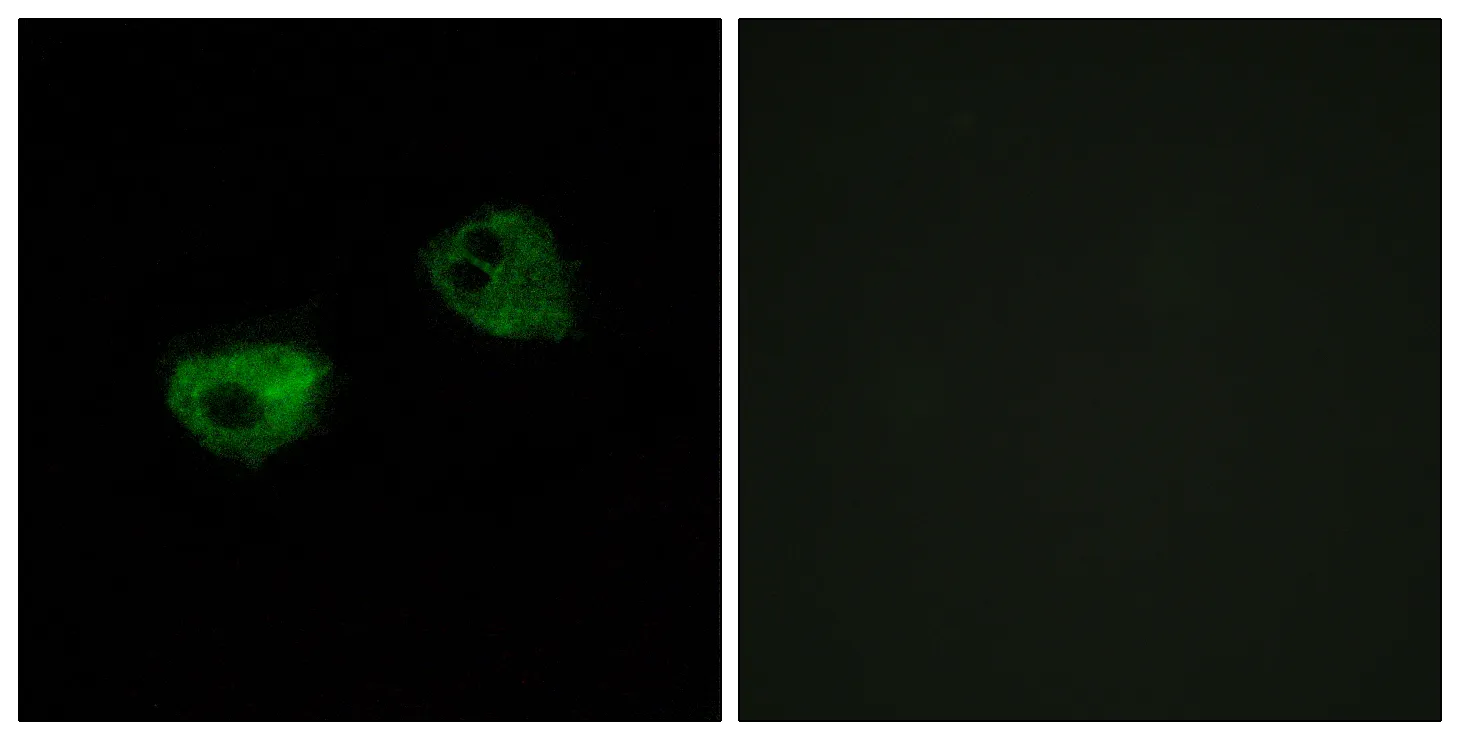
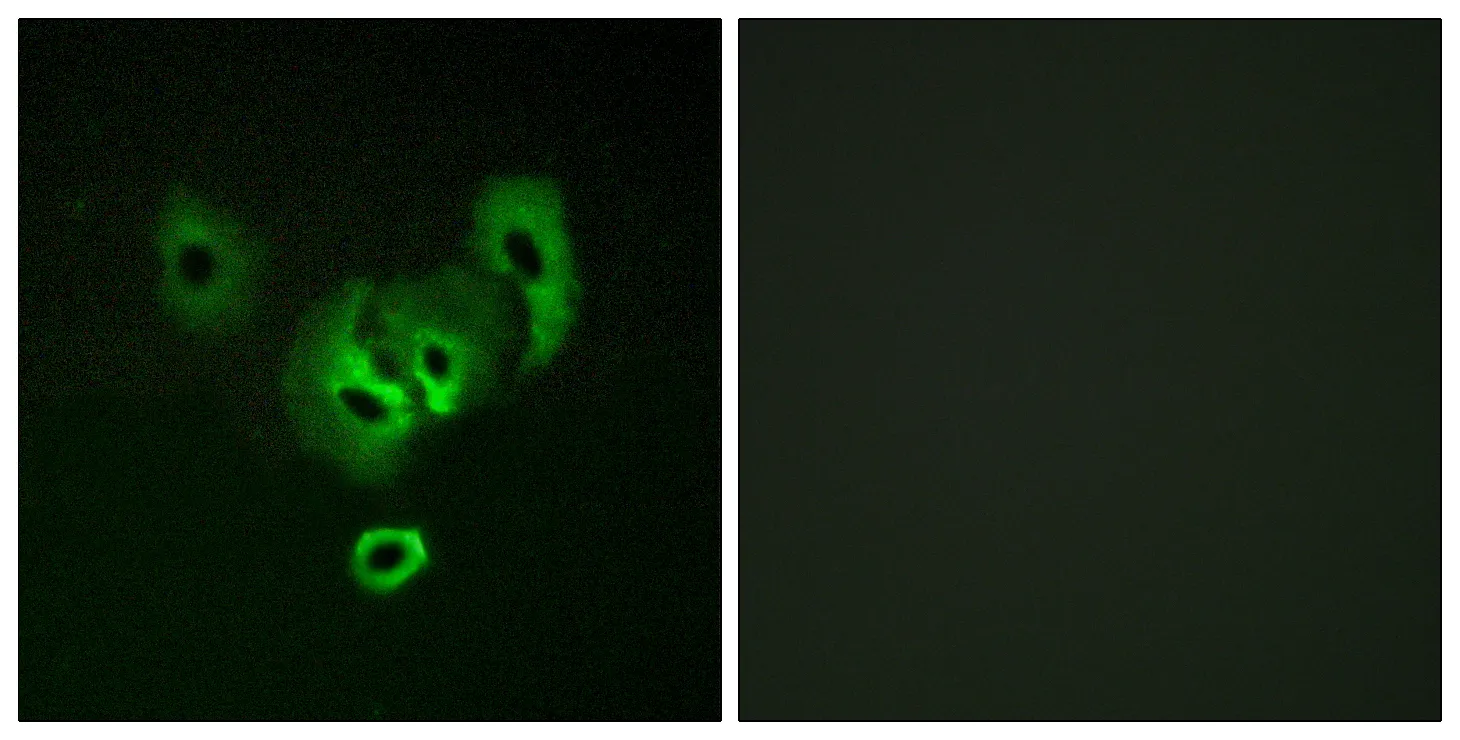
| アプリケーション | WB,IHC,ICC/IF,ELISA |
| 希釈倍率 | WB 1:500-1:2000,IHC 1:100-1:300,ICC/IF 1:50-1:200,ELISA 1:20000-1:40000 |
| 分子量 | 29kDa |
研究分野
| Cell Biology |
背景
| 塩化物イオンチャネル4(CLIC4) ホモサピエンス 塩化物イオンチャネルは、細胞膜電位の安定化、経上皮輸送、細胞内pHの維持、細胞容積の調節など、基本的な細胞プロセスを制御する多様なタンパク質群です。CLIC4遺伝子によってコードされる塩化物イオンチャネル4(CLIC4)タンパク質はp64ファミリーに属し、多くの組織で発現しており、Panc-1細胞(膵臓癌細胞)では細胞内小胞パターンを示します。[RefSeq提供、2008年7月],ドメイン:このファミリーのメンバーは、球状の可溶性状態から、N末端ドメインが膜に挿入され塩化物イオンチャネルとして機能する状態へと変化することがあります。N末端ドメインの構造変化は、膜挿入を誘発する疎水性表面を露出させると考えられています。,機能:膜に挿入され、選択性の低いイオンチャネルを形成し、塩化物イオンも輸送する可能性があります。チャネルの活性はpHに依存します。膜挿入は酸化還元制御下にあり、酸化条件下でのみ起こると考えられる。HRH3の細胞表面発現を促進する。血管新生に関与する可能性がある。,誘導:分化中のケラチノサイトにおいて、カルシウムイオンによって発現が上昇する。,類似性:塩化物チャネルCLICファミリーに属する。,類似性:1つのGST C末端ドメインを含む。,細胞内局在:可溶性細胞質タンパク質と、おそらく単一の膜貫通ドメインを持つ膜タンパク質の両方として存在する。トランスゴルジ網小胞に相当する細胞内小胞区画に存在する。,サブユニット:モノマー。HRH3と相互作用する。,組織特異性:結腸、食道、腎臓の上皮細胞で検出される(タンパク質レベル)。心臓、胎盤、骨格筋で顕著に発現する。 |