CKR-7ウサギポリクローナル抗体
コンジュゲーション: 非共役
ウサギポリクローナル抗体
アプリケーション
反応性
人間、猿
遺伝子名
CCR7
保存
小分けして-20℃で保存してください(12ヶ月間有効)。凍結融解サイクルは避けてください。
要約
| 製品名 | CKR-7ウサギポリクローナル抗体 |
| 説明 | ウサギポリクローナル抗体 |
| 宿主 | うさぎ |
| 反応性 | 人間、猿 |
| コンジュゲーション | 非共役 |
| 修飾 | 未修正 |
| アイソタイプ | IgG |
| クローン性 | ポリクローナル |
| 形態 | 液体 |
| 濃度 | 非共役 |
| 保存 | 小分けして-20℃で保存してください(12ヶ月間有効)。凍結融解サイクルは避けてください。 |
| 配送 | 氷嚢。 |
| バッファー | 50% グリセロール、0.5% 保護タンパク質、0.02% 新タイプ防腐剤 N を含む PBS 液。 |
| 精製 | アフィニティー精製 |
抗原情報
| 遺伝子名 | CCR7 |
| 別名 | CCR7; CMKBR7; EBI1; EVI1; C-C chemokine receptor type 7; C-C CKR-7; CC-CKR-7; CCR-7; BLR2; CDw197; Epstein-Barr virus-induced G-protein coupled receptor 1; EBI1; EBV-induced G-protein coupled receptor 1; MIP-3 beta receptor; CD antigen CD19 |
| 遺伝子ID | 1236 |
| SwissProt ID | P32248 |
| 免疫原 | 抗血清はヒトCCR7由来の合成ペプチドに対して作製された。アミノ酸範囲:170-219 |
アプリケーション
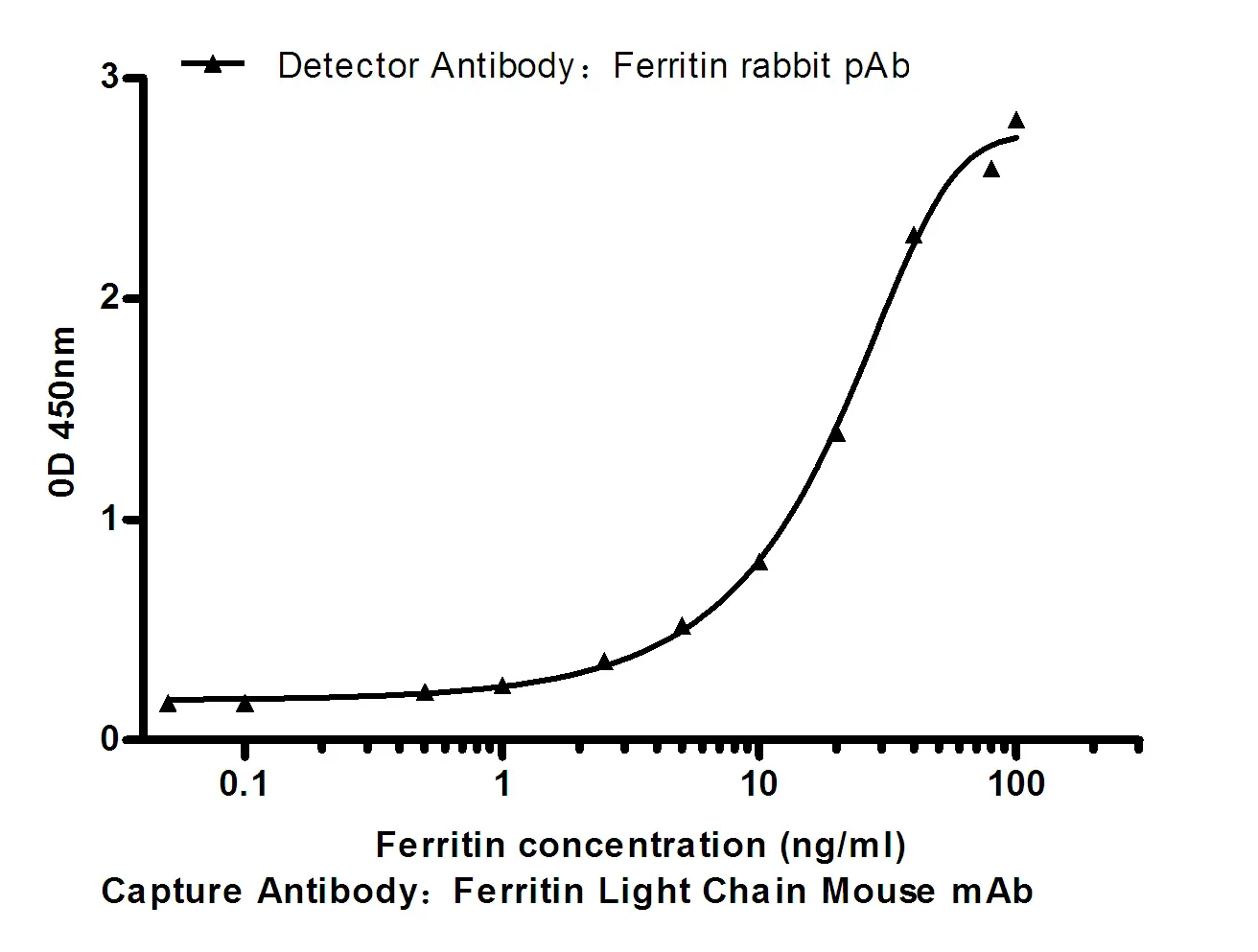
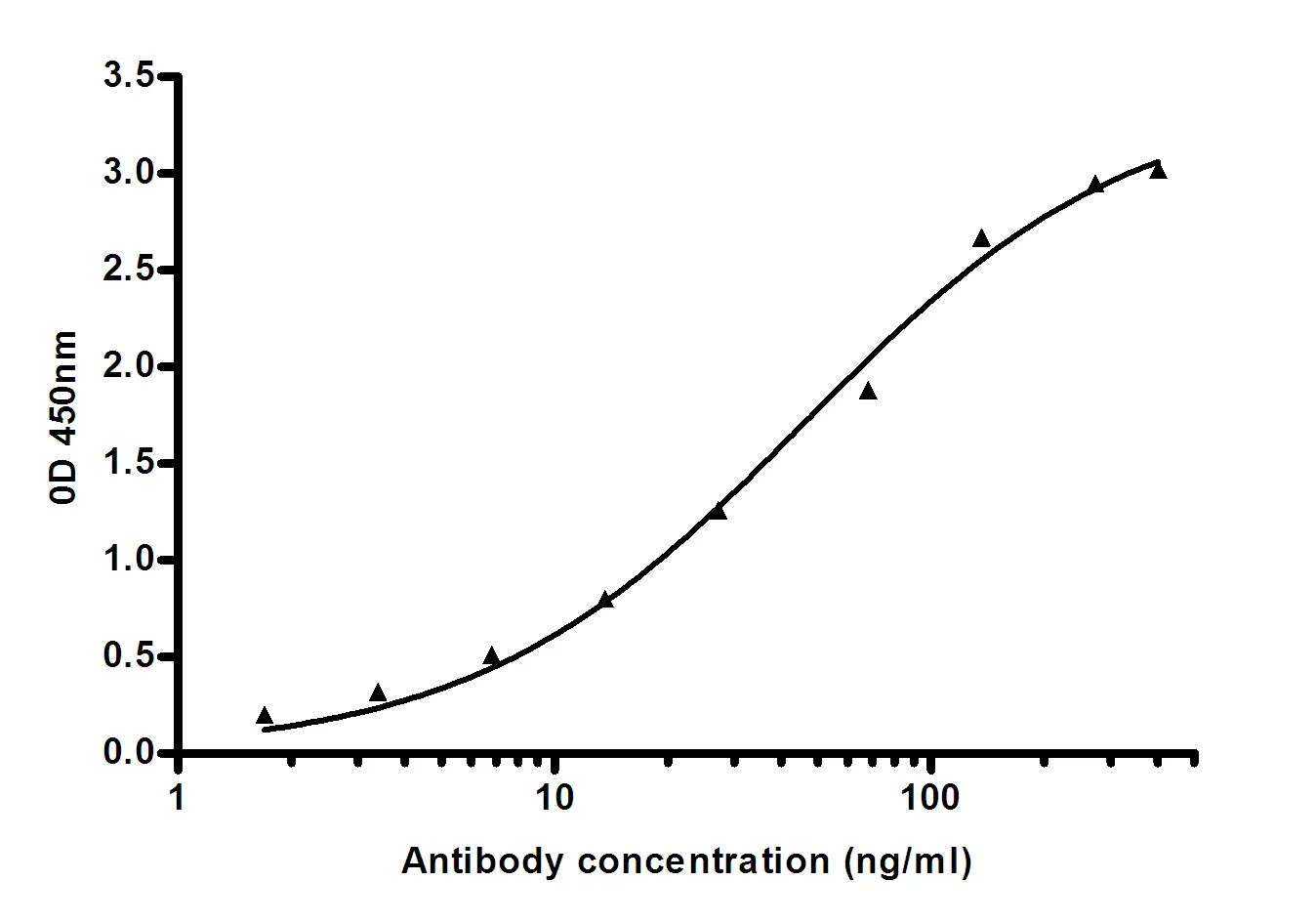
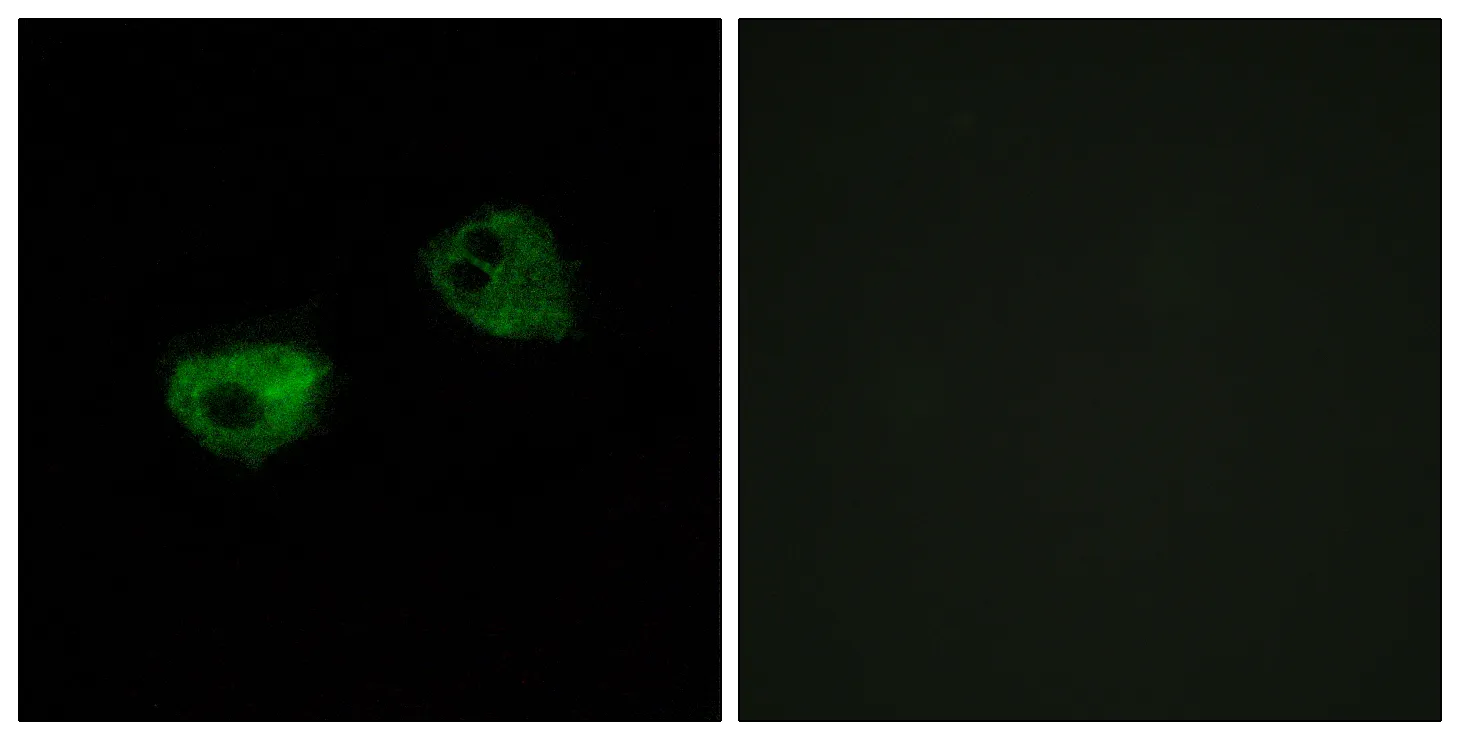
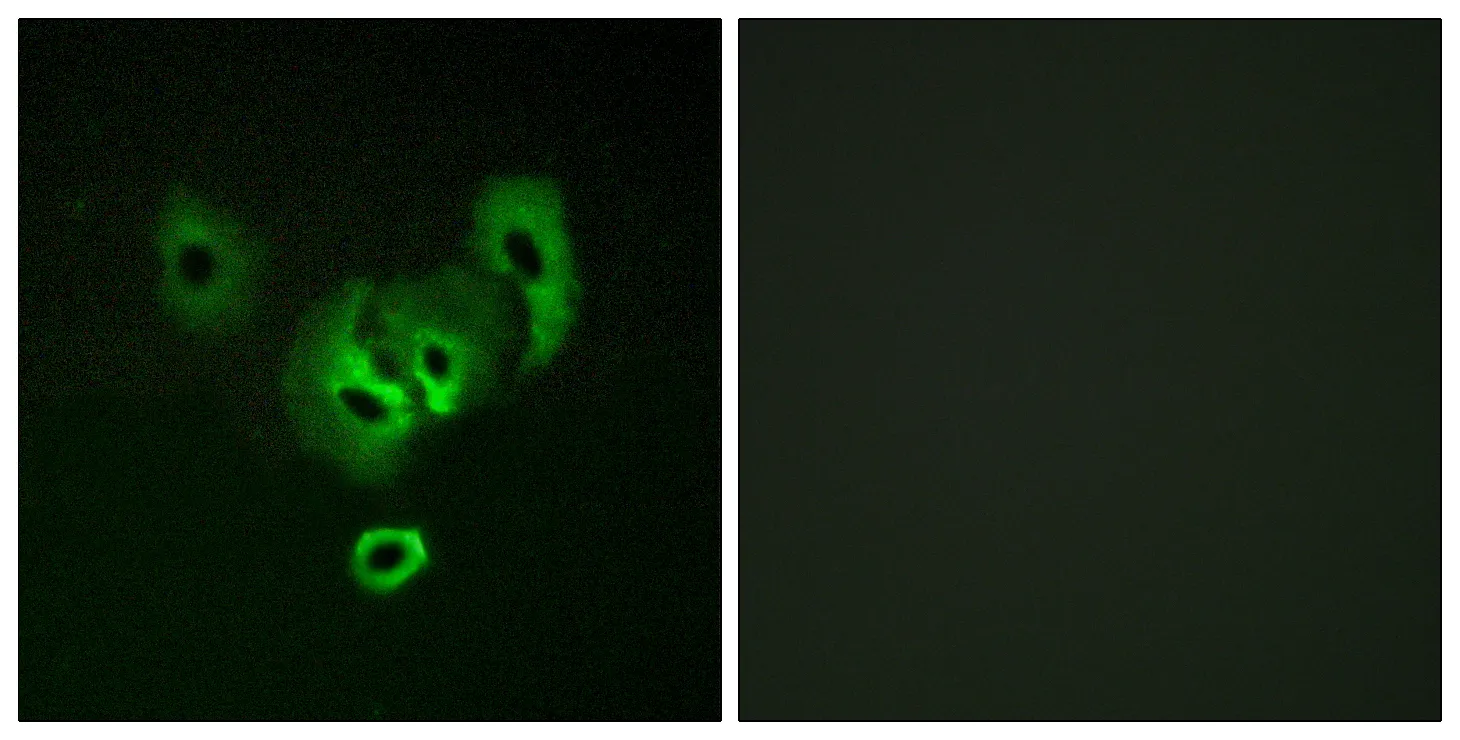
| アプリケーション | WB,ICC/IF,ELISA |
| 希釈倍率 | WB 1:500-1:2000,ICC/IF 1:200-1:1000,ELISA 1:20000-1:40000 |
| 分子量 | 43kDa |
研究分野
| Cytokine-cytokine receptor interaction;Chemokine; |
背景
| この遺伝子によってコードされるタンパク質は、Gタンパク質共役受容体ファミリーのメンバーである。この受容体は、エプスタイン・バーウイルス(EBV)によって誘導される遺伝子として同定され、Bリンパ球に対するEBVの作用のメディエーターであると考えられている。この受容体は様々なリンパ組織で発現し、Bリンパ球およびTリンパ球を活性化する。炎症組織へのメモリーT細胞の遊走を制御し、樹状細胞の成熟を促進することが示されている。ケモカイン(C-Cモチーフ)リガンド19(CCL19/ECL)は、この受容体の特異的リガンドであることが報告されている。この受容体によって媒介されるシグナルは、リンパ節におけるT細胞の恒常性を制御し、T細胞の活性化と分極、そして慢性炎症の病態形成にも機能している可能性がある。この遺伝子の選択的スプライシングにより、複数の転写産物バリアントが生じる。[RefSeq提供、2014年9月]、機能:MIP-3βケモカインの受容体。 EBV が B リンパ球に及ぼす影響、または正常なリンパ球の機能の媒介因子である可能性あり。,誘導:EBV による。,オンライン情報:CC ケモカイン受容体エントリ,類似性:G タンパク質結合受容体 1 ファミリーに属する。,組織特異性:さまざまなリンパ組織および活性化 B リンパ球および T リンパ球で発現し、エプスタイン・バーウイルスに感染した B 細胞およびヘルペスウイルス 6 型または 7 型に感染した T 細胞で強くアップレギュレーションされる。, |