CKR-6ウサギポリクローナル抗体
コンジュゲーション: 非共役
ウサギポリクローナル抗体
アプリケーション
反応性
ヒト、ラット、マウス
遺伝子名
CCR6
保存
小分けして-20℃で保存してください(12ヶ月間有効)。凍結融解サイクルは避けてください。
要約
| 製品名 | CKR-6ウサギポリクローナル抗体 |
| 説明 | ウサギポリクローナル抗体 |
| 宿主 | うさぎ |
| 反応性 | ヒト、ラット、マウス |
| コンジュゲーション | 非共役 |
| 修飾 | 未修正 |
| アイソタイプ | IgG |
| クローン性 | ポリクローナル |
| 形態 | 液体 |
| 濃度 | 非共役 |
| 保存 | 小分けして-20℃で保存してください(12ヶ月間有効)。凍結融解サイクルは避けてください。 |
| 配送 | 氷嚢。 |
| バッファー | 50% グリセロール、0.5% 保護タンパク質、0.02% 新タイプ防腐剤 N を含む PBS 液。 |
| 精製 | アフィニティー精製 |
抗原情報
| 遺伝子名 | CCR6 |
| 別名 | CCR6; CKRL3; CMKBR6; GPR29; STRL22; C-C chemokine receptor type 6; C-C CKR-6; CC-CKR-6; CCR-6; Chemokine receptor-like 3; CKR-L3; DRY6; G-protein coupled receptor 29; GPR-CY4; GPRCY4; LARC receptor; CD196 |
| 遺伝子ID | 1235 |
| SwissProt ID | P51684 |
| 免疫原 | 抗血清はヒトCCR6のN末端領域由来の合成ペプチドに対して作製された。アミノ酸範囲:1-50 |
アプリケーション
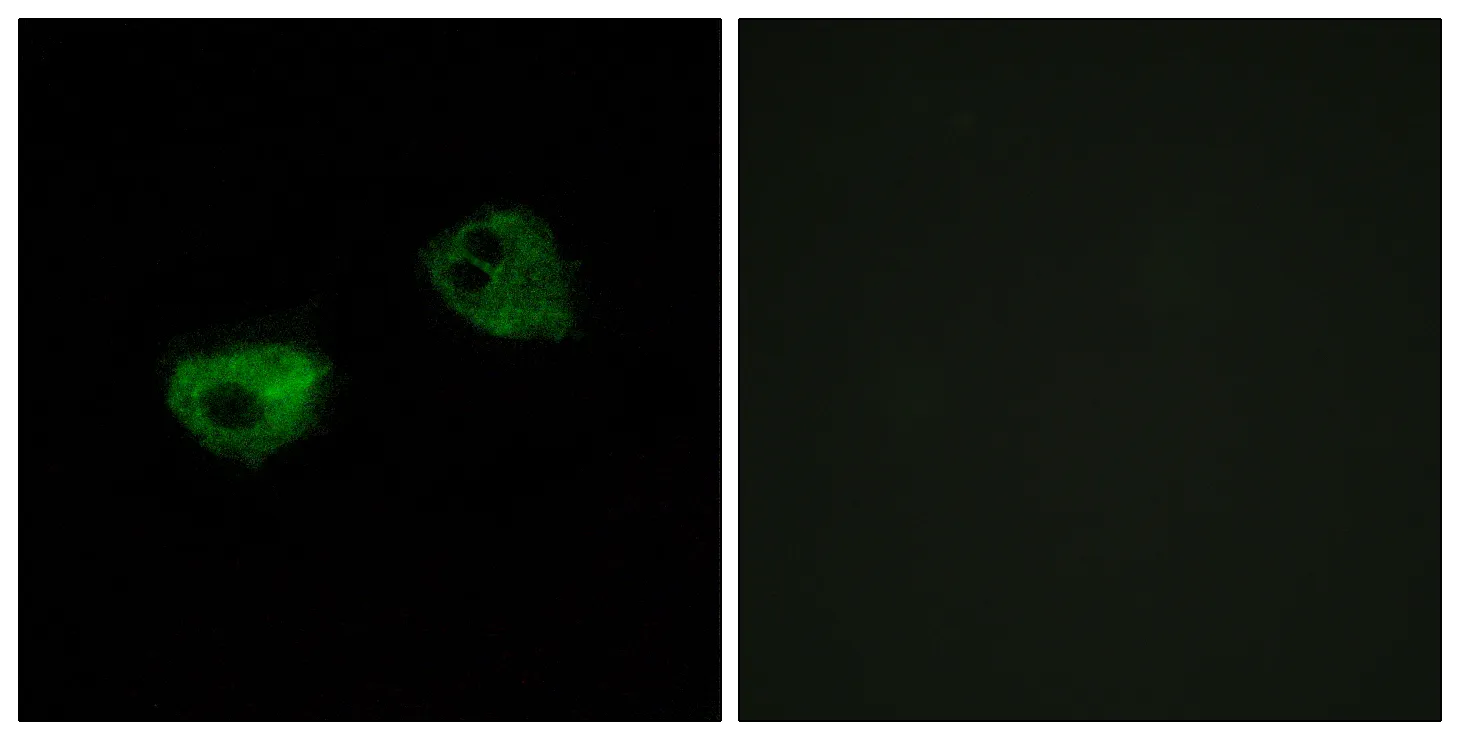
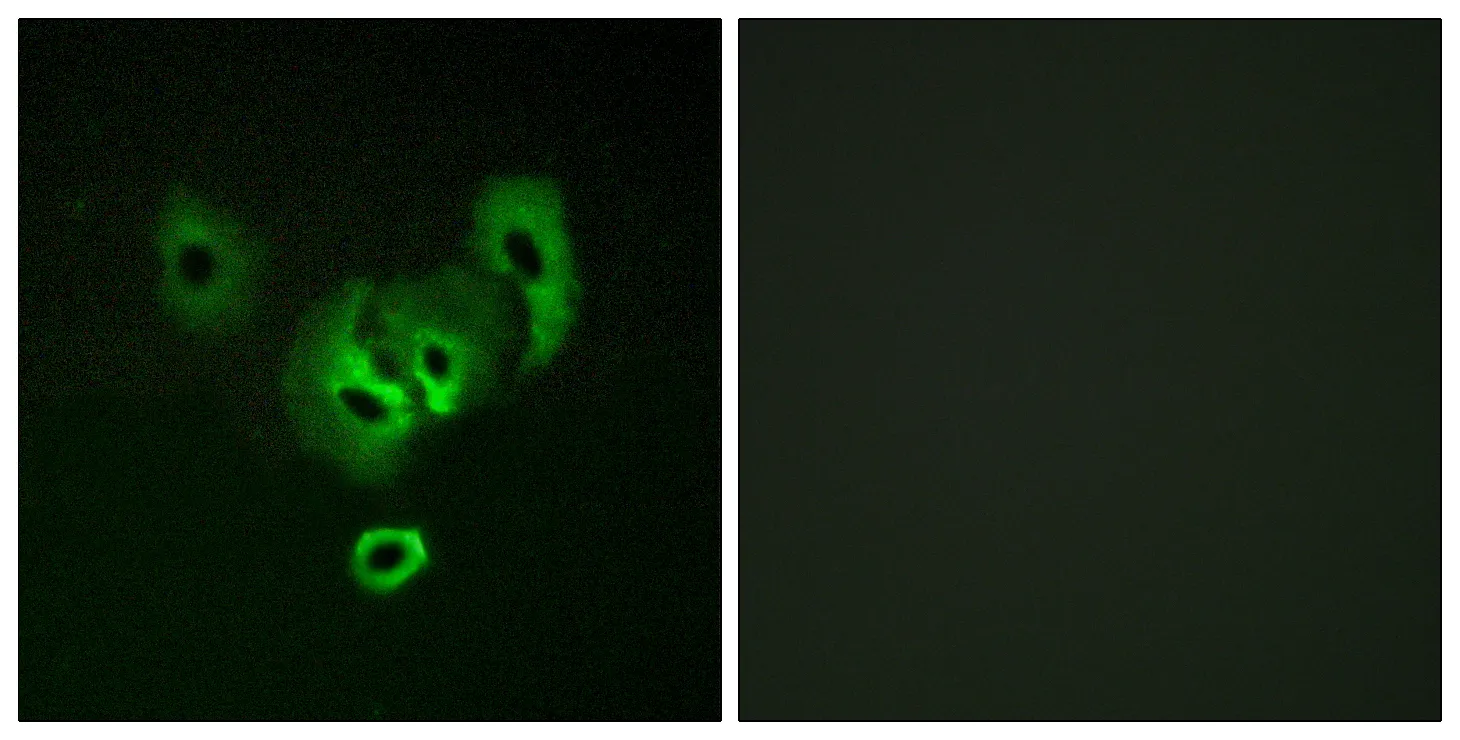
| アプリケーション | WB,ELISA |
| 希釈倍率 | WB 1:500-1:2000,ELISA 1:5000-1:20000 |
| 分子量 | 42kDa |
研究分野
| Cytokine-cytokine receptor interaction;Chemokine; |
背景
| この遺伝子は、Gタンパク質共役受容体に類似した7つの膜貫通タンパク質であると予測されるβケモカイン受容体ファミリーのメンバーをコードしています。この遺伝子は、未熟樹状細胞およびメモリーT細胞によって優先的に発現されます。この受容体のリガンドは、マクロファージ炎症性タンパク質3α(MIP-3α)です。この受容体は、B細胞系の成熟および抗原駆動性B細胞分化に重要であることが示されており、炎症および免疫応答における樹状細胞およびT細胞の移動と動員を制御している可能性があります。この遺伝子については、同じタンパク質をコードする選択的スプライシング転写バリアントが報告されています。[RefSeq提供、2008年7月],注意:Met-1またはMet-6のどちらがイニシエーターであるかは不明です。,ドメイン:C末端ドメイン内に、スプライシング因子SRファミリーの特徴であるRS領域(アルギニン-セリンジペプチドリピート)が含まれます。この領域は、タンパク質間相互作用において役割を果たしていると考えられます。,機能:C-C型ケモカインの受容体。MIP-3-α/LARCに結合し、細胞内カルシウムイオン濃度を上昇させることでシグナルを伝達します。,機能:転写調節因子であり、pre-mRNAスプライシング過程の制御に関与します。また、重要なアポトーシス因子の発現を調節し、細胞のアポトーシスを誘導します。,誘導:インターロイキン-2による。,オンライン情報:CCケモカイン受容体のエントリ,類似性:サイクリンファミリーに属します。サイクリンLサブファミリー。,類似性:Gタンパク質共役受容体1ファミリーに属する。,サブユニット:CDC2L1またはCDC2L2、SFRS2、SFRS7、およびRNAポリメラーゼIIの高リン酸化C末端ドメイン(CTD)であるPOLR2Aと相互作用する。,組織特異性:脾臓、リンパ節、虫垂、胎児肝臓。リンパ球、T細胞、B細胞に発現するが、ナチュラルキラー細胞、単球、顆粒球には発現しない。,組織特異性:普遍的に発現し、卵巣、心臓、肝臓、膵臓で高い発現レベルが観察される。, |