

CD6ウサギポリクローナル抗体
コンジュゲーション: 非共役
ウサギポリクローナル抗体
アプリケーション
反応性
ヒト、ラット、マウス
遺伝子名
CD6
保存
小分けして-20℃で保存してください(12ヶ月間有効)。凍結融解サイクルは避けてください。
要約
| 製品名 | CD6ウサギポリクローナル抗体 |
| 説明 | ウサギポリクローナル抗体 |
| 宿主 | うさぎ |
| 反応性 | ヒト、ラット、マウス |
| コンジュゲーション | 非共役 |
| 修飾 | 未修正 |
| アイソタイプ | IgG |
| クローン性 | ポリクローナル |
| 形態 | 液体 |
| 濃度 | 非共役 |
| 保存 | 小分けして-20℃で保存してください(12ヶ月間有効)。凍結融解サイクルは避けてください。 |
| 配送 | 氷嚢。 |
| バッファー | 50% グリセロール、0.5% 保護タンパク質、0.02% 新タイプ防腐剤 N を含む PBS 液。 |
| 精製 | アフィニティー精製 |
抗原情報
| 遺伝子名 | CD6 |
| 別名 | CD6; T-cell differentiation antigen CD6; T12; TP120; CD6 |
| 遺伝子ID | 923 |
| SwissProt ID | P30203 |
| 免疫原 | 抗血清はヒトCD6の内部領域由来の合成ペプチドに対して作製された。アミノ酸範囲:361-410 |
アプリケーション
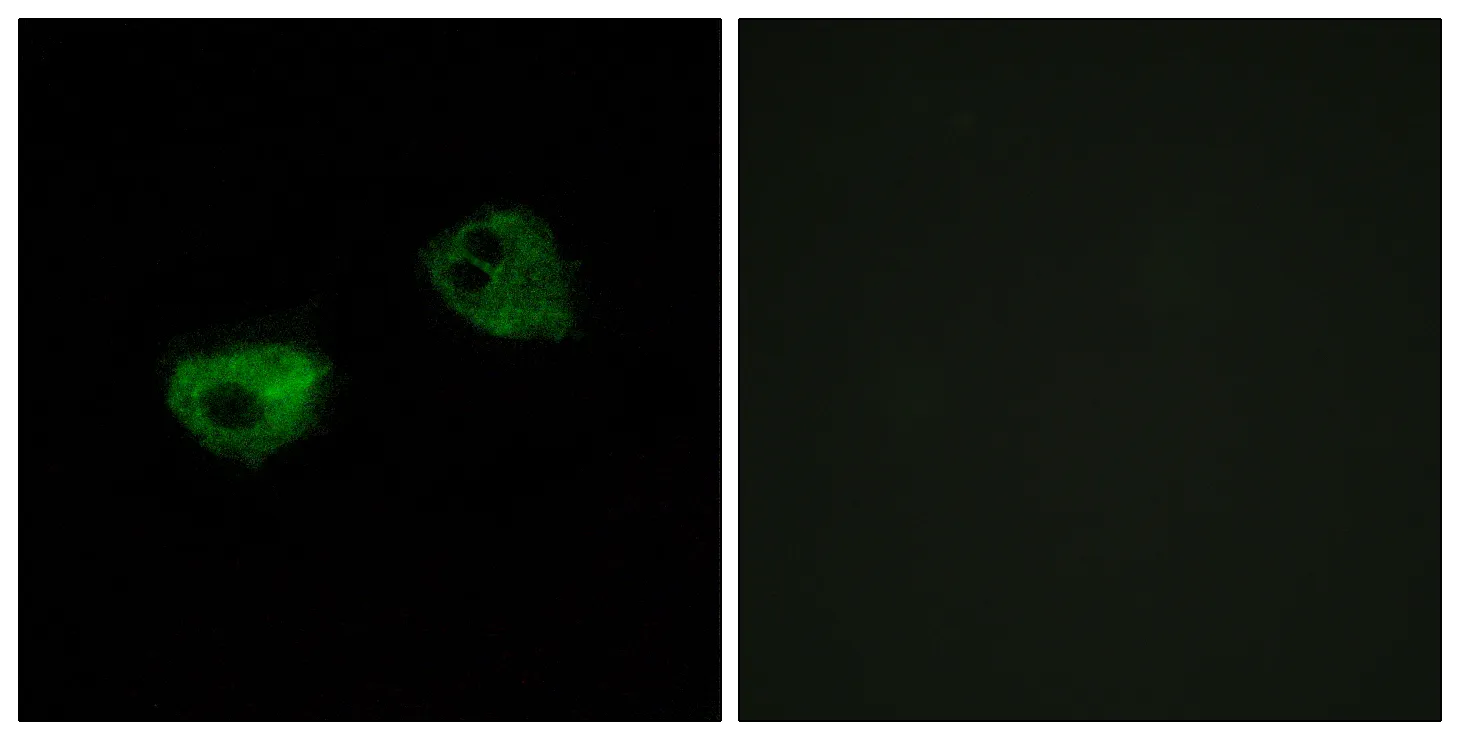
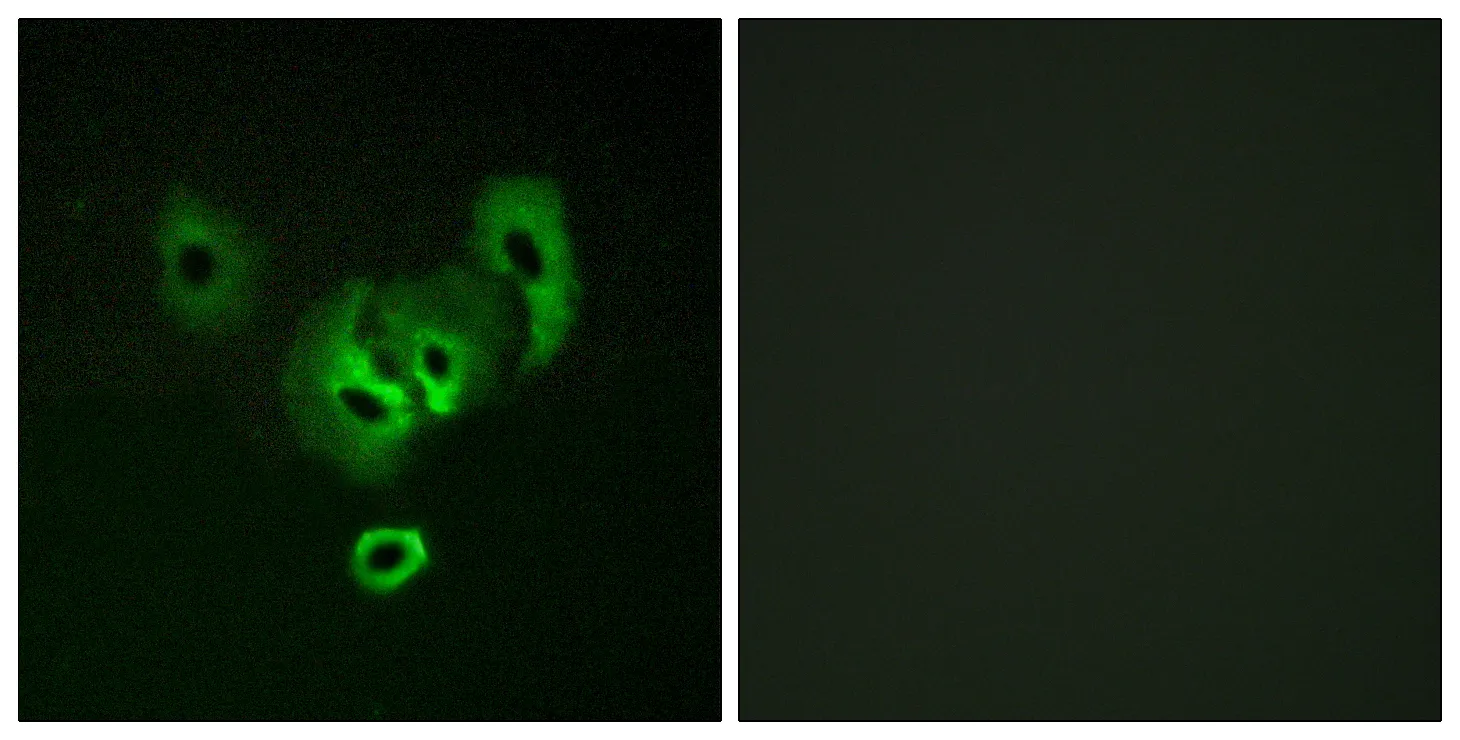
| アプリケーション | WB,IHC,ICC/IF,ELISA |
| 希釈倍率 | WB 1:500-1:2000,IHC 1:100-1:300,ICC/IF 1:50-1:200,ELISA 1:5000-1:20000 |
| 分子量 | 73kDa |
研究分野
| Cell adhesion molecules (CAMs); |
背景
| この遺伝子は、Tリンパ球および他の免疫細胞の外膜に存在するタンパク質をコードしています。コードされているタンパク質は、3つのスカベンジャー受容体システインリッチ(SRCR)ドメインと、活性化白血球細胞接着分子の結合部位を含んでいます。この遺伝子産物はT細胞活性化の持続に重要です。この遺伝子は、多発性硬化症の感受性と関連している可能性があります(PMID:19525953、21849685)。この遺伝子には、異なるアイソフォームをコードする複数の転写バリアントが見つかっています。[RefSeq提供、2011年12月]、機能:細胞接着に関与。 CD166 に結合します。,PTM:T 細胞が活性化されると、Ser および Thr 残基が過剰リン酸化され、Tyr 残基がリン酸化されます。,PTM:鎖内ジスルフィド結合が含まれます。,類似性:3 つの SRCR ドメインが含まれます。,組織特異性:胸腺細胞、成熟 T 細胞、B-1 細胞として知られる B 細胞のサブセット、および脳内の一部の細胞によって発現されます。, |