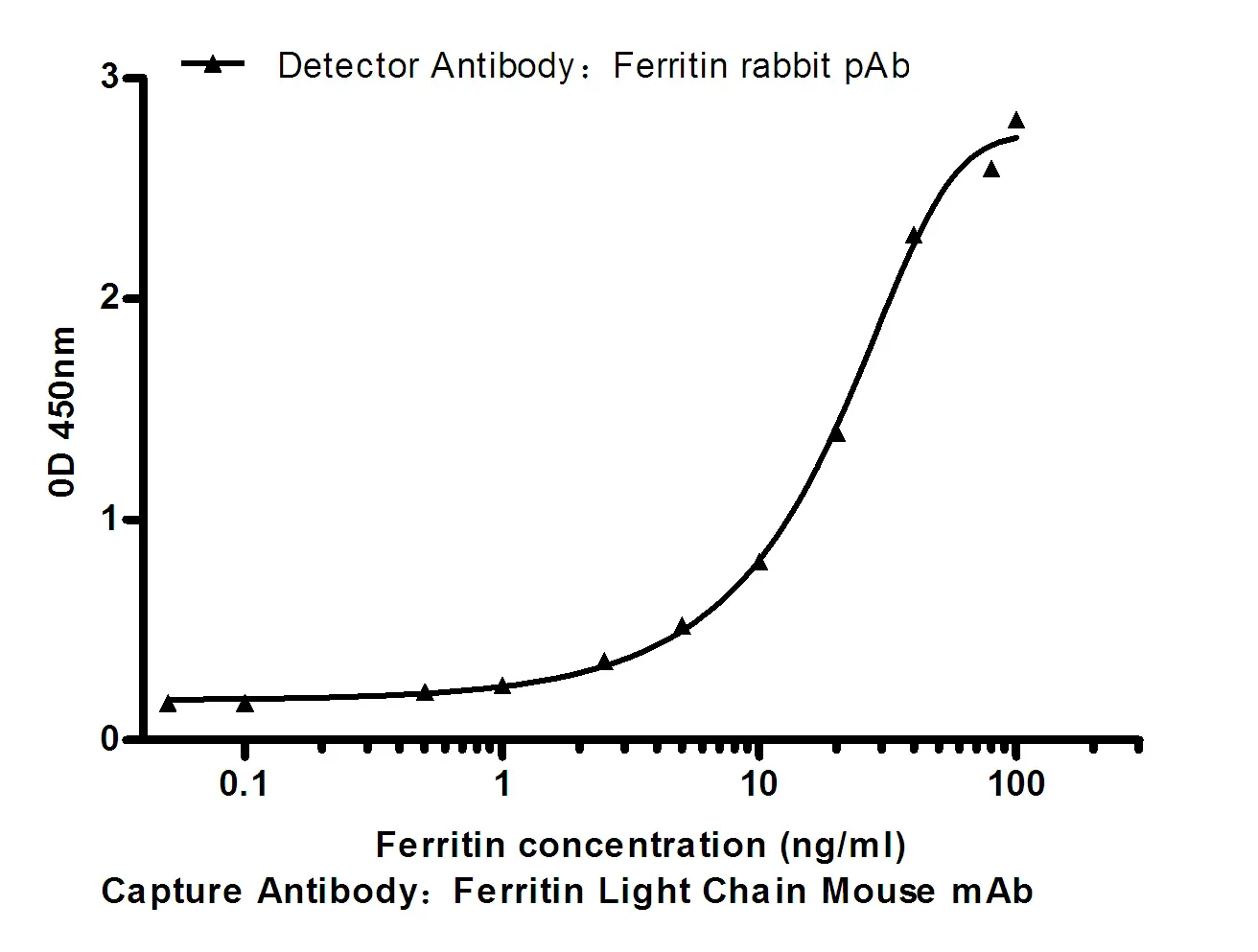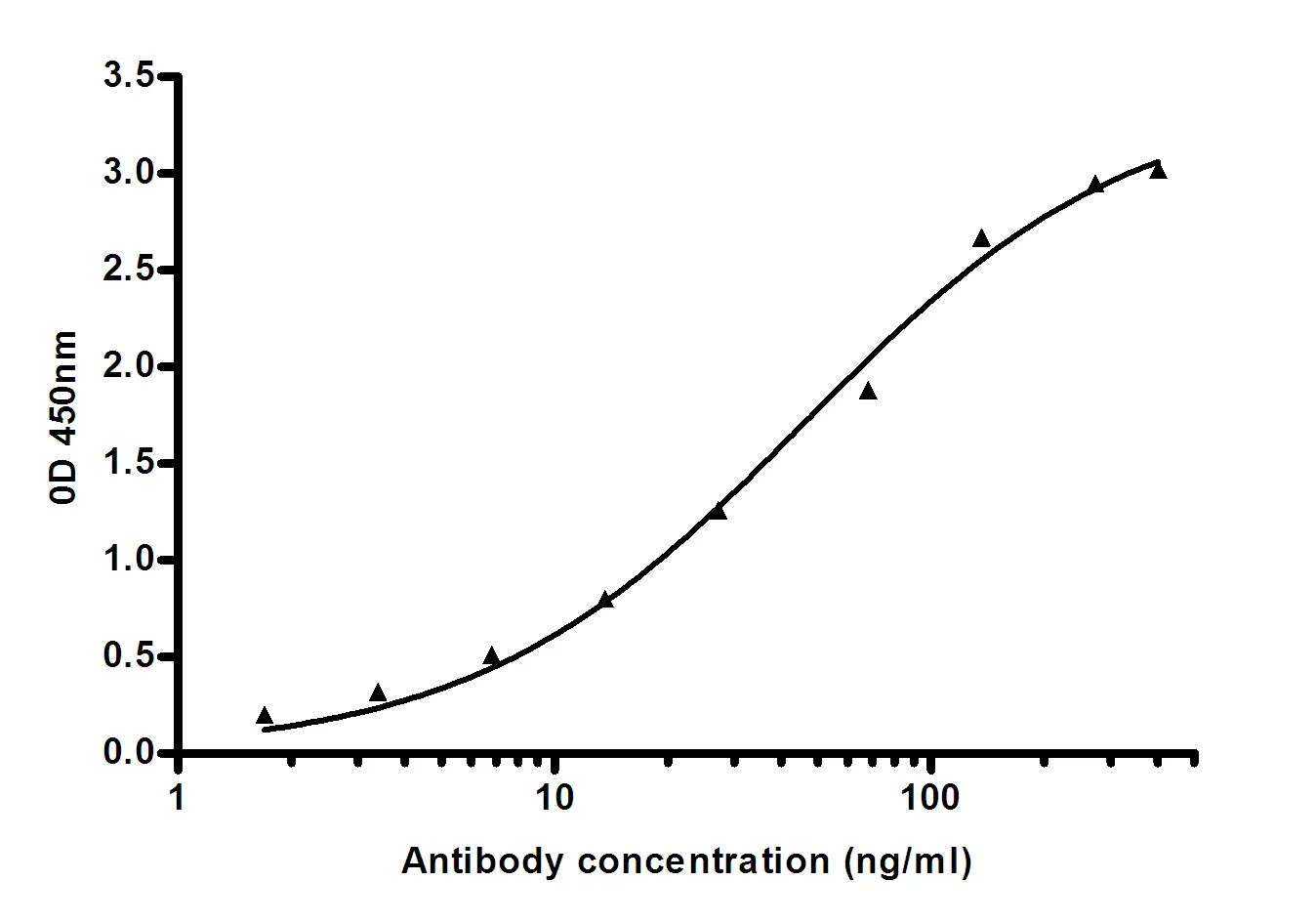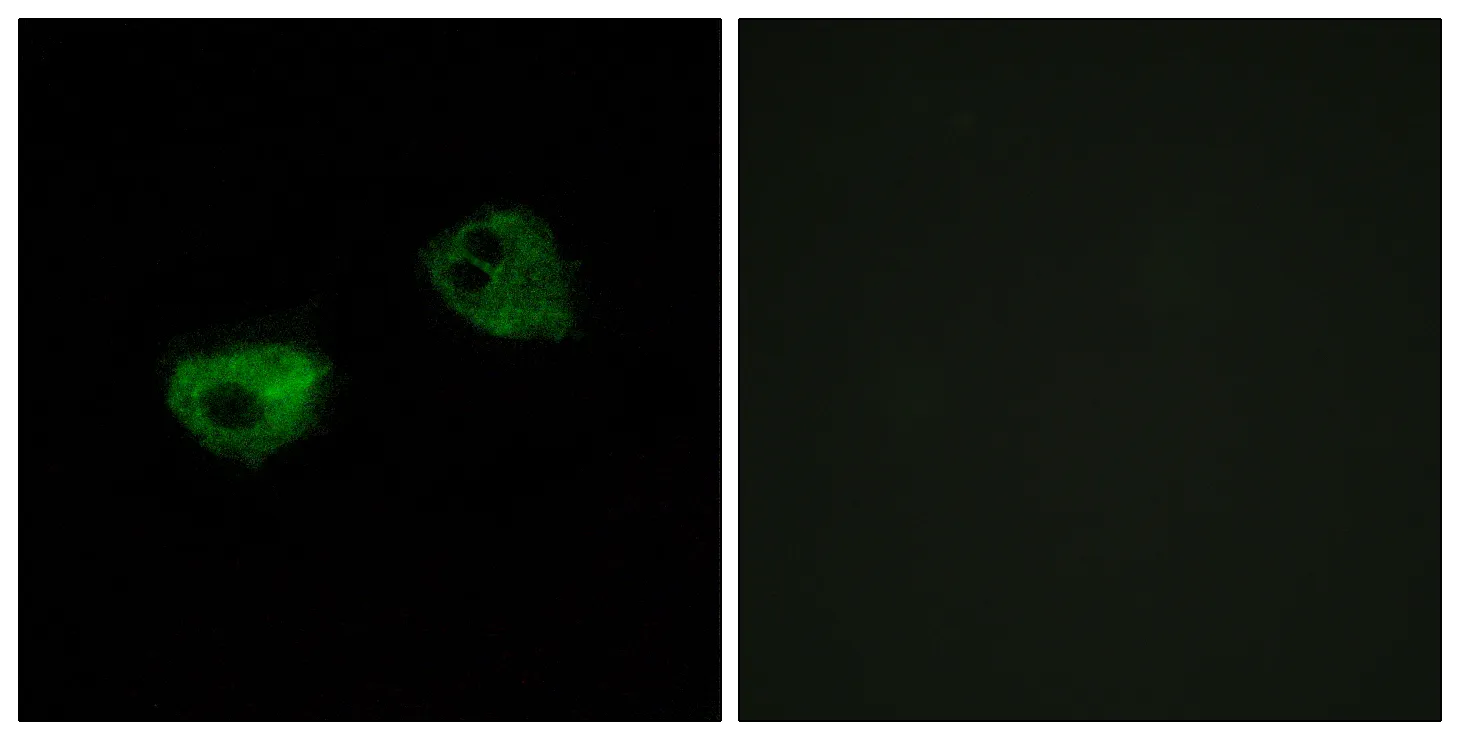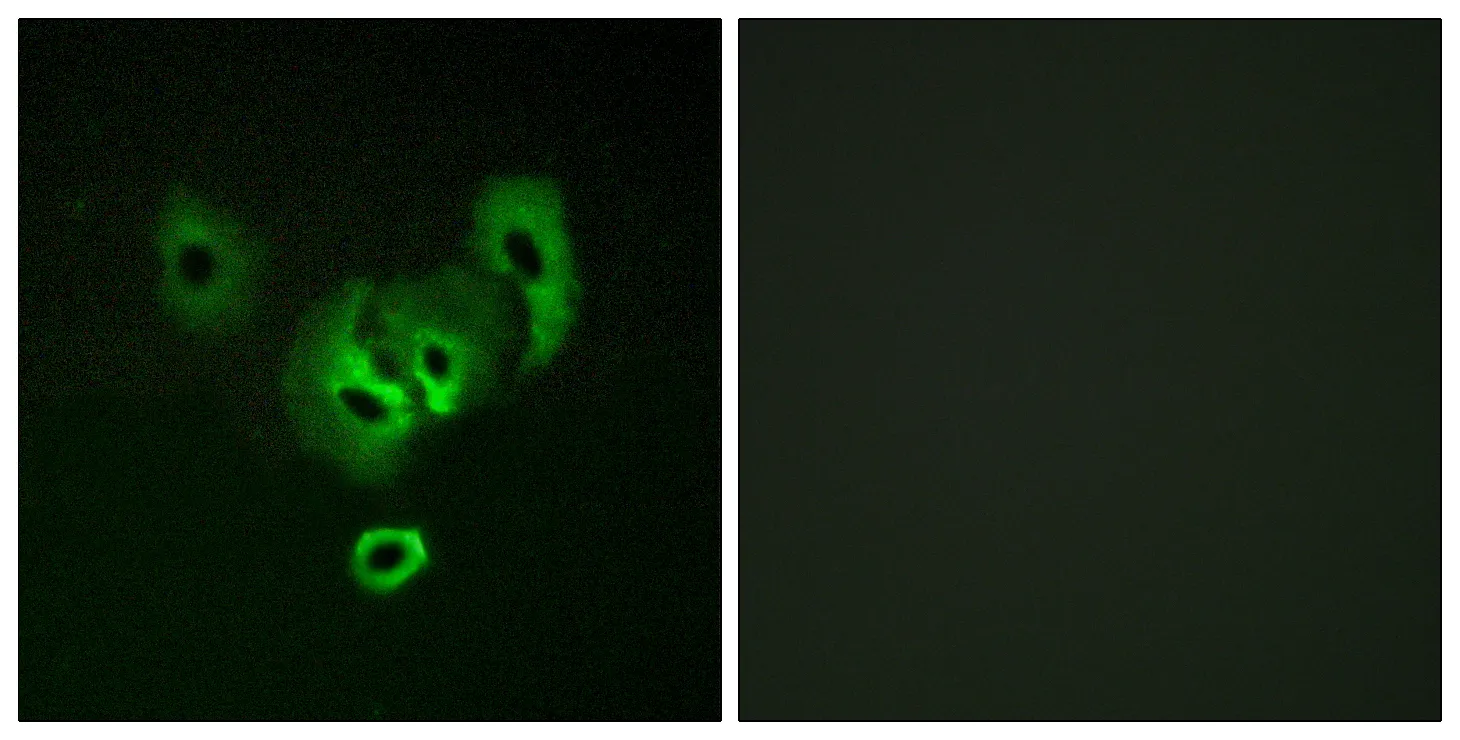


CD59ウサギポリクローナル抗体
コンジュゲーション: 非共役
ウサギポリクローナル抗体
アプリケーション
反応性
ヒト、ラット、マウス
遺伝子名
CD59
保存
小分けして-20℃で保存してください(12ヶ月間有効)。凍結融解サイクルは避けてください。
要約
| 製品名 | CD59ウサギポリクローナル抗体 |
| 説明 | ウサギポリクローナル抗体 |
| 宿主 | うさぎ |
| 反応性 | ヒト、ラット、マウス |
| コンジュゲーション | 非共役 |
| 修飾 | 未修正 |
| アイソタイプ | IgG |
| クローン性 | ポリクローナル |
| 形態 | 液体 |
| 濃度 | 非共役 |
| 保存 | 小分けして-20℃で保存してください(12ヶ月間有効)。凍結融解サイクルは避けてください。 |
| 配送 | 氷嚢。 |
| バッファー | 50% グリセロール、0.5% 保護タンパク質、0.02% 新タイプ防腐剤 N を含む PBS 液。 |
| 精製 | アフィニティー精製 |
抗原情報
| 遺伝子名 | CD59 |
| 別名 | CD59; MIC11; MIN1; MIN2; MIN3; MSK21; CD59 glycoprotein; 1F5 antigen; 20 kDa homologous restriction factor; HRF-20; HRF20; MAC-inhibitory protein; MAC-IP;MEM43 antigen; Membrane attack complex inhibition factor; MACIF; Membrane inhibitor of reactive lysis; MIRL; Protectin; CD59 |
| 遺伝子ID | 966 |
| SwissProt ID | P13987 |
| 免疫原 | 抗血清はヒトCD59の内部領域由来の合成ペプチドに対して作製された。アミノ酸範囲:51-100 |
アプリケーション
| アプリケーション | WB,IHC,ICC/IF,ELISA |
| 希釈倍率 | WB 1:500-1:2000,IHC 1:100-1:300,ICC/IF 1:50-1:200,ELISA 1:10000-1:20000 |
| 分子量 | 16kDa |
研究分野
| Complement and coagulation cascades;Hematopoietic cell lineage; |
背景
| この遺伝子は、補体媒介性細胞溶解を制御する細胞表面糖タンパク質をコードし、リンパ球シグナル伝達に関与しています。このタンパク質は補体膜侵襲複合体の強力な阻害剤であり、複合体の形成過程において補体C8および/またはC9に結合し、浸透圧孔形成に必要なC9の複数コピーの複合体への組み込みを阻害します。また、このタンパク質はT細胞活性化におけるシグナル伝達経路にも関与しています。この遺伝子の変異はCD59欠損症を引き起こし、溶血性貧血および血栓症、さらには脳梗塞を引き起こします。この遺伝子には、同じタンパク質をコードする複数の選択的スプライシング転写バリアントが同定されています。 [RefSeq提供、2008年7月],疾患:CD59の欠陥は、CD59欠損症[MIM:612300]の原因です。,機能:補体膜侵襲複合体(MAC)作用の強力な阻害剤。MACの集合体のC8および/またはC9補体に結合し、浸透圧細孔の完全な形成に必要なC9の複数コピーの取り込みを阻害します。この阻害剤は種特異的であると考えられます。タンパク質チロシンキナーゼと複合体を形成し、T細胞活性化のシグナル伝達に関与します。,機能:尿中の可溶性形態は特異的な補体結合活性を保持しますが、細胞膜上でのMAC集合を阻害する能力は大幅に低下しています。,オンライン情報:CD59変異db,PTM:糖化。糖化は糖尿病患者で認められますが、非糖尿病患者ではごくわずかです。糖化CD59はMAC阻害機能を欠き、糖尿病の血管合併症を引き起こす。,PTM:N-およびO-グリコシル化。N-グリコシル化は主に、ラクトサミン延長部および外腕フコース残基の有無にかかわらず、二分岐複合体型構造のファミリーで構成される。また、相当量の三分岐複合体(22%)も存在する。Asn-43オリゴ糖には、可変シアリル化も存在する。主なO-グリカンは、二糖であるGal-β-1,3GalNAcのモノシアリル化型であり、その結合部位はおそらくThr-76およびThr-77である。可溶性尿CD59のGPIアンカーにはイノシトール関連リン脂質がなく、1つ以上の単糖ユニットからなる7つの異なるGPIアンカーバリアントで構成される。主な変異体には、シアリン酸、マンノース、グルコサミンが含まれています。N-アセチルヘキソサミン-ガラクトースアームに結合したシアリン酸は、2つの変異体に存在します。,類似性:1つのUPAR/Ly6ドメインを含みます。,細胞内局在:多くの組織で可溶性形態が見られます。,サブユニット:T細胞表面抗原CD2と相互作用します。, |