

CD44(リン酸化Ser706)ウサギポリクローナル抗体
コンジュゲーション: 非共役
ウサギポリクローナル抗体
アプリケーション
反応性
ヒト、マウス、ラット
遺伝子名
CD44
保存
小分けして-20℃で保存してください(12ヶ月間有効)。凍結融解サイクルは避けてください。
要約
| 製品名 | CD44(リン酸化Ser706)ウサギポリクローナル抗体 |
| 説明 | ウサギポリクローナル抗体 |
| 宿主 | うさぎ |
| 反応性 | ヒト、マウス、ラット |
| コンジュゲーション | 非共役 |
| 修飾 | リン酸化 |
| アイソタイプ | IgG |
| クローン性 | ポリクローナル |
| 形態 | 液体 |
| 濃度 | 非共役 |
| 保存 | 小分けして-20℃で保存してください(12ヶ月間有効)。凍結融解サイクルは避けてください。 |
| 配送 | 氷嚢。 |
| バッファー | 50% グリセロール、0.5% 保護タンパク質、0.02% 新タイプ防腐剤 N を含む PBS 液。 |
| 精製 | アフィニティー精製 |
抗原情報
| 遺伝子名 | CD44 |
| 別名 | CD44; LHR; MDU2; MDU3; MIC4; CD44 antigen; CDw44; Epican; Extracellular matrix receptor III; ECMR-III; GP90 lymphocyte homing/adhesion receptor; HUTCH-I; Heparan sulfate proteoglycan; Hermes antigen; Hyaluronate receptor; Phagocytic glycopr |
| 遺伝子ID | 960 |
| SwissProt ID | P16070 |
| 免疫原 | 抗血清は、ヒトCD44由来のSer706リン酸化部位周辺の合成ペプチドに対して作製された。アミノ酸範囲:681-730 |
アプリケーション
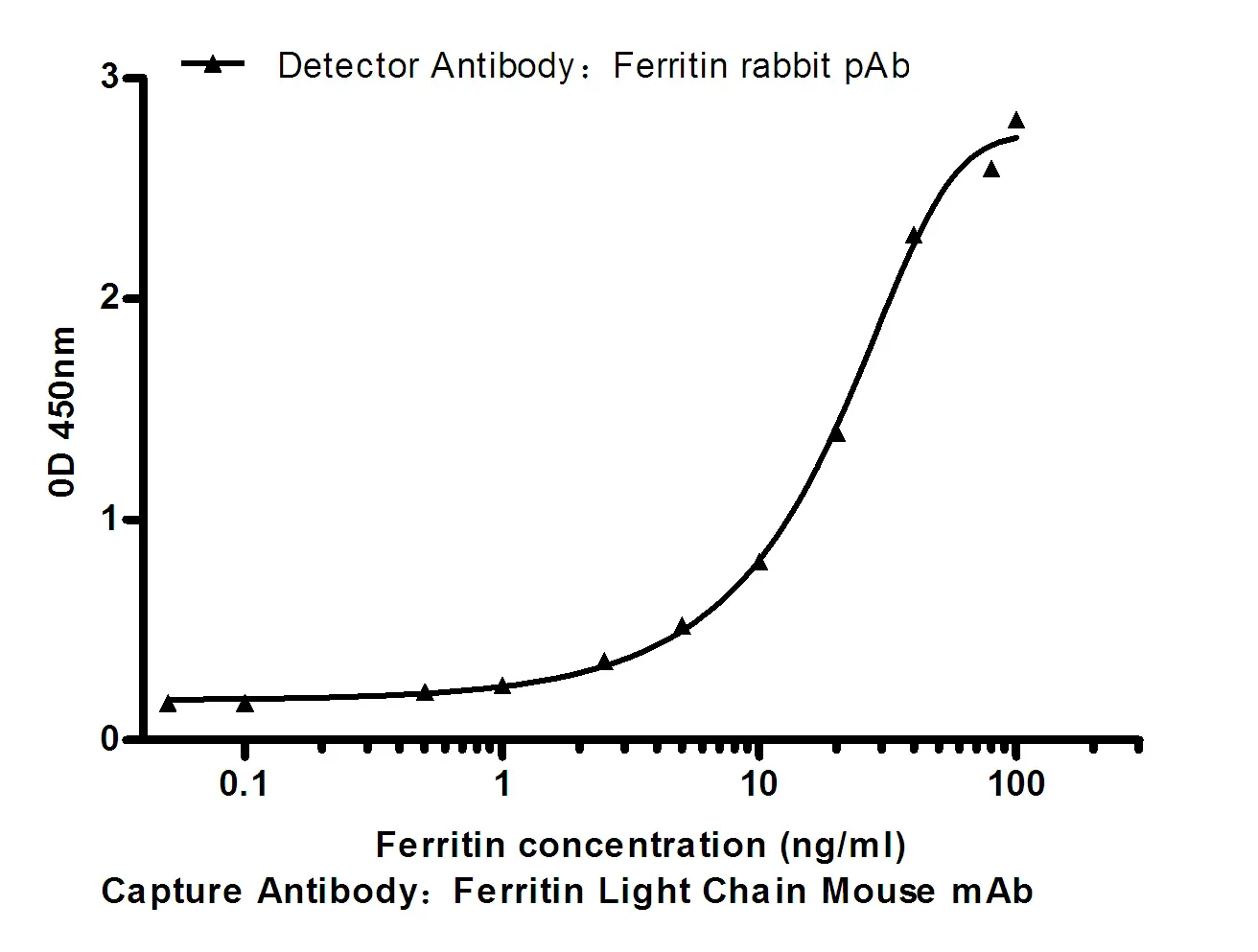
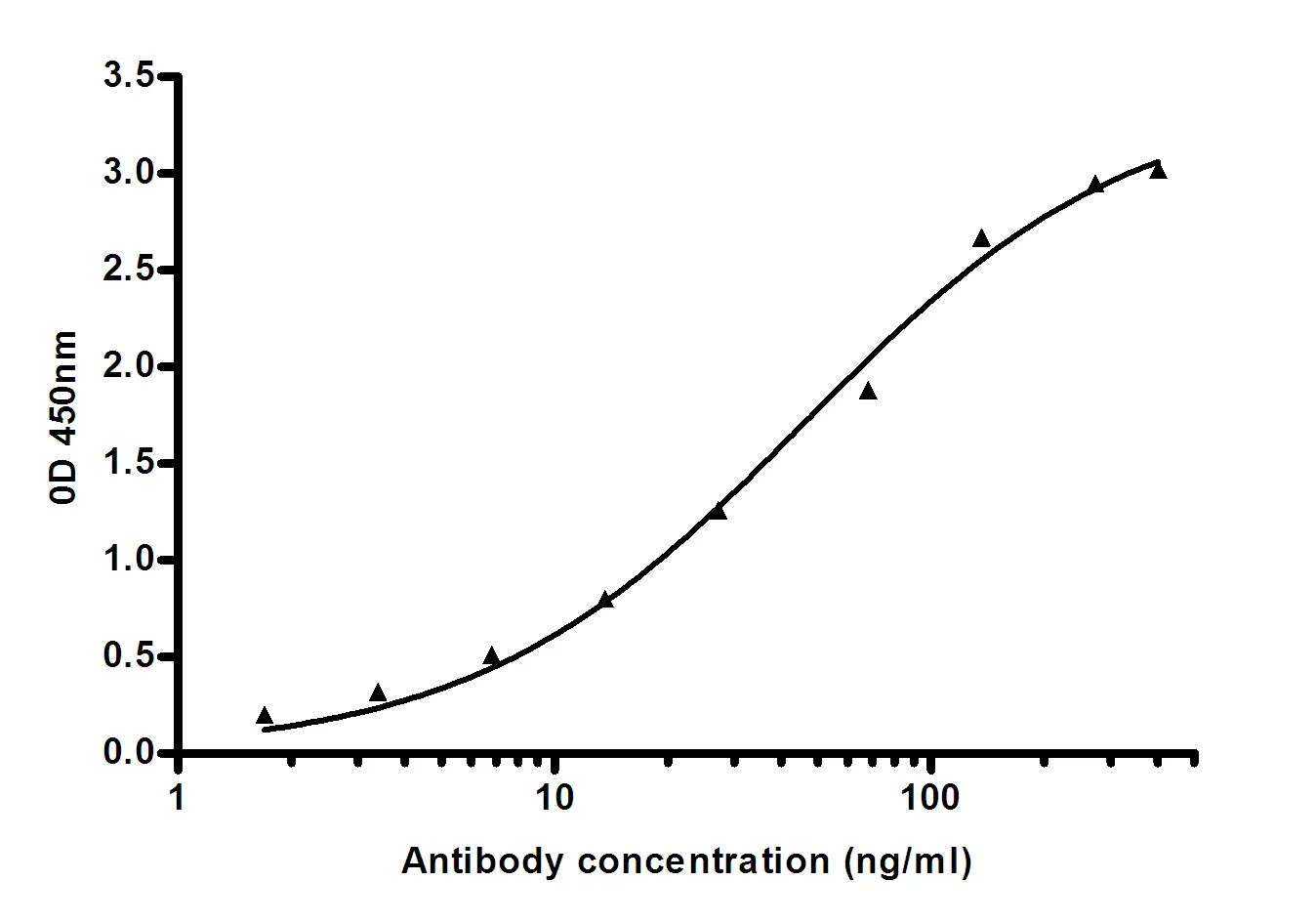
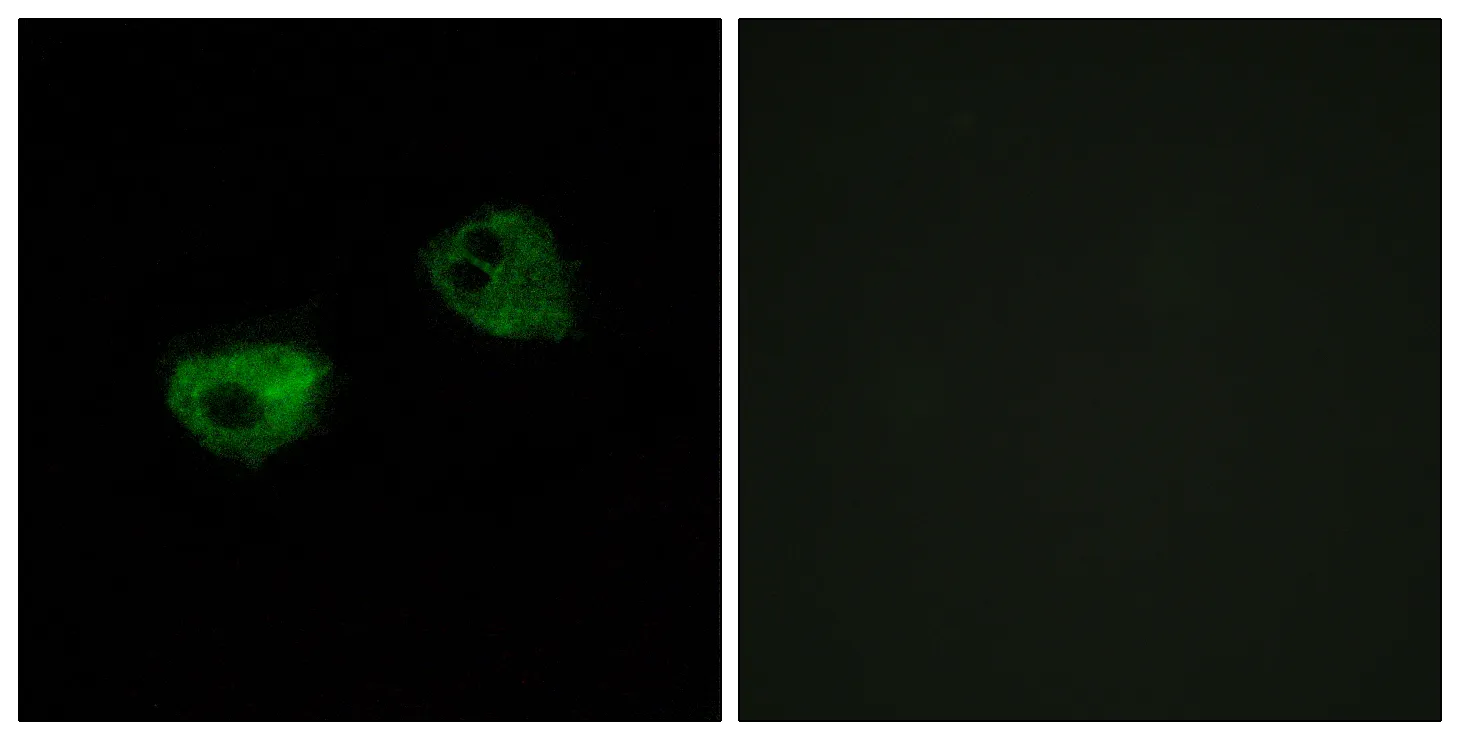
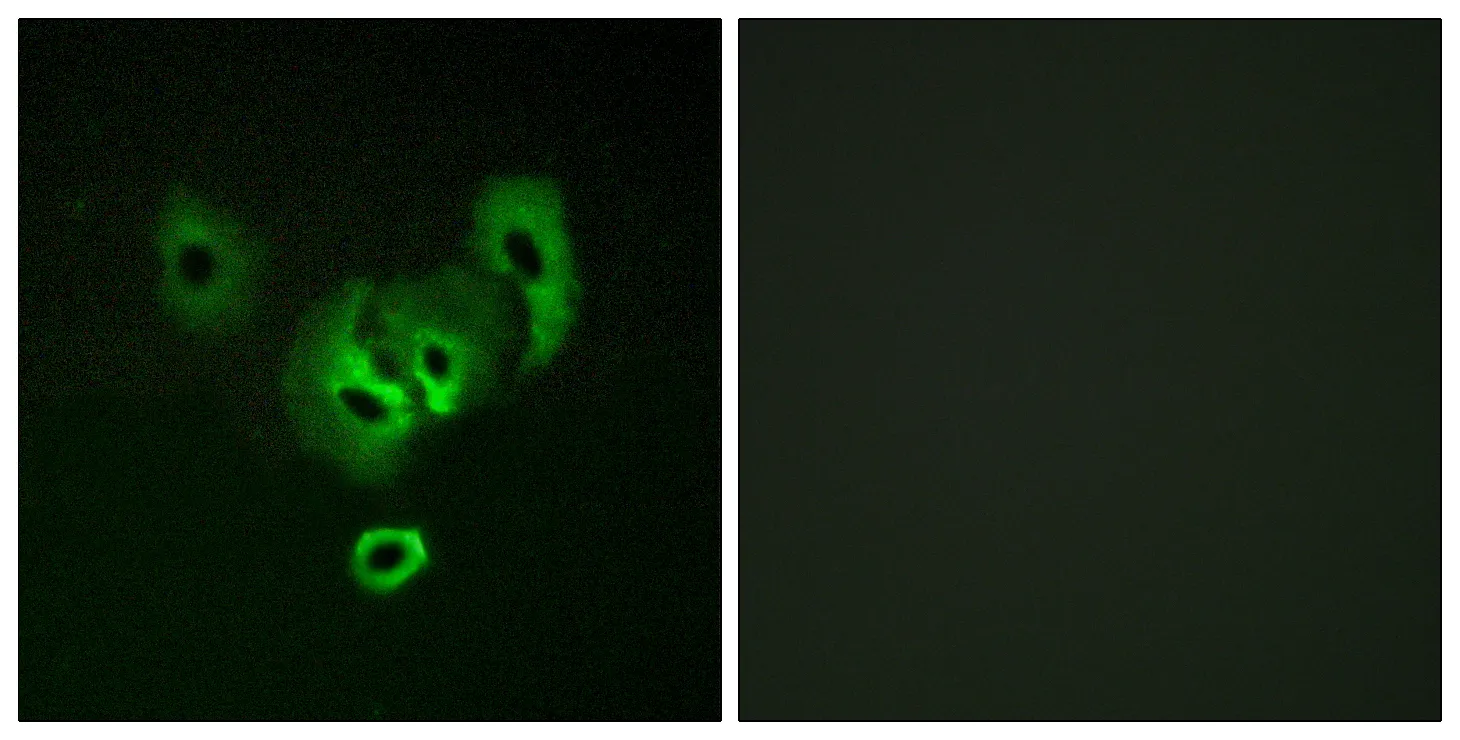
| アプリケーション | WB,ELISA |
| 希釈倍率 | WB 1:500-1:2000,ELISA 1:10000-1:20000 |
| 分子量 | 90kDa |
研究分野
| ECM-receptor interaction;Hematopoietic cell lineage; |
背景
| この遺伝子によってコードされるタンパク質は、細胞間相互作用、細胞接着、および細胞遊走に関与する細胞表面糖タンパク質です。ヒアルロン酸(HA)の受容体であり、オステオポンチン、コラーゲン、マトリックスメタロプロテアーゼ(MMP)などの他のリガンドとも相互作用します。このタンパク質は、リンパ球の活性化、再循環およびホーミング、造血、腫瘍転移など、幅広い細胞機能に関与しています。この遺伝子の転写産物は複雑な選択的スプライシングを受け、機能的に異なる多くのアイソフォームが生じますが、これらのバリアントの一部については全長が未解明です。選択的スプライシングは、このタンパク質の構造的および機能的多様性の基盤であり、腫瘍転移に関連している可能性があります。[RefSeq提供、2008年7月]、代替製品:追加のアイソフォームが存在するようです。追加のアイソフォームは、細胞外ドメイン内の 19 個のエクソンのうち 10 個での選択的スプライシングによって生成されます。2 つのエクソン内の内部スプライス供与部位と受容部位の利用によって、さらなる多様性が生成されます。細胞質ドメインの変異は、2 つのエクソンの選択的スプライシングの結果であることが示されました。アイソフォーム CD44 は、正常細胞で発現すると予想されます。スプライス バリアントは、多くの腫瘍細胞株で見つかっています。エクソン 5、6、7、8、9、10、11、13、14、および 19 は、選択的スプライシングを受けます。一部のアイソフォームについては実験による確認が不足している可能性があります。機能:ヒアルロン酸 (HA) の受容体。HA への親和性を介して、またおそらくオステオポンチン、コラーゲン、マトリックスメタロプロテアーゼ (MMP) などの他のリガンドへの親和性を介して、細胞間および細胞とマトリックスとの相互作用を媒介します。 HAとの接着は、細胞の移動、腫瘍の増殖および進行において重要な役割を果たします。また、リンパ球の活性化、再循環およびホーミング、ならびに造血にも関与しています。発現の変化または機能不全は、多くの病原性表現型を引き起こします。多数の選択的スプライシングおよび翻訳後修飾イベントにより、タンパク質の多様性が大きくなります。,オンライン情報:血液型抗原遺伝子変異データベース,オンライン情報:CD44エントリ,多型:CD44はインドの血液型システムを担っています。In(A)=In1/In(B)=In2血液型抗原の分子的基盤は、位置46の単一の変異です。最も頻度の高い対立遺伝子であるIn(B)は、Arg-46を有します。,PTM:N-グリコシル化。,PTM:O-グリコシル化。多かれ少なかれ硫酸化されたコンドロイチン硫酸グリカンを含み、その数は特定のプロテイナーゼが切断部位にアクセスできるかどうかに影響を及ぼす可能性があります。,PTM:リン酸化。PKC が活性化されると、Ser-706 (構成的リン酸化部位) が脱リン酸化され、Ser-672 がリン酸化されます。,PTM:いくつかの細胞株および腫瘍において、特定のプロテイナーゼ (おそらく MMP) によって細胞外マトリックスでタンパク質分解的に切断されます。,類似性:1 つのリンク ドメインが含まれます。,サブユニット:N 末端セグメントを介して、HA やその他のグリコサミノグリカン、コラーゲン、ラミニン、フィブロネクチンと相互作用します。 ANK、ERMタンパク質(VIL2、RDX、MSN)、およびNF2とC末端を介して相互作用する。,組織特異性:上皮細胞由来のアイソフォーム(CD44E)は上皮細胞で発現し、癌腫では高発現する。造血細胞由来のアイソフォーム(CD44H)は中胚葉由来の細胞で発現する。神経芽腫細胞では発現が抑制されている。, |