

CD3EAPウサギポリクローナル抗体
コンジュゲーション: 非共役
ウサギポリクローナル抗体
アプリケーション
反応性
ヒト、ラット、マウス
遺伝子名
CD3EAP
保存
小分けして-20℃で保存してください(12ヶ月間有効)。凍結融解サイクルは避けてください。
要約
| 製品名 | CD3EAPウサギポリクローナル抗体 |
| 説明 | ウサギポリクローナル抗体 |
| 宿主 | うさぎ |
| 反応性 | ヒト、ラット、マウス |
| コンジュゲーション | 非共役 |
| 修飾 | 未修正 |
| アイソタイプ | IgG |
| クローン性 | ポリクローナル |
| 形態 | 液体 |
| 濃度 | 非共役 |
| 保存 | 小分けして-20℃で保存してください(12ヶ月間有効)。凍結融解サイクルは避けてください。 |
| 配送 | 氷嚢。 |
| バッファー | 50% グリセロール、0.5% 保護タンパク質、0.02% 新タイプ防腐剤 N を含む PBS 液。 |
| 精製 | アフィニティー精製 |
抗原情報
| 遺伝子名 | CD3EAP |
| 別名 | CD3EAP; ASE1; CAST; PAF49; DNA-directed RNA polymerase I subunit RPA34; A34.5; Antisense to ERCC-1 protein; ASE-1; CD3-epsilon-associated protein; CAST; CD3E-associated protein; RNA polymerase I-associated factor PAF49 |
| 遺伝子ID | 10849 |
| SwissProt ID | O15446 |
| 免疫原 | 抗血清はヒトCD3EAP由来の合成ペプチドに対して作製された。アミノ酸範囲:441-490 |
アプリケーション
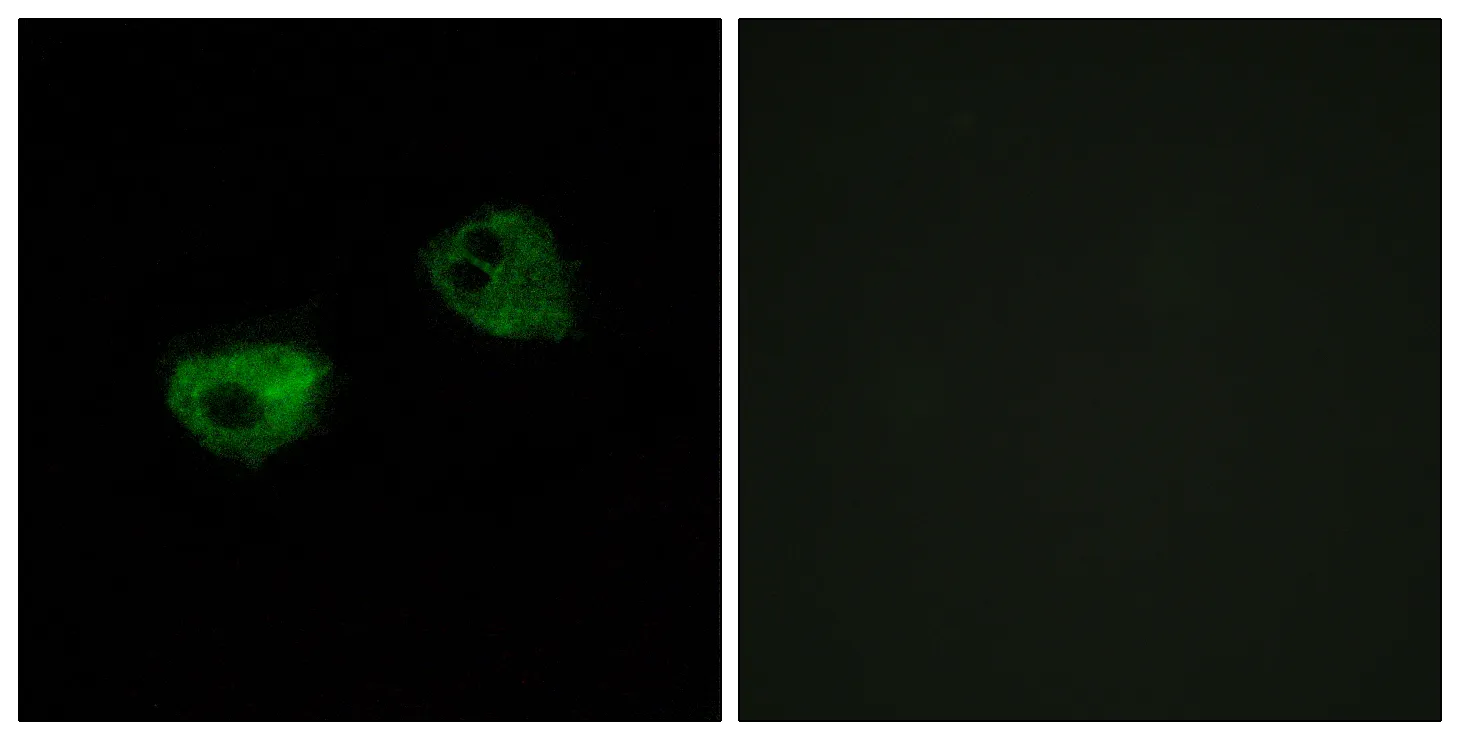
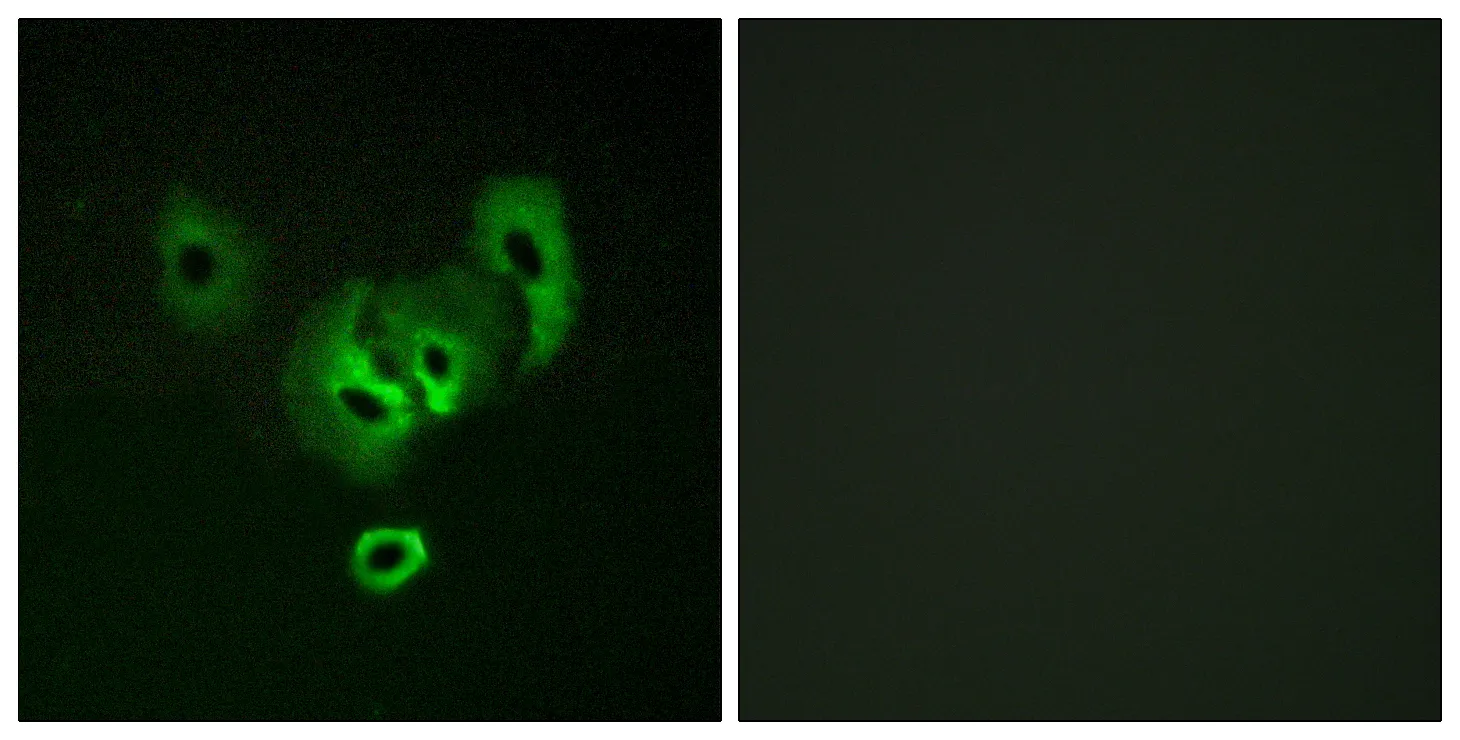
| アプリケーション | WB,IHC,ICC/IF,ELISA |
| 希釈倍率 | WB 1:500-1:2000,IHC 1:100-1:300,ICC/IF 1:50-1:200,ELISA 1:20000-1:40000 |
| 分子量 | 55kDa |
研究分野
背景
| 注意:いわゆるヒトASE1タンパク質とヒトCASTタンパク質が、機能特性が大きく異なる単一の遺伝子産物の2つの側面を表しているかどうかは不明です。マウス相同タンパク質を用いた実験では、この遺伝子がT細胞受容体シグナル伝達ではなくrRNA転写に関与していることが示唆されています。,機能:DNA依存性RNAポリメラーゼは、4つのリボヌクレオシド三リン酸を基質としてDNAからRNAへの転写を触媒します。リボソームRNA前駆体を合成するRNAポリメラーゼIの成分です。アイソフォーム1は、おそらくPIC形成後の段階で、UBTF活性化転写に関与しています。,機能:アイソフォーム2は、既に形成されたT細胞受容体(TCR)複合体の成分として説明されています。,その他:DNA修復酵素ERCC1遺伝子とアンチセンス方向にあり、重複しています。この遺伝子の重複はマウスで保存されており、重要な生物学的機能を示唆しています。,PTM:アイソフォーム1は、開始能を持つPol I-beta複合体ではチロシン残基がリン酸化されますが、Pol I-alpha複合体ではリン酸化されません。,PTM:アイソフォーム2は、T細胞受容体(TCR)刺激によりチロシンリン酸化されます。このリン酸化は他のグループによって確認されていません。,PTM:おそらくATMまたはATRによるDNA損傷によりリン酸化されます。,類似性:真核生物のRPA34 RNAポリメラーゼサブユニットファミリーに属します。,細胞内局在:間期には核小体の線維状中心に存在し、細胞分裂中は染色体の核小体形成領域に局在します。,サブユニット:少なくとも13のサブユニットからなるRNAポリメラーゼI(Pol I)複合体の構成要素です。TAF1Aと相互作用することでSL1複合体と会合します。 UBTFと相互作用する。N末端領域を介してPOLR1E/PRAF1と相互作用する(類似性による)。アイソフォーム2はCD3Eと相互作用する。,注意:いわゆるヒトASE1タンパク質とヒトCASTタンパク質が、機能特性が大きく異なる単一遺伝子産物の2つの側面を表しているかどうかは不明である。マウス相同タンパク質を用いた実験では、この遺伝子がT細胞受容体シグナル伝達ではなくrRNA転写に関与している可能性が示唆されている。,機能:DNA依存性RNAポリメラーゼは、4つのリボヌクレオシド三リン酸を基質としてDNAからRNAへの転写を触媒する。リボソームRNA前駆体を合成するRNAポリメラーゼIの構成要素である。アイソフォーム1は、おそらくPIC形成後の段階で、UBTF活性化転写に関与している。,機能:アイソフォーム2は、既に形成されたT細胞受容体(TCR)複合体の構成要素として報告されている。,その他:DNA修復酵素ERCC1の遺伝子とアンチセンス方向に存在し、その遺伝子と重複している。この遺伝子重複はマウスにおいて保存されており、重要な生物学的機能を持つことを示唆している。,PTM:アイソフォーム1は、転写開始能を持つPol I-β複合体ではチロシン残基がリン酸化されるが、Pol I-α複合体ではリン酸化されない。,PTM:アイソフォーム2は、T細胞受容体(TCR)刺激によってチロシンリン酸化を受ける。このリン酸化は他のグループによって確認されていません。,PTM: DNA損傷時にリン酸化されます。おそらくATMまたはATRによるものです。,類似性: 真核生物のRPA34 RNAポリメラーゼサブユニットファミリーに属します。,細胞内局在: 間期には核小体の線維状中心に存在し、細胞分裂時には染色体の核小体形成領域に局在します。,サブユニット: 少なくとも13個のサブユニットからなるRNAポリメラーゼI(Pol I)複合体の構成要素です。TAF1Aと相互作用し、SL1複合体と会合します。UBTFと相互作用します。N末端領域を介してPOLR1E/PRAF1と相互作用します(類似性による)。アイソフォーム2はCD3Eと相互作用します。, |