

CD272ウサギポリクローナル抗体
コンジュゲーション: 非共役
ウサギポリクローナル抗体
アプリケーション
反応性
ヒト、ラット、マウス
遺伝子名
BTLA
保存
小分けして-20℃で保存してください(12ヶ月間有効)。凍結融解サイクルは避けてください。
要約
| 製品名 | CD272ウサギポリクローナル抗体 |
| 説明 | ウサギポリクローナル抗体 |
| 宿主 | うさぎ |
| 反応性 | ヒト、ラット、マウス |
| コンジュゲーション | 非共役 |
| 修飾 | 未修正 |
| アイソタイプ | IgG |
| クローン性 | ポリクローナル |
| 形態 | 液体 |
| 濃度 | 非共役 |
| 保存 | 小分けして-20℃で保存してください(12ヶ月間有効)。凍結融解サイクルは避けてください。 |
| 配送 | 氷嚢。 |
| バッファー | 50% グリセロール、0.5% 保護タンパク質、0.02% 新タイプ防腐剤 N を含む PBS 液。 |
| 精製 | アフィニティー精製 |
抗原情報
| 遺伝子名 | BTLA |
| 別名 | BTLA; B- and T-lymphocyte attenuator; B- and T-lymphocyte-associated protein; CD antigen CD272 |
| 遺伝子ID | 151888 |
| SwissProt ID | Q7Z6A9 |
| 免疫原 | アミノ酸配列範囲:101~150のヒトタンパク質からの合成ペプチド |
アプリケーション
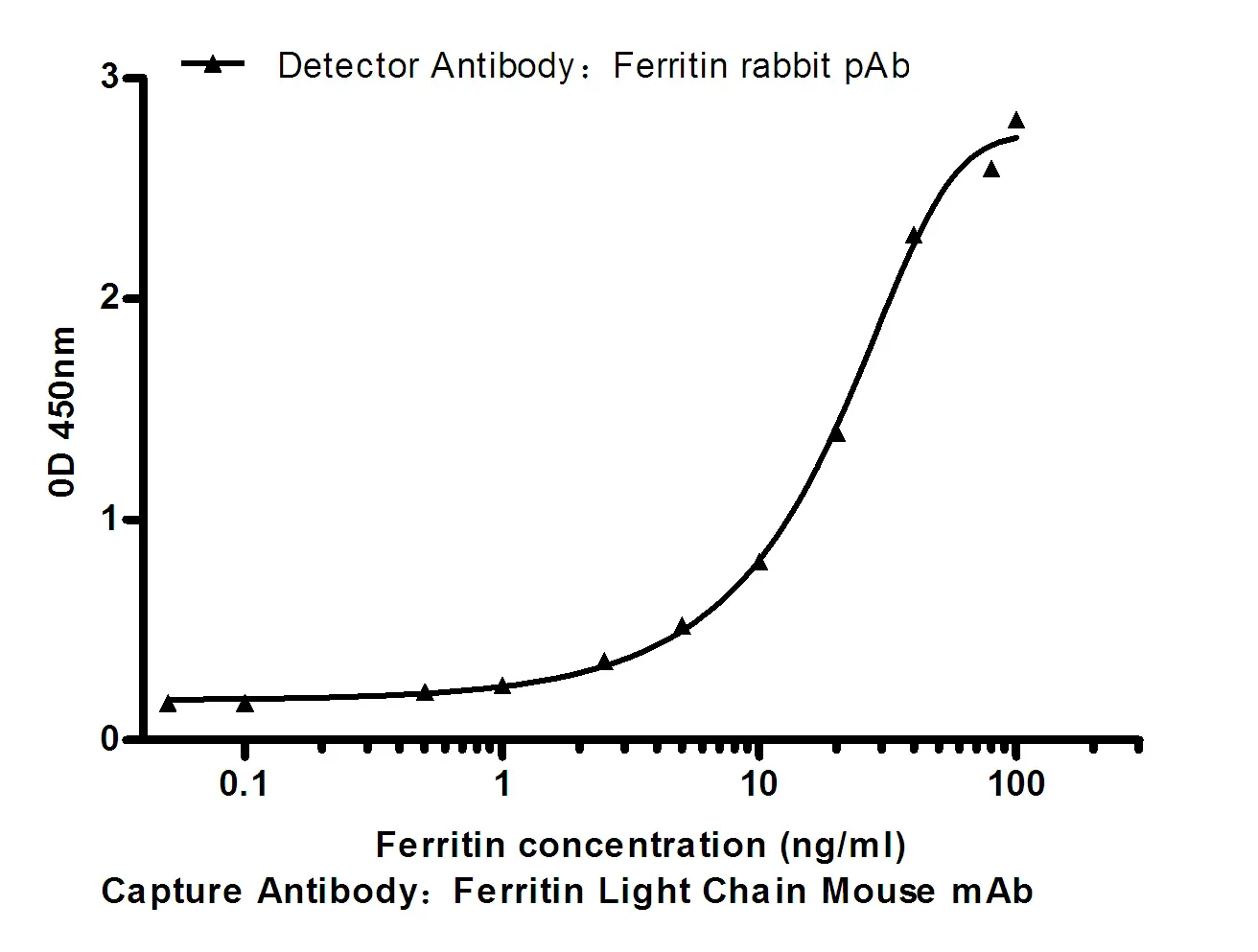
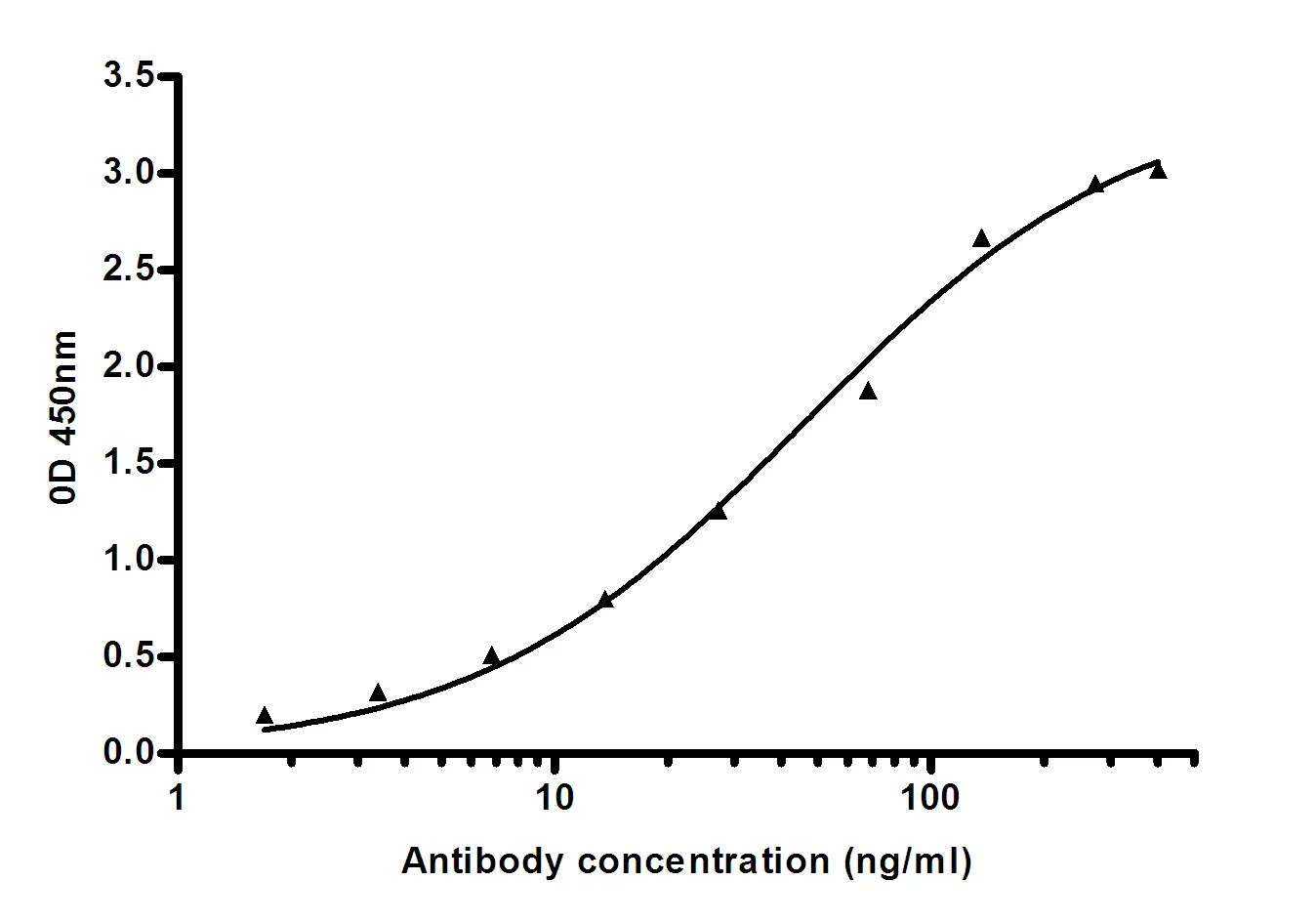
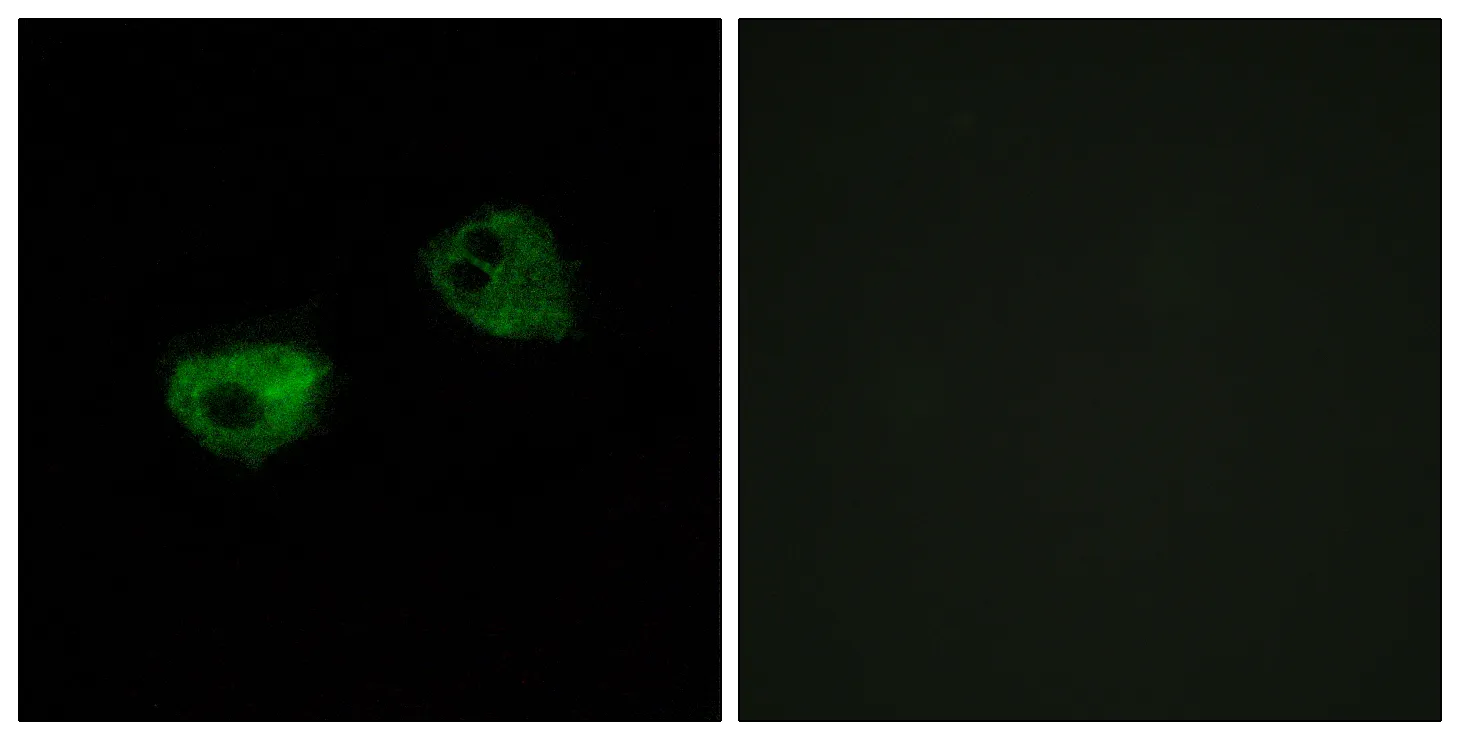
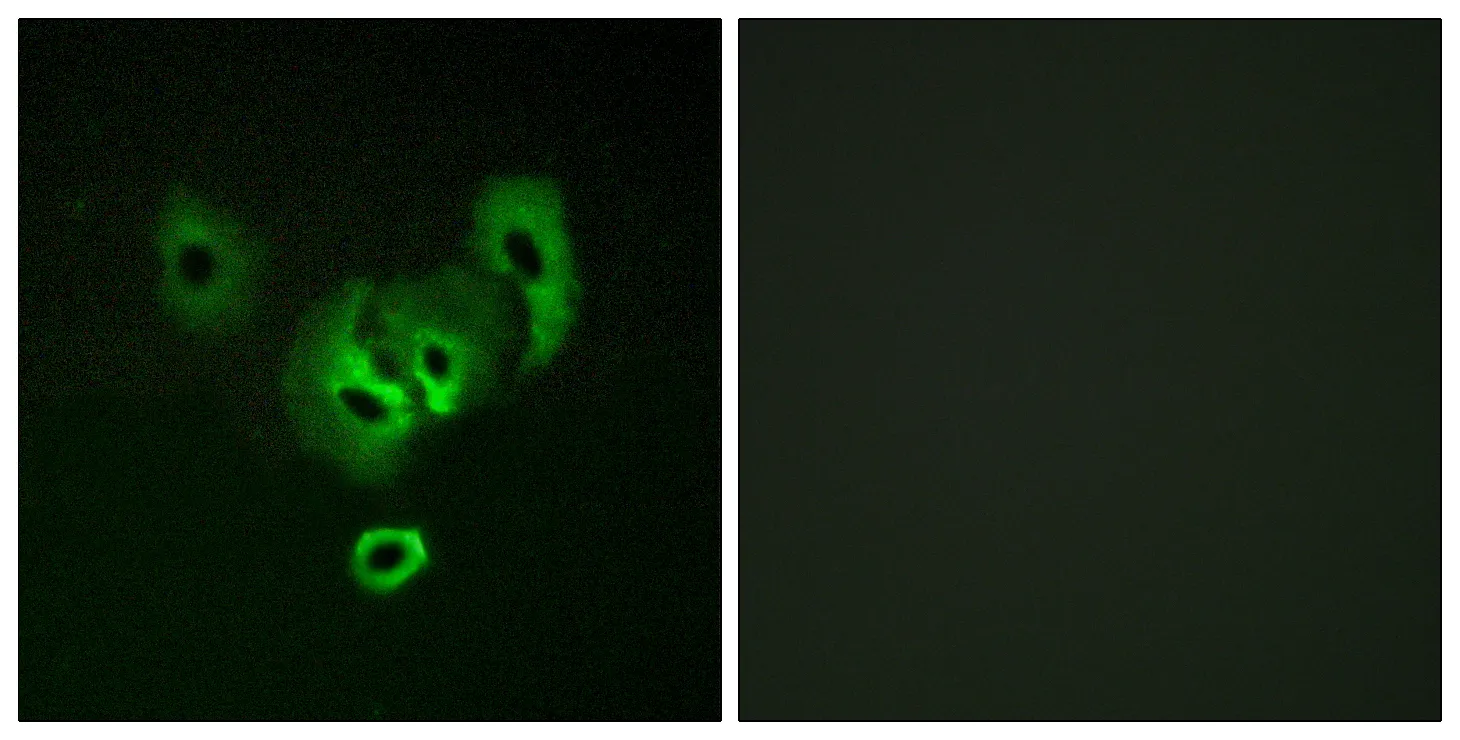
| アプリケーション | WB,IHC,ICC/IF,ELISA,FC |
| 希釈倍率 | WB 1:500-1:2000,IHC 1:200-1:1000,ICC/IF 1:50-1:200,ELISA 1:5000-1:20000,FC 1:200-1:400 |
| 分子量 | 36kDa |
研究分野
背景
| この遺伝子は免疫グロブリンスーパーファミリーのメンバーをコードしています。コードされているタンパク質は単一の免疫グロブリン(Ig)ドメインを含み、免疫応答を抑制するための抑制シグナルを中継する受容体です。選択的スプライシングにより、複数の転写産物バリアントが生じます。この遺伝子の多型は、関節リウマチのリスク増加と関連付けられています。[RefSeq提供、2011年8月],機能:免疫応答時にリンパ球を阻害するリンパ球抑制受容体。,PTM:N-グリコシル化。,PTM:TNFRSF14および抗原受容体架橋によってチロシン残基がリン酸化され、PTPN6およびPTPN11との会合を誘導します。,類似性:1つのIg様V型(免疫グロブリン様)ドメインを含みます。,サブユニット:チロシンホスファターゼPTPN6/SHP-1およびPTPN11/SHP-2と相互作用します。 TNFRSF14/HVEMと相互作用します。 |