

CD267 Rabbit Polyclonal Antibody

CD267 Rabbit Polyclonal Antibody

Cat: APRab08314
Boyut:20μL Fiyat:$99_x000D_
Boyut:50μL Fiyat:$118_x000D_
Boyut:100μL Fiyat:$220_x000D_
Boyut:200μL Fiyat:$380_x000D_
Uygulama:WB,ELISA
Reaktivite:Human,Rat,Mouse
Konjuge:Unconjugated
İsteğe bağlı konjugeler: Biotin, FITC (ücretsiz). Diğer 26 konjugatı görün.

Gen Adı:TNFRSF13B
Category: ポリクローナル抗体 Tags: , , , , , , , ,
CD267 Rabbit Polyclonal Antibody
Konjugasyon: Unconjugated
Rabbit polyclonal Antibody
Uygulama
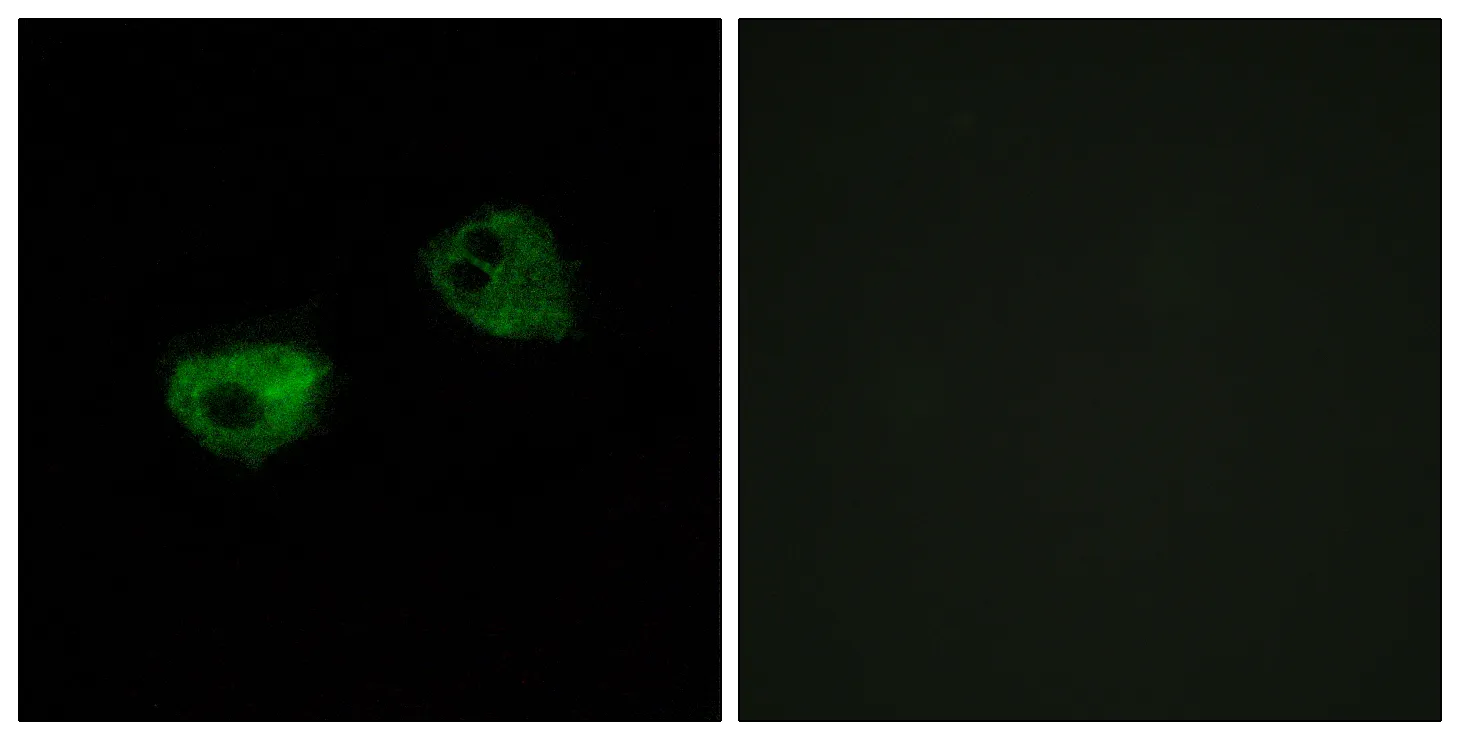
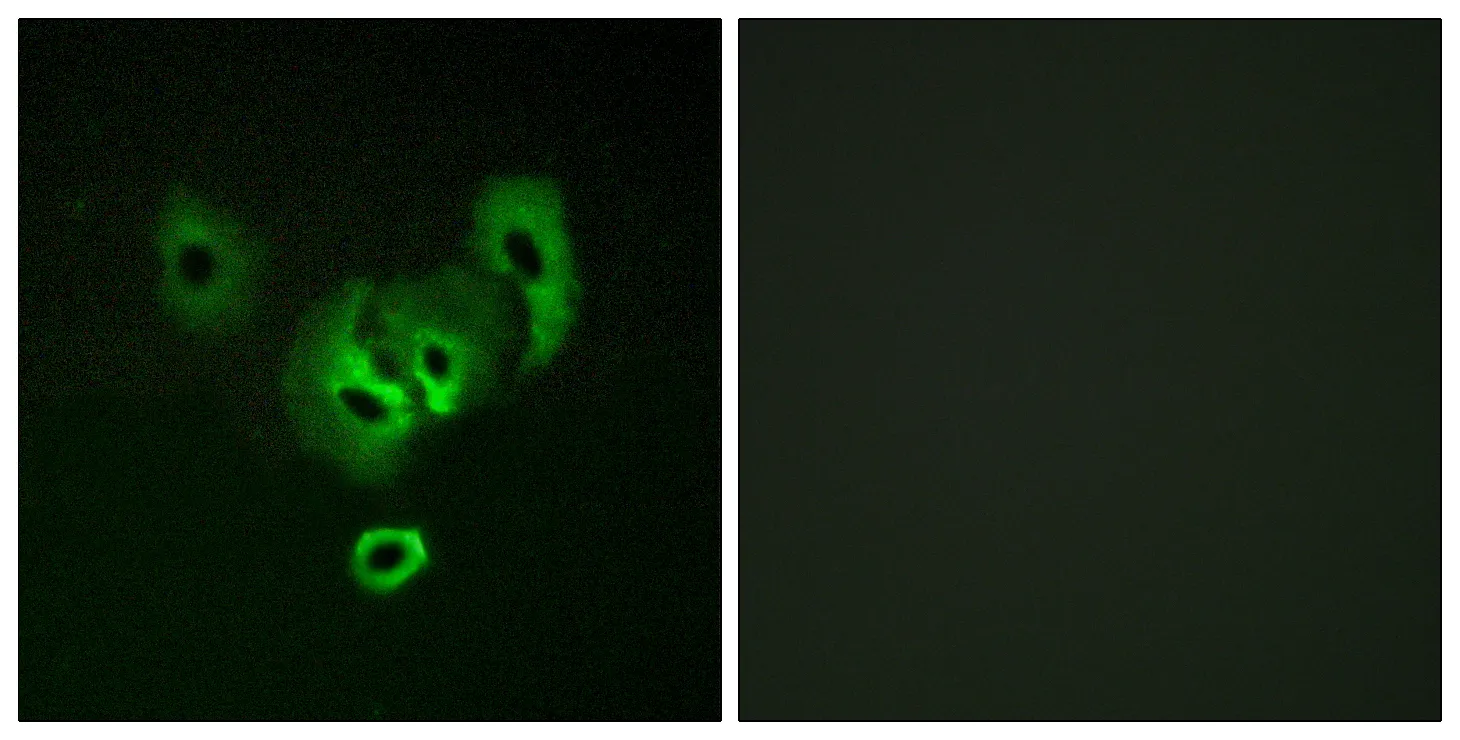
IHC  ICC/IF  ELISA WB,ELISA
Reaktivite
Human,Rat,Mouse
Gen Adı
TNFRSF13B
Saklama
Aliquot and store at -20°C (valid for 12 months). Avoid freeze/thaw cycles.
Özet
Ürün Adı CD267 Rabbit Polyclonal Antibody
Açıklama Rabbit polyclonal Antibody
Konak Rabbit
Reaktivite Human,Rat,Mouse
Konjugasyon Unconjugated
Modifikasyon Unmodified
İzotip IgG
Klonalite Polyclonal
Form Liquid
Konsantrasyon Unconjugated
Saklama Aliquot and store at -20°C (valid for 12 months). Avoid freeze/thaw cycles.
Nakliye Ice bags.
Tampon Liquid in PBS containing 50% glycerol, 0.5% protective protein and 0.02% New type preservative N.
Saflaştırma Affinity purification
Antijen Bilgisi
Gen Adı TNFRSF13B
Alternatif İsimler TNFRSF13B; TACI; Tumor necrosis factor receptor superfamily member 13B; Transmembrane activator and CAML interactor; CD267
Gen Kimliği 23495
SwissProt Kimliği O14836
İmmünojen The antiserum was produced against synthesized peptide derived from the Internal region of human TNFRSF13B. AA range:81-130
Uygulama
Uygulama WB,ELISA
Seyreltme Oranı WB 1:500-1:2000,ELISA 1:5000-1:20000
Moleküler Ağırlık 32kDa
Araştırma Alanı
Cytokine-cytokine receptor interaction;Intestinal immune network for IgA production;Primary immunodeficiency;
Arka Plan
The protein encoded by this gene is a lymphocyte-specific member of the tumor necrosis factor (TNF) receptor superfamily. It interacts with calcium-modulator and cyclophilin ligand (CAML). The protein induces activation of the transcription factors NFAT, AP1, and NF-kappa-B and plays a crucial role in humoral immunity by interacting with a TNF ligand. This gene is located within the Smith-Magenis syndrome region on chromosome 17. [provided by RefSeq, Jul 2008],disease:Defects in TNFRSF13B are a cause of common variable immunodeficiency (CVID) [MIM:240500]. CVID is characterized by a deficiency in all immunoglobulin (Ig) isotypes. Individuals with CVID suffer from recurrent sinopulmonary and gastrointestinal infections and have an increased incidence of autoimmune disorders and of lymphoid and non-lymphoid malignancies. There is evidence for a global isotype switching defect in some individuals with CVID. But CVID is a complex and heterogeneous disease in which defects in B-cell survival, number of circulating CD27+ memory B-cells (including IgM+CD27+ B-cells), B-cell activation after antigen receptor cross-linking, T-cell signaling and cytokine expression have been observed.,disease:Defects in TNFRSF13B are a cause of immunoglobulin A deficiency 2 (IGAD2) [MIM:609529]. Selective deficiency of immunoglobulin A (IGAD) is the most common form of primary immunodeficiency, with an incidence of approximately 1 in 600 individuals in the western world. Individuals with symptomatic IGAD often have deficiency of IgG subclasses or decreased antibody response to carbohydrate antigens such as pneumococcal polysaccharide vaccine. Individuals with IGAD also suffer from recurrent sinopulmonary and gastrointestinal infections and have an increased incidence of autoimmune disorders and of lymphoid and non-lymphoid malignancies. In vitro studies have suggested that some individuals with IGAD have impaired isotype class switching to IgA and others may have a post-switch defect. IGAD and CVID have been known to coexist in families. Some individuals initially present with IGAD1 and then develop CVID. These observations suggest that some cases of IGAD and CVID may have a common etiology.,function:Receptor for TNFSF13/APRIL and TNFSF13B/TALL1/BAFF/BLYS that binds both ligands with similar high affinity. Mediates calcineurin-dependent activation of NF-AT, as well as activation of NF-kappa-B and AP-1. Involved in the stimulation of B- and T-cell function and the regulation of humoral immunity.,online information:TNFRSF13B mutation db,similarity:Contains 2 TNFR-Cys repeats.,subunit:Binds TRAF2, TRAF5 and TRAF6. Binds the NH2-terminal domain of CAMLG with its C-terminus.,tissue specificity:Highly expressed in spleen, thymus, small intestine and peripheral blood leukocytes. Expressed in resting B-cells and activated T-cells, but not in resting T-cells.,
   💬 WhatsApp