CD239ウサギポリクローナル抗体
コンジュゲーション: 非共役
ウサギポリクローナル抗体
アプリケーション
反応性
ヒト、マウス、ラット
遺伝子名
BCAM
保存
小分けして-20℃で保存してください(12ヶ月間有効)。凍結融解サイクルは避けてください。
要約
| 製品名 | CD239ウサギポリクローナル抗体 |
| 説明 | ウサギポリクローナル抗体 |
| 宿主 | うさぎ |
| 反応性 | ヒト、マウス、ラット |
| コンジュゲーション | 非共役 |
| 修飾 | 未修正 |
| アイソタイプ | IgG |
| クローン性 | ポリクローナル |
| 形態 | 液体 |
| 濃度 | 非共役 |
| 保存 | 小分けして-20℃で保存してください(12ヶ月間有効)。凍結融解サイクルは避けてください。 |
| 配送 | 氷嚢。 |
| バッファー | 50% グリセロール、0.5% 保護タンパク質、0.02% 新タイプ防腐剤 N を含む PBS 液。 |
| 精製 | アフィニティー精製 |
抗原情報
| 遺伝子名 | BCAM |
| 別名 | BCAM; LU; MSK19; Basal cell adhesion molecule; Auberger B antigen; B-CAM cell surface glycoprotein; F8/G253 antigen; Lutheran antigen; Lutheran blood group glycoprotein; CD239 |
| 遺伝子ID | 4059 |
| SwissProt ID | P50895 |
| 免疫原 | 抗血清はヒトBCAMの内部領域由来の合成ペプチドに対して作製された。アミノ酸範囲:191-240 |
アプリケーション
| アプリケーション | WB,ELISA |
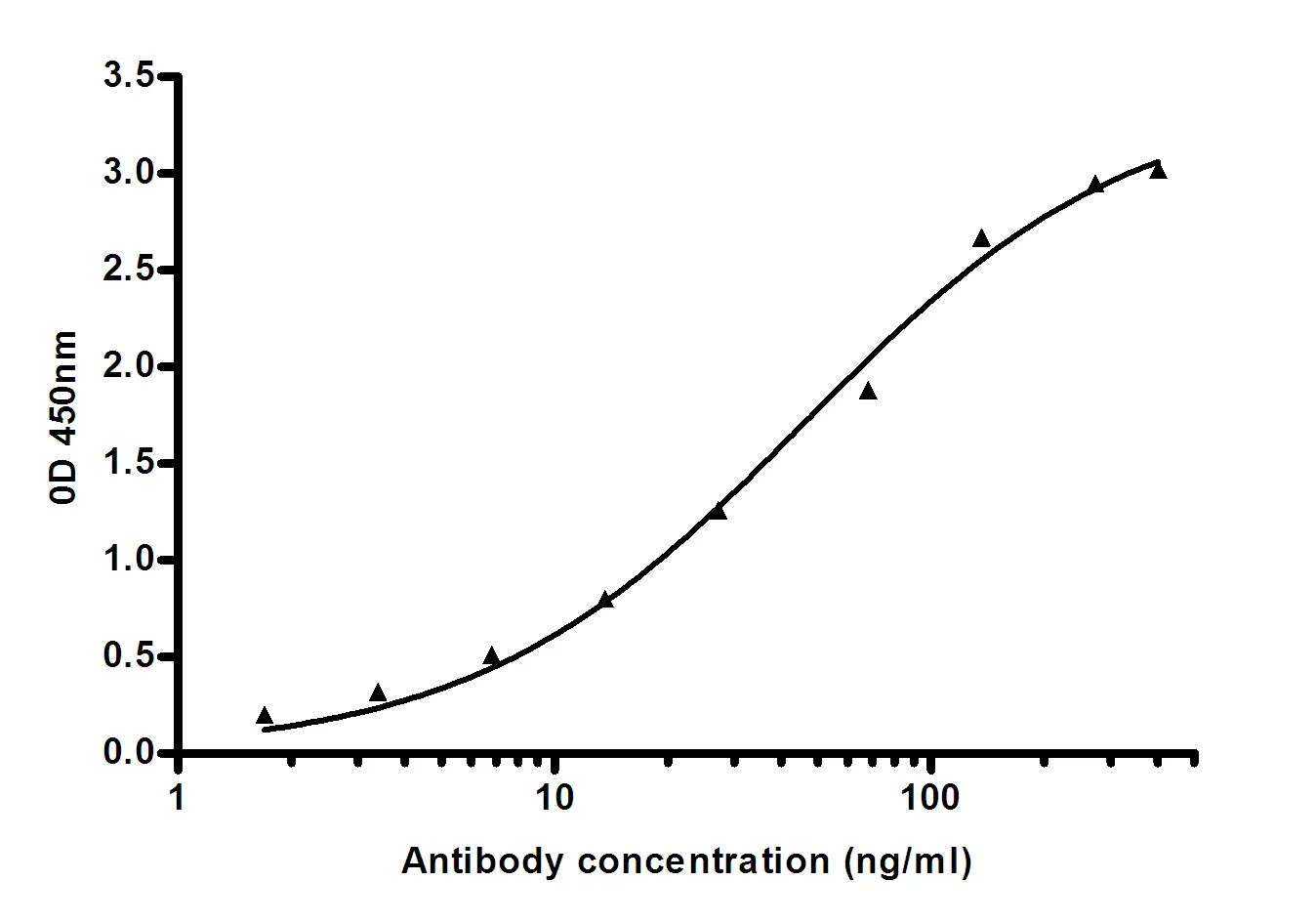
| 希釈倍率 | WB 1:500-1:2000,ELISA 1:10000-1:20000 |
| 分子量 | 78kDa |
研究分野
| Cardiovascular |
背景
| この遺伝子は、免疫グロブリンスーパーファミリーの一員であり、細胞外マトリックスタンパク質であるラミニンの受容体であるルター血液型糖タンパク質をコードしています。このタンパク質は、5つの細胞外免疫グロブリンドメイン、1つの膜貫通ドメイン、および短いC末端細胞質テールで構成されています。このタンパク質は、上皮細胞癌や鎌状赤血球症における赤血球の血管閉塞に関与している可能性があります。この遺伝子の多型は、ルターシステムおよびオーベルジェシステムの抗原の一部を定義します。この遺伝子の不活性化変異は、ルター血液型の劣性ルターヌル表現型であるLu(a-b-)をもたらします。この遺伝子には、異なるアイソフォームをコードする2つの転写産物変異が見つかっています。[RefSeq提供、2012年5月]、細胞接着、細胞-マトリックス接着、生物学的接着、細胞-基質接着 |