

CCK-BRウサギポリクローナル抗体
コンジュゲーション: 非共役
ウサギポリクローナル抗体
アプリケーション
反応性
人間、マウス、ラット、サル
遺伝子名
CCKBR
保存
小分けして-20℃で保存してください(12ヶ月間有効)。凍結融解サイクルは避けてください。
要約
| 製品名 | CCK-BRウサギポリクローナル抗体 |
| 説明 | ウサギポリクローナル抗体 |
| 宿主 | うさぎ |
| 反応性 | 人間、マウス、ラット、サル |
| コンジュゲーション | 非共役 |
| 修飾 | 未修正 |
| アイソタイプ | IgG |
| クローン性 | ポリクローナル |
| 形態 | 液体 |
| 濃度 | 非共役 |
| 保存 | 小分けして-20℃で保存してください(12ヶ月間有効)。凍結融解サイクルは避けてください。 |
| 配送 | 氷嚢。 |
| バッファー | 50% グリセロール、0.5% 保護タンパク質、0.02% 新タイプ防腐剤 N を含む PBS 液。 |
| 精製 | アフィニティー精製 |
抗原情報
| 遺伝子名 | CCKBR |
| 別名 | CCKBR; CCKRB; Gastrin/cholecystokinin type B receptor; CCK-B receptor; CCK-BR; Cholecystokinin-2 receptor; CCK2-R |
| 遺伝子ID | 887 |
| SwissProt ID | P32239 |
| 免疫原 | 抗血清はヒトCCKBR由来の合成ペプチドに対して作製された。アミノ酸範囲:11-60 |
アプリケーション
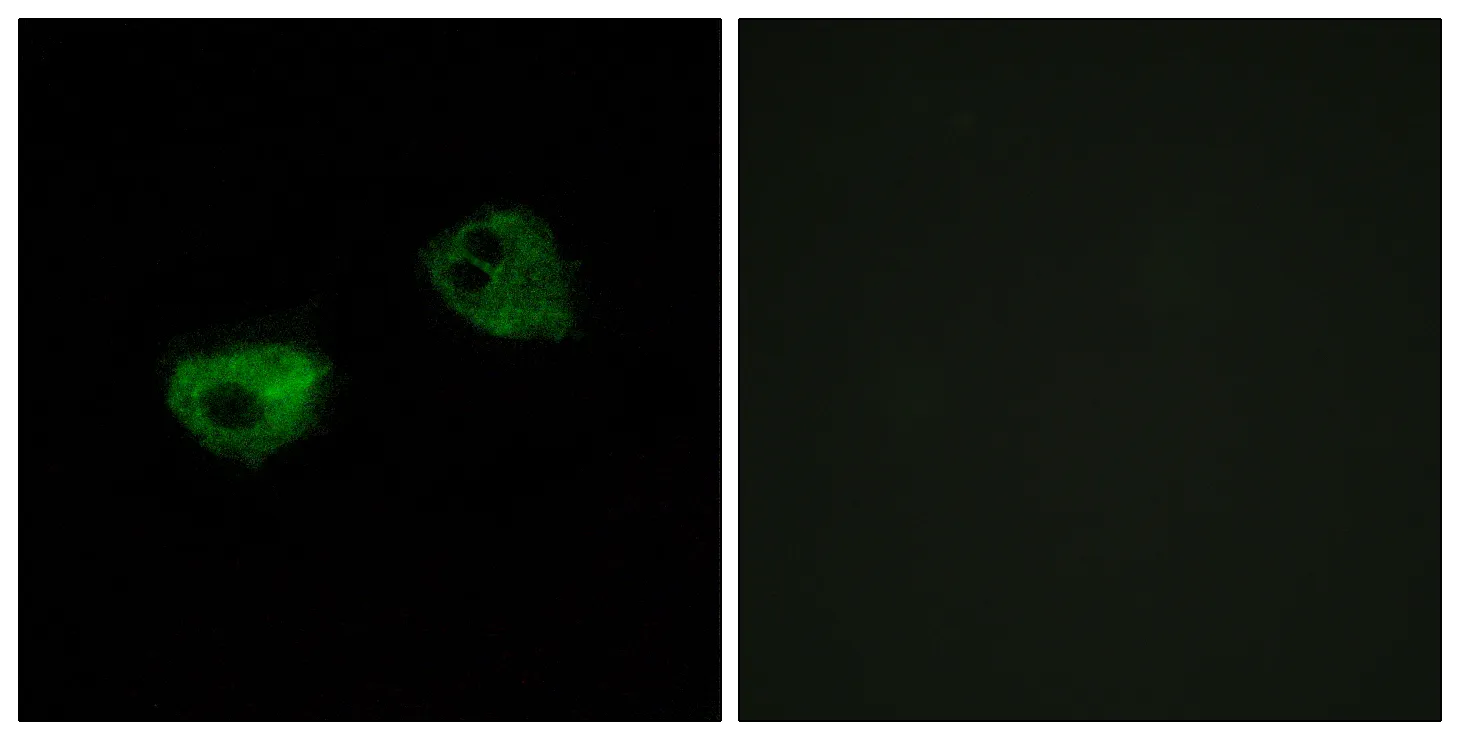
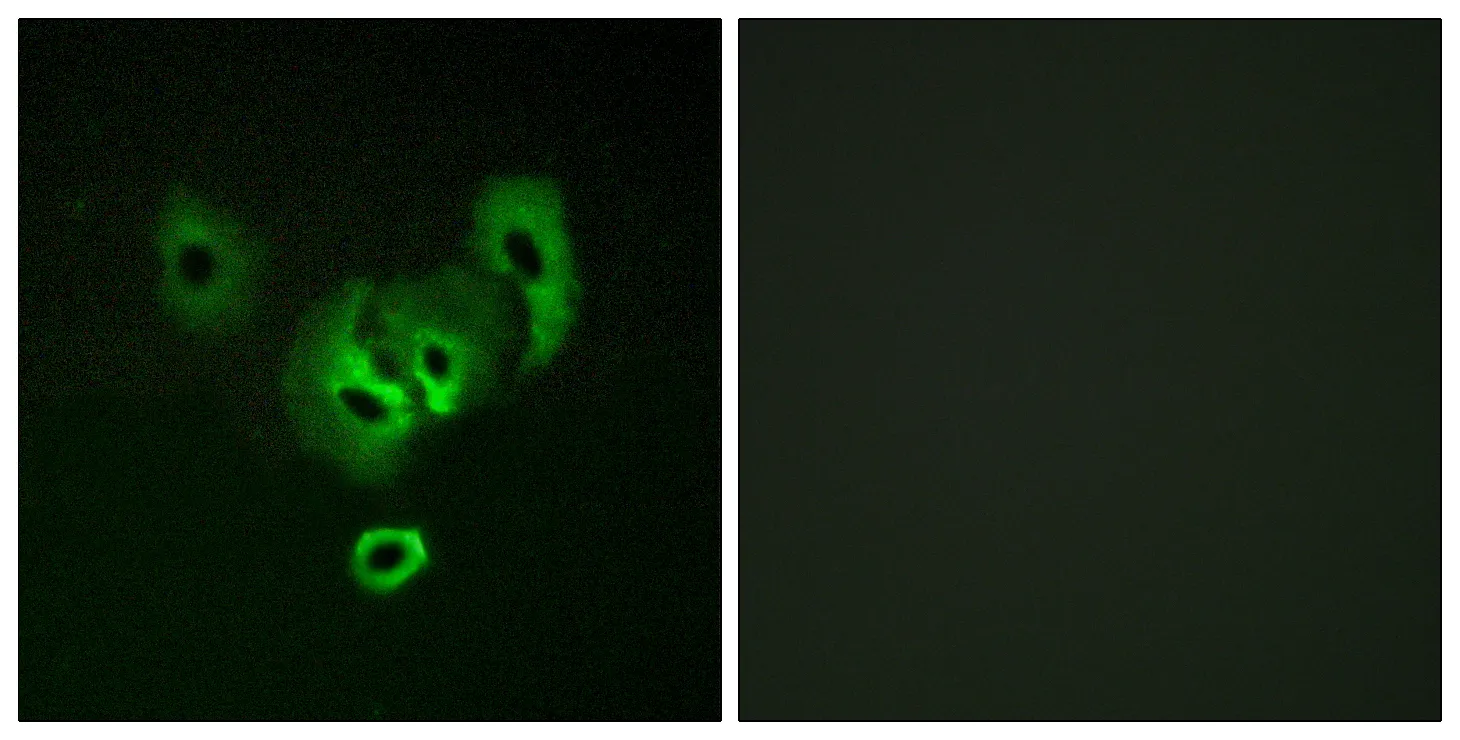
| アプリケーション | WB,ELISA |
| 希釈倍率 | WB 1:500-1:2000,ELISA 1:10000-1:20000 |
| 分子量 | 48kDa |
研究分野
| Calcium;Neuroactive ligand-receptor interaction; |
背景
| この遺伝子は、脳と消化管の調節ペプチドであるガストリンおよびコレシストキニン(CCK)のGタンパク質共役受容体をコードしています。このタンパク質はB型ガストリン受容体であり、硫酸化および非硫酸化CCK類似体の両方に高い親和性を持ち、主に中枢神経系と消化管に存在します。選択的スプライシングにより、複数の転写バリアントが生じます。イントロンを含む誤ったスプライシングを受けた転写バリアントが、結腸直腸がんおよび膵臓がんの細胞で観察されています。[RefSeq提供、2015年12月]、機能:ガストリンおよびコレシストキニンの受容体。CKK-B受容体は中枢神経系全体に存在し、不安、鎮痛、覚醒、神経遮断作用を調節します。この受容体は、ホスファチジルイノシトールカルシウムセカンドメッセンジャーシステムを活性化するGタンパク質と結合することで作用を媒介します。アイソフォーム 2 は、ガストリン非依存性のメカニズムを介して癌細胞の増殖を制御している可能性があります。,オンライン情報:コレシストキニン受容体エントリ,類似性:G タンパク質共役受容体 1 ファミリーに属します。,組織特異性:アイソフォーム 1 は、脳、膵臓、胃、大腸癌細胞株 LoVo および T リンパ芽球腫 Jurkat で発現していますが、心臓、胎盤、肝臓、肺、骨格筋、腎臓または胃癌細胞株 AGS では発現していません。小細胞肺癌細胞株 H510 では高レベルで発現し、H345、H69、および GLC28 では低レベルで発現していますが、GLC19 では発現していません。胃内では、胃底粘膜で高レベルで発現し、幽門および十二指腸では低レベルで発現しています。アイソフォーム 2 はアイソフォーム3は、脳、膵臓、胃、胃癌細胞株AGS、大腸癌細胞株LoVoで発現しています。 |