

BNIP-3ウサギポリクローナル抗体
コンジュゲーション: 非共役
ウサギポリクローナル抗体
アプリケーション
反応性
ヒト、ラット、マウス
遺伝子名
BNIP3
保存
小分けして-20℃で保存してください(12ヶ月間有効)。凍結融解サイクルは避けてください。
要約
| 製品名 | BNIP-3ウサギポリクローナル抗体 |
| 説明 | ウサギポリクローナル抗体 |
| 宿主 | うさぎ |
| 反応性 | ヒト、ラット、マウス |
| コンジュゲーション | 非共役 |
| 修飾 | 未修正 |
| アイソタイプ | IgG |
| クローン性 | ポリクローナル |
| 形態 | 液体 |
| 濃度 | 非共役 |
| 保存 | 小分けして-20℃で保存してください(12ヶ月間有効)。凍結融解サイクルは避けてください。 |
| 配送 | 氷嚢。 |
| バッファー | 50% グリセロール、0.5% 保護タンパク質、0.02% 新タイプ防腐剤 N を含む PBS 液。 |
| 精製 | アフィニティー精製 |
抗原情報
| 遺伝子名 | BNIP3 |
| 別名 | BNIP3; NIP3; BCL2/adenovirus E1B 19 kDa protein-interacting protein 3 |
| 遺伝子ID | 664 |
| SwissProt ID | Q12983 |
| 免疫原 | 抗血清はヒトBNIP3の内部領域由来の合成ペプチドに対して作製された。アミノ酸範囲:71-120 |
アプリケーション
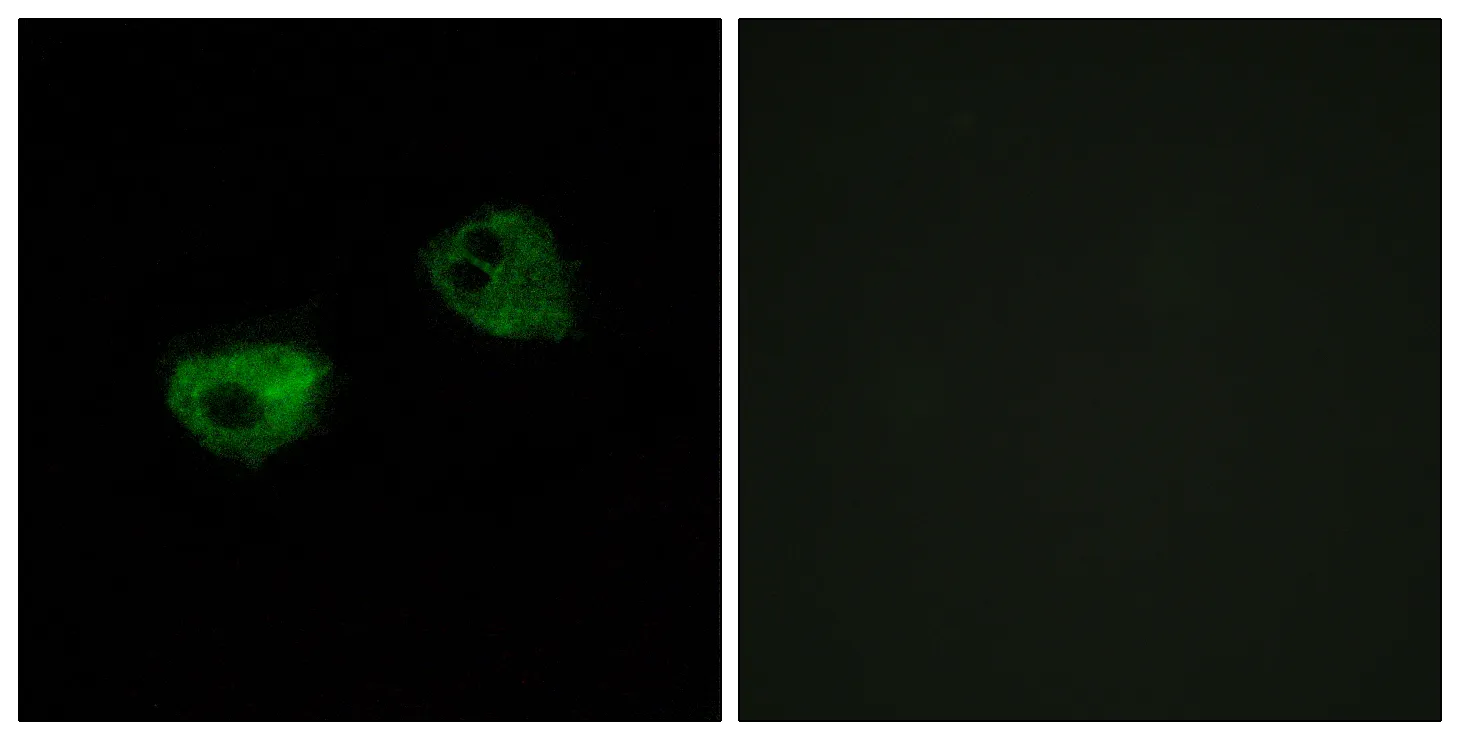
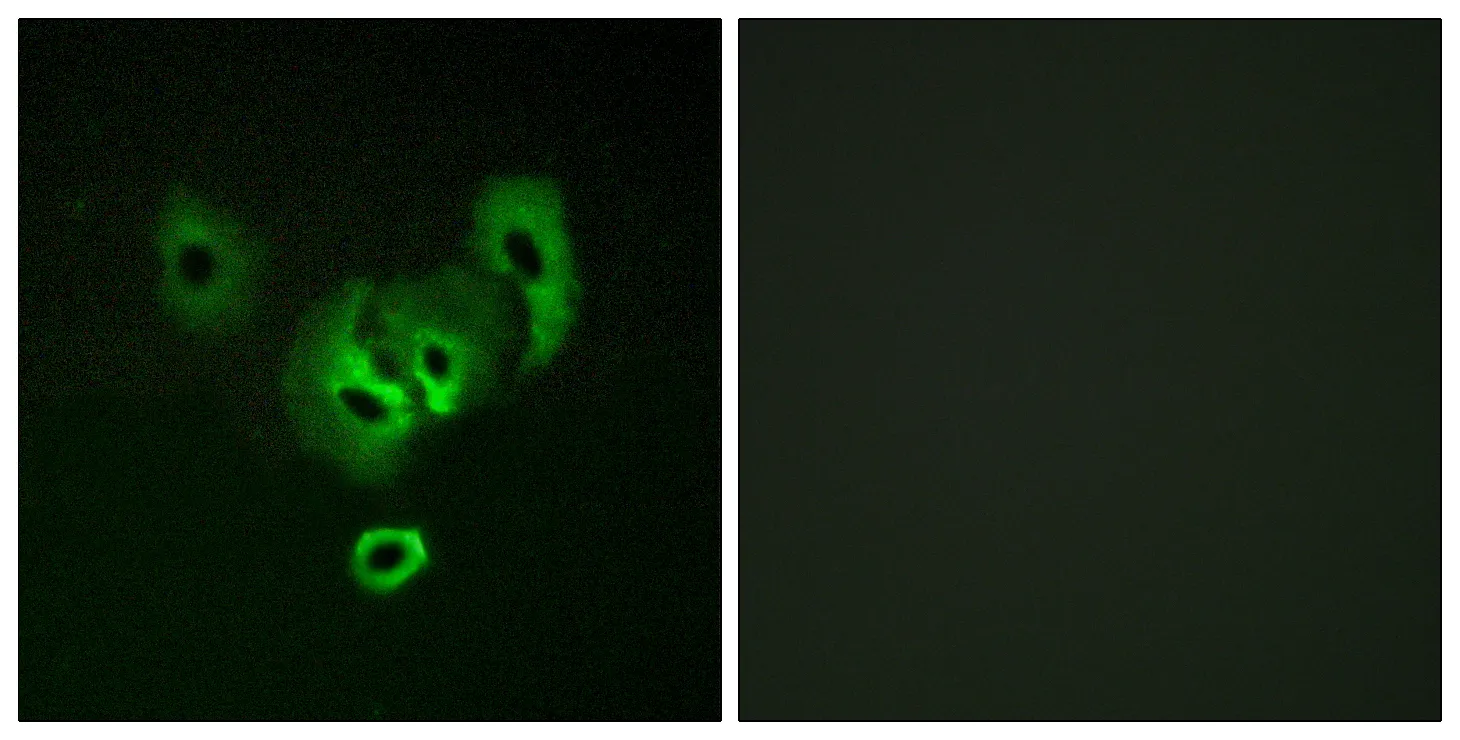
| アプリケーション | WB,IHC,ICC/IF,ELISA |
| 希釈倍率 | WB 1:500-1:2000,IHC 1:100-1:300,ICC/IF 1:50-1:200,ELISA 1:10000-1:20000 |
| 分子量 | 22kDa |
研究分野
| Cell Biology |
背景
| この遺伝子は、BH3ドメインを含むミトコンドリアタンパク質をコードし、アポトーシス促進因子として作用します。コードされたタンパク質は、E1B 19 kDaタンパク質やBcl2などの抗アポトーシスタンパク質と相互作用します。この遺伝子は、腫瘍においてDNAメチル化によってサイレンシングされています。[RefSeq提供、2014年12月],機能:BCL2の抑制を克服できるアポトーシス誘導タンパク質。BCL2と共存し、2つの主要な細胞内カルシウムストア間でカルシウムの再分配に関与している可能性があります。,類似性:NIP3ファミリーに属します。,細胞内局在:EIB 19 kDaタンパク質との共発現は、NIP3の局在パターンを核膜へシフトさせます。,サブユニット:ホモ二量体。BCL2に結合します。BNIP3Lと相互作用します。アデノウイルス E1B 19 kDa タンパク質またはエプスタイン・バーウイルス BHRF1 とも相互作用します。 |