

BLNK(リン酸化Tyr96)ウサギポリクローナル抗体
コンジュゲーション: 非共役
ウサギポリクローナル抗体
アプリケーション
反応性
人間、ネズミ、サル
遺伝子名
BLNK
保存
小分けして-20℃で保存してください(12ヶ月間有効)。凍結融解サイクルは避けてください。
要約
| 製品名 | BLNK(リン酸化Tyr96)ウサギポリクローナル抗体 |
| 説明 | ウサギポリクローナル抗体 |
| 宿主 | うさぎ |
| 反応性 | 人間、ネズミ、サル |
| コンジュゲーション | 非共役 |
| 修飾 | リン酸化 |
| アイソタイプ | IgG |
| クローン性 | ポリクローナル |
| 形態 | 液体 |
| 濃度 | 非共役 |
| 保存 | 小分けして-20℃で保存してください(12ヶ月間有効)。凍結融解サイクルは避けてください。 |
| 配送 | 氷嚢。 |
| バッファー | 50% グリセロール、0.5% 保護タンパク質、0.02% 新タイプ防腐剤 N を含む PBS 液。 |
| 精製 | アフィニティー精製 |
抗原情報
| 遺伝子名 | BLNK |
| 別名 | BLNK; BASH; SLP65; B-cell linker protein; B-cell adapter containing a SH2 domain protein; B-cell adapter containing a Src homology 2 domain protein; Cytoplasmic adapter protein; Src homology 2 domain-containing leukocyte protein of 65 kDa; |
| 遺伝子ID | 29760 |
| SwissProt ID | Q8WV28 |
| 免疫原 | 抗血清は、ヒトBLNKのTyr96リン酸化部位付近の合成ペプチドに対して作製された。アミノ酸範囲:62-111 |
アプリケーション
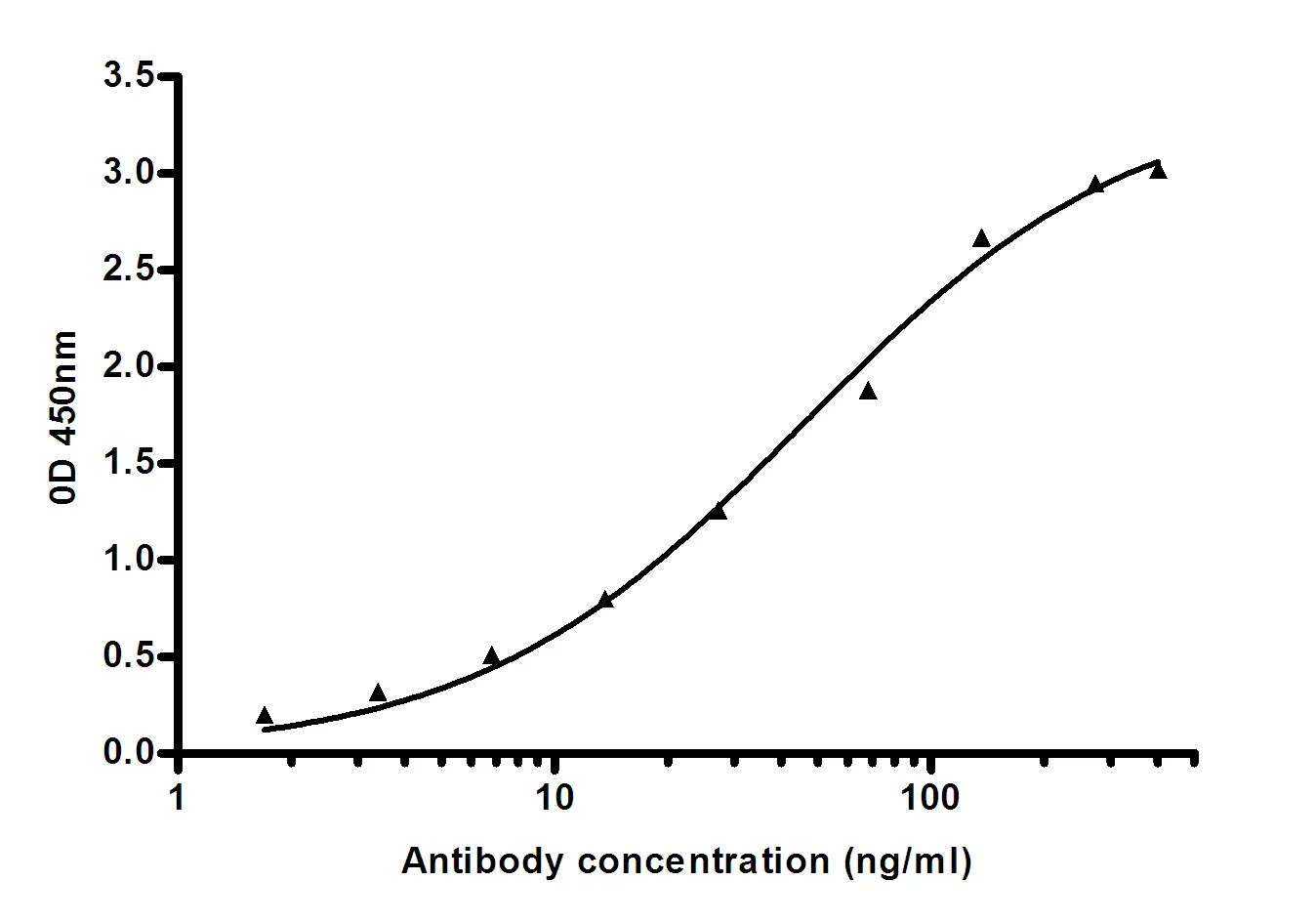
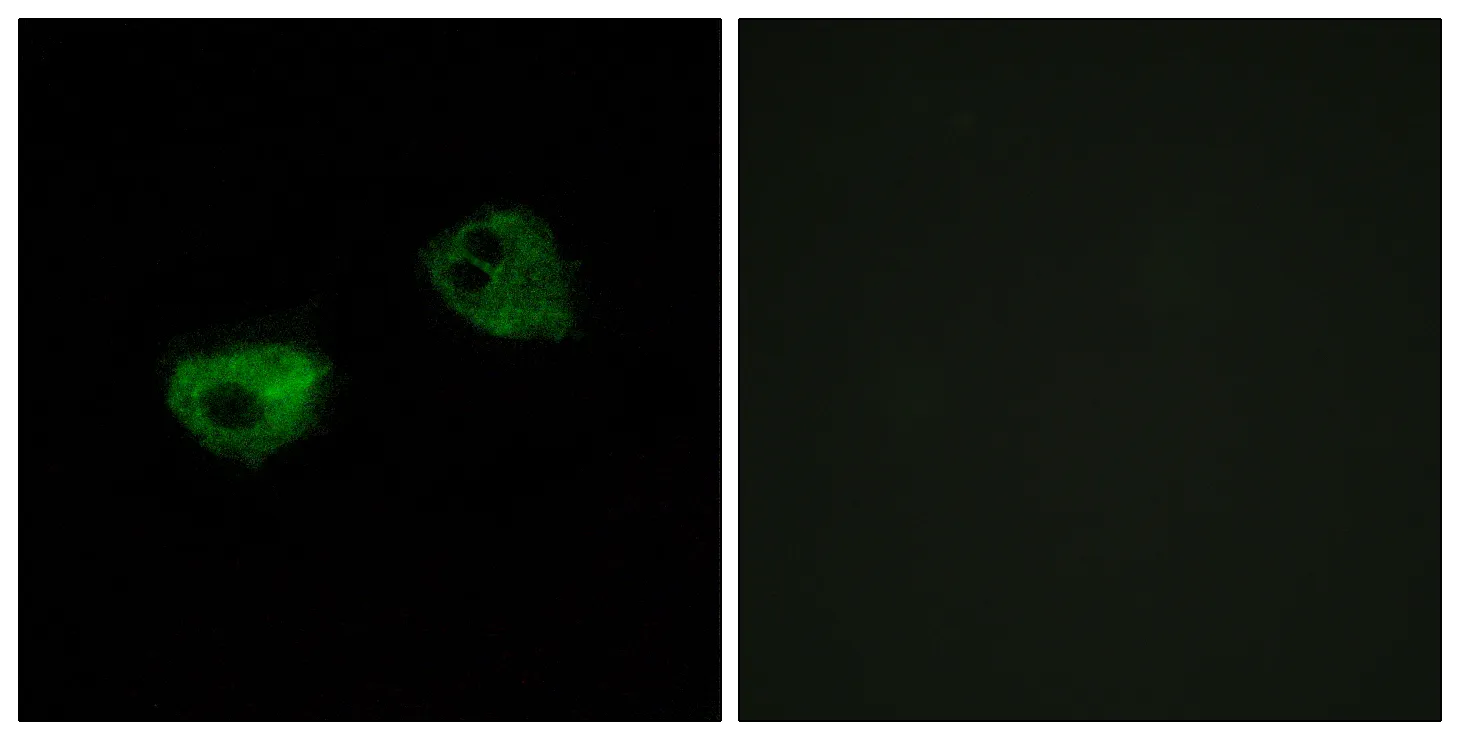
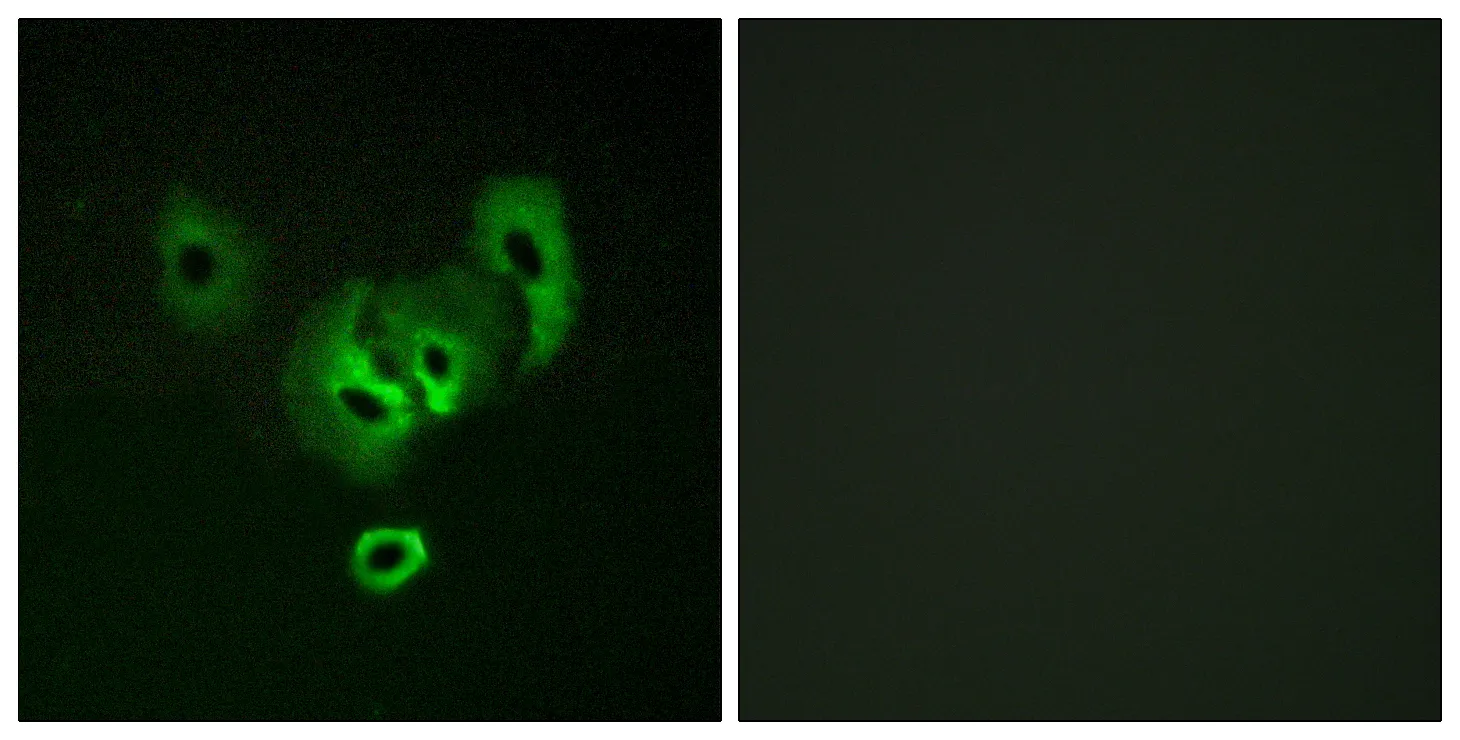
| アプリケーション | WB,IHC,ICC/IF,ELISA |
| 希釈倍率 | WB 1:500-1:2000,IHC 1:100-1:300,ICC/IF 1:50-1:200,ELISA 1:10000-1:20000 |
| 分子量 | 50kDa |
研究分野
| B_Cell_Antigen;Primary immunodeficiency; |
背景
| この遺伝子は、B細胞の発生において重要な役割を果たす細胞質リンカーまたはアダプタータンパク質をコードしています。このタンパク質は、B細胞受容体関連キナーゼの活性化と下流のシグナル伝達経路を橋渡しすることで、様々な生物学的機能に作用します。5つのチロシン残基のリン酸化は、このタンパク質がB細胞受容体の活性化後に異なるシグナル伝達エフェクターを核形成するために不可欠です。この遺伝子の変異は、低グロブリン血症とB細胞欠損を引き起こします。これは、プロB細胞からプレB細胞への移行が発達的に阻害される疾患です。このタンパク質の欠損は、プレB細胞急性リンパ芽球性白血病の一部の症例でも認められています。この遺伝子には、選択的スプライシングを受けた転写バリアントが見つかっています。[RefSeq提供、2012年5月]、疾患:BLNKの欠陥が低グロブリン血症とB細胞欠損の原因である[MIM:604515]。これは、プロB細胞からプレB細胞への移行における発達上の阻害である。,疾患:検査された34の小児プレB急性リンパ芽球性白血病(ALL)サンプルのうち6つで、BLNK発現の完全な喪失または大幅な減少が示された。,機能:B細胞受容体(BCR)に関連するキナーゼを多数のシグナル伝達経路と橋渡しする中心的なリンカータンパク質として機能し、B細胞の機能と発達の生物学的結果を制御します。ERK / EPHB2、MAPキナーゼp38、およびJNKの活性化に役割を果たします。AP1の活性化を調整します。NF-κBとNFATの活性化に重要です。BCR媒介PLCG1およびPLCG2の活性化とCa(2+)動員に重要な役割を果たし、BCRの後期エンドソームへの輸送に必要です。しかし、MAP キナーゼおよびホスファチジルイノシトール 3 (PI3) キナーゼシグナル伝達のプレ BCR 媒介活性化には必要ないようです。RAC1-JNK 経路に必要である可能性があります。プロ B 細胞からプレ B 細胞への移行を調整する上で重要な役割を果たします (類似性による)。BCR 誘導性 B 細胞アポトーシスで重要な役割を果たします。,オンライン情報:BLNK 変異 db,PTM:BCR 活性化後、SYK および LYN によってチロシン残基がリン酸化されます。リン酸化されると、PLCG1、VAV1、GRB2、NCK1 などの抗原活性化の下流ターゲットを組み立てるための足場として機能します。Tyr-84、Tyr-178、および Tyr-189 のリン酸化は、PLCG1 の結合を促進します。Tyr-96 のリン酸化は BTK の結合を促進します。 Tyr-72のリン酸化はVAV1とNCK1の結合を促進する。リン酸化はCa(2+)およびMAPKシグナル伝達経路の両方に必要である。,類似性:1つのSH2ドメインを含む。,細胞内局在:BCRの活性化により膜分画への移行が生じる。,サブユニット:B細胞抗原受容体依存的にPLCG1、VAV1、NCK1と結合する。VAV3、PLCG2、GRB2と相互作用する。SH2ドメインを介してCD79Aと相互作用する。,組織特異性:B細胞系および線維芽細胞株で発現する(タンパク質レベル)。脾臓で最も高い発現レベルを示し、肝臓、腎臓、膵臓、小腸、結腸では低い発現レベルを示す。, |