

BAI-1ウサギポリクローナル抗体
コンジュゲーション: 非共役
ウサギポリクローナル抗体
アプリケーション
反応性
ヒト、マウス
遺伝子名
BAI1
保存
小分けして-20℃で保存してください(12ヶ月間有効)。凍結融解サイクルは避けてください。
要約
| 製品名 | BAI-1ウサギポリクローナル抗体 |
| 説明 | ウサギポリクローナル抗体 |
| 宿主 | うさぎ |
| 反応性 | ヒト、マウス |
| コンジュゲーション | 非共役 |
| 修飾 | 未修正 |
| アイソタイプ | IgG |
| クローン性 | ポリクローナル |
| 形態 | 液体 |
| 濃度 | 非共役 |
| 保存 | 小分けして-20℃で保存してください(12ヶ月間有効)。凍結融解サイクルは避けてください。 |
| 配送 | 氷嚢。 |
| バッファー | 50% グリセロール、0.5% 保護タンパク質、0.02% 新タイプ防腐剤 N を含む PBS 液。 |
| 精製 | アフィニティー精製 |
抗原情報
| 遺伝子名 | BAI1 |
| 別名 | BAI1; Brain-specific angiogenesis inhibitor 1 |
| 遺伝子ID | 575 |
| SwissProt ID | O14514 |
| 免疫原 | 抗血清はヒトBAI1由来の合成ペプチドに対して作製された。アミノ酸範囲:691-740 |
アプリケーション
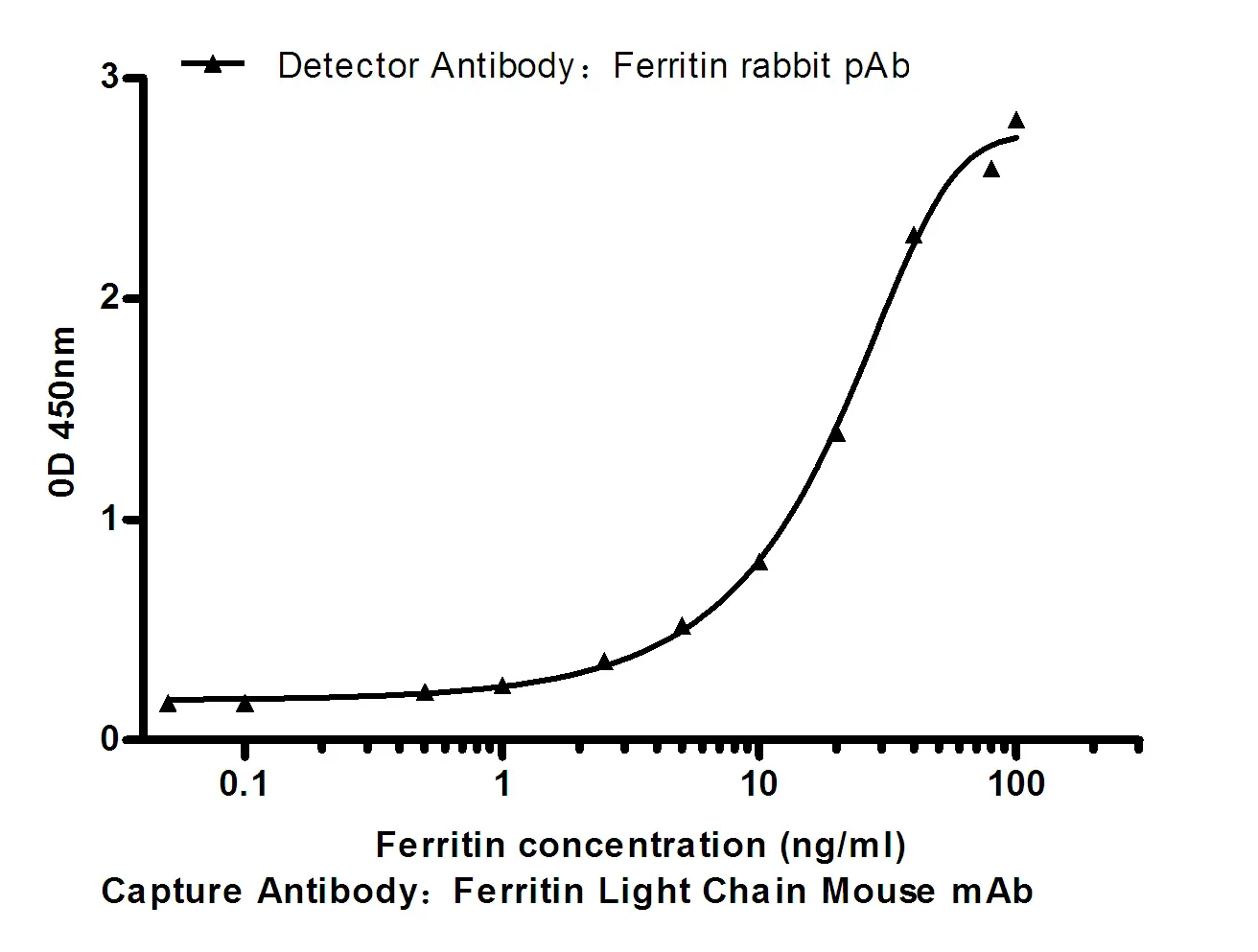
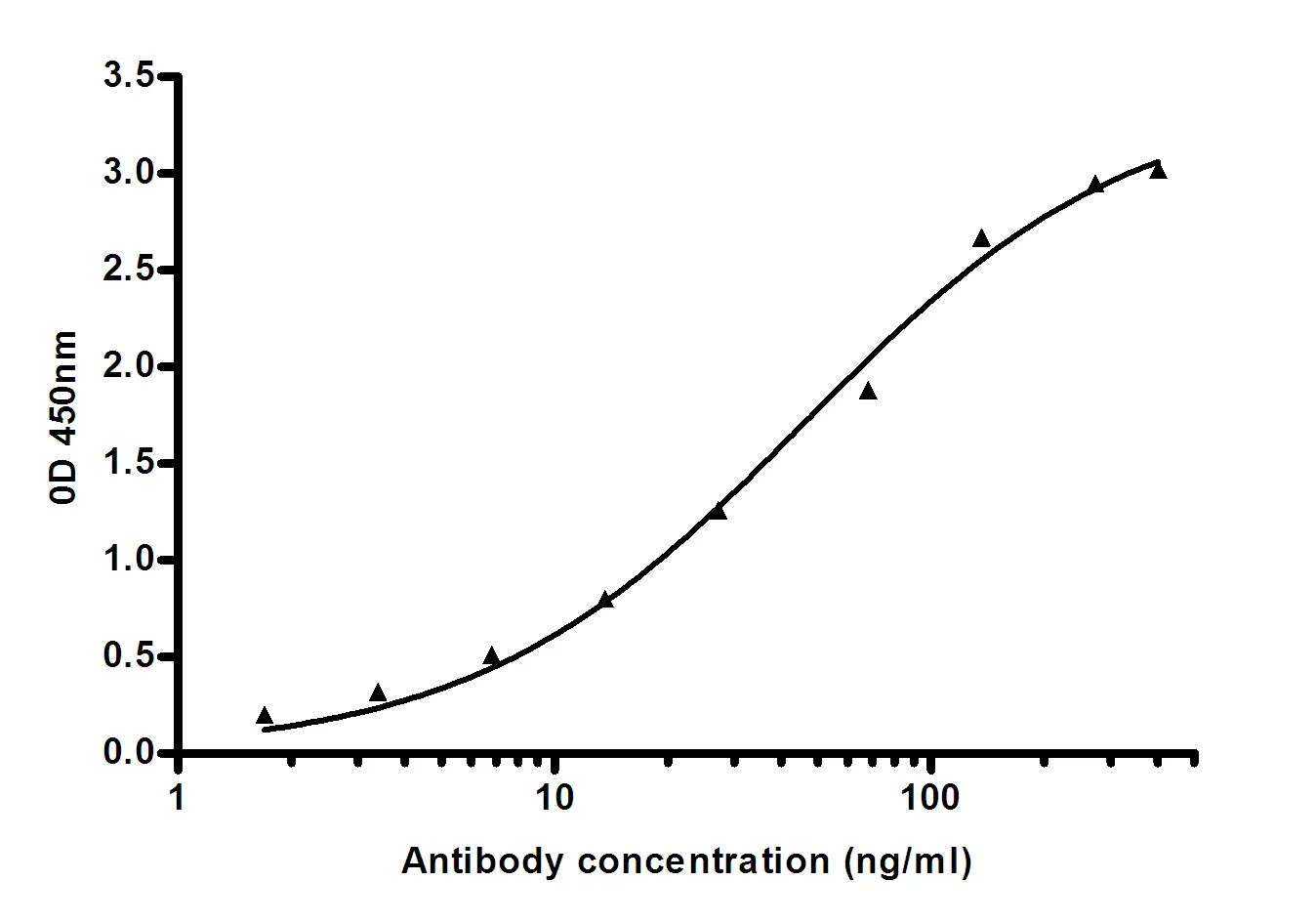
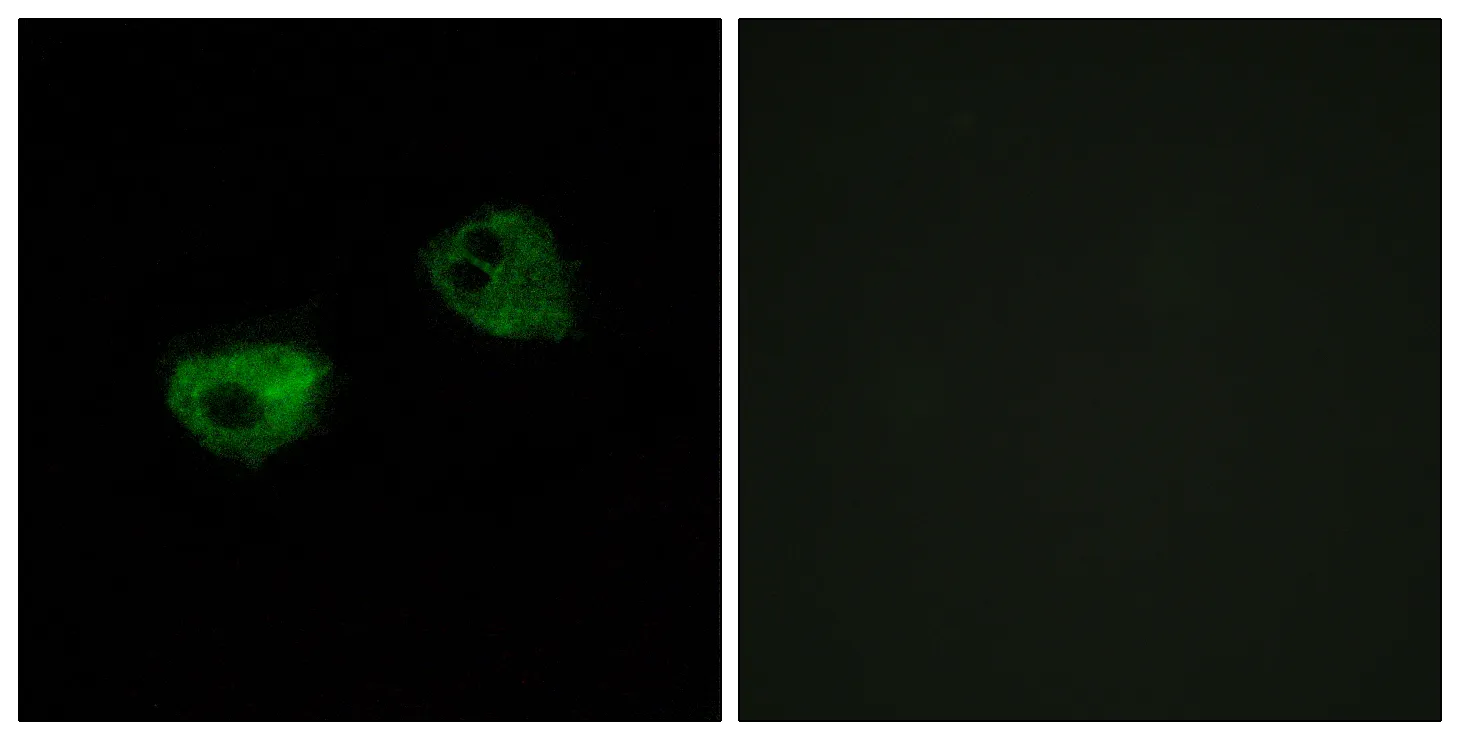
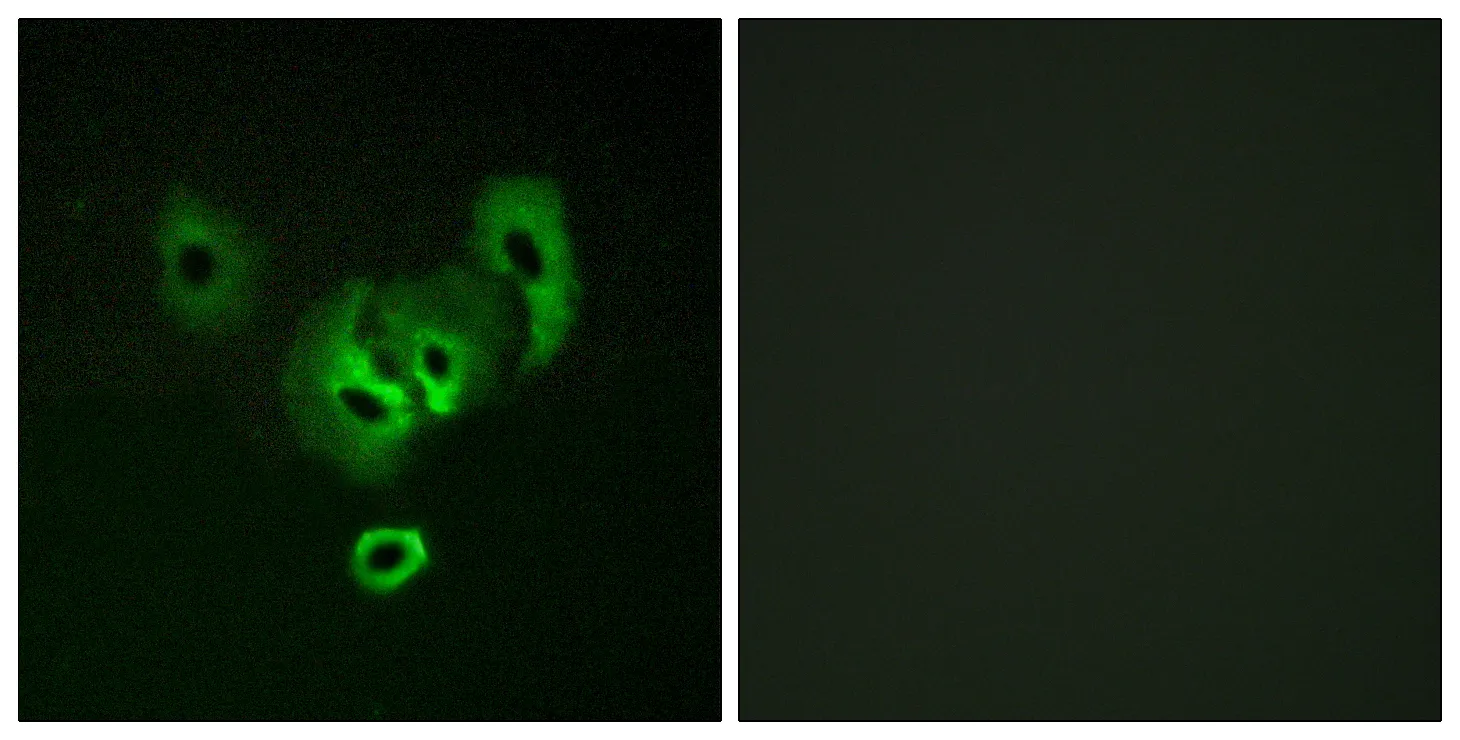
| アプリケーション | WB,IHC,ICC/IF,ELISA |
| 希釈倍率 | WB 1:500-1:2000,IHC 1:100-1:300,ICC/IF 1:200-1:1000,ELISA 1:5000-1:20000 |
| 分子量 | 174kDa |
研究分野
| p53; |
背景
| 血管新生は、新生血管の成長を刺激する因子と阻害する因子の局所的なバランスによって制御され、通常の生理学的条件下では抑制されます。血管新生は固形腫瘍の成長と転移に不可欠であることが示されている。腫瘍細胞は成長に必要な血液供給を得るために、強力な血管新生能を持ち、誘導因子の分泌増加と内因性抑制因子の産生減少の結果として、新しい血管を誘引します。BAI1はイントロン内に少なくとも1つの「機能的な」p53結合部位を含み、その発現は野生型p53によって誘導されることが示されています。脳特異的な血管新生阻害遺伝子として他にBAI2とBAI3が2つあり、BAI1と同様に組織特異性と構造を有しますが、p53によって転写制御されるのはBAI1のみです。 BAI1 は、セクレチン受容体ファミリーのメンバーであると仮定されています。ドメイン:TSP1 リピートは、BFGF によって誘導されるラット角膜の in vivo 血管新生を阻害します。,機能:アポトーシス細胞の貪食を促進するホスファチジルセリン受容体。脳における血管新生の強力な阻害剤である可能性があり、神経膠芽腫の抑制における p53 シグナルのメディエーターとして重要な役割を果たす可能性があります。脳における細胞接着およびシグナル伝達に機能する可能性があります。,誘導:p53 による。,類似性:G タンパク質共役受容体 2 ファミリーに属します。LN-TM7 サブファミリー。,類似性:1 つの GPS ドメインを含みます。,類似性:5 つの TSP タイプ 1 ドメインを含みます。,細胞内位置:細胞間接着部位に集中している可能性があります。,サブユニット:ELMO1 および DOCK1 と相互作用します。 ELMO1およびDOCK1に結合すると、貪食を促進するモジュールとして機能する可能性がある(類似性に基づく)。MAGI1、MAGI3、BAIAP2、PHYHIPと相互作用する。,組織特異性:脳で特異的に発現する。一部の神経膠芽腫細胞株および癌組織では発現が低下しているか、発現が全くみられない。アストロサイトでは発現しない。, |