Atm (リン酸化Ser1981) ウサギポリクローナル抗体
コンジュゲーション: 非共役
ウサギポリクローナル抗体
アプリケーション
反応性
ヒト、マウス、ラット
遺伝子名
ATM
保存
小分けして-20℃で保存してください(12ヶ月間有効)。凍結融解サイクルは避けてください。
要約
| 製品名 | Atm (リン酸化Ser1981) ウサギポリクローナル抗体 |
| 説明 | ウサギポリクローナル抗体 |
| 宿主 | うさぎ |
| 反応性 | ヒト、マウス、ラット |
| コンジュゲーション | 非共役 |
| 修飾 | リン酸化 |
| アイソタイプ | IgG |
| クローン性 | ポリクローナル |
| 形態 | 液体 |
| 濃度 | 非共役 |
| 保存 | 小分けして-20℃で保存してください(12ヶ月間有効)。凍結融解サイクルは避けてください。 |
| 配送 | 氷嚢。 |
| バッファー | 50% グリセロール、0.5% 保護タンパク質、0.02% 新タイプ防腐剤 N を含む PBS 液。 |
| 精製 | アフィニティー精製 |
抗原情報
| 遺伝子名 | ATM |
| 別名 | ATM; Serine-protein kinase ATM; Ataxia telangiectasia mutated; A-T mutated |
| 遺伝子ID | 472 |
| SwissProt ID | Q13315 |
| 免疫原 | ヒトAtmのリン酸化部位(リン酸化Ser1981)周辺の合成リン酸化ペプチド |
アプリケーション
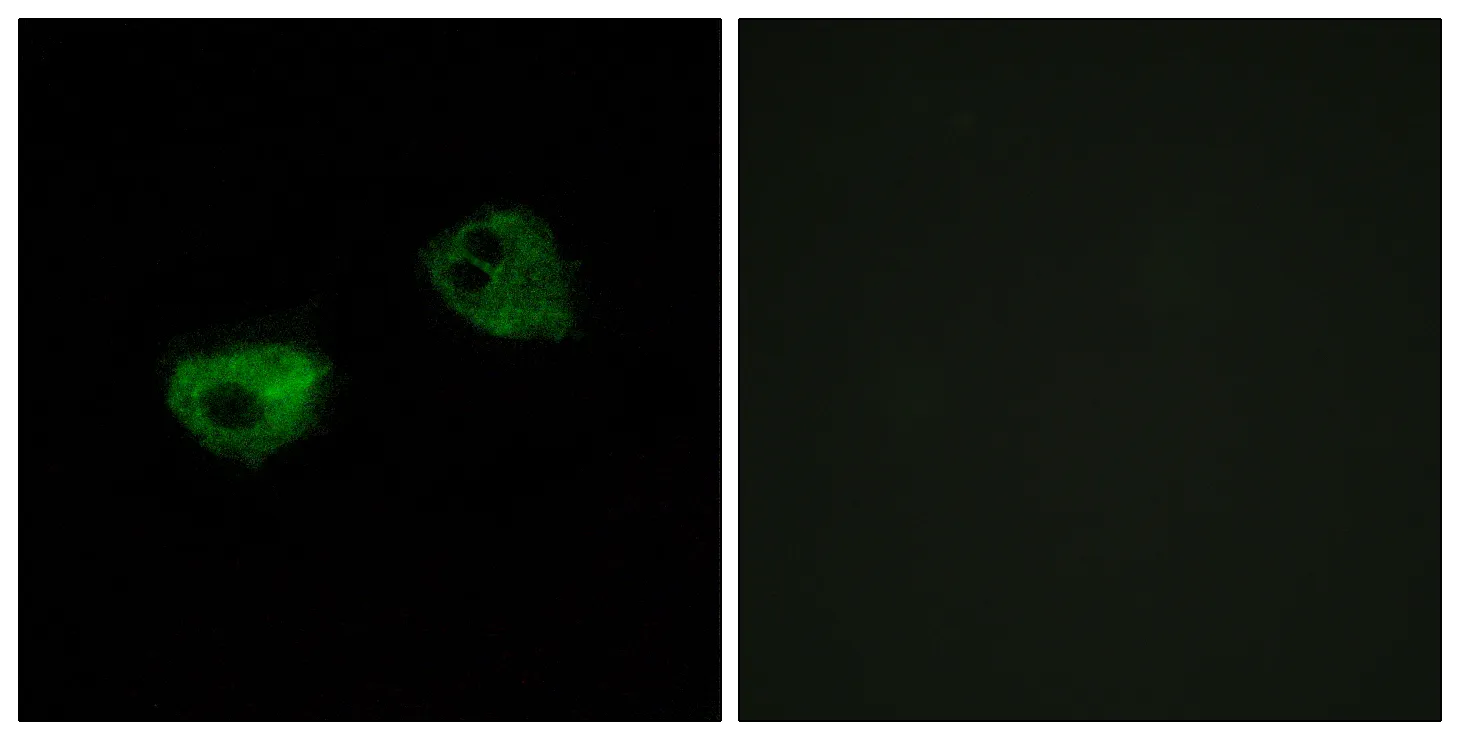
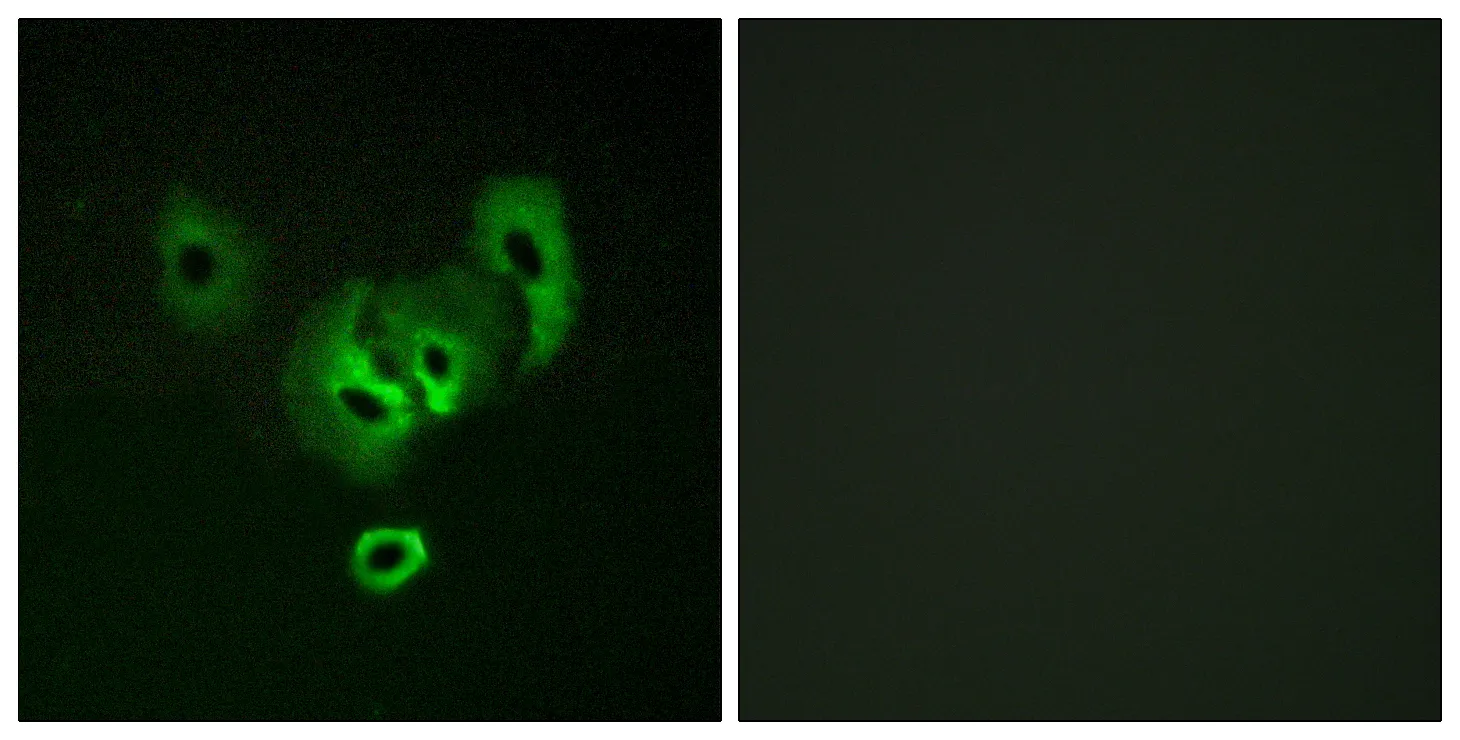
| アプリケーション | WB,ICC/IF,ELISA |
| 希釈倍率 | WB 1:500-1:2000,ICC/IF 1:50-1:200,ELISA 1:5000-1:20000 |
| 分子量 | 350kDa |
研究分野
| Cell_Cycle_G1S;Cell_Cycle_G2M_DNA;p53;Apoptosis_Inhibition;Apoptosis_Mitochondrial;Apoptosis_Overview; |
背景
| この遺伝子によってコードされるタンパク質は、PI3/PI4キナーゼファミリーに属します。このタンパク質は、リン酸化を行う重要な細胞周期チェックポイントキナーゼであり、腫瘍抑制タンパク質p53およびBRCA1、チェックポイントキナーゼCHK2、チェックポイントタンパク質RAD17およびRAD9、DNA修復タンパク質NBS1など、さまざまな下流タンパク質の調節因子として機能します。このタンパク質と密接に関連するキナーゼATRは、DNA損傷に対する細胞応答とゲノム安定性に必要な細胞周期チェックポイントシグナル伝達経路のマスターコントローラーであると考えられています。この遺伝子の変異は、常染色体劣性疾患である毛細血管拡張性運動失調症に関連しています。[RefSeq提供、2010年8月]、触媒活性:ATP + タンパク質 = ADP + リン酸化タンパク質。、疾患:ATMの欠陥は、毛細血管拡張性運動失調症(AT)の原因です[MIM:208900]。ルイ・バー症候群としても知られ、A、C、D、Eの4つの相補群が含まれます。このまれな劣性疾患は、進行性小脳失調症、結膜および眼球の血管拡張、免疫不全、成長遅延、性的未熟を特徴とします。ATM患者はがんにかかりやすく、患者の約30%に腫瘍、特にリンパ腫や白血病が発生します。罹患した人の細胞は電離放射線による損傷に非常に敏感で、放射線照射後のDNA合成阻害にも抵抗性を示します。,疾患:ATMの欠陥はB細胞慢性リンパ性白血病(BCLL)の一因となります。BCLLは高齢者に最も多くみられる白血病です。成熟CD5陽性Bリンパ球の蓄積、リンパ節腫脹、免疫不全、および骨髄不全を特徴とする。,疾患:ATMの欠陥は、マントル細胞リンパ腫(MCL)を含むB細胞性非ホジキンリンパ腫(BNHL)の一因となる。,疾患:ATMの欠陥は、T細胞急性リンパ芽球性白血病(TALL)およびT細胞性前リンパ球性白血病(TPLL)の一因となる。TPLLは、白血球数の増加、前リンパ球優位、顕著な脾腫、リンパ節腫脹、皮膚病変、および漿液性滲出液を特徴とする。臨床経過は非常に悪性で、化学療法への反応は乏しく、生存期間は短い。 TPLLは、成人では散発性疾患として、また若年AT患者では発症します。,ドメイン:FATCドメインはHTATIPとの相互作用に必要です。,酵素調節:ワートマンニンによって阻害されます。,機能:セリン/スレオニンプロテインキナーゼは、二本鎖切断(DSB)、アポトーシス、および電離紫外線A光(UVA)などの遺伝毒性ストレス時にチェックポイントシグナル伝達を活性化し、DNA損傷センサーとして機能します。基質コンセンサス配列[ST]-Qを認識します。二本鎖切断(DSB)でヒストンバリアントH2AX / H2AFXの「Ser-139」をリン酸化することで、DNA損傷応答機構を制御します。シグナル伝達と細胞周期制御にも関与しています。腫瘍抑制因子として機能する可能性があります。ABL1とSAPKの活性化に必要です。 p53/TP53、FANCD2、NFKBIA、BRCA1、CTIP、ニブリン(NBN)、TERF1、RAD9、およびDCLRE1Cをリン酸化します。小胞輸送および/またはタンパク質輸送に関与している可能性があります。 |