アルカディアウサギポリクローナル抗体
コンジュゲーション: 非共役
ウサギポリクローナル抗体
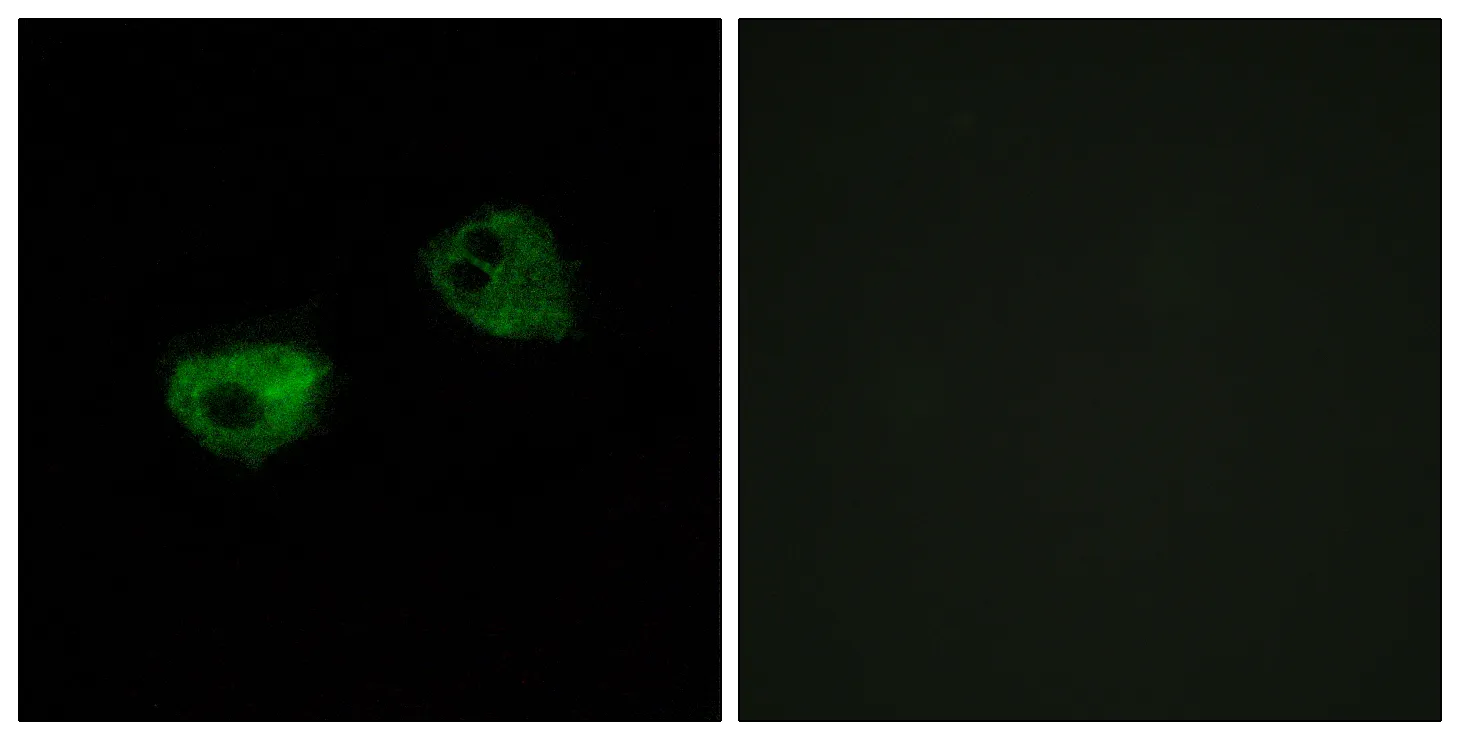
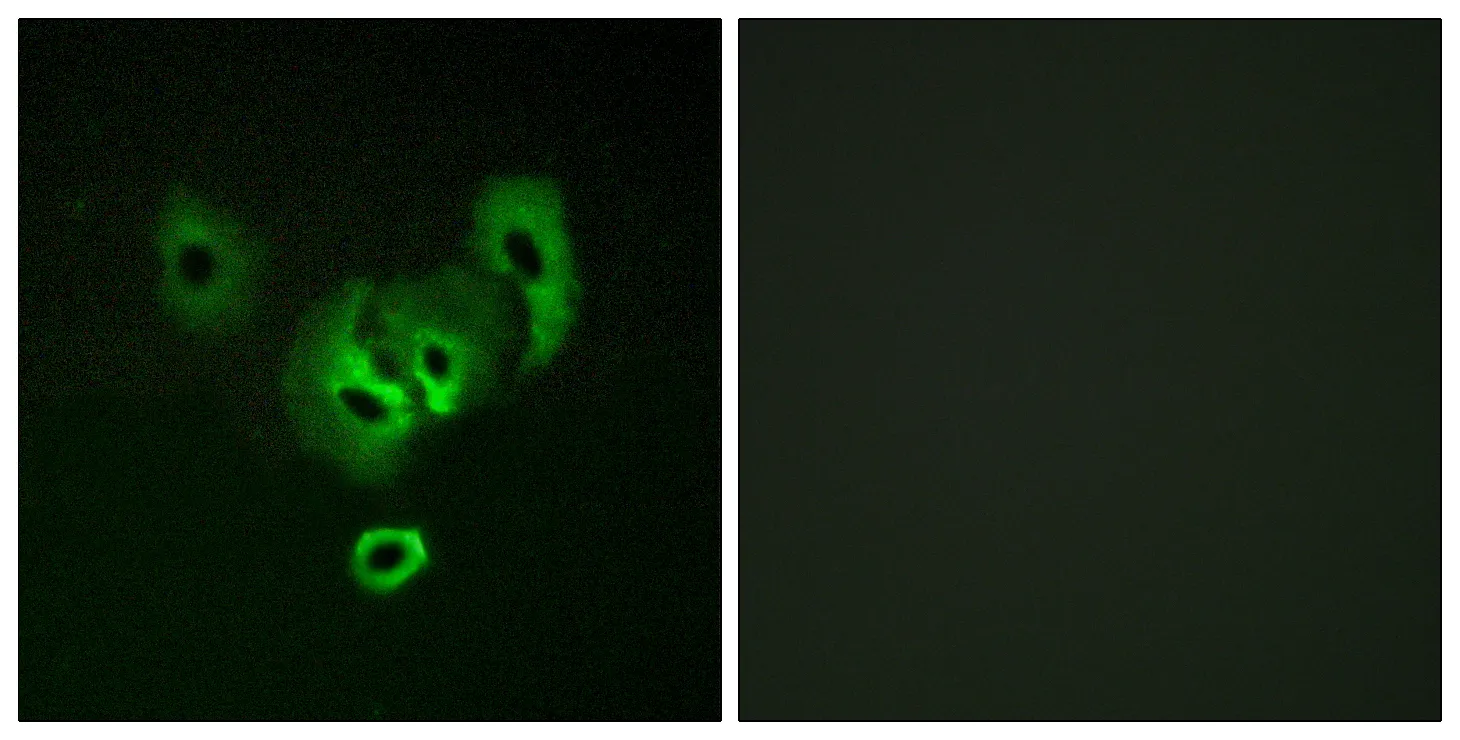
アプリケーション
反応性
ヒト、マウス
遺伝子名
RNF111
保存
小分けして-20℃で保存してください(12ヶ月間有効)。凍結融解サイクルは避けてください。
要約
| 製品名 | アルカディアウサギポリクローナル抗体 |
| 説明 | ウサギポリクローナル抗体 |
| 宿主 | うさぎ |
| 反応性 | ヒト、マウス |
| コンジュゲーション | 非共役 |
| 修飾 | 未修正 |
| アイソタイプ | IgG |
| クローン性 | ポリクローナル |
| 形態 | 液体 |
| 濃度 | 非共役 |
| 保存 | 小分けして-20℃で保存してください(12ヶ月間有効)。凍結融解サイクルは避けてください。 |
| 配送 | 氷嚢。 |
| バッファー | 50% グリセロール、0.5% 保護タンパク質、0.02% 新タイプ防腐剤 N を含む PBS 液。 |
| 精製 | アフィニティー精製 |
抗原情報
| 遺伝子名 | RNF111 |
| 別名 | RNF111; E3 ubiquitin-protein ligase Arkadia; RING finger protein 111 |
| 遺伝子ID | 54778 |
| SwissProt ID | Q6ZNA4 |
| 免疫原 | 抗血清はヒトRNF111由来の合成ペプチドに対して作製された。アミノ酸範囲:901-950 |
アプリケーション
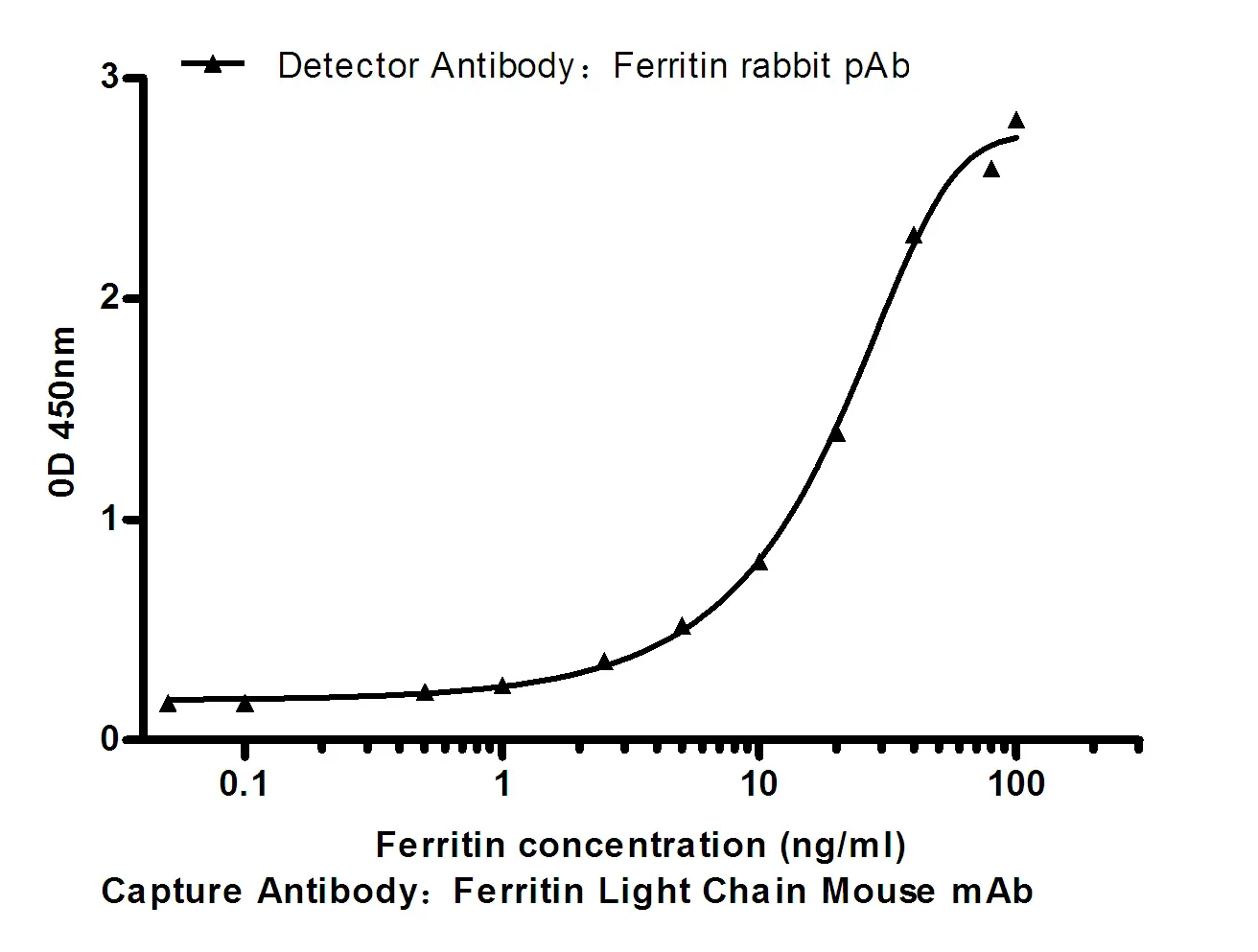
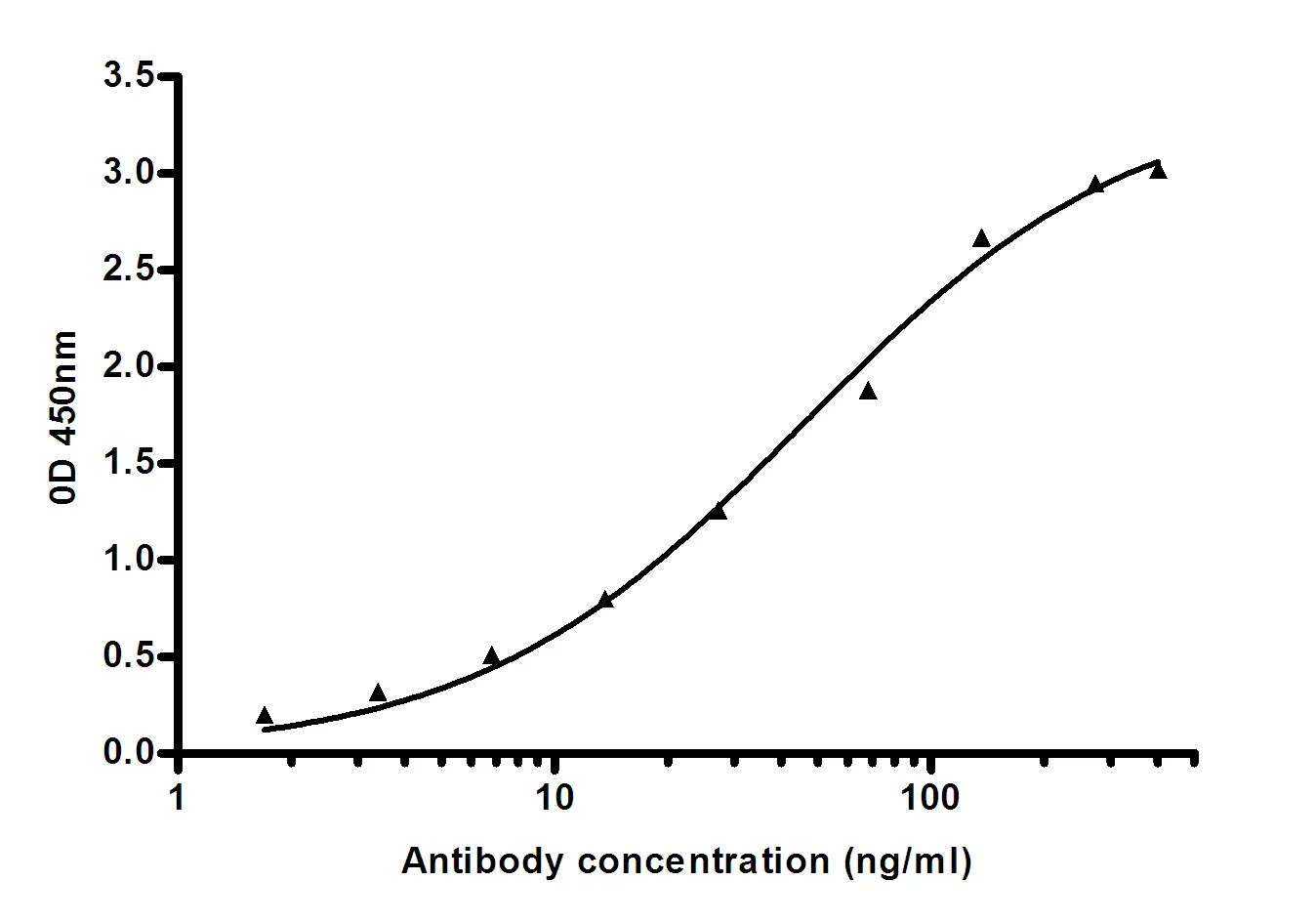
| アプリケーション | WB,ELISA |
| 希釈倍率 | WB 1:500-1:2000,ELISA 1:20000-1:40000 |
| 分子量 | 110kDa |
研究分野
背景
| リングフィンガータンパク質111(RNF111)ホモサピエンス この遺伝子によってコードされるタンパク質は、核内RINGドメイン含有E3ユビキチンリガーゼである。このタンパク質は、SMADタンパク質などの負の調節因子のユビキチン化およびプロテオソーム分解を促進することで、トランスフォーミング成長因子(TGF)-β/NODALシグナル伝達経路と相互作用し、それによってTGF-β標的遺伝子の転写を増強する。nodalシグナル伝達カスケードの調節因子として、この遺伝子は胚発生中の中胚葉誘導において重要な役割を果たしている。この遺伝子の選択的スプライシングにより、異なるアイソフォームをコードする複数の転写産物バリアントが生じる。[RefSeq提供、2012年7月]、機能:胚発生中の中胚葉パターン形成におけるNODAL経路に作用する。 AXIN1の下流でE3ユビキチン-タンパク質リガーゼとして作用し、SMAD7などの阻害性SMADのユビキチン化を促進し、プロテアソーム分解を誘導することで、TGF-βおよびBMPの転写活性を増強する。シグナル誘導性SnoN分解を誘導することにより、Smad3/Smad4依存性転写を活性化する。,経路:タンパク質修飾;タンパク質ユビキチン化。,類似性:RING型ジンクフィンガーを1つ含む。,細胞内局在:TGF-β処理により、核から細胞質へ移行する。,サブユニット:SMAD6、SMAD7、AXIN1、AXIN2、およびSKILアイソフォームSNONと相互作用する。RNF111、AXIN1、およびSMAD7を含む複合体の一部である。,組織特異性:広範囲に発現する。, |