

ApoL3ウサギポリクローナル抗体
コンジュゲーション: 非共役
ウサギポリクローナル抗体
アプリケーション
反応性
ヒト、ラット、マウス
遺伝子名
APOL3
保存
小分けして-20℃で保存してください(12ヶ月間有効)。凍結融解サイクルは避けてください。
要約
| 製品名 | ApoL3ウサギポリクローナル抗体 |
| 説明 | ウサギポリクローナル抗体 |
| 宿主 | うさぎ |
| 反応性 | ヒト、ラット、マウス |
| コンジュゲーション | 非共役 |
| 修飾 | 未修正 |
| アイソタイプ | IgG |
| クローン性 | ポリクローナル |
| 形態 | 液体 |
| 濃度 | 非共役 |
| 保存 | 小分けして-20℃で保存してください(12ヶ月間有効)。凍結融解サイクルは避けてください。 |
| 配送 | 氷嚢。 |
| バッファー | 50% グリセロール、0.5% 保護タンパク質、0.02% 新タイプ防腐剤 N を含む PBS 液。 |
| 精製 | アフィニティー精製 |
抗原情報
| 遺伝子名 | APOL3 |
| 別名 | APOL3; Apolipoprotein L3; Apolipoprotein L-III; ApoL-III; TNF-inducible protein CG12-1; CG12_1 |
| 遺伝子ID | 80833 |
| SwissProt ID | O95236 |
| 免疫原 | ApoL3由来の合成ペプチド。アミノ酸範囲:100-180 |
アプリケーション
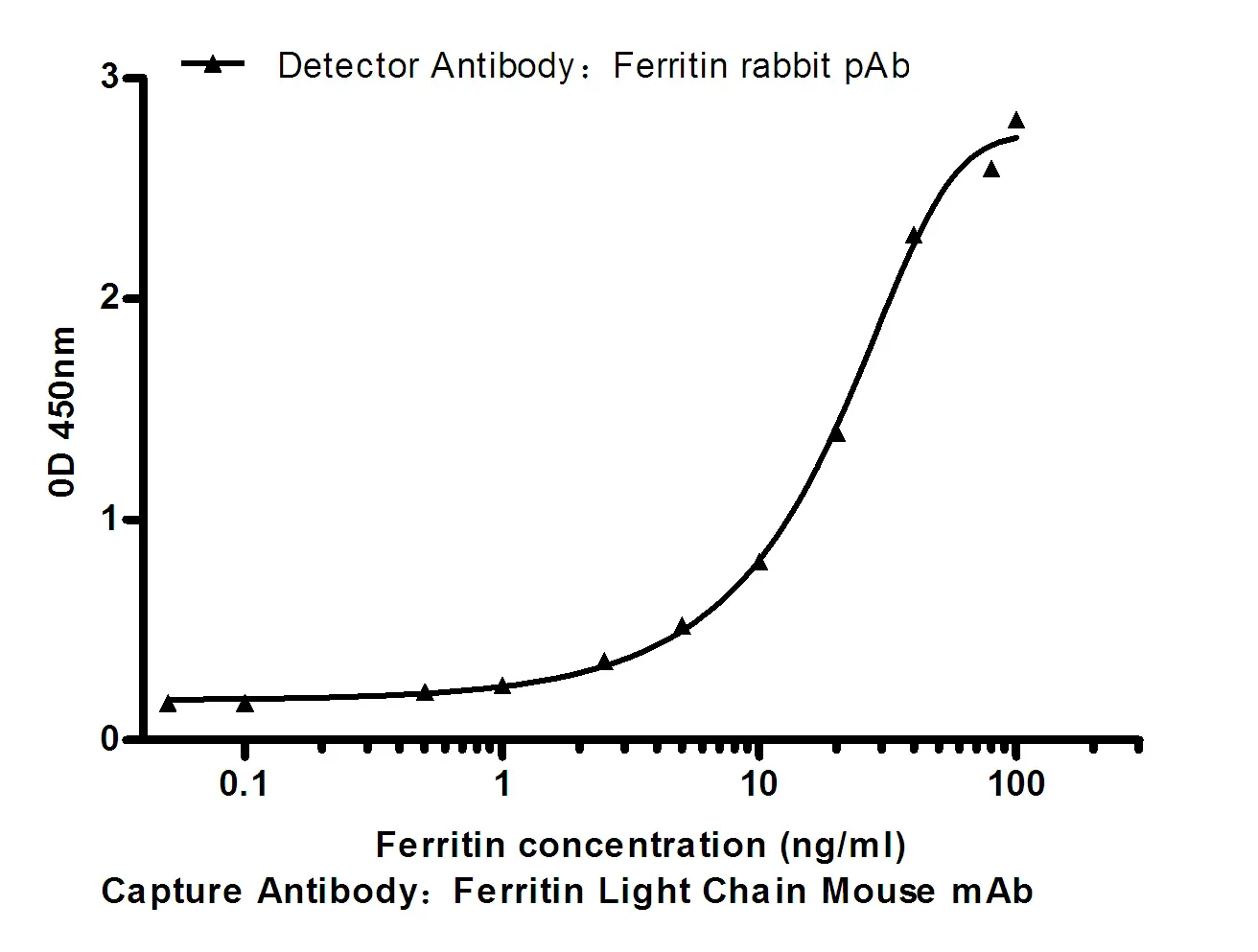
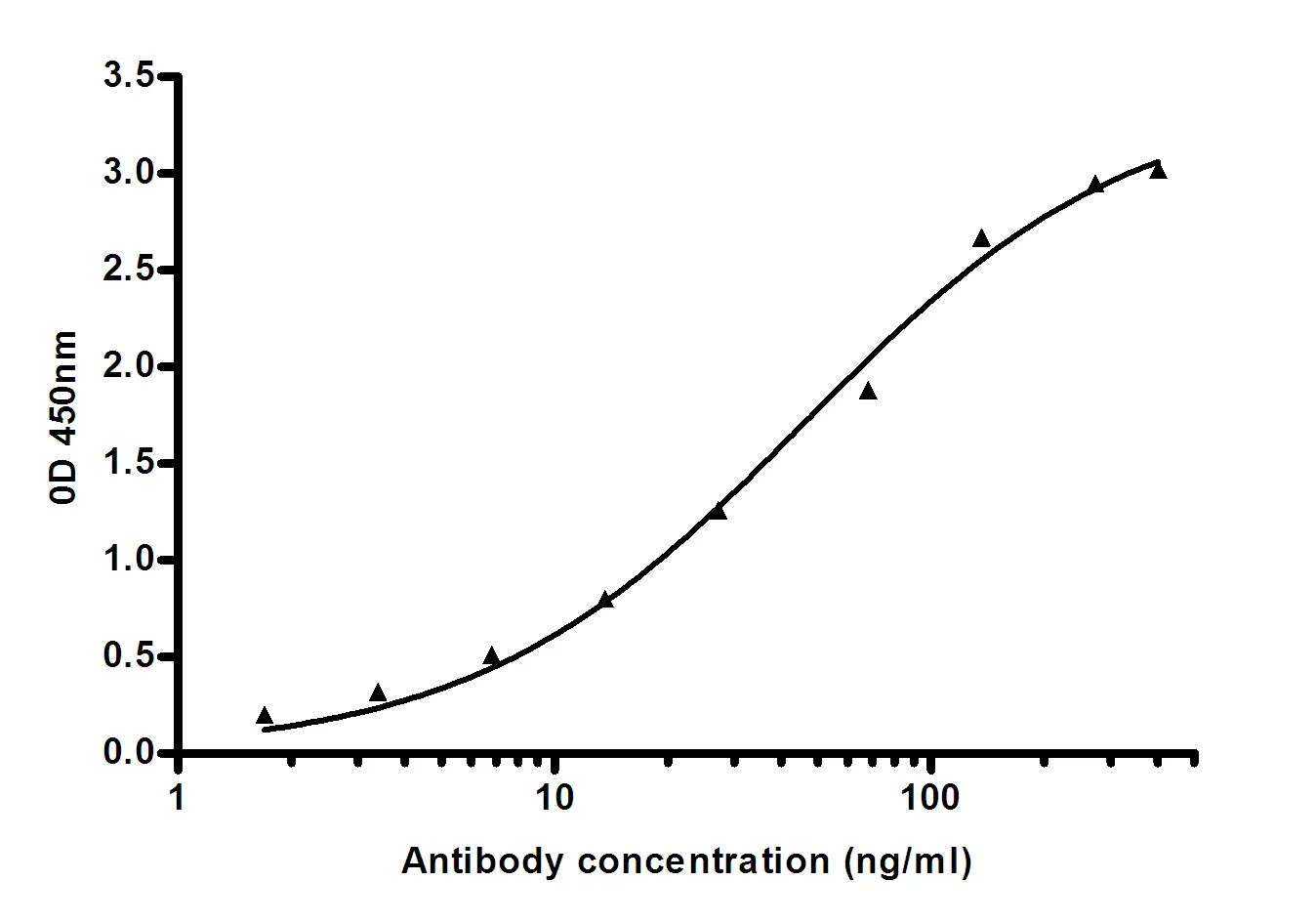
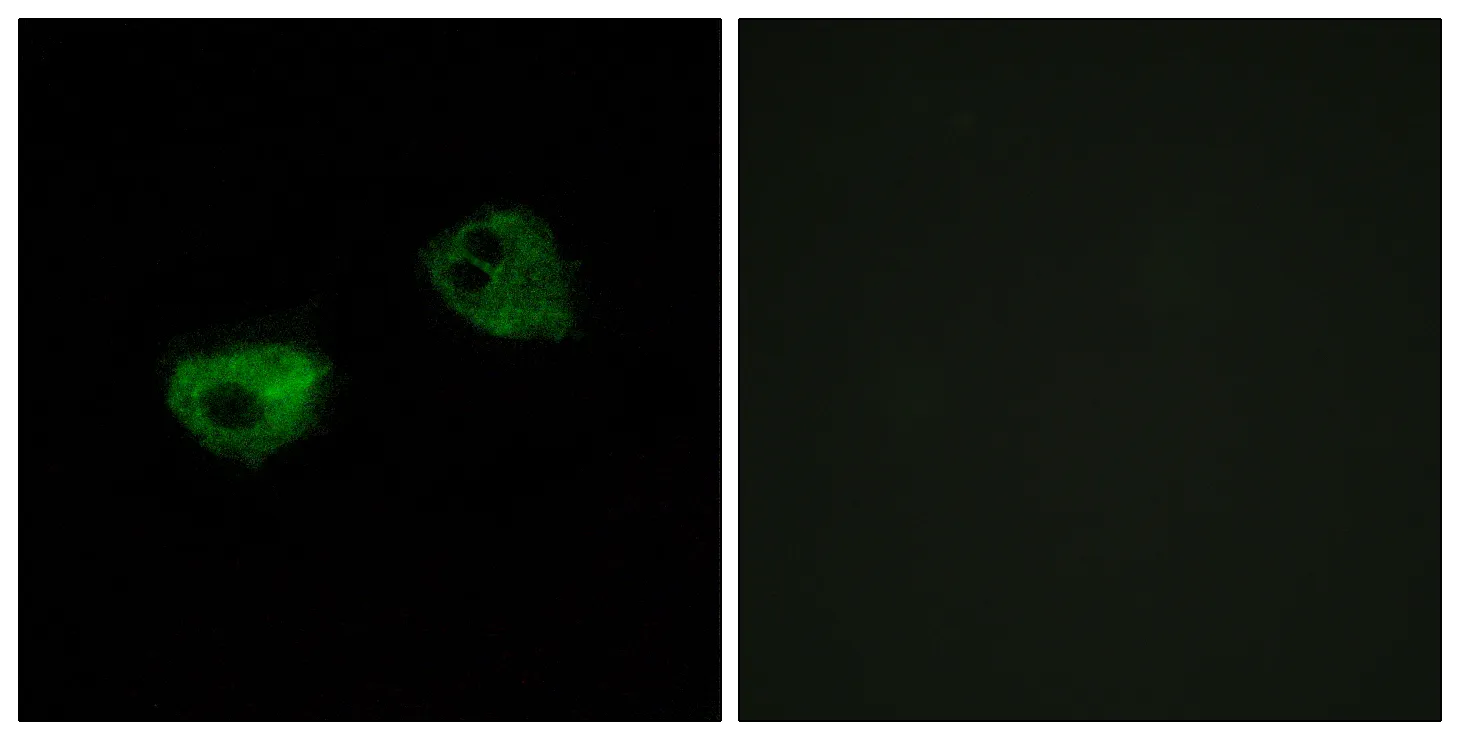
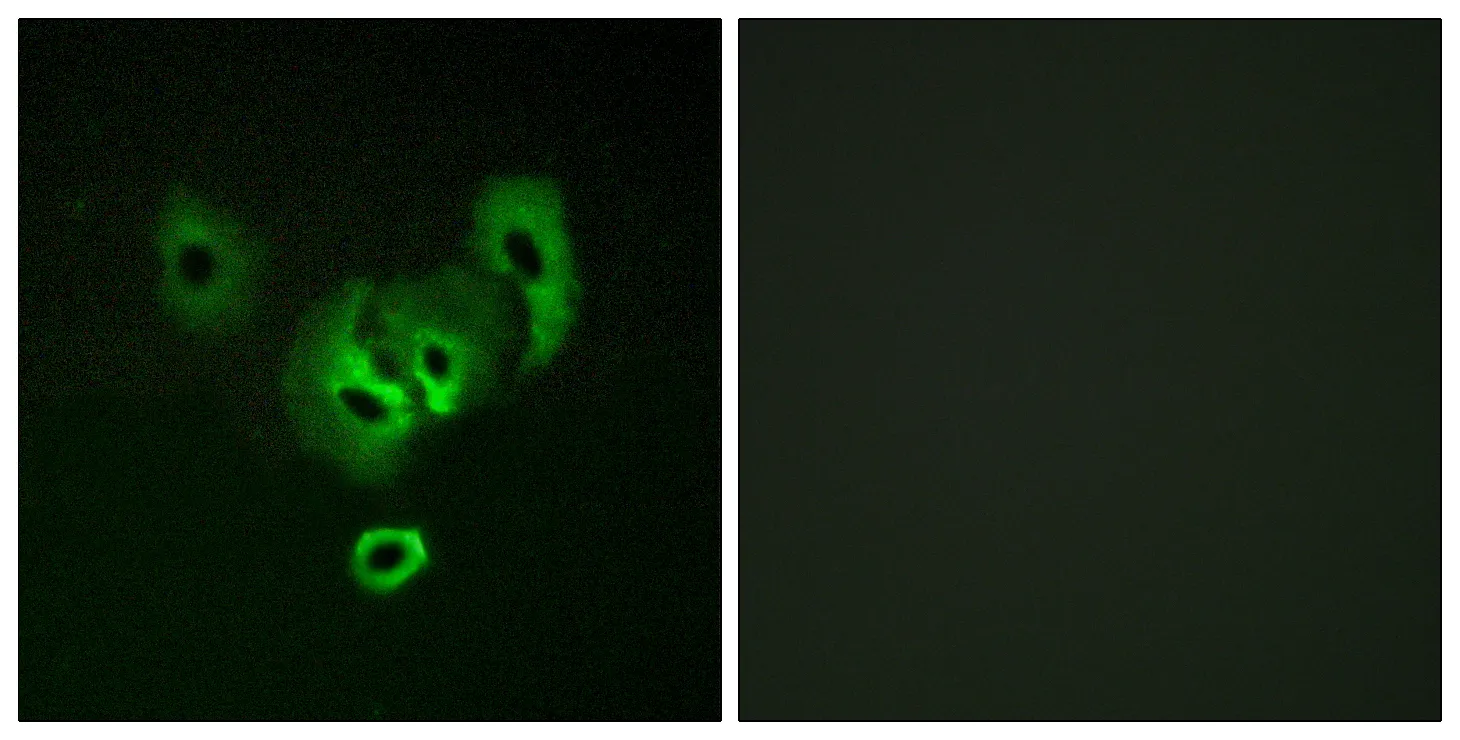
| アプリケーション | IHC,ICC/IF,ELISA |
| 希釈倍率 | IHC 1:100-1:300,ICC/IF 1:50-1:200,ELISA 1:20000-1:40000 |
| 分子量 | - |
研究分野
背景
| この遺伝子はアポリポタンパク質L遺伝子ファミリーのメンバーであり、22番染色体上に他のファミリーメンバーとともにクラスターとして存在します。コードされているタンパク質は細胞質に存在し、コレステロールを含む脂質の移動に影響を与えたり、脂質が細胞小器官に結合したりする可能性があります。さらに、この遺伝子の発現は、正常およびアテローム性動脈硬化症の腸骨動脈と大動脈の内層を覆う内皮細胞において、腫瘍壊死因子αによってアップレギュレーションされます。選択的スプライシングにより、複数の転写バリアントが生成されます。[RefSeq提供、2015年3月],機能:細胞質内の脂質の移動に影響を与えたり、脂質が細胞小器官に結合したりする可能性があります。,誘導:in vitroで、腫瘍壊死因子に反応します。,類似性:アポリポタンパク質Lファミリーに属します。,組織特異性:広く発現しています。最も高いレベルは前立腺、肺、胎盤にあります。また、腎臓、骨髄、脾臓、胸腺、脊髄、副腎、唾液腺、気管、乳腺でも検出されています。脳、心臓、胎児の肝臓、膵臓、精巣ではレベルが低くなっています。 |